A World Without Ag Wednesdays: Tennis Balls–We Don’t Get Along

Let me go ahead and say that I am not a sports person. I am all for watching them but I fail epically when it comes to playing them. My sport of choice was target shooting–no balls or running involved. However, I was forced to play a sport during my undergraduate career. To graduate, I had to pick a PE, so I chose tennis. I’m not sure what I was thinking. Actually, I know what I was thinking–swimming was at 8am and bowling required driving. That left me with tennis. Quite frankly I was more worried about what I was going to wear than anything. Really, I was also worried that achieving an ‘A’ would require actual talent… something I don’t have.

Anyway, before I get into what this has to do with agriculture, I wanted to share an awkward Marisa life moment. Don’t judge. I had been doing alright in tennis. I could hit the ball some and serve a little. I was doing ok. My goal was to not get noticed for doing bad or good, but to just blend in. I epically failed on that front one morning. Tennis was from 11-12, and I had a class before that. As usual, I skipped breakfast (I’m not a big morning eater). It had never been an issue before, and I got lunch right after tennis. That day it was an issue.

I was standing around with the other students, listening to coach explain different terms and stuff. I started to get really dizzy, and decided that squatting would be a good idea. I knew what was happening. I was getting too hot and hadn’t had anything to eat. I was going to pass out if this guy didn’t hurry his speech up. Hold it together, Marisa I thought to myself. I lasted until he finished his talk, stood up to walk, and made it to the fence and plopped. The world was definitely black and swirling. I would say I was embarrassed, but honestly, I was too busy concentrating on making my world go back to a normal angle. Coach came over and started asking me questions. I don’t think I really responded. He asked if I wanted him to pick me up and carry me to the bleachers. I held up my hand emphatically, horrified at that thought. I got my butt up and wobbly walked to the bleachers. Coach gave me a granola bar and Gatorade. I was completely fine in 5 minutes. Now, that the world wasn’t spinning like a fair ride, I was thoroughly embarrassed.

Source:http://www.wallpapervortex.com/wallpaper-26265-tennis_ball_and_racket_wallpaper.html#.VNLtq7l0w5s

During my semester of tennis, I learned a few things: 1) eat breakfast before participating in sports 2) if you don’t want to play tennis one day, just pass out 3) tennis balls are made of wool.

The third point brings me to agriculture. The yellow fuzz on tennis balls are wool felt. Originally tennis balls were made of wood, and over many years, evolved. Early tennis balls were made of leather and stuffed with wool or hair. We now have the neon green fuzzy balls today. The fuzz makes them more aerodynamic, and the more bald they get, the faster and bouncier they get. Around 300,000,000 tennis balls are made every year in the world. That is a lot of tennis balls, I will not be playing with.

I know this is a world without ag post, but how bad would it really be if there were no tennis balls? I know I wouldn’t have an embarrassing story to tell, that’s for sure.


Sources:
http://www.tennistheme.com/tennisequipment.html

A Peachy Pig Trip to Georgia

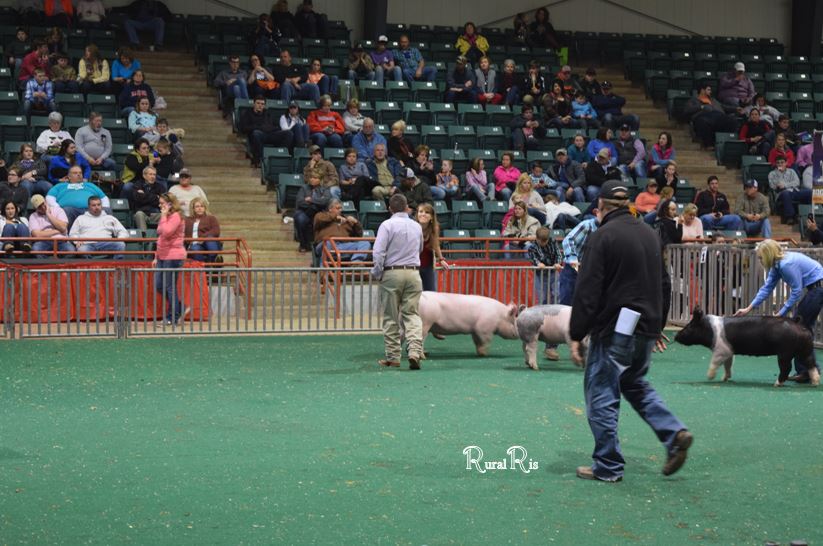
While everyone was watching Katy Perry’s many wardrobe changes and cheering on their team during Super Bowl, I was on my way back from Perry, Georgia. Our Super Bowl food of choice was Taco Bell, which is not easy to eat in a truck. Somehow I managed to not spill (shocking I know)! Anyway, yesterday was the end to several days in Georgia showing pigs at the National Junior Swine Association (NJSA) Eastern Regional show. I hitched a ride (leaving NC at 4am) with my boyfriend Garrett and his folks to the show, and compared to last year, it was a lot warmer and a lot less white–aka not snowing.

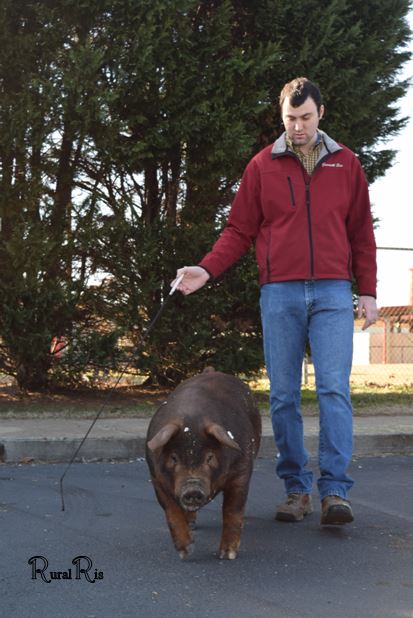
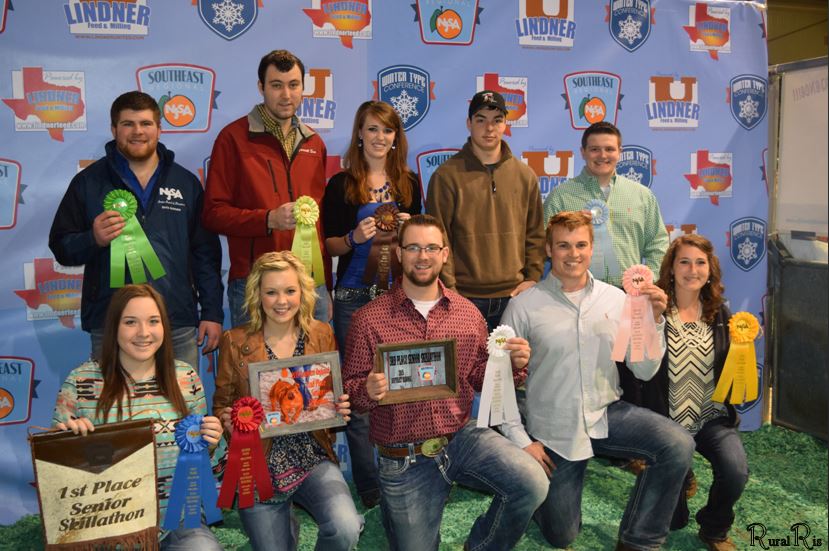
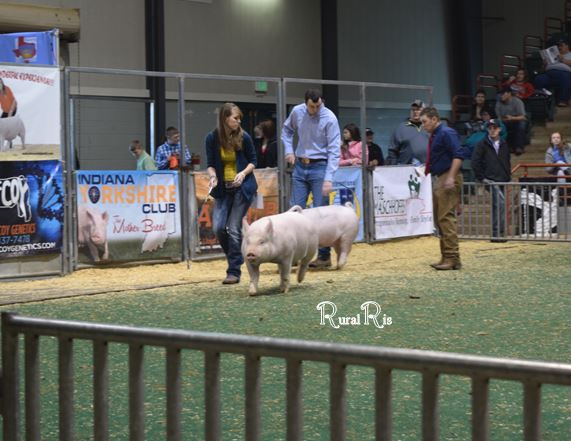
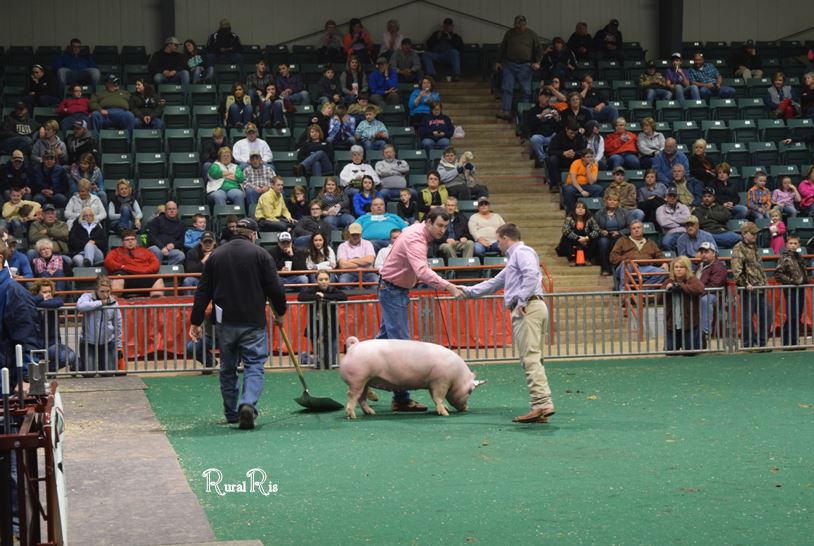
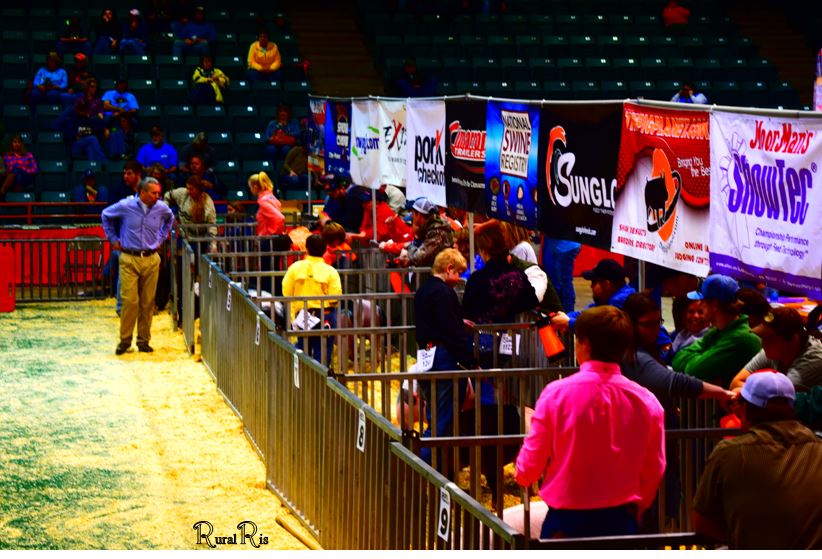
NJSA shows deal with four purebred breeds of pigs–Duroc, Landrace, Hampshire, and Landrace. There is also crossbreds, but to show a crossbred, you have to show a purebred. I went to my first NJSA show last year in Georgia and really enjoyed it. Because there are a lot of shows all year round, people get to know each other and it becomes quite the community with pizza parties, games for kids, and of course piggies. The show consists of showmanship classes, skillathon, and both barrow and gilt classes divided in breeds. In the open show (for all ages), there is also boar classes. All in all, there are about450 contestants and 700pigs, if I could guess. You can see why it lasts from Wednesday to Sunday. effectOne of the cool things about dating someone with similar interests as you, is you enjoy doing those things together. Garrett and I met showing pigs and doing livestock events. We talk about pigs and livestock more than most things. Even though we share a passion, that doesn’t stop us from being competitive with each other. We still compare who has more ribbons, but we also help each other out too. This show, he beat me in skillathon with a 7th place and me 8th, but I beat him in sweepstakes with a 10th. He brought home the coolest prize though–a new pig. This show consists of a sale in addition to the show. After selling all our Yorkshire pigs we brought and showed, Garrett (well, his dad) bought a cool Duroc gilt. After much debate, she was named Hazel, and is now the lone red pig in a bar filled with white ones back home.

hazel

I’ve decided that instead of giving you all the many details of our time in Georgia like spilling my drink at Steak ‘N Shake or getting pig pee on my pants, I’ll give you a bunch of pictures of our peachy pig time in Georgia.

me and g

skillathon

perry

gilts show

garrett judge

me and judge


A World Without Ag Wednesdays: Avocados–“Are They a Vegetable or What?”

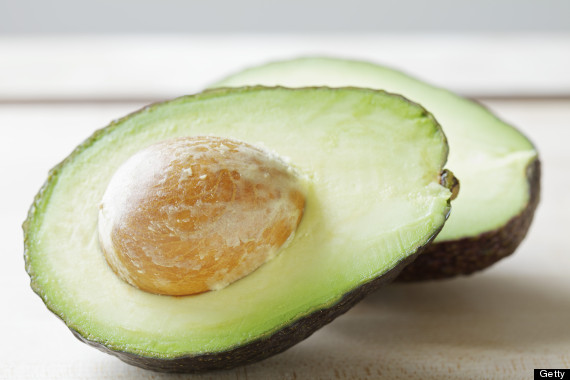
I have recently learned to truly appreciate the yummy avocado vegetable/fruit/green thing. What is it anyway? Avocados are actually a fruit, and more specifically a berry. Blew my mind too. According to Huffington Post article, a fruit is defined as having a tough outer layer, soft middle layer that encompasses the seed. Sounds like a avocado to me. There is a lot more to avocados then you would think.

Photo Cred: Huffington Post

History

Avocados came from Mexico and surrounding areas and were used by the Aztec people. Over the centuries, the avocado has been called many different names including Alligator Pear. Horticulturists did not like this name as it was misleading and negative. So the name avocado was settled upon. Avocados have obviously spread from Mexico to a wide range of places.

Where are all the avocados?


In the USA, California is the largest grower of avocados followed by Florida and Hawaii. In 2011 the value of the avocado industry was  $492.1 million, and the industry is growing.

125

Did you know?

  • There are over 1,000 varieties of avocados
  • Avocados can be different colors

    Photo Cred: University of California
    Photo Cred: University of California
  • Avocados grow on trees.
  • There is twice as much potassium in avocados than a banana.
  • Avocados will ripen more quickly in a paper bag with an apple or banana thanks to the gases circulating.
  • You can use avocados as a substitute for butter in baking recipes, and no it won’t make them green.
  • Avocados are packed with protein!
  • They aren’t just for eating. They make great beauty products.

How I used them

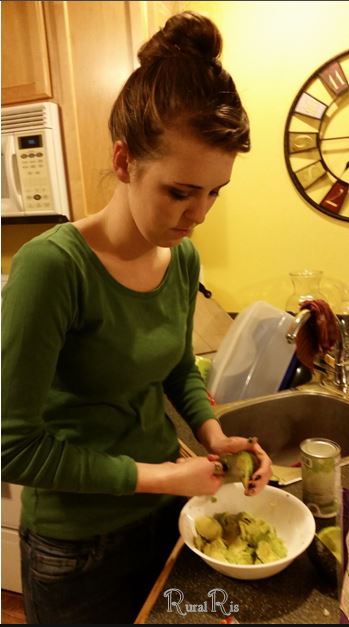
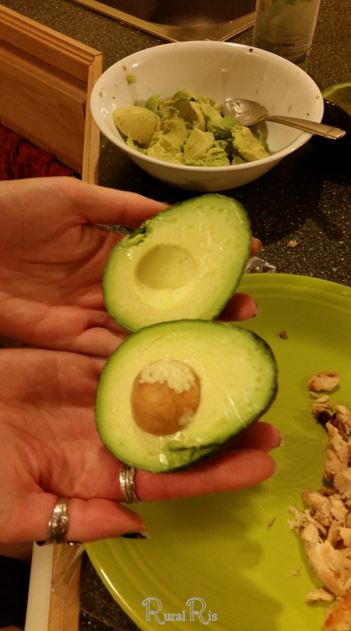
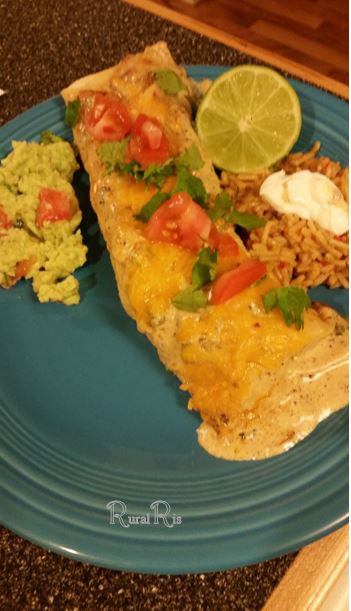
I used avocados for the first time at home this week, and it was delicious. I made guacamole to accompany chicken enchiladas I made (enchilada recipe to follow soon). I had to learn how to tell if they were ripe or not. I learned that you look under the button at the end of the fruit. Pop that button off, and if it is brown, it is too ripe. If it is a nice green, it is good. Also be sure that the fruit is not super firm. A little give is important.

So… here is the recipe I used. Not only was it healthy and yummy, but it was pretty too. I hope you enjoy!

Ingredients:

  • 3-4 ripe avocados
  • 1 1/2 tablespoons fresh lime juice
  • 1 large Plum  or Roma tomato, deseeded and diced
  • 1 tablespoon chopped cilantro leaves
  • 1/2 teaspoon ground cumin
  • 1/2 teaspoon salt
  • 1 jalapeno pepper
You can also add onions to this or other type of peppers.

Directions:
avocado green
I accidentally matched the avocado…
  1. Cut your avocados in half, and use a spoon to scoop out the seed. After this, spoon out the flesh and put in a medium bowl.avoo
  2. Add the lime juice to the avocado and use a fork to smash the avocado until creamy. Chunks are nice too.
  3. Finally, add the rest of your ingredients and stir. Serve immediately or store in the fridge.guac

PS How do you like to use avocados? Does the green bother you? I think they would make a great St. Patrick’s Day meal 🙂


Sources:

http://www.huffingtonpost.com/2013/08/22/avocado-health-facts-didnt-dont-know_n_3786419.html

http://ucavo.ucr.edu/General/General.html

http://www.agmrc.org/commodities__products/fruits/avocados/

http://www.inspiredtaste.net/20172/our-favorite-guacamole-recipe-with-video/

http://www.californiaavocado.com/assets/Uploads/Consumers/Healthy-Living/Health-Professionals/June-is-California-Avocado-Month.htm

Bridging the Gap from Farmer to Consumer

Only 2% of the population live on farms. That means that 98% of people do not know the ins and outs of farming and what all it entails. This happened thanks to the Industrial Revolution that drew people to urban areas. Around the same time that people were migrating to the cities and away from the farm, the media greatly diminished their coverage of farming and agriculture. Not only was the public physically removed from the farm, but they were mentally removed. An “out of sight, out of mind” situation became prevalent.As far as the population was concerned, farms still looked like grandpa’s red barn often seen in literature. In fact, though, farms look vastly different and have modernized just as the rest of the world has.

These major factors have created a huge gap between the consumer and farmer. With this gap comes questions from consumers. They want to know how their food is being grown and what is being put in their bodies. They want to know why farms don’t look like what they thought, and often times ask hard questions about farm practices. Answers are desired, and rightfully so. They deserve to know what they are consuming. There is a gap that needs to be bridged; however, this is easier said than done. An attempt must be made though.

bridging the gap

Bridging the gap is not achieved by throwing information out there. That is not good enough. A conversation must be started. This is not any one group’s responsibility. Both consumers and farmers alike, must do their part. Consumers have a responsibility to ask questions. It is completely ok, to ask what is going on behind the food being eaten. Likewise, farmers should also be asking questions. Questions like “Where are you getting your information? What concerns do you have? How can I help you feel better about this?” can be helpful in situating exactly where the consumer is and what they are thinking. Sometimes they may not know what to ask or how to ask it. From questions, a conversation can ensue.

Conversations are of no use if they are done in a negative way that only widens the gap. The goal is to bridge it. It is important for both sides to approach the dialogue in a positive manner. The public should have an open mind. There are a lot of voices out there and a lot of opposing information. Researching issues and gathering information from reputable sources on both ends of the spectrum is crucial. The beauty of our society here is we have the freedom to make a choice. So when engaging in these conversations, it is crucial to come in with an open mind and an open heart. By heart, I mean a sense of compassion and respect. Aggressive behavior is not going to move the conversation forward, rather it is going to stop it in its tracks. Consumers also need to realize that what they learn, may not be what they expected. Farming isn’t the same, and that’s ok. The important thing is to talk about those changes and gain understanding about the why behind those changes.

As farmers, it is important that we are also respectful and gentle with our dialogue. So many times I have seen conversations, especially online, go south because of the negativity of the language. “Get your facts straight!” and “Don’t be ignorant!” are not words that promote a conversation. They are just our emotions and frustrations shining through. I know that as farmers ,we are passionate about what we do. I know I am. A lot of information out there that bashes farmers is hurtful and feels like a personal attack on our way of life, and our knee-jerk reaction is to scream and rant. This will get us no where. We need to take that passion and show everyone that we care and are passionate about what we do. We need to remember that it isn’t the public’s fault that they may not understand. It is simply something that has happened with time. The simple truth, is they aren’t around it like we are. When posts that are anti-agriculture surface, ignore them. Don’t share those posts and say things like “How can people say such horrid things. It is all lies!” Not only are you providing more views for that negative article, but you are not enticing a positive conversation. Share positive posts that highlight what wonderful people farmers are or cover tough topics, but are well written and not filled with rants. Equally important is the process of listening. If we do not take the time to listen, then we are shooting blindly. It is not about a persuasive argument (although, there are persuasive tactics in it), it is a conversation, and conversations require just as much listening (for both parties) as it does talking.

Bridging the gap doesn’t always mean standing on the same side of the gap. It is perfectly alright to agree to disagree. In fact, the likelihood of completely agreeing is slim to none. We should all learn to be able to say, “you know, I don’t think we are going to agree on this subject. Thankfully, we have the freedom and choice to be unique.” The bridge is still there. The option to learn more and have a conversation is still there, we may just stand on opposite ends of the gap. So long as we don’t throw things at each other, it can be a healthy relationship. It is also important to note that it does no good to argue with activists. They are just as staunch in their beliefs as we are our’s. We aren’t going to change their minds. Agreeing to disagree is the only way to keep some sort of peace, despite how tense it may be. Even if the opposing side does not agree to disagree, we do not have to be pulled into the unwinnable fight.

Between the worlds of urban and rural is a gap. This gap is filled with misunderstandings, confusion, and questions. Conversation is the bridge. Not everyone may come across the bridge, but at least it is there. All it takes is positive words…

“Hi, I heard you were a farmer. Can I ask you a few questions?”

“Absolutely! I’d love to share my passion with you. What would you like to know?”

Together we can bridge this gap. Will you join?

bridgeSource:

http://www.epa.gov/oecaagct/ag101/demographics.html


A huge thank you to The Center for Food Integrity for the Engage workshop they held that I was recently able to attend. They helped me to articulate these thoughts that were jumbled in my brain.

Teeth Tell the Tale

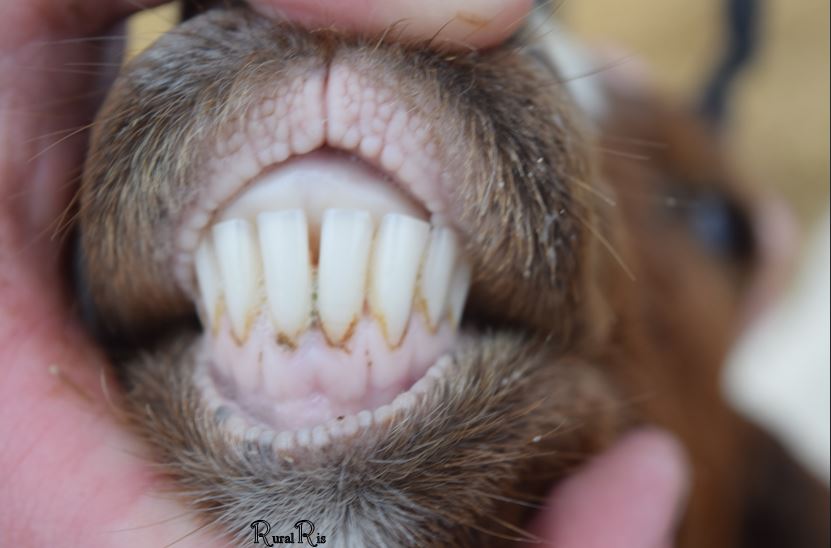
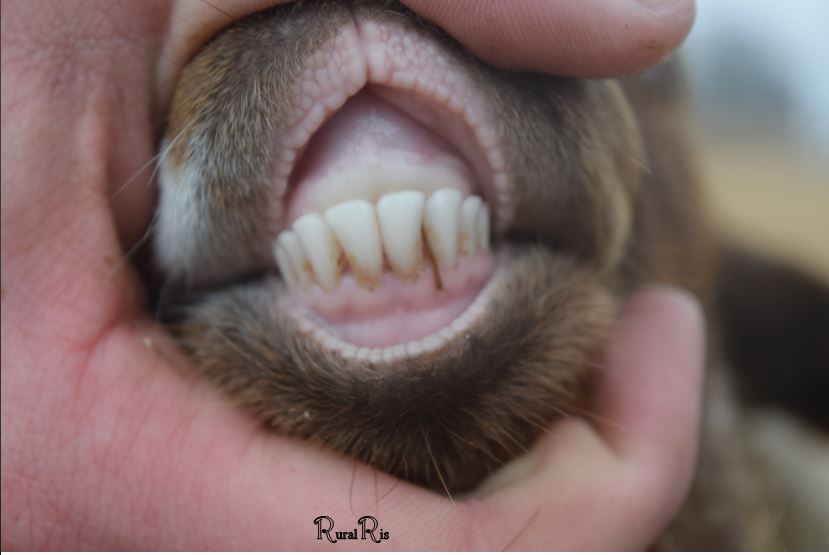
BEa teethWhat does this picture say? Would you believe those teeth tell a tale? Well, they do.

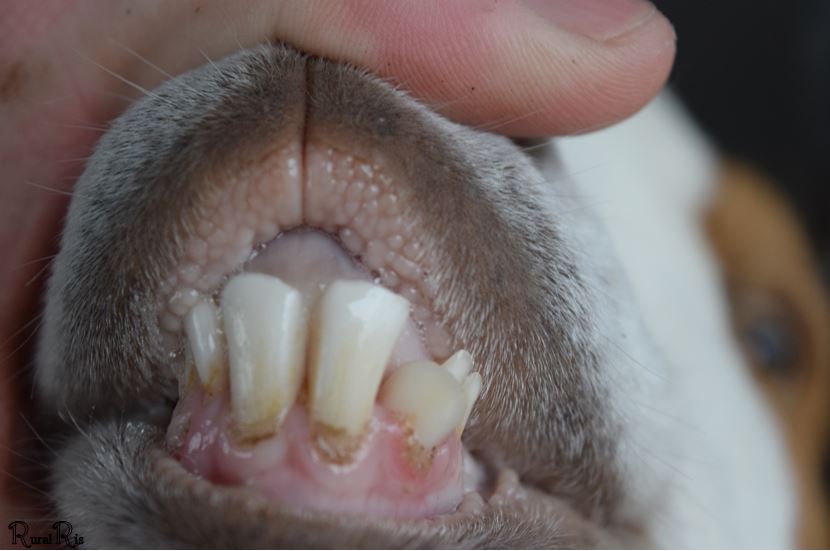
Goats have eight incisors on their bottom jaw. With those eight teeth, we can generally determine how old the goat is. Just like humans lose teeth as they get older, so do goats, except they don’t have a goat tooth fairy. The picture above is of a goat that is over four years old. She has lost all her teeth and grown large ones. If a goat gets past eight years old, the teeth will look worn. The photo below is of Lulu, who is getting close to nine years old. You can see the start of wear on her teeth compared to the four year old goat in the first picture. There is more gaps and her teeth are narrower.

lulu tetth

They will lose their first pair of teeth after turning one year old, and a pair each year after that. The first two teeth to go are the middle pair. This next goat lost her first set of teeth in October. She is already working on her second pair. They aren’t quite all the way in.

lady teeth

And this little guy hasn’t lost any yet:

bulelt teeth

His teeth are smaller and all the same size.

Why is this important?

Although we keep records of when our goats were born and know how old they are, sometimes we buy goats from sales that do not give us records. We can look at their teeth to see how old they are and whether or not they are too old to breed. We also have to know how old a goat is for showing purposes. We are not allowed to show goats over a year old except at the state fair. At many shows, officials will check the teeth of the goat to see if they are eligible or, when at the state fair, if they are in the right class. We have had to change classes at the state fair a few times when the goat was late losing their teeth or lost them early. Silly goats.


Your turn!!

We’ve covered what different ages looks like. Now it is your turn to give it a try. How old do you think this goat is? Comment below with your answers.

Capture

Happy Farm Fact Filled Fridays!

A World Without Ag Wednesdays: I want a steak

I just got out of class–6 hours of class. A lot, I know. After that much lecturing, discussions, and brain power, all I really want is a steak. Yes, it is past 9 o’clock pm and I want a steak. If you are around me much, you will quickly learn that I always crave steak or chicken wings. Tonight is a steak night, though. Sadly, all I have is pretzels and peanuts. Anyways, since my taste buds are not able to enjoy in the deliciousness of steak, I figured I’d feature steak on today’s “World Without Ag Wednesdays.” So, here goes. I’m not sure how wise this is considering the degree I want a steak right now.

Where does a steak come from?

Let’s ask the obvious question right? Well, it comes from a cow. The less obvious question is where from the cow does it come from? Well, it depends what kind of steak you want–sirloin, rib-eye, T-bone, filet mignon, etc. Here is a nifty diagram for you to get an idea:

imageJust because it all comes from a cow, does not mean that all steaks are equal. There are few things that make them different.

What makes a good steak?

There are three key things that effect how good a steak is besides how it is cooked–marbling, muscle groups, and quality grades.

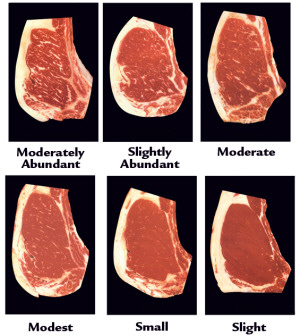
Marbling–

Marbling is the internal fat in a steak. The more fat in the steak means it will be more flavorful; however, if there is too much fat it gets pretty gross.

marblingMuscle groups–

Depending on the location that the steak comes from, it has an effect on the tenderness of the meat. For example, a filet mignon comes from the tenderloin which is used less strenuously by the cow than say a leg muscle which is more fibrous. This is why cuts from the rump like the round steak are far less favorable and are typically ground for processed meats. Muscles like the loin provide a more tender cut of meat.

More than the degree that the muscle is used, the way muscle groups tie into each other also have an effect. So, a sirloin is a steak that is made up of many different ends of muscles. If you look back at the cuts diagram above, you can see that the sirloin comes at the end of the loin muscle and connects to other muscles in the hip. In this way, it is far less favorable because it is not as neat and tidy as say a T-bone, which is only two muscles.

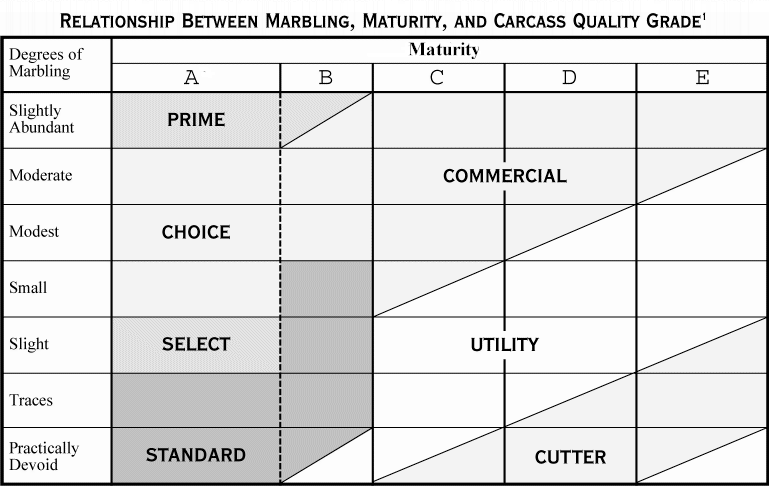
Quality grades–

The USDA (United States Department of Agriculture) sets standards for what quality of beef can be made into steaks. They have come up with the following system that includes eight quality grades (prime, choice, select, standard, commercial, utility, cutter, and canner) and five maturity grades (A,B,C,D,E).  The maturity grades represent the following age groups:

  • A- 9 to 30 Months
  • B – 30 to 42 Months
  • C – 42 to 72 Months
  • D – 72 to 96 Months
  • E – More Than 96 Months

Only A and B maturity grades can be used for steaks. It is a pretty strenuous process, and I didn’t even mention yield grades.


maturity_chart

So, there you go. That is a little steak trivia for you. I would include how to cook a steak and a recipe, but I’m afraid that is going to be too much for me. Oh goodness, I can just smell it now… I’m so very thankful for the cattle business, a $49.5 billion industry. If only they did steak delivery.


Sources:

http://www.thecattlesite.com/articles/1279/beef-grades

http://www.bovineengineering.com/quality_grades.html

http://www.ers.usda.gov/topics/animal-products/cattle-beef/statistics-information.aspx

Bringing Home the Bacon

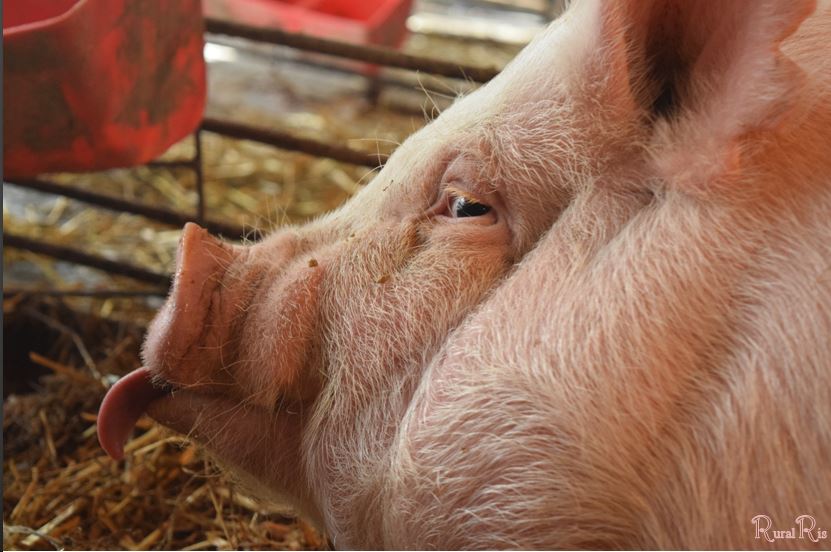
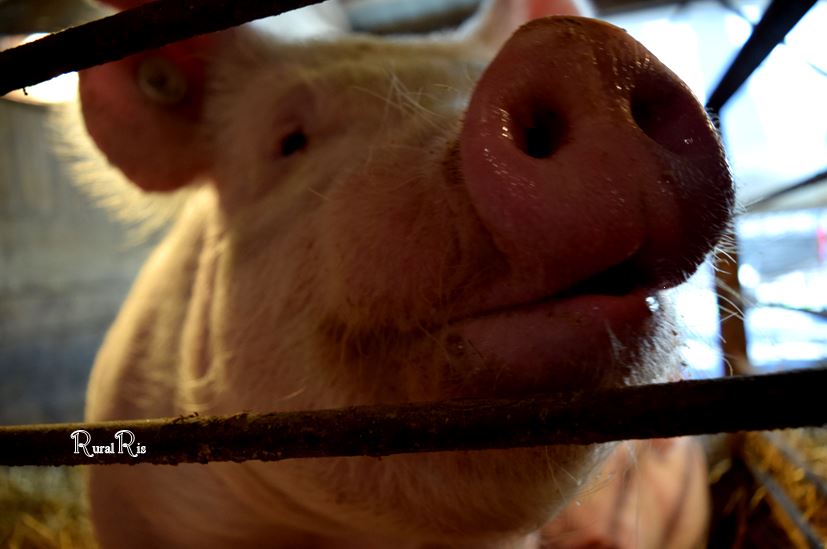
The highly anticipated show pigs are officially here!! I get extra excited about getting pigs, because, well they may be my favorite. Shhhh… don’t tell the others. I hate to play favorites, so I’ll just say I like them A LOT! They are, however, my favorite animal to photograph. They have such personality and are always doing something goofy. Check out this girl:

pig tongue

I told you they are hams (pun intended), but before I show you more of the photo shoot I had with the little porkers, I wanted to share with you the behind the scenes of bringing home the bacon.

A house that won’t blow down

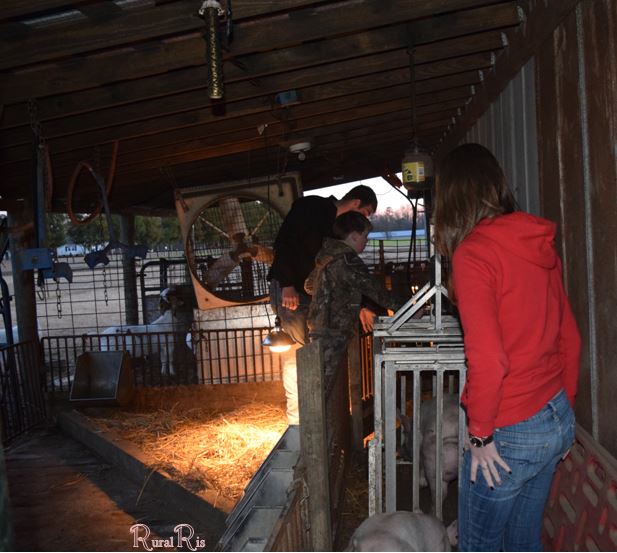
When we first started showing pigs, we kept them in a dirt lot with a shelter. While this may sound like the perfect habitat for pigs, it really wasn’t. They rooted up the entire pen, creating craters that were begging for a twisted ankle. The pigs would get sunburnt from laying around, and it was a huge mess. So now, our pigs are kept on a concrete floor under a shelter. They have a bedding box, heat lamps for the cold, and a fan for the heat. Unfortunately, concrete floors mean we have to clean the poop everyday, but it is loads better than what we had before.

Before we could bring the pigs home, we had to clean and scrub the pen (sheep had been occupying it for a few months). We laid down fresh bedding and even built a new “wall”. By wall, I mean we put up a fabulous tarp to break the wind during the winter.

I’m pretty sure our toes and hands were frozen by the end of it, but it looked great. We had a house that wouldn’t blow down or be blown into.

What makes the bacon?

Of course, pigs don’t grow off of air. They have to have pig food. We get ours from a local mill that blends a special mixture of corn, vitamins, minerals, soybean meal, and more together to make a delicious meal. Alec ran to the feed store to pick up the sustenance for the pigs.

fee

This little piggy went wee, wee all the way home…

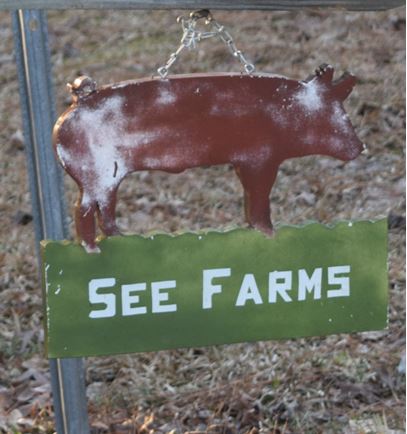
Today was the day to pick up the pigs. Ahhhh!! I had already picked out the two pigs we were getting at a previous farm visit (if I don’t pick them out ahead of time, I have been known to take over an hour to pick one out). See Farms is about an hour from our house, and we have been getting pigs from them for about two years. We have typically had great success with them including two champion titles and a first place at NC State Fair. It helps that they are nice folks and live close by. All three of my brothers and I piled in the truck with trailer in tow to head to Raleigh, NC.

bros

Once there, the Sees showed us the pigs as well as the new litter of pigs they had. They were gracious enough to let me snap a bunch of photos of all the pigs. I was able to capture some good ones like these:

pig


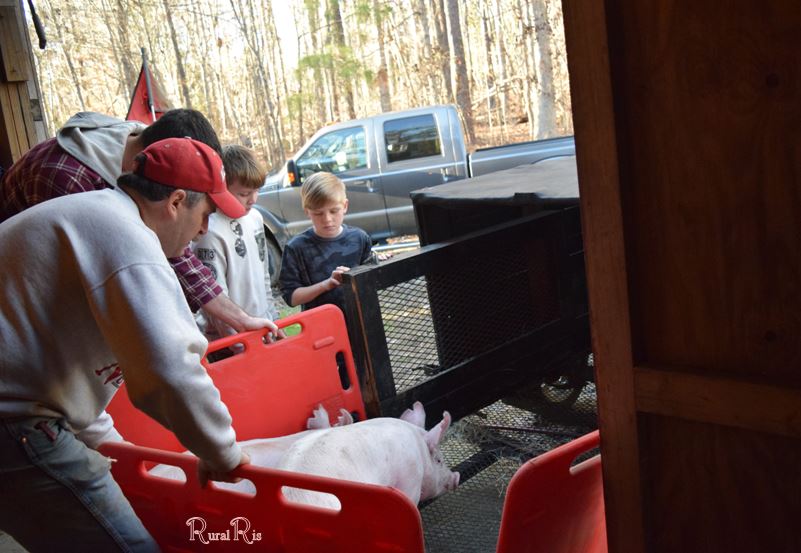
baby piggiesLoading the pigs up into the trailer went pretty smoothly. One of the pigs was super loud, grunting the whole time, but she didn’t give any problems.

loading

After loading them, I told Isaac that the money to pay for them was in the front seat of the truck. He ran to go get it and returned, handing the money to me. I told him, “Oh no. That isn’t for me. Give it to the Sees.” You know, teaching them young about business transactions (really, I think it just teaches them the sting of dropping a chunk of money).

The boys decided to name their two gilts (girl pig) Halo and Miss Bacon. When we arrived home, we unloaded them and ran them through the scales to determine their weight. In case you are curious they were 145 and 110 pounds.

weigh

We then let them into the pen, to which they explored contentedly. I commenced partaking in another photo shoot.

Bringing home the bacon is a little more than just picking up pigs. It includes tarps, frozen fingers, feed runs, photo shoots, and some money. It is all most definitely worth it! A big thanks to See Farms for these beautiful girls!

see farms


Chewing Cud and Ruminating

Have you ever wondered what’s up with cows chewing their cud? What is that stuff and why do they do it? Maybe you don’t even know what I’m talking about. That is perfectly ok because we are about to cover cud and more.

Cud Chewing
Cud Chewing

Let’s start with the fact that cows are ruminant animals, along with  goats, sheep, and deer. A ruminant animal means they have 4 compartments to their stomach. They don’t have 4 stomachs, but rather it is 4 rooms that make up one stomach. Each “room” has its own special job and name. Before getting to that, let’s first go to the beginning–the mouth.

Photo Cred: UKAg, Agripedia

Ruminants do not have upper incisors, only lower. These are for plucking food. They do have pretty sharp upper and lower molars, though that grinds their food. These teeth are most useful the second time around. I realize that sounds really strange, but ruminants mostly swallow their food whole. They will regurgitate it to chew it again. I’m getting ahead of myself, though.

So, the cow has swallowed the hay. The food travels through the esophagus and hits the first compartment of the stomach–the rumen.

Rumen

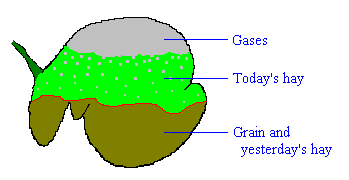
This is the largest part of the stomach (holding 4-6 gallons)  and is responsible for a lot of fermentation. Over 50-65% of starch and soluble sugars are absorbed here. Bacteria break down the food and cause carbon monoxide, methane, and hydrogen sulfide to form.

Photo Cred: Colorodo State

These gases build up which results in, well, a belch. More than a belch, though, it is the process of regurgitating the food to re-chew it. Yumm, seconds! Animals chew their cud many hours a day, usually when the animal is resting. Ever heard of the phrase “I’m just ruminating (thinking)?” After breaking down the food even more by chewing the cud, the animal swallows and the food goes into the reticulum.

Reticulum

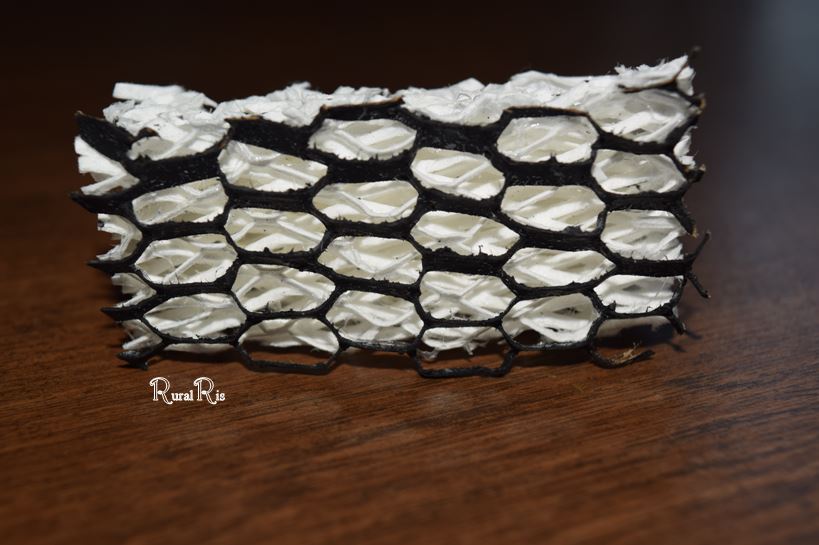
Separated from the rumen by a flap of tissue, this part of the stomach looks like a honeycomb and works like a water filter to catch foreign objects that cannot be digested. filterBecause it catches things like metal or nails, it is often called the hardware stomach. These objects can puncture the reticulum and make its way to the heart causing hardware disease. Hopefully the animal just doesn’t eat “junk” food.

Omasum

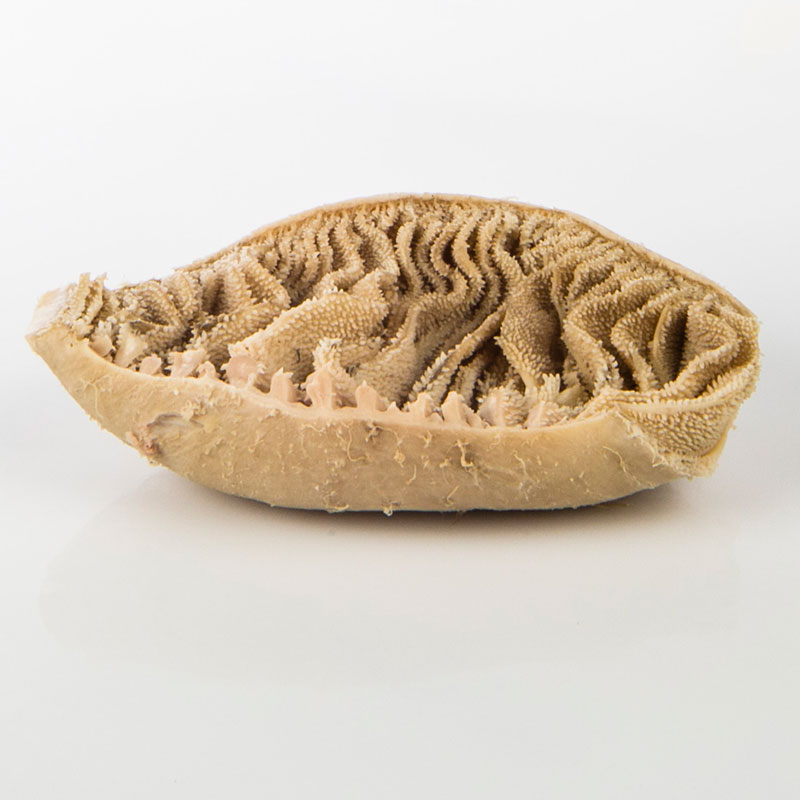
After being sloshed around in the rumen and reticulum, it moves to the omasum. Here, a lot of the water is absorbed. This is a pretty big job, considering that the food that enters, is 90-95% water. The omasum is also called the butchers bible because it looks like it has a lot of pages.

Photo Cred: ABP
Photo Cred: ABP

These pages create more surface are a to absorb the water before heading into the final chamber.

Abomasum

Welcome to the true stomach! The part of the stomach is most like humans, where hydrochloric acid breaks down the rest of the food. There are chief cells on the walls of the abomasum that secrete mucous to protect it from acid damage.

After the abomasum, food travels through the intestines and ends up in little balls of poop (sorry for the graphic mental image).

***

That, my friends, is why cows and other animals chew their cud. They are ruminant animals. Ruminants don’t start chewing their cud until a few weeks or months after they are born. Young ruminants have an esophageal groove that shoots milk straight to the omasum and abomasum. They can get their nutrients in a hurry that way. When they do start chewing cud, I don’t recommend getting cud on you or being near their faces when they burp. It is really gross and stinky.


Sources:

http://www.thebeefsite.com/articles/2095/understanding-the-ruminant-animals-digestive-system

http://www.vivo.colostate.edu/hbooks/pathphys/digestion/herbivores/rumination.html

http://www.abpoffal.com/products/beef/omasum/

A World Without Ag Wednesdays: Marshmallows
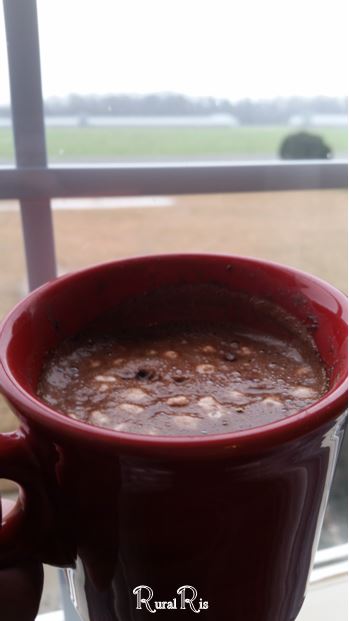
Of all of the byproducts that pigs and other animals give us, I think marshmallows are one of the most fun. I mean, they are squishy, delicious, and a necessity in hot chocolate and at campouts. I decided to write a poem for this week’s World Without Ag Wednesdays. I hope you enjoy!

Ode to Marshmallows

Oh marshmallow, oh so white,

Although now, you come in colors so bright.

You’re fluffy and sticky,

But definitely not icky.

Made from pig byproducts like gelatin.

Some people say, “oh what a sin!”

How can they, though,

When your attendance is imperative in the campfire glow?

This brings me to your relationship with chocolate and grahams.

Wow! That combo is a grand slam.

Your glory doesn’t stop there.

You and hot chocolate are quite a pair.

Pigs love you as a treat,

That’s how we get them ready to compete.

Mini, or jumbo–we love all of them.

Thanks to pigs and ag we have the marshmallow gem.

hot chocolate

I also wanted to share this fun video. I hope everyone knows that this is NOT how we get marshmallows. It is simply a humorous video 🙂


Football, Testosterone, and Sinful Dip

football
Note: the chocolate syrup had nothing to do with what we were eating and everything to do with Gideon wanting chocolate milk 🙂

Sandwiched between all the boys in the house (so much testosterone), I, like many others, watched the Oregon vs. Ohio game last night. It was a great game, and quite honestly, I wouldn’t have minded either team winning; however, I decided at the start of the game, I should pick a side. I became a Buckeye fan for the night. This was a smart move on my part since they won. Hurrah!

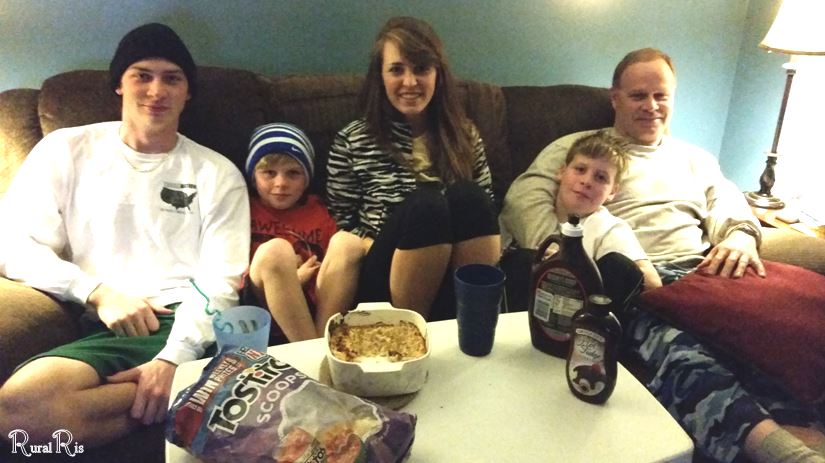
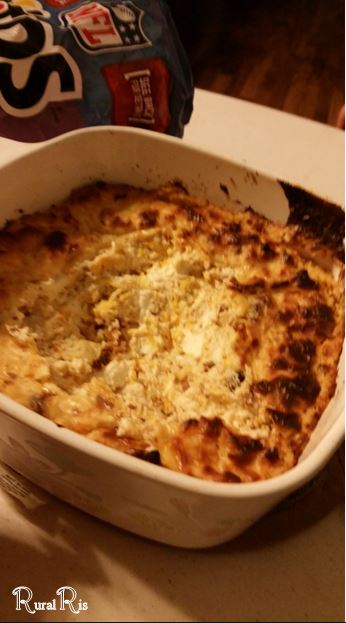
Now, I must confess a few things–1) I love a good game of football, but I like the food better. There, I said it. 75% of why I’m in it is for the food. Well, maybe 65%. I do enjoy the company, hype, and the game too.  2) I am forever craving wings. When I was in a dorm at Campbell University, I discovered that the campus convenient store (conveniently located beside my dorm) carried frozen hot wings. I’d take them back and microwave them. During exams, it and sweet tea were my go to stress relief. Because of my craving for wings, I am constantly looking for excuses to get them (do I really need to have an excuse? I should evaluate that…). The football game became a perfect excuse. So, we cooked wings. 3) My last confession is I LOVE Pinterest. Forget Google, I typically go straight to Pinterest. My brother Gideon has learned that if Risa is cooking, it is probably something new from Pinterest. He is normally dubious. Anyways, I wanted dip for last night in addition to the wings. Naturally, I consulted Pinterest. I found a recipe for Sinful Dip. It looked heavenly (is that an oxymoron?). It was easy to make and tasted so good. So good in fact, that I didn’t get a picture until part of it was devoured. Oops!

dip

You get the picture, though. I made a few changes to the original recipe like using bacon instead of ham (Yay for pork!). Personally, I think that was a no brainer. So, here is the sinful dip. I hope you enjoy!


ingredients


Sinful Dip

  • 16oz sour cream
  • 8oz cream cheese, softened
  • 2 cups shredded cheddar cheese
  • 1/2 cup of bacon bits
  • 1/4 tsp of hot sauce
  • 1 tsp of Worcestershire sauce
  • salt
  • pepper

Mix the ingredients together and place in a small casserole dish. Bake at 350 for 30-45 minutes. Serve with crackers or chips.