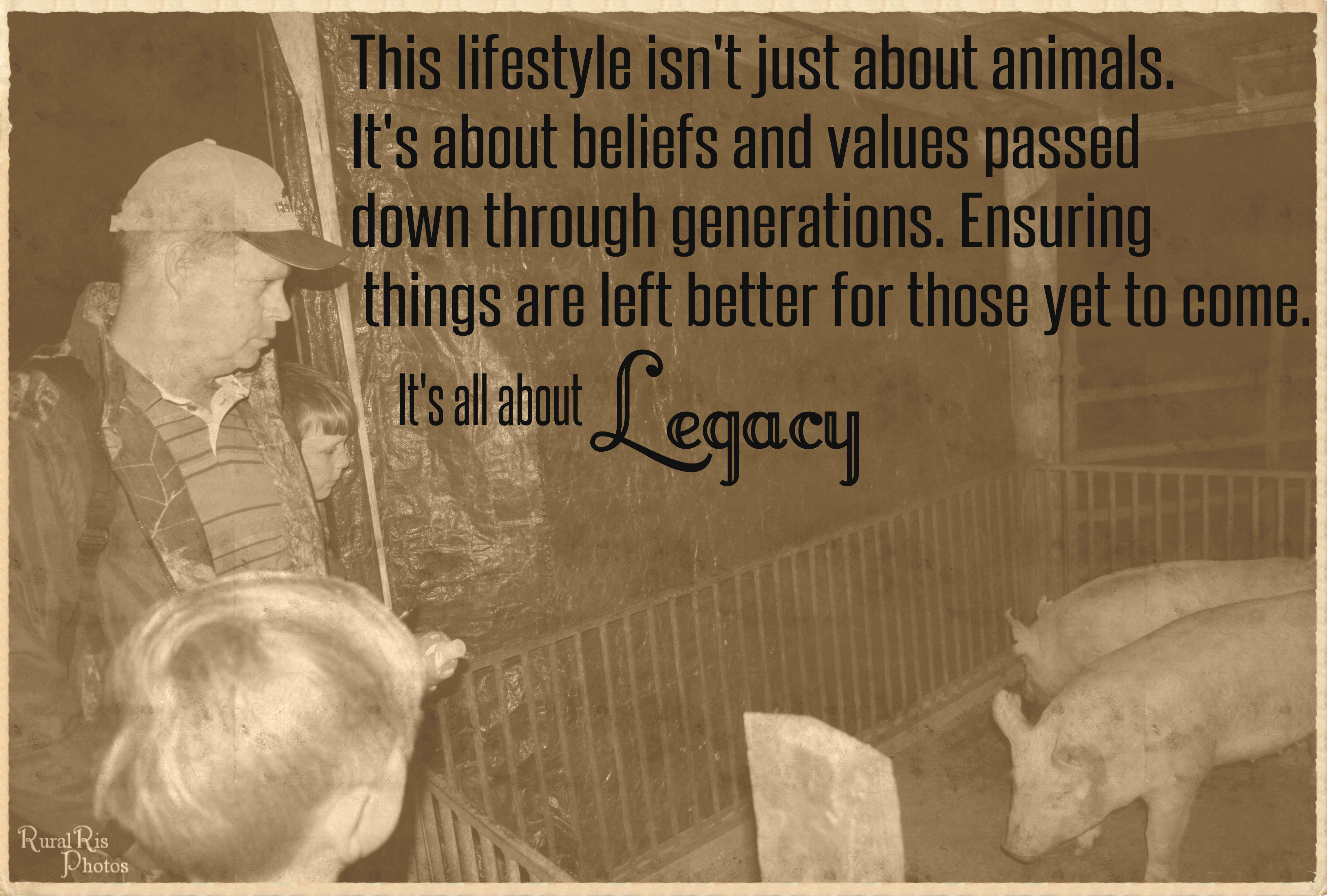
As I was flipping through photos, I was struck by what a great life farming provides. Sure it is hard work and dirty, but there is no better place to grow up in my opinion.
I always knew that I enjoyed the farm life, but wasn’t sure if I was an anomaly. There is a 12 and 13 year age gap between my youngest brothers and myself. This has allowed me to really take in what it is like growing up on a farm. I’m thoroughly convinced that we are incredibly blessed to live this life.
Recently, a woman visiting the farm mentioned that this was her daughter’s dream. I mulled that over. My reality was her dream. Wow! How lucky am I? How lucky are my brothers?
Living on a farm can be inconvenient, dirty, and hard. Going on vacation means finding someone to feed the stock. After a ball game on Saturday, we return to make fence repairs, medicate animals, or clean barns out. By a young age, we kids know and have experienced the miracle of life and the woes of death. Everyday is a go outside day (sometimes it is just a matter of how fast can we feed).
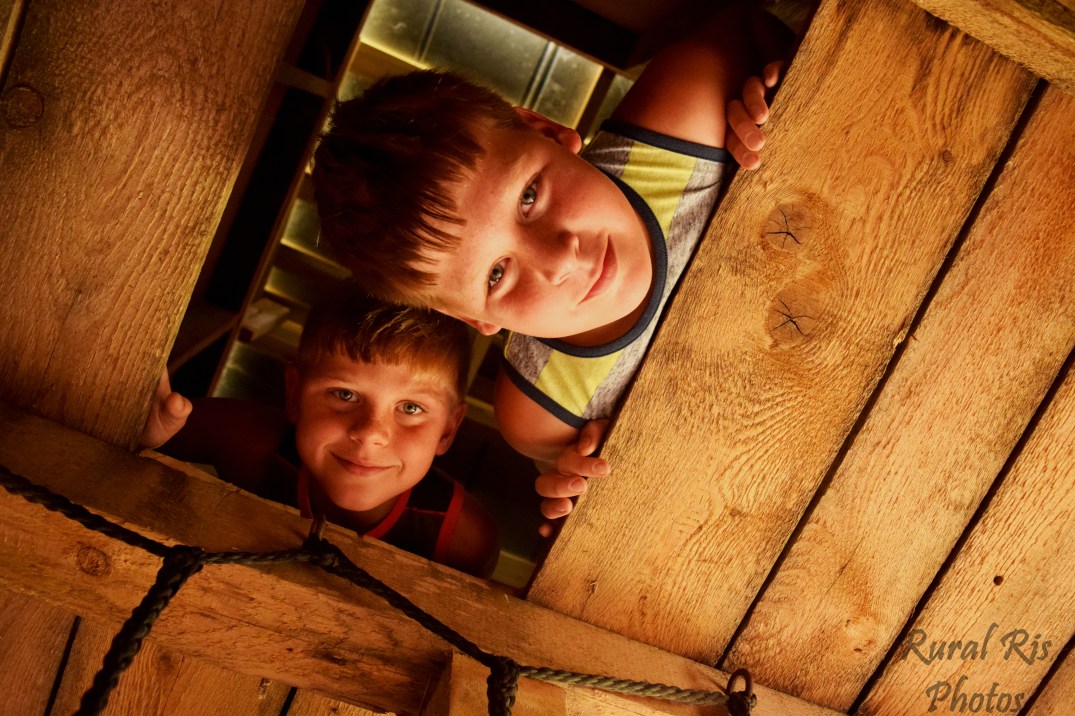
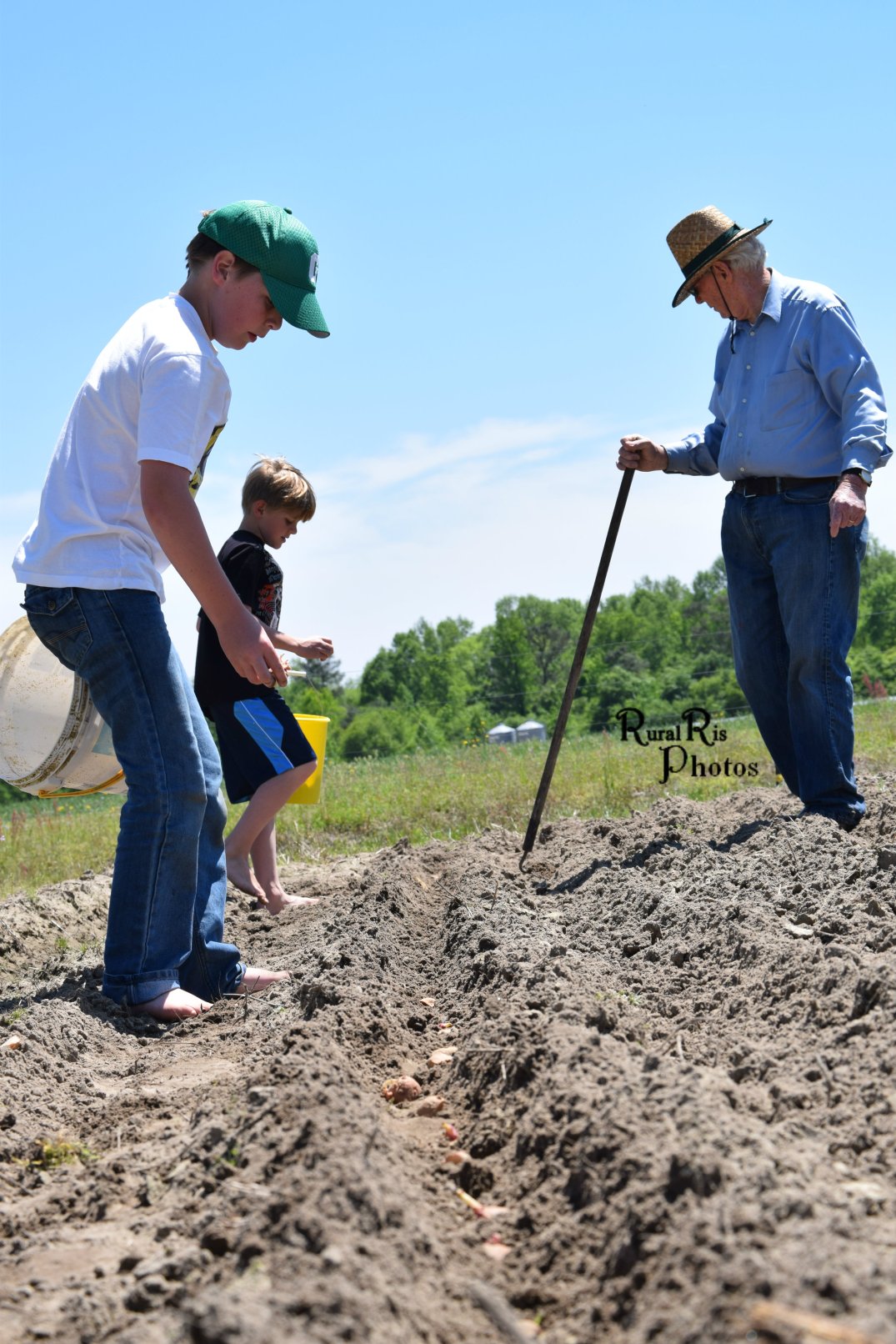
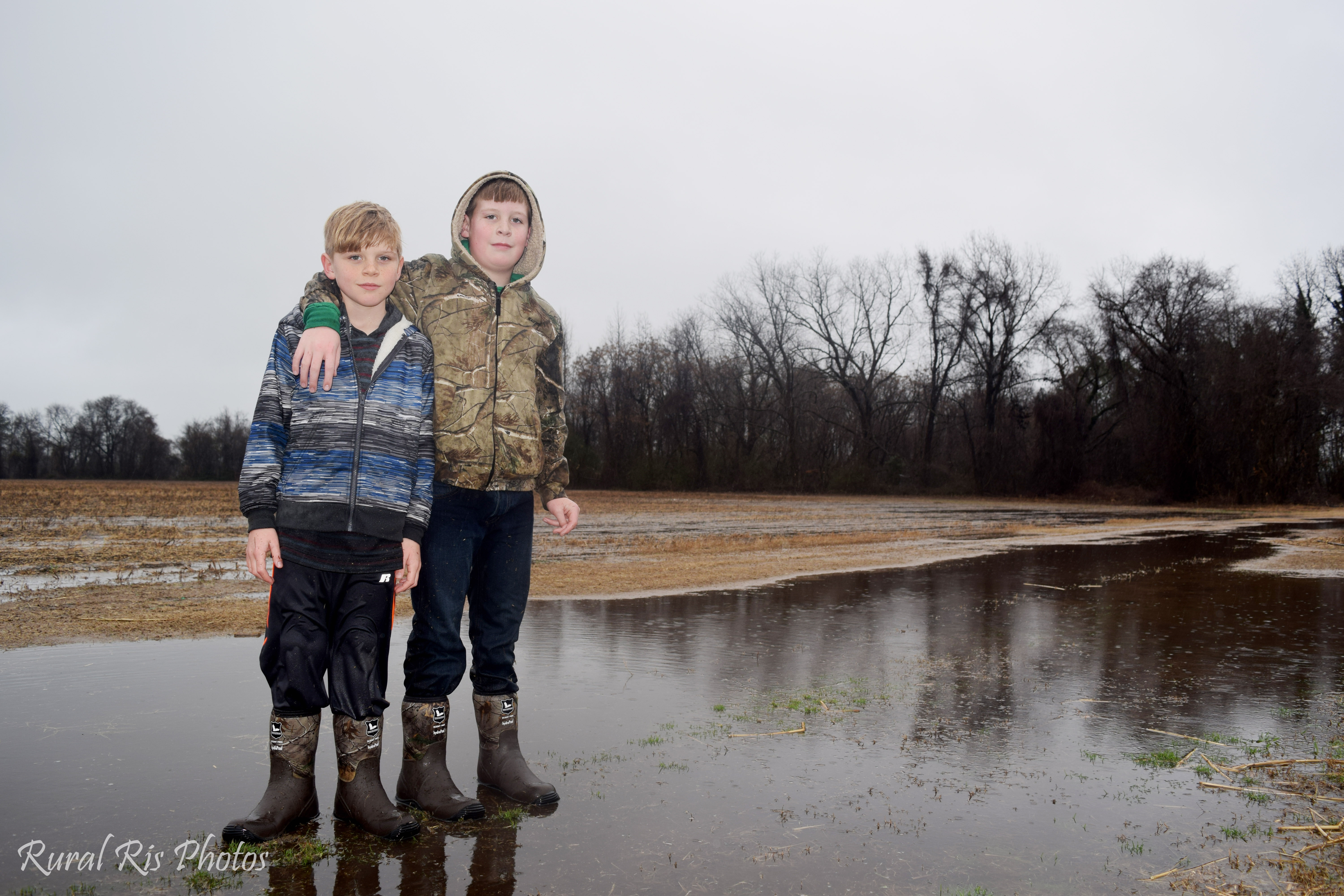
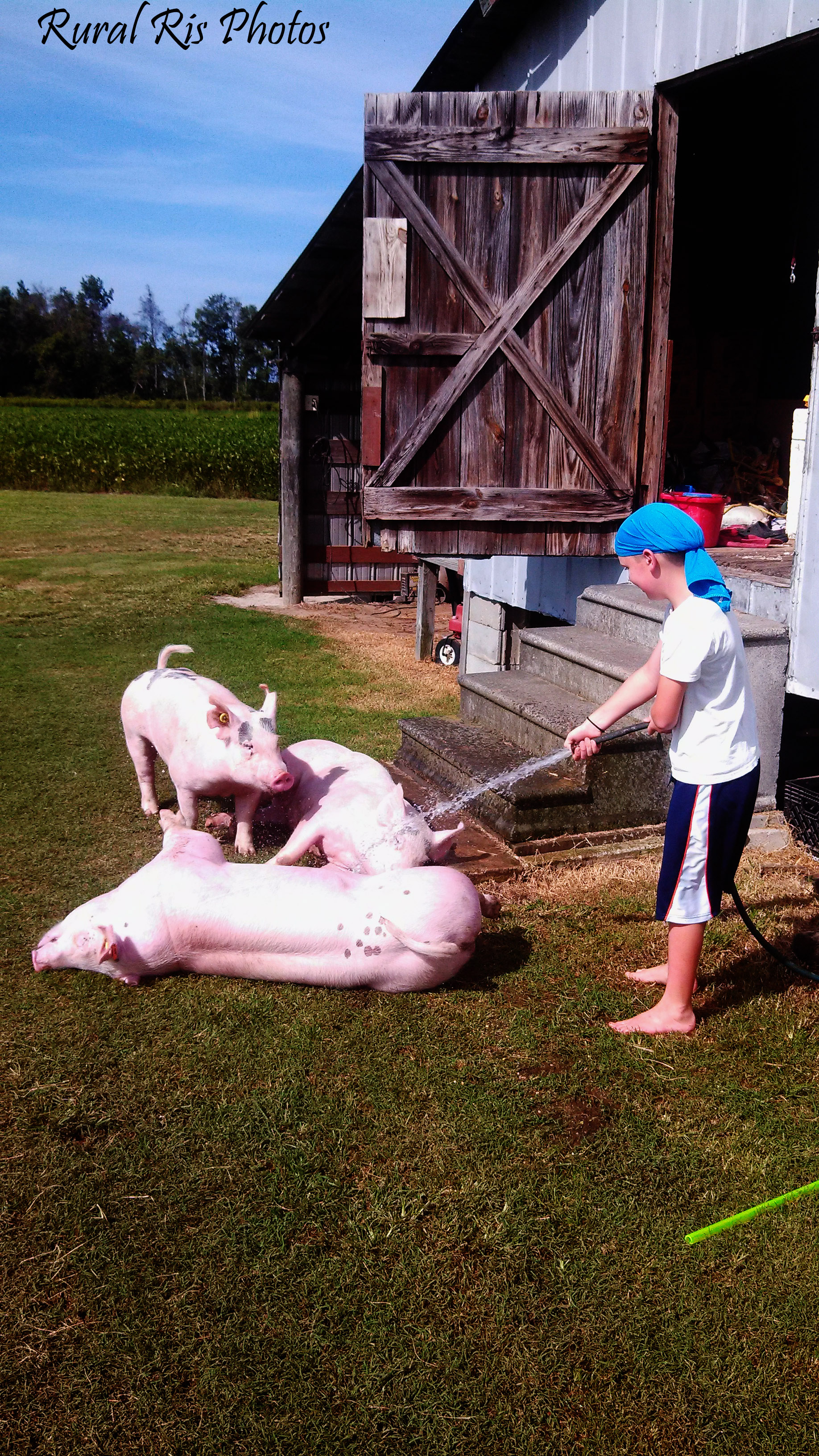
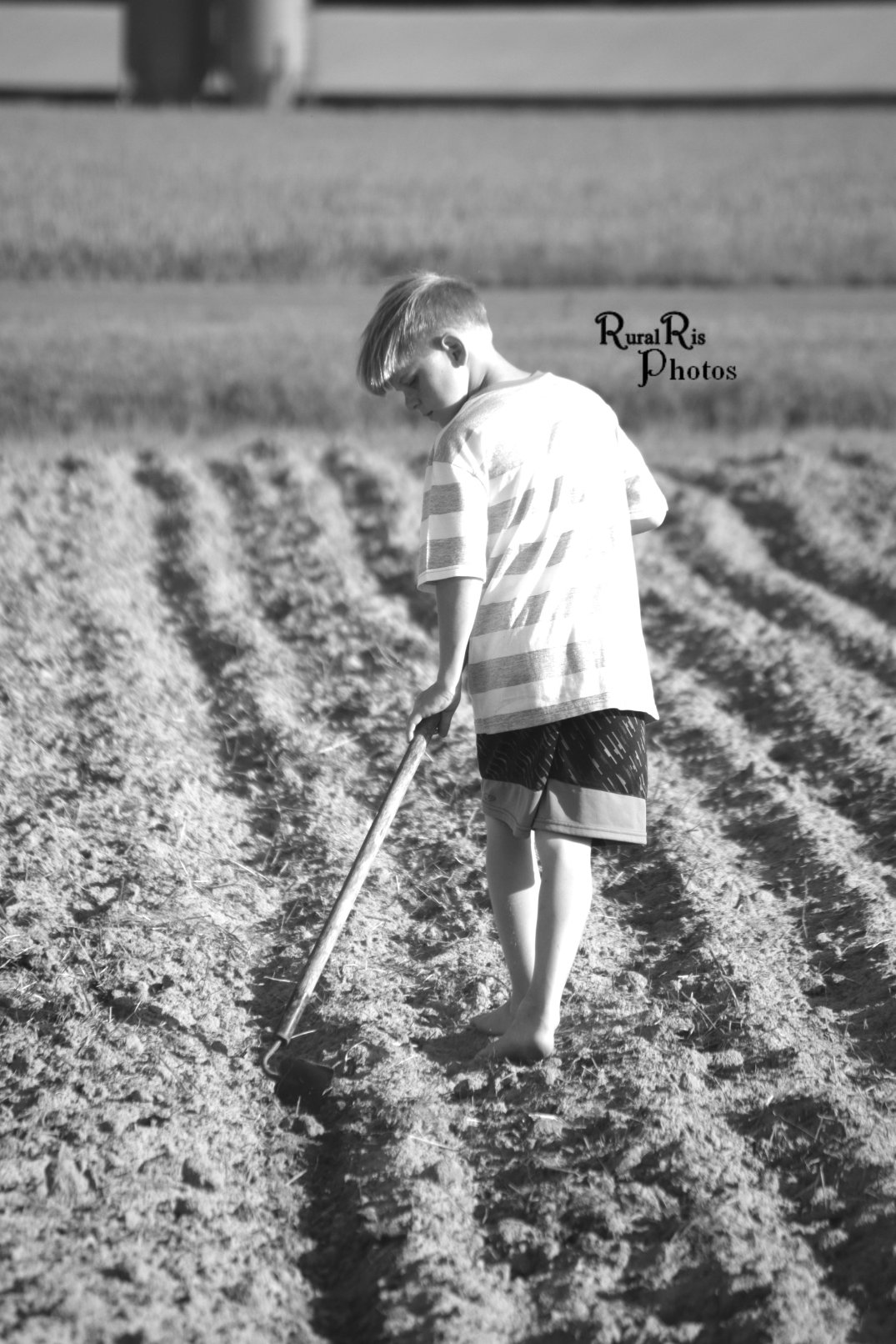
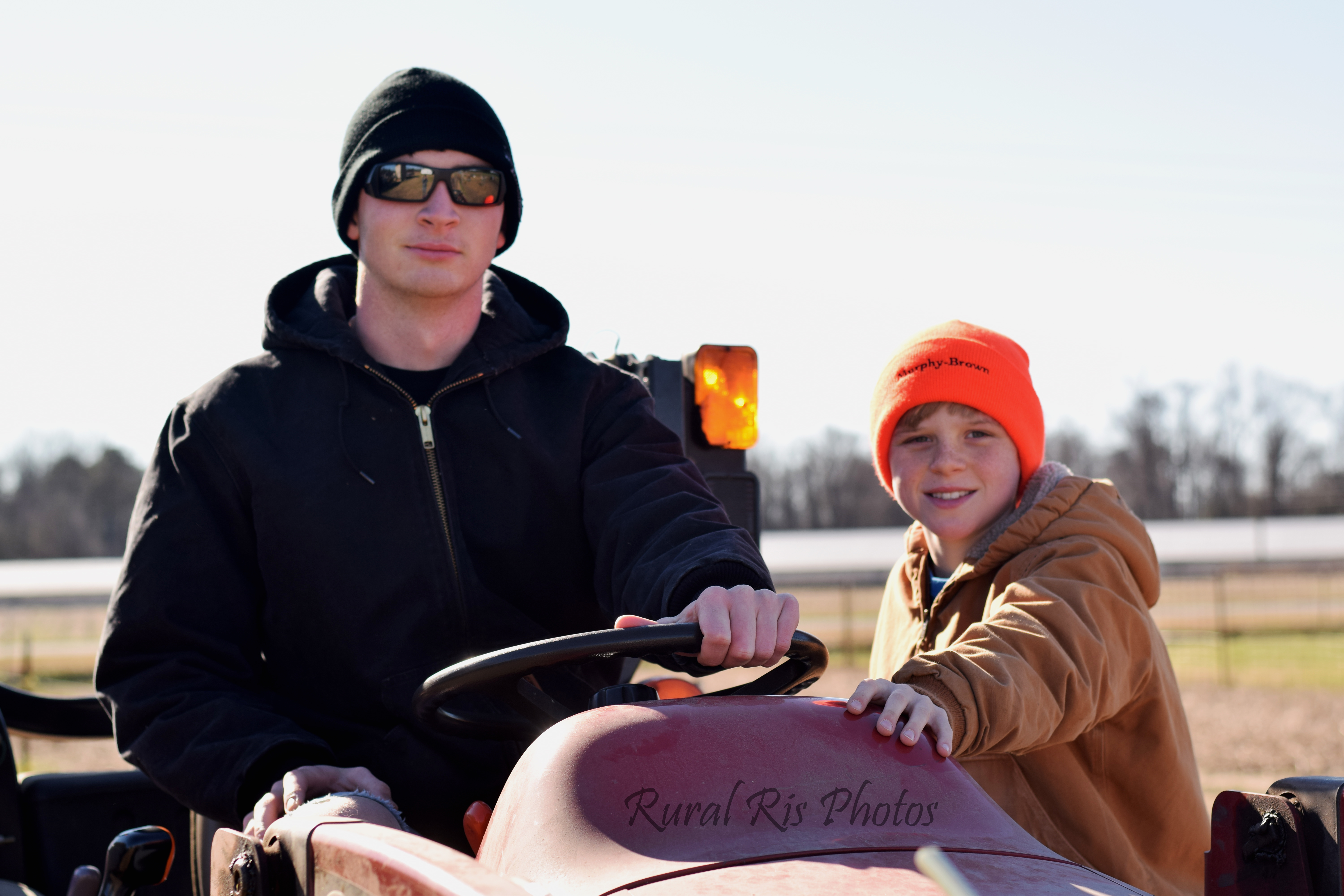
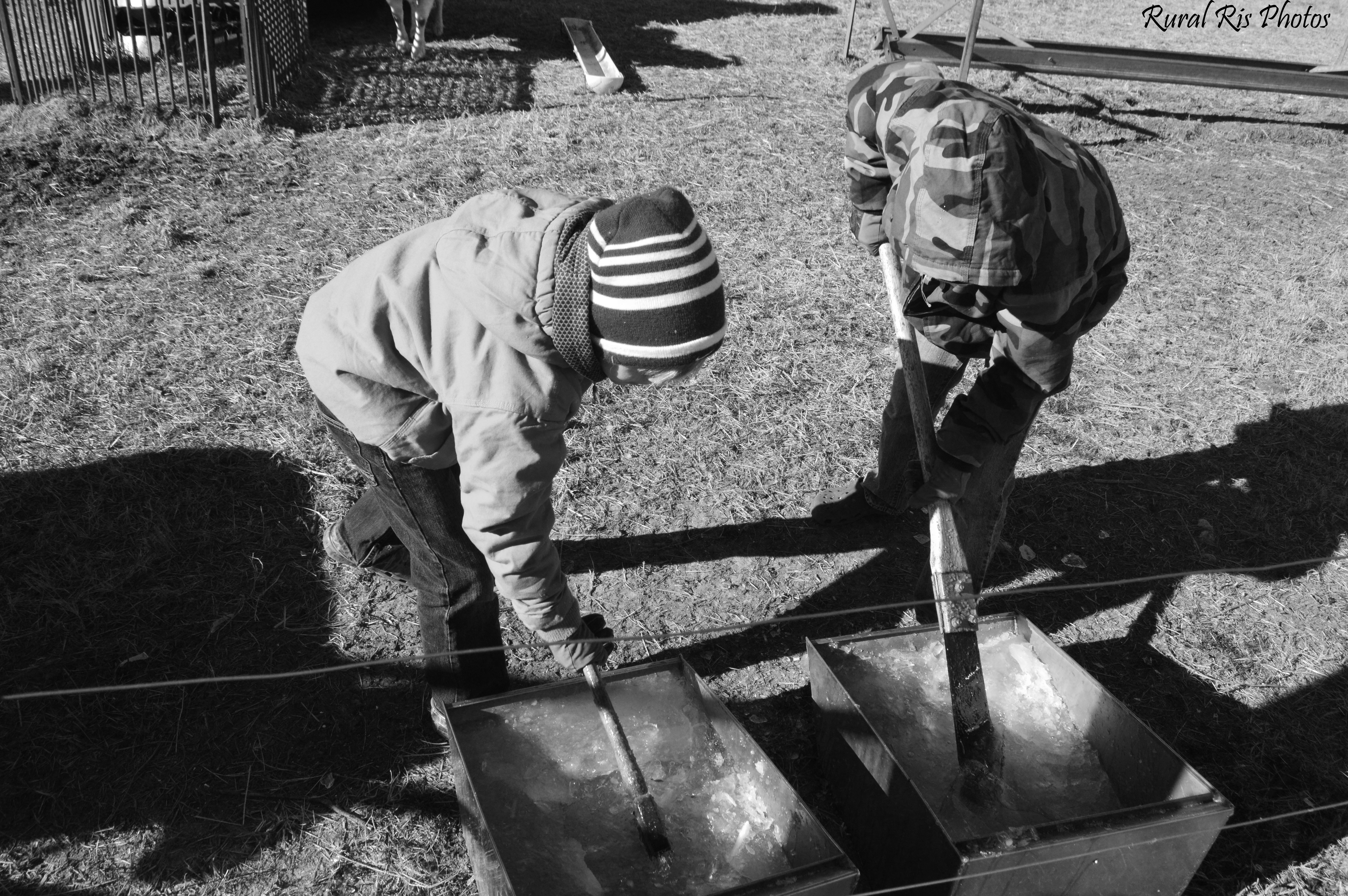
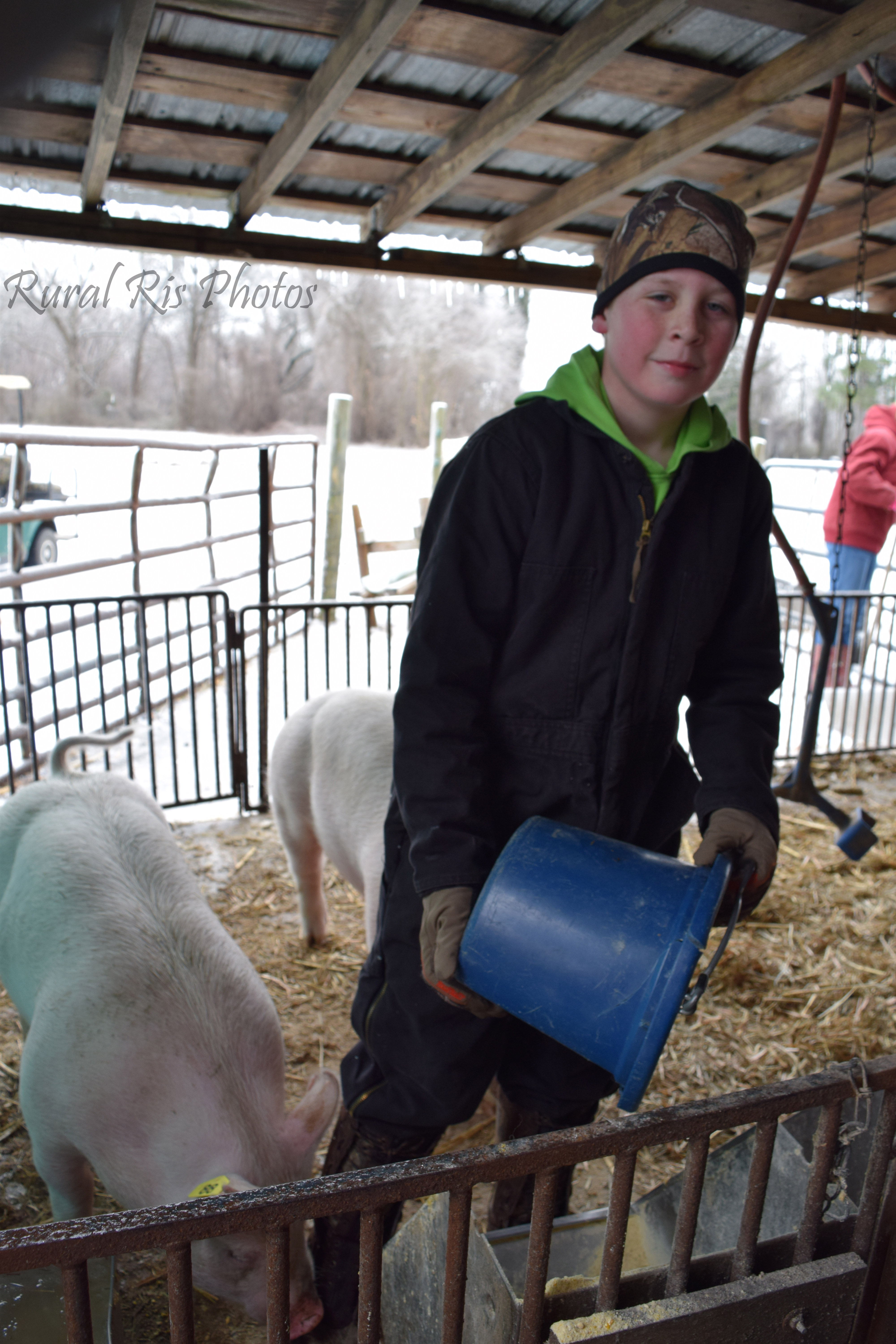
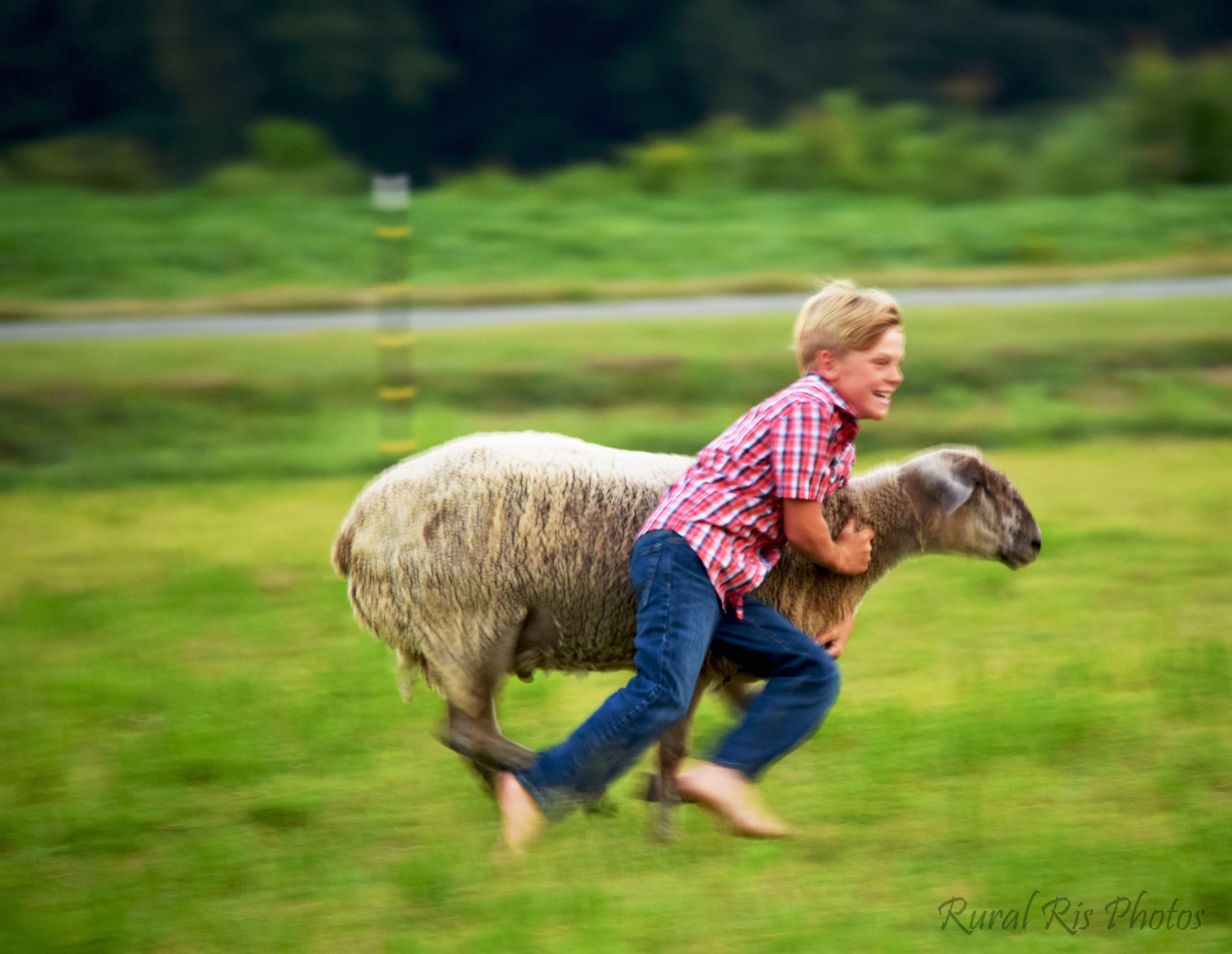
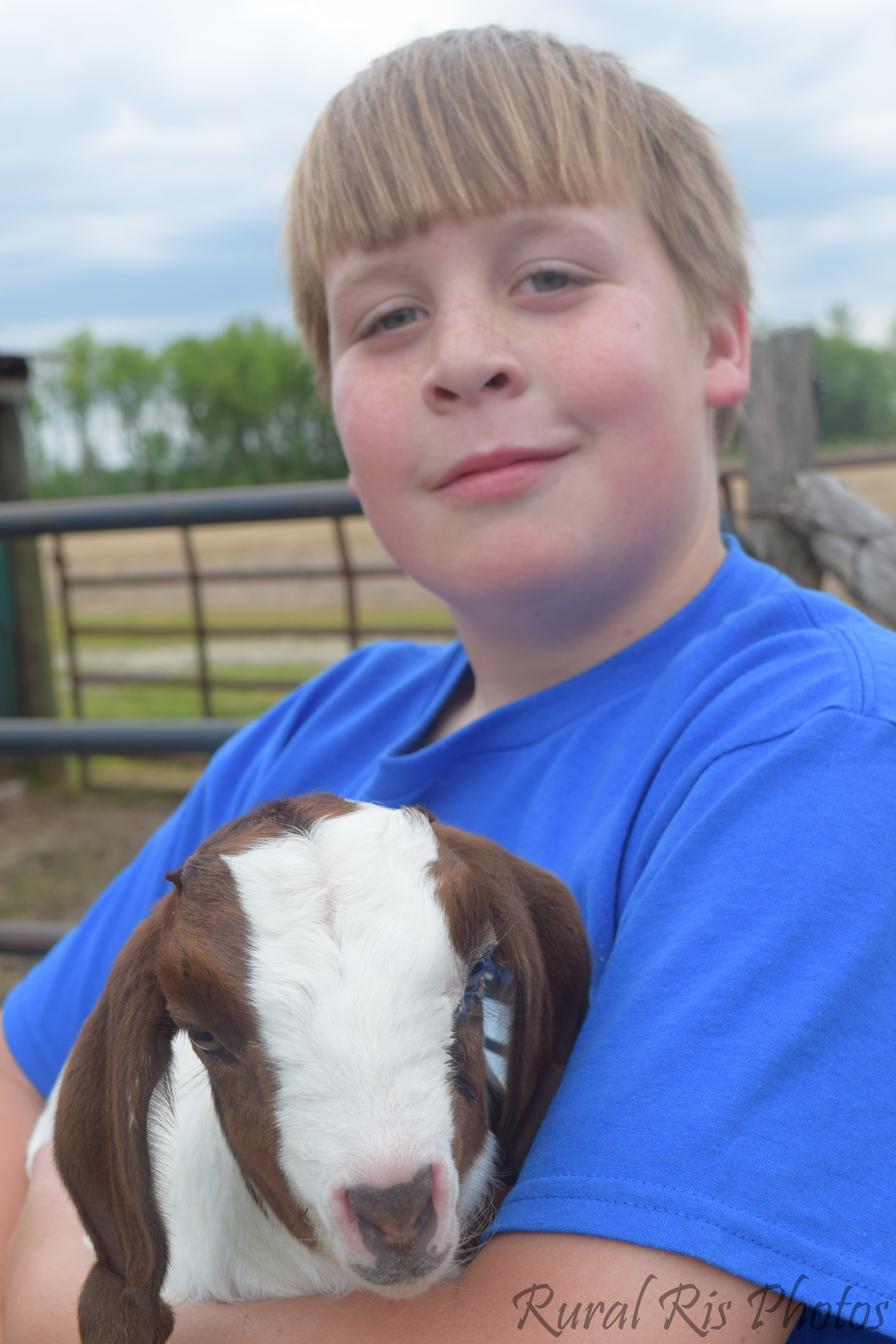
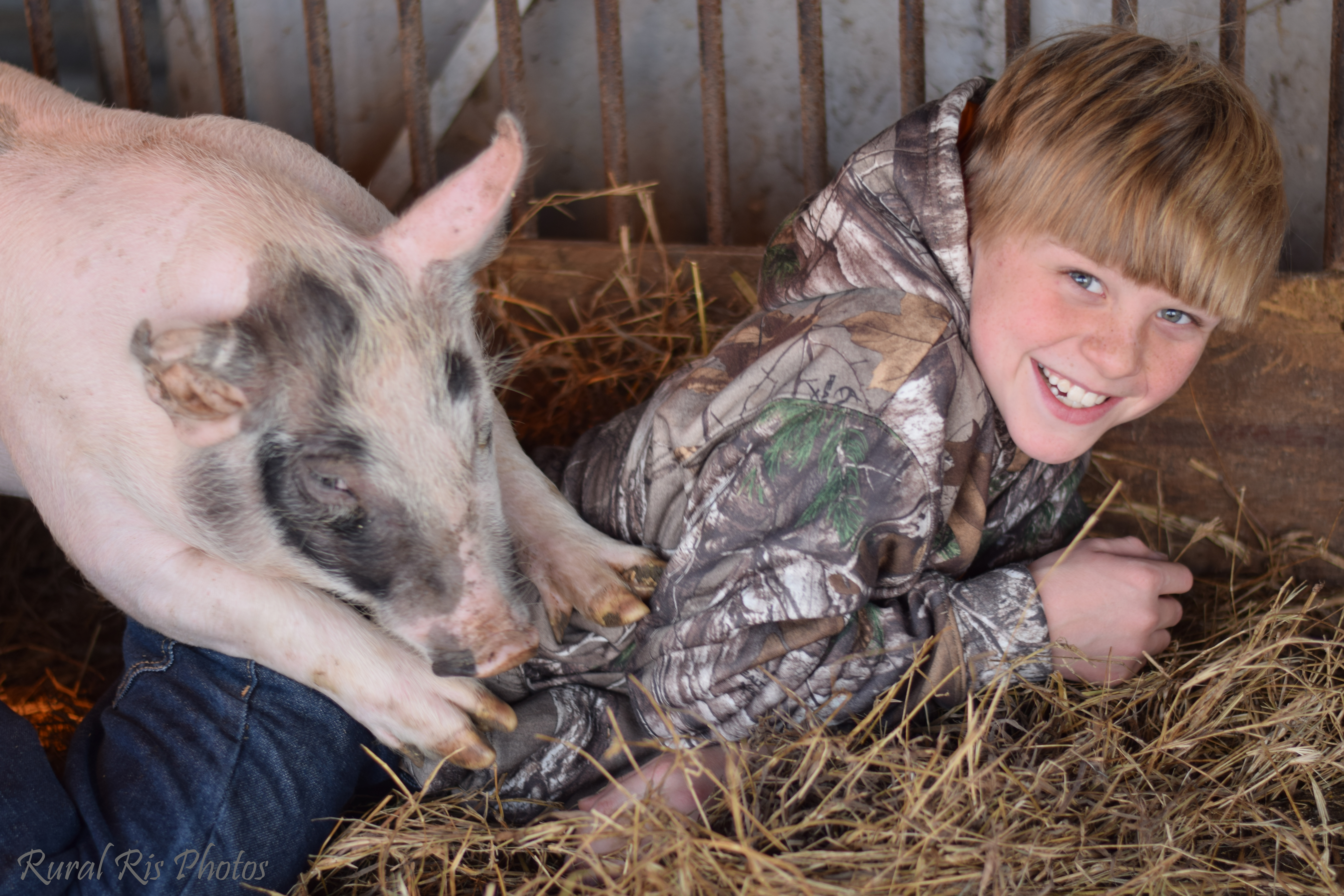
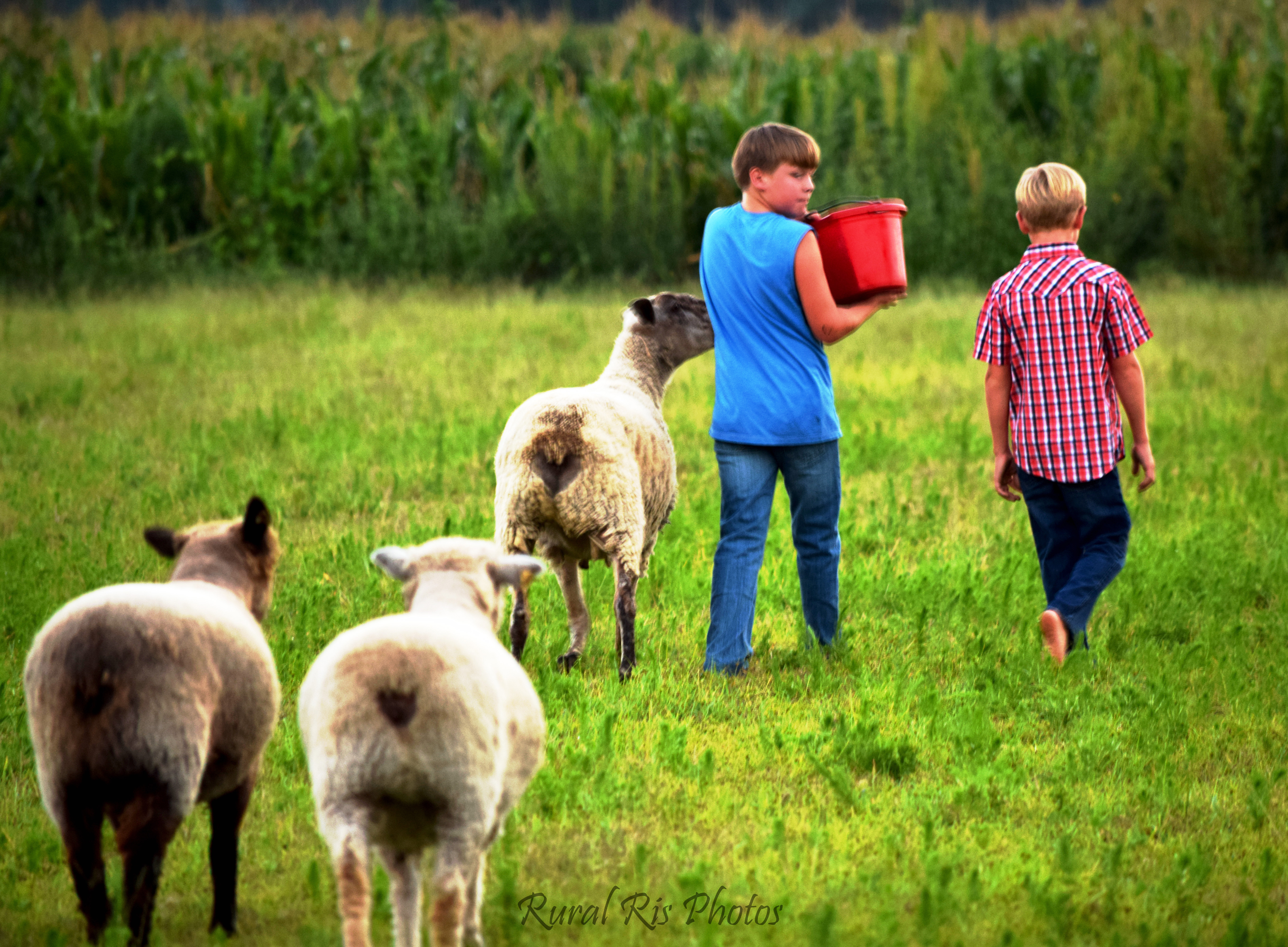
BUT, living on a farm is… well, just scroll through the photos. It is the life of my brothers. It is the life of farm boys.
Although yesterday was the first day of winter, here in North Carolina, it is a balmy 70 degrees and super wet(Santa, you might want to bring your swim suit). I have never seen a white Christmas. Well, there was that one time it snowed the day after Christmas, so I counted it, but still.
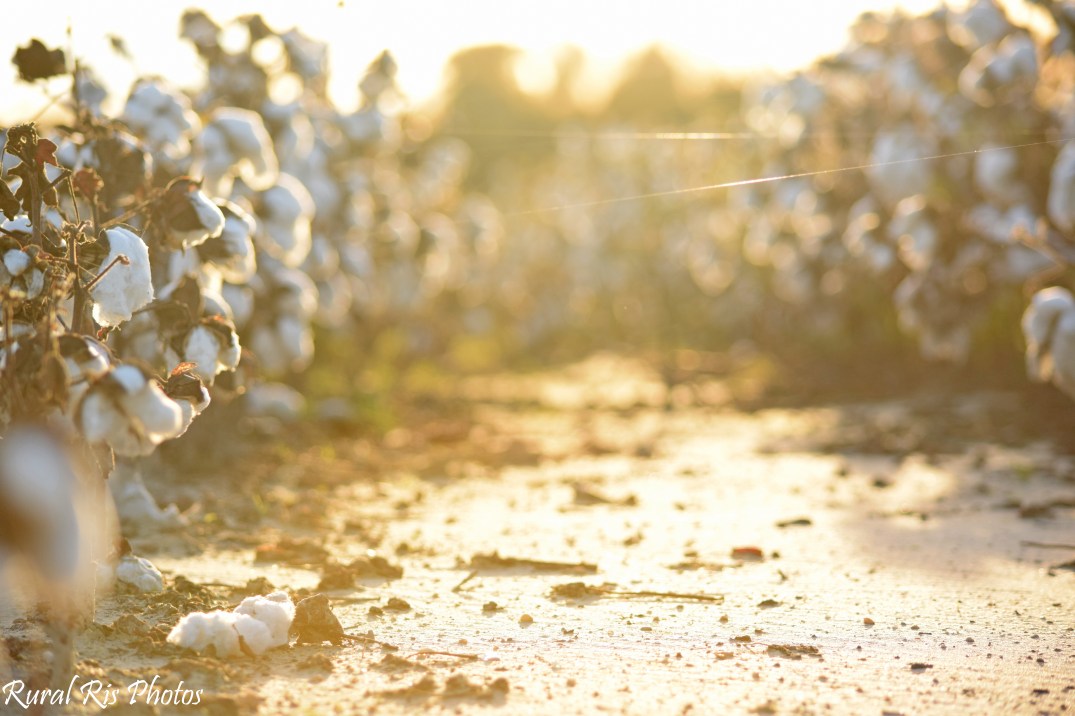
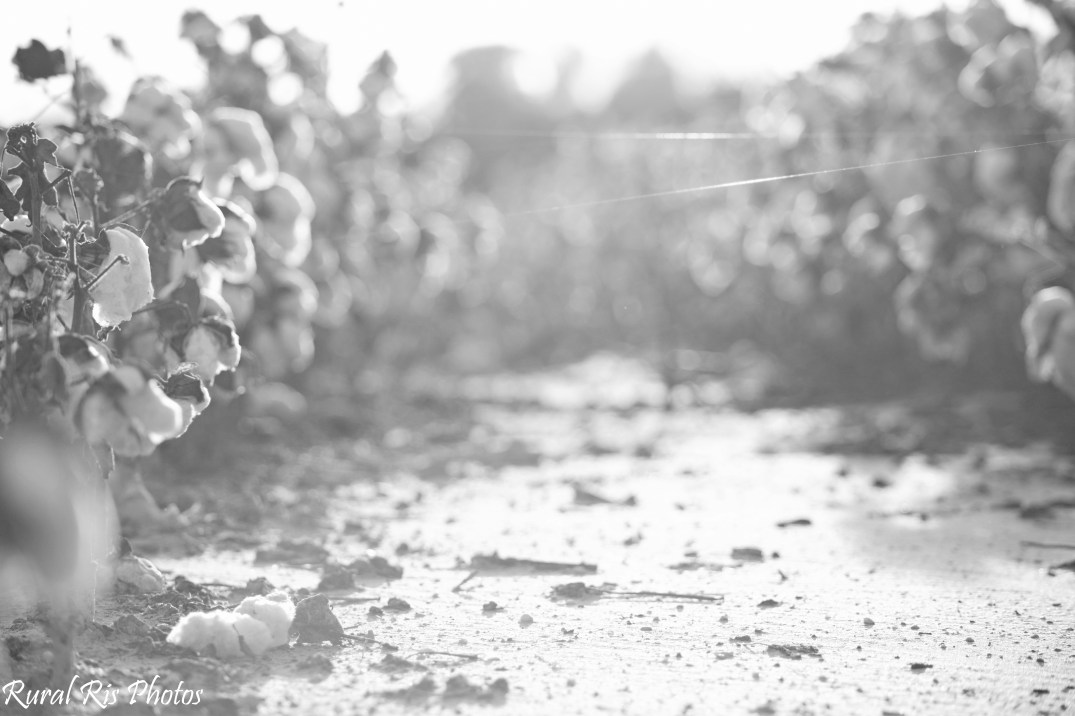
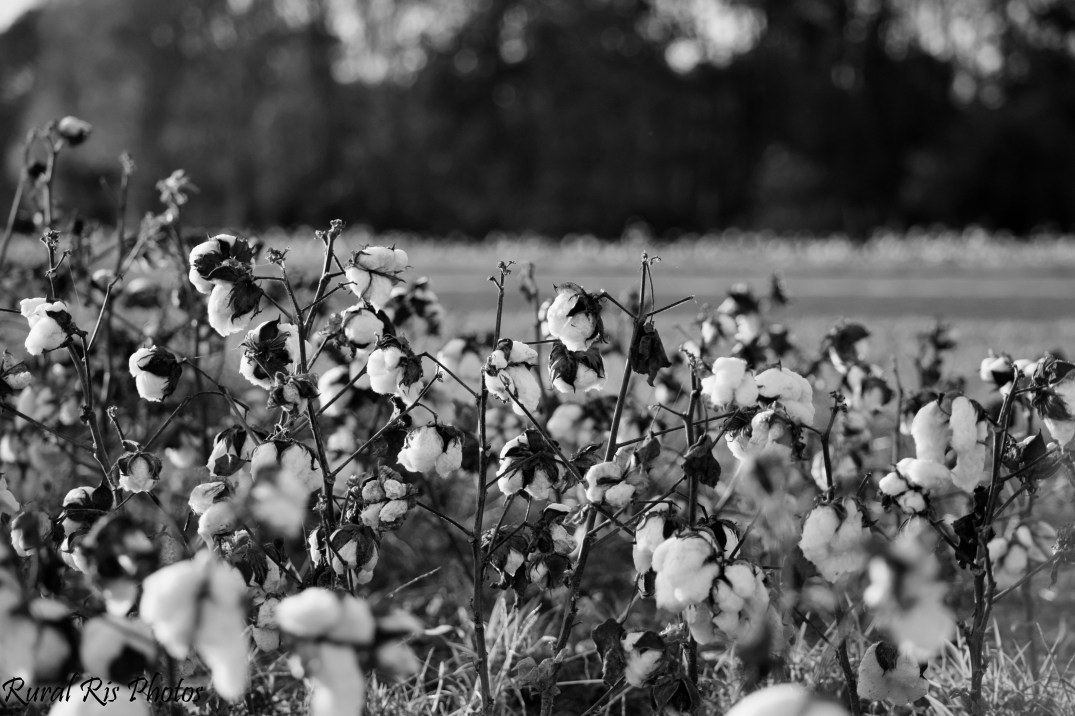
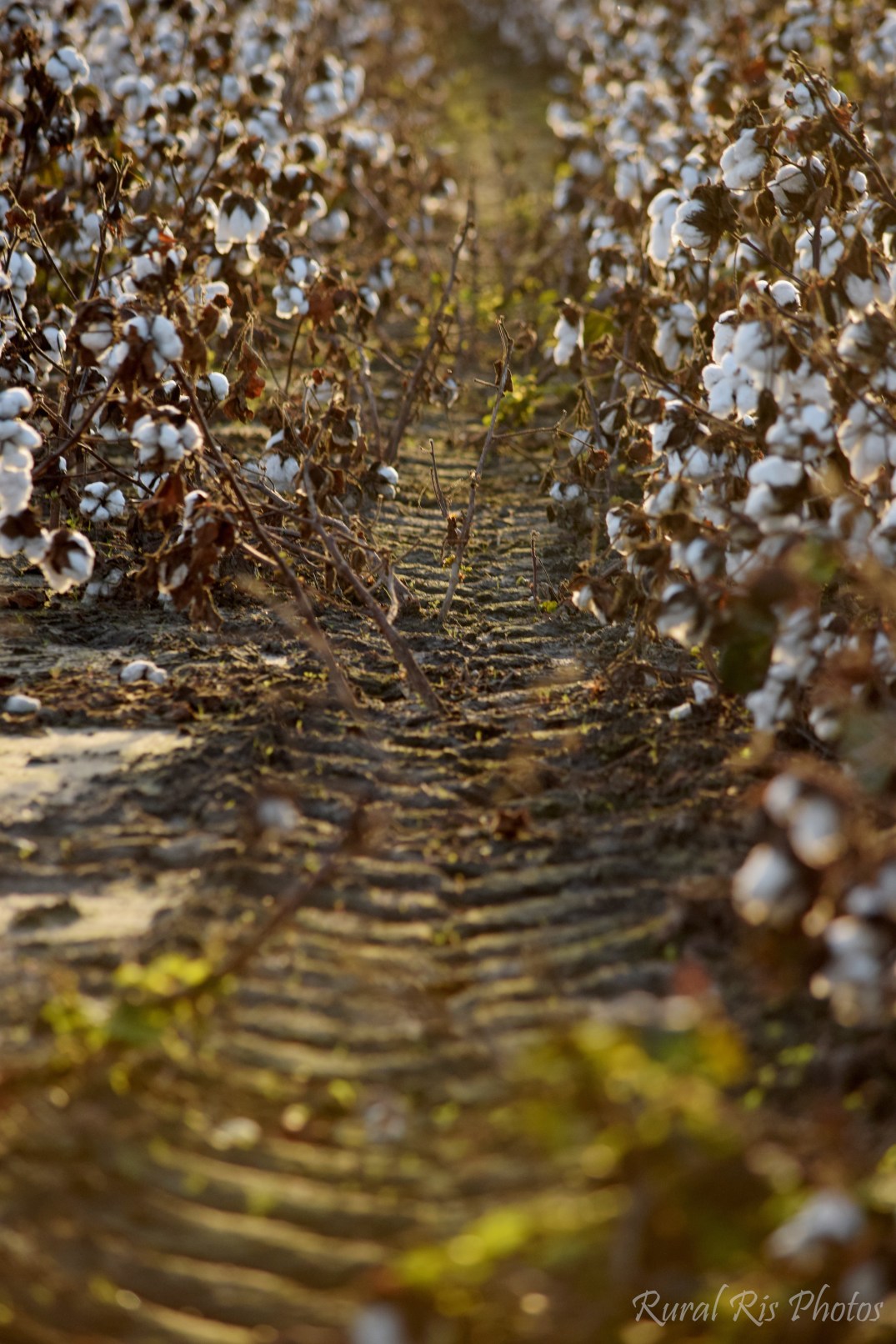
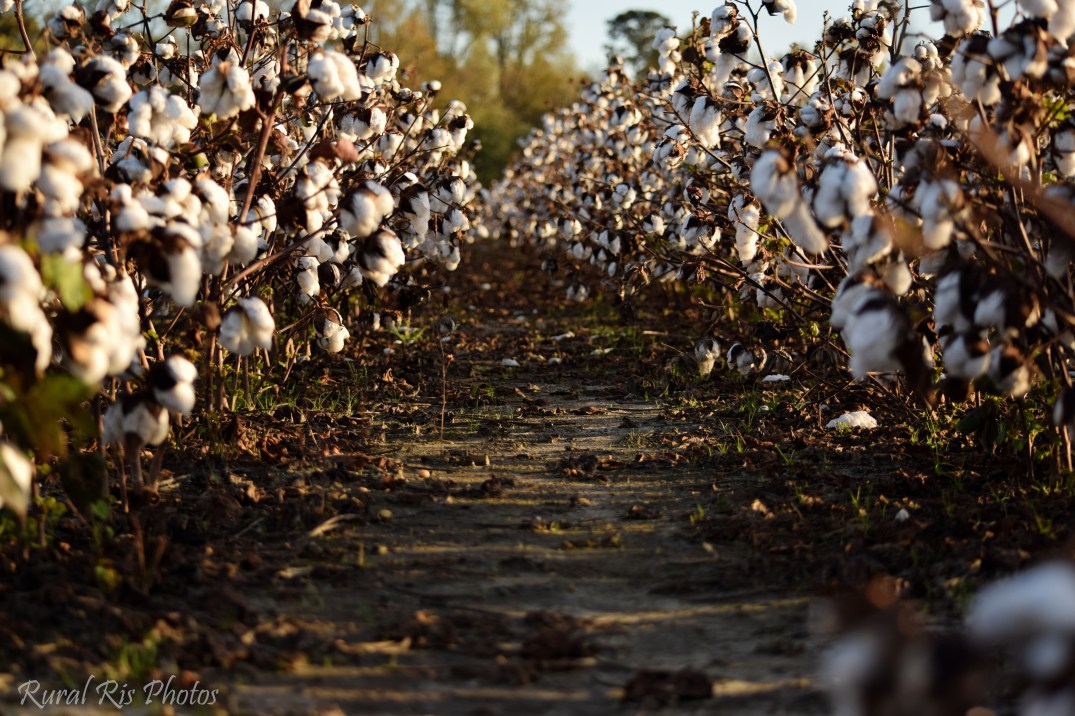
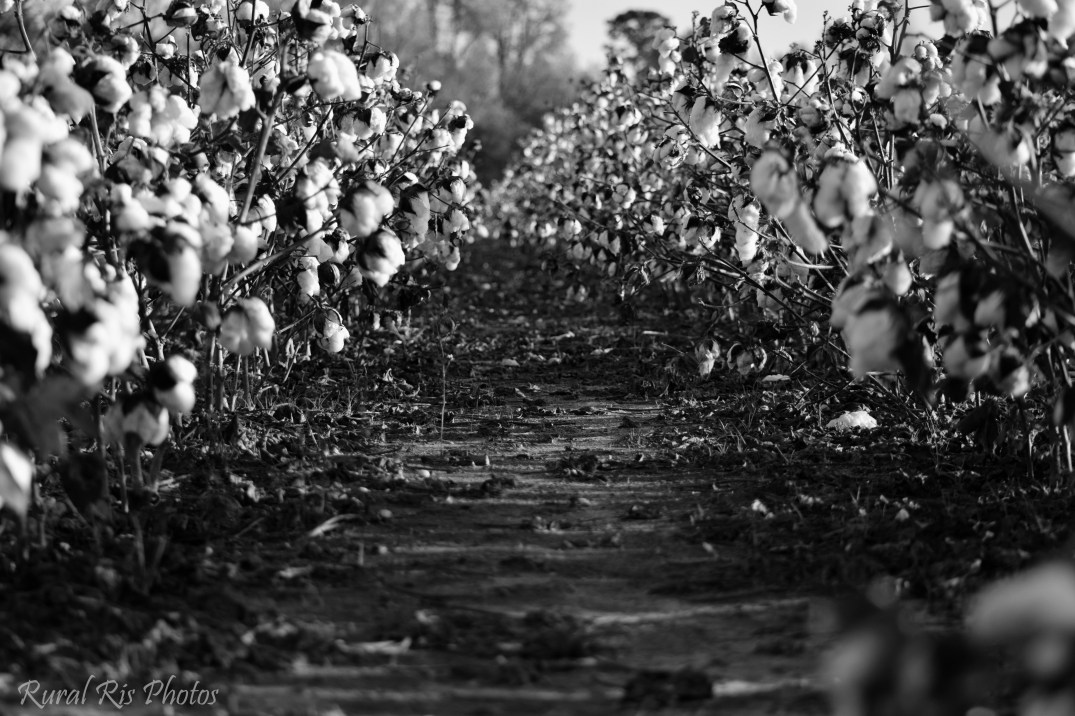
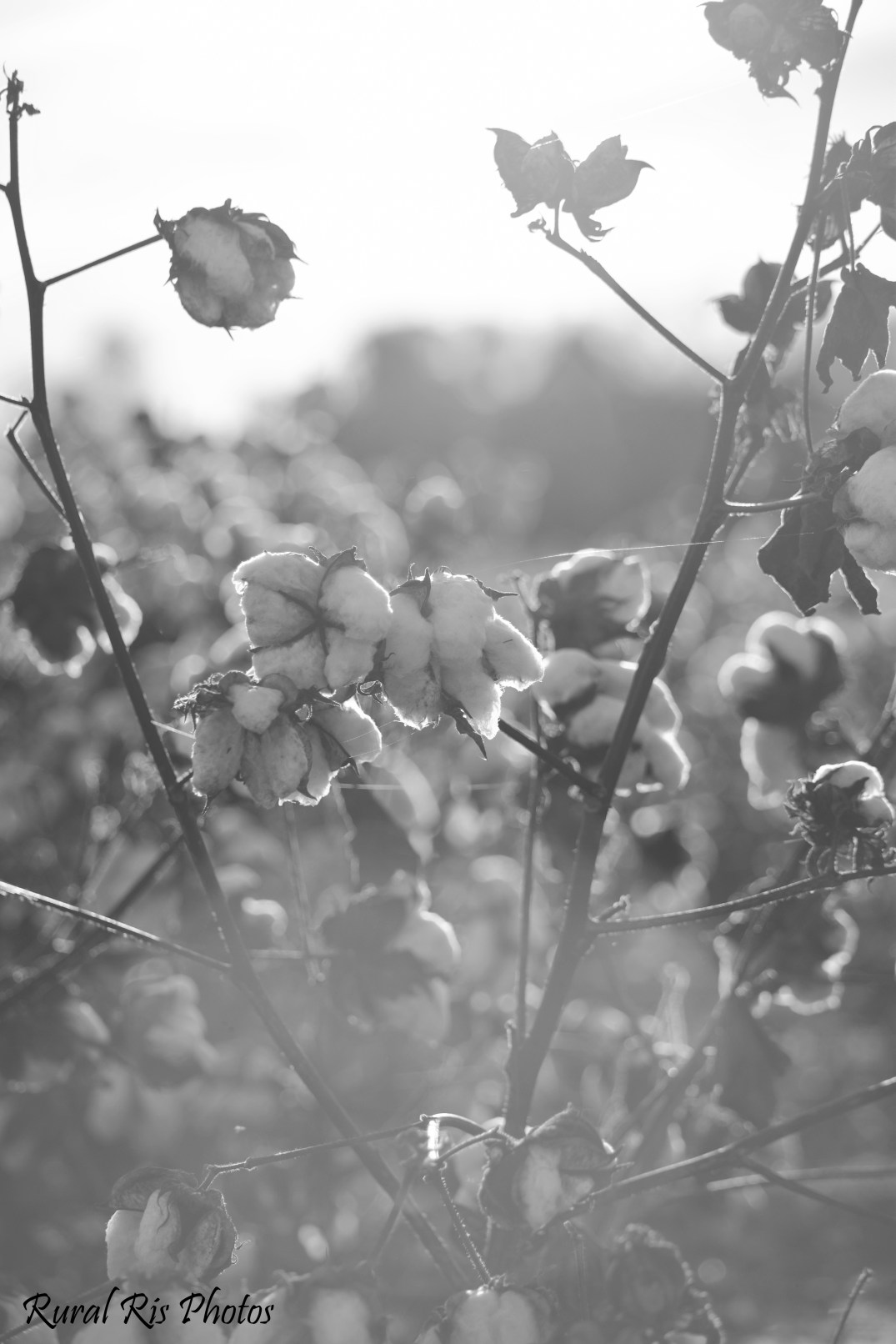
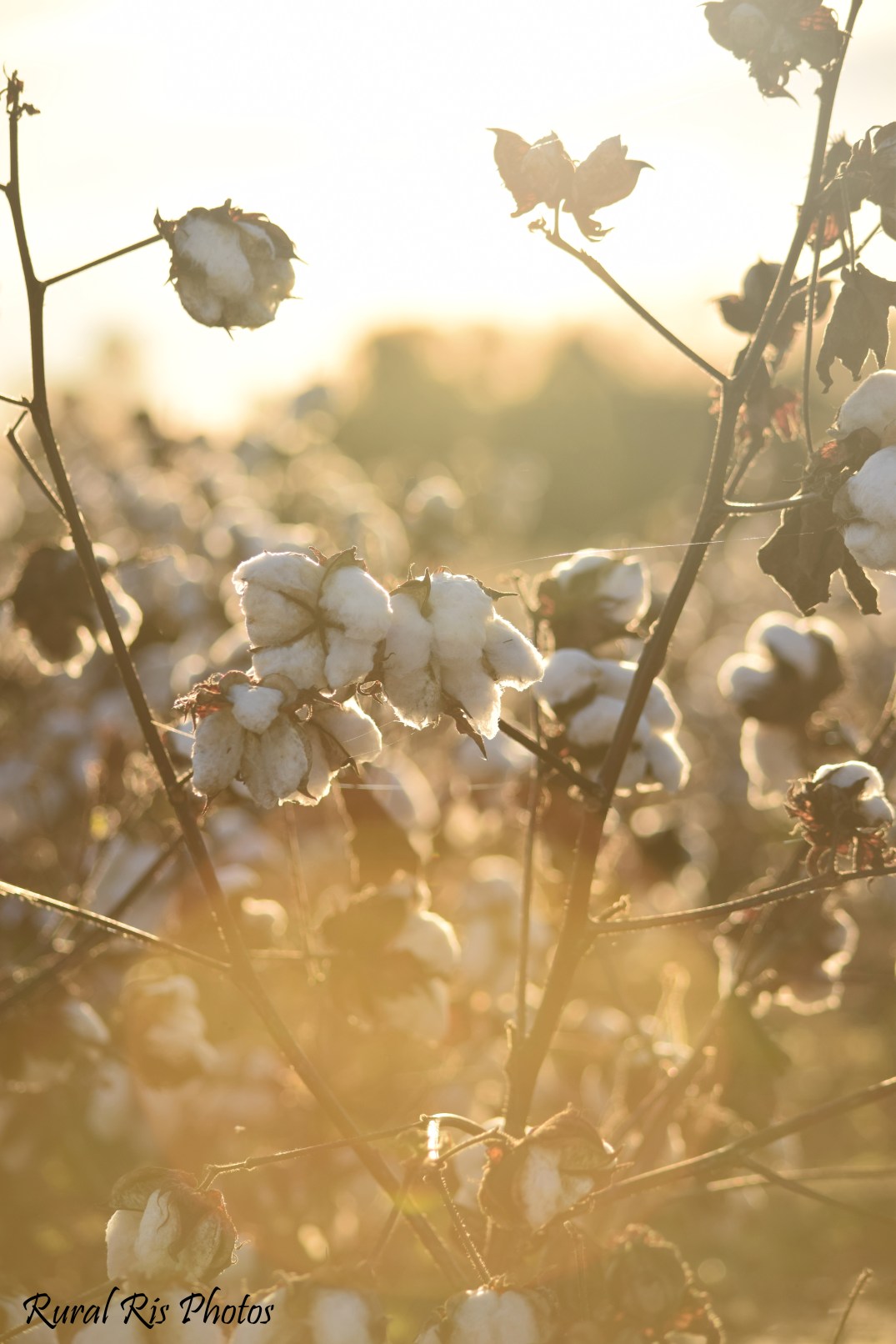
There are places here in the South where fields of white can be seen. I’m talking about cotton. It is a southern snow if you will, and it is beautiful.
Not only is it beautiful, but it is also pretty important to America. Cotton is the number one value-added crop in America, bringing in $5.3 billion just at the farm level and more than $120 billion in annual business revenue.
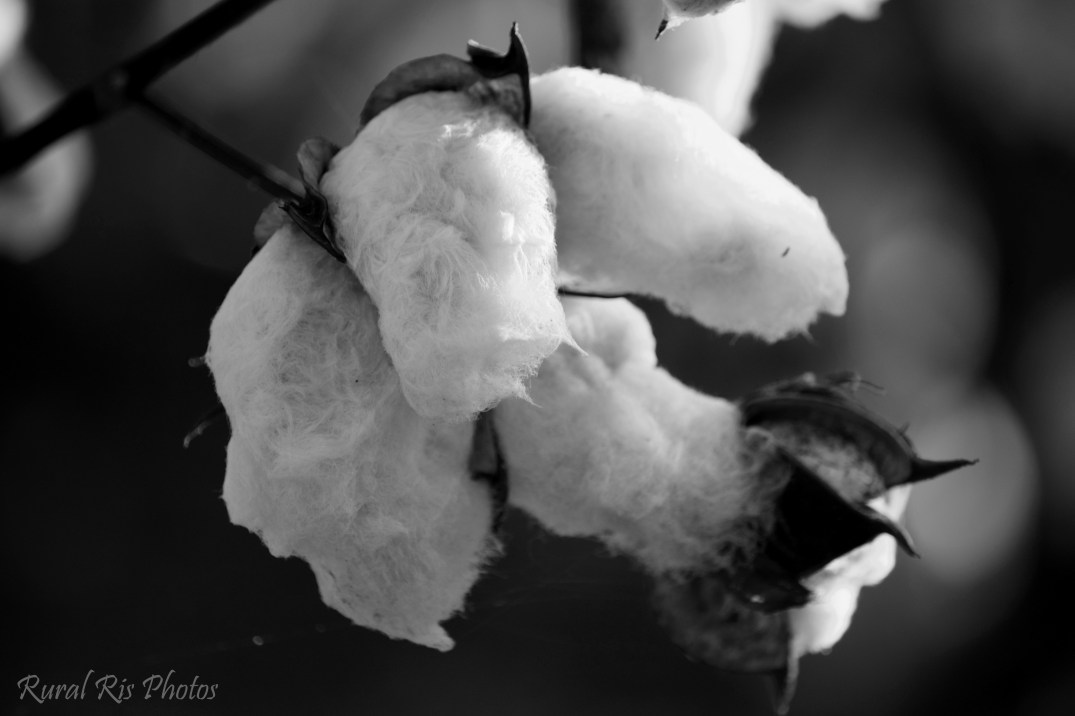
Cotton isn’t just about the fibers. All parts of the plants are used. The seeds are processed into oil, meal, or hulls. Oil is often used in shortening and salad dressing. Meal and hulls are a great protein feed for livestock.
America’s currency is 75% cotton.
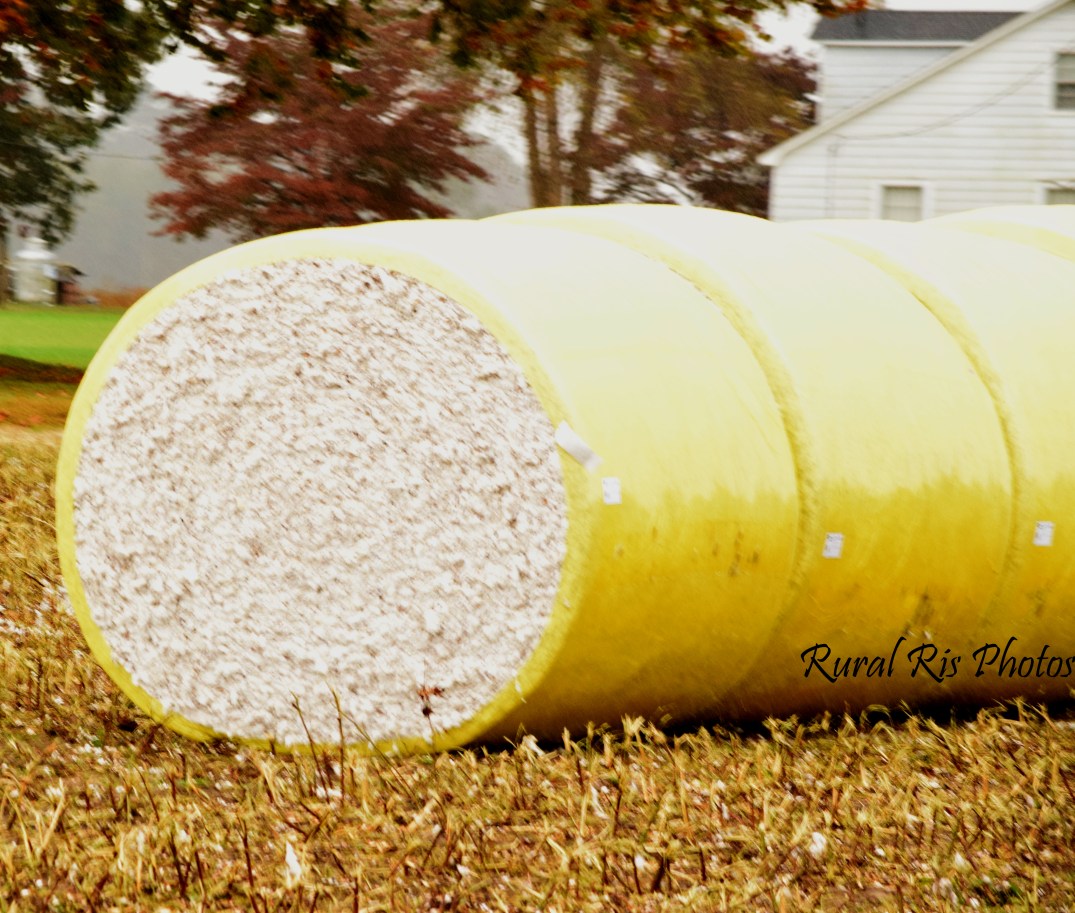
One bale of cotton weighs about 480 pounds.
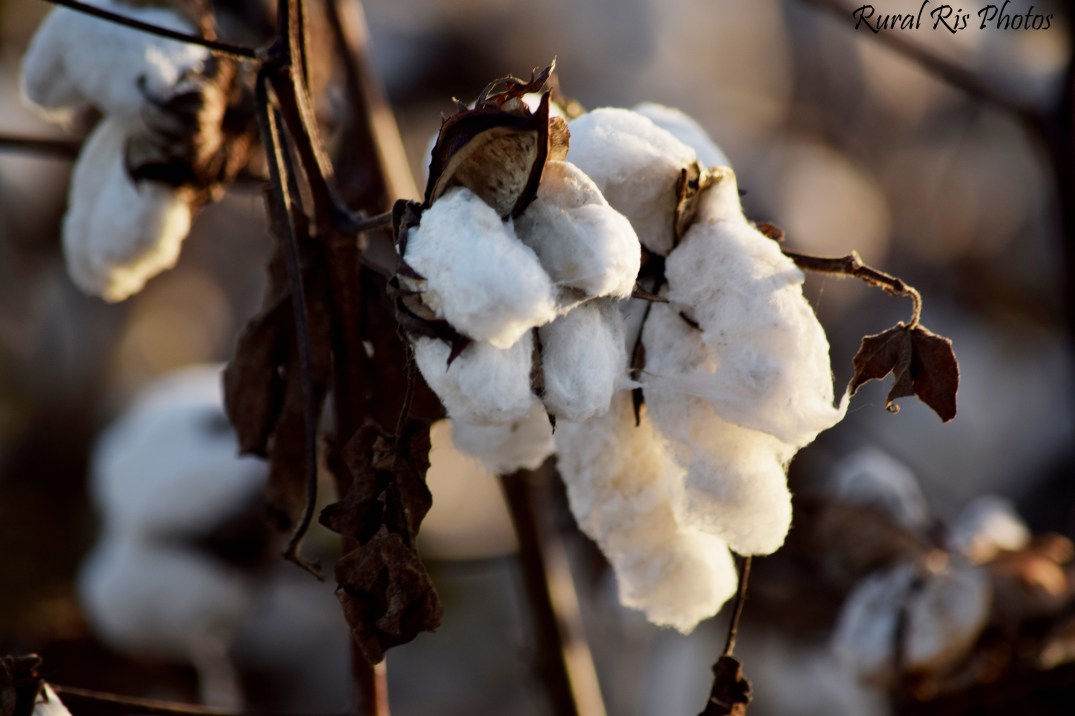
Weather affects the quality of the cotton. If the bolls (the balls of cotton) have opened and are rained on before they can be picked, the cotton sprouts and reduces the quality of the lint.
Cotton quality is determined by taking a sample from the bale where color, cleanliness, staple length (length of fibers), and strength are analyzed.
Thomas Edison used cotton fibers for filaments in his first light bulb.
America is the third largest grower of cotton, and Texas is the top state.
Eli Whitney’s cotton gin invention changed the face of cotton forever. It was able to process cotton 10 times faster than by hand.
Cotton is truly the snow of the South. I must say I’m partial to it over the real deal. Actual snow wreaks havoc. Everyone freaks out a bit, roads are on gridlock, schools close, and bread and milk fly off of the shelves. Not to mention, here on the farm, it gets to be a mucky mess. So, now that it is officially winter, I will not complain about my balmy weather (however I would appreciate a lot less water), and will embrace the snow of the South…cotton.
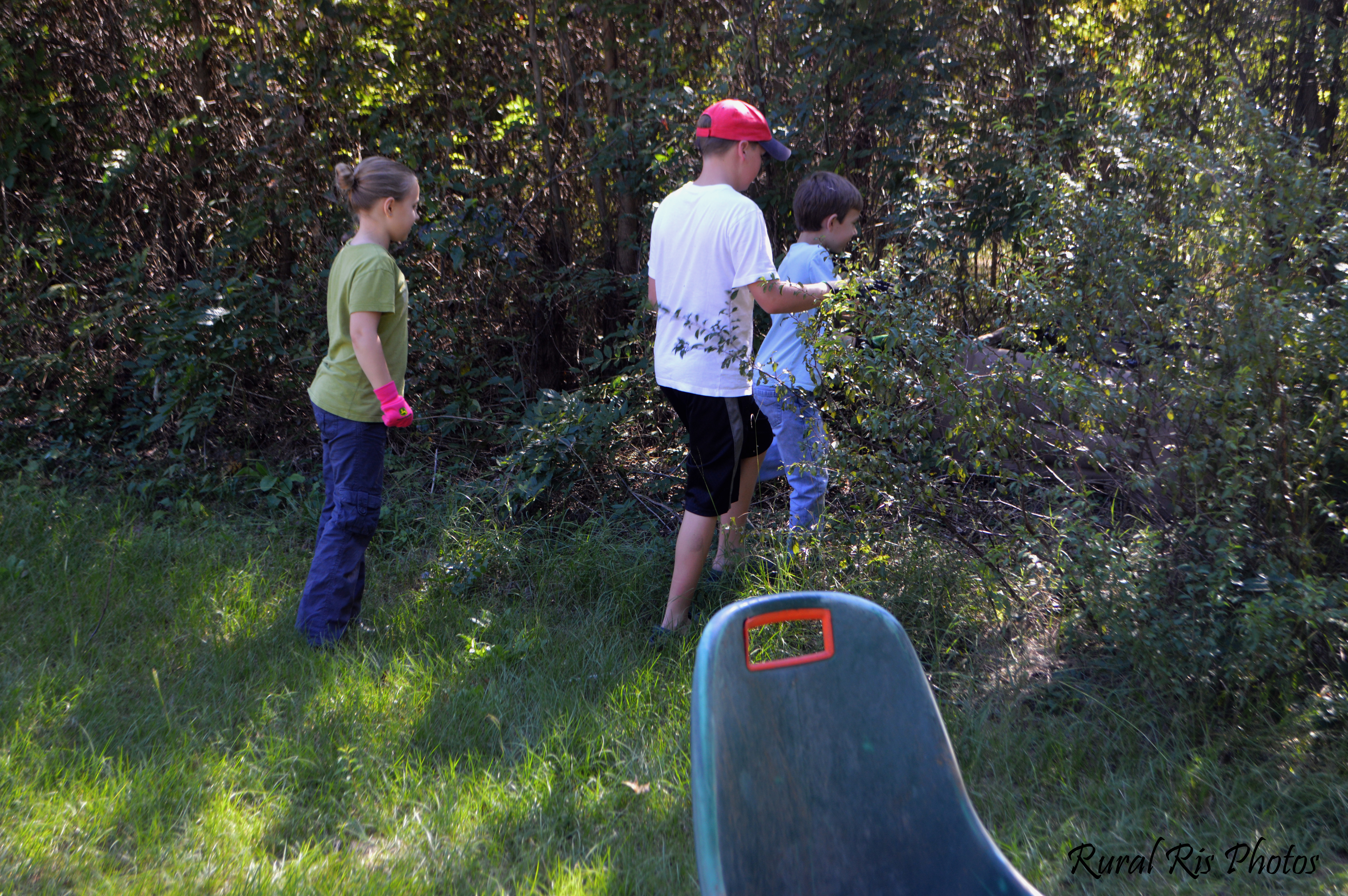
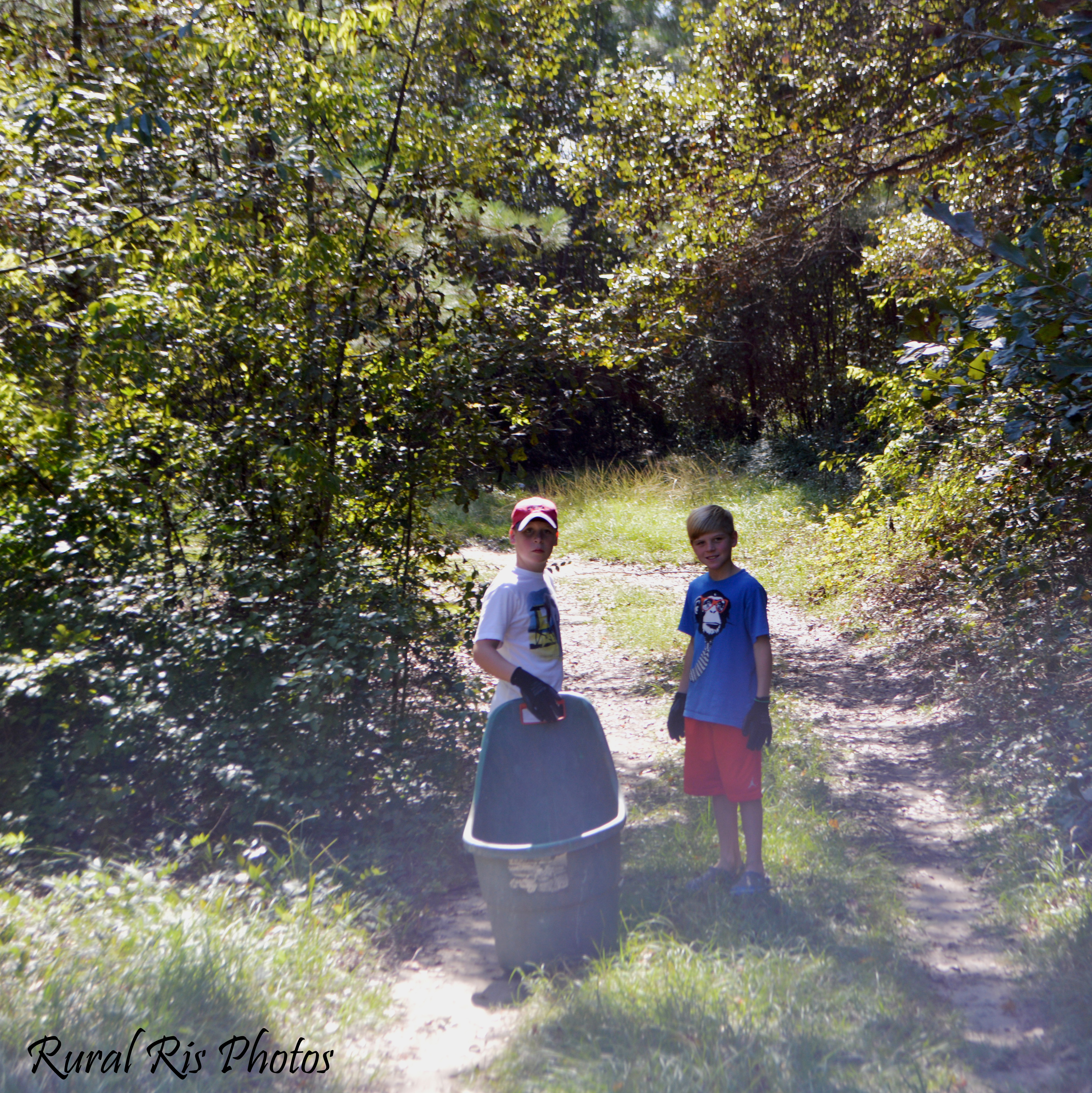
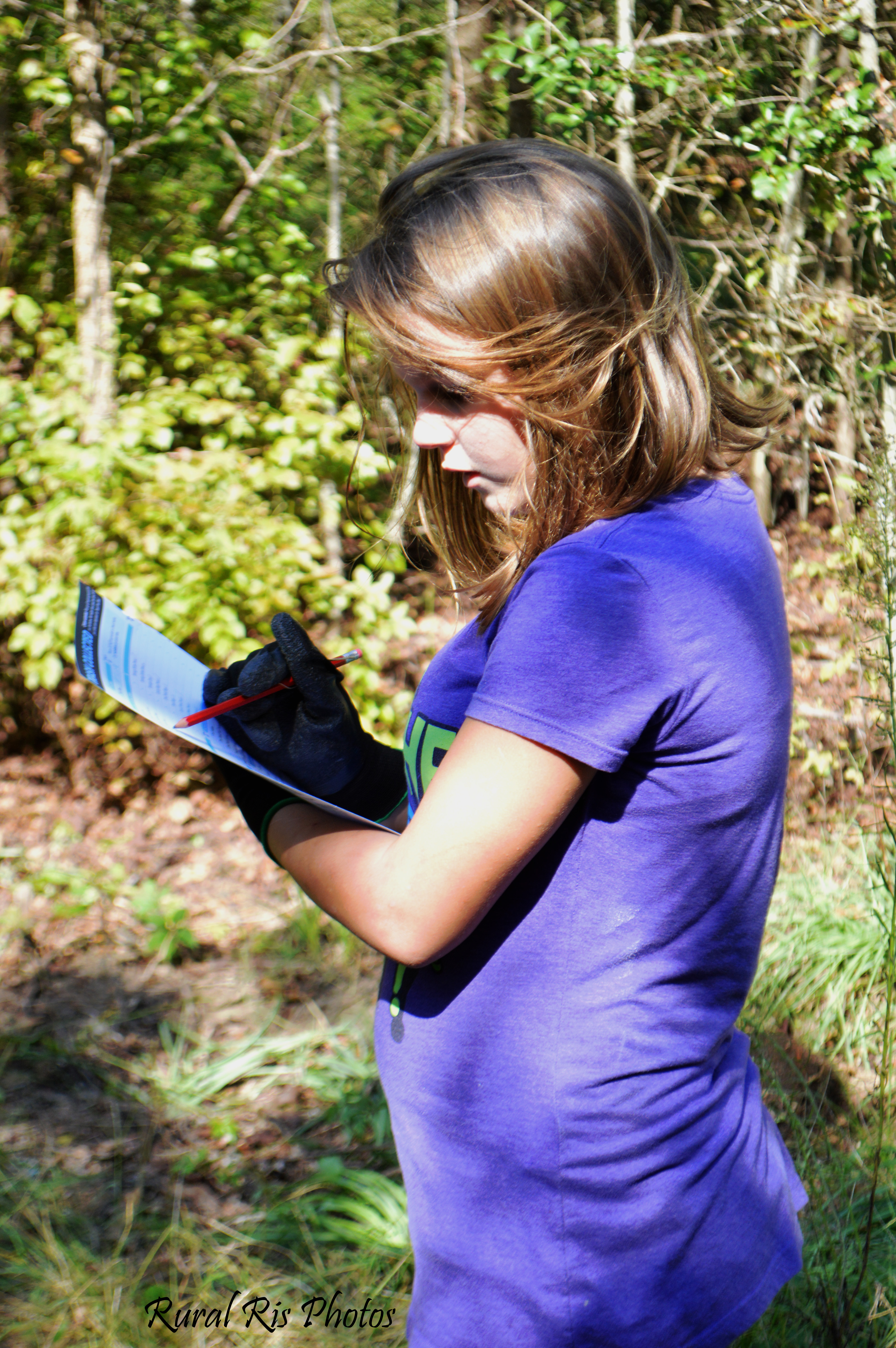
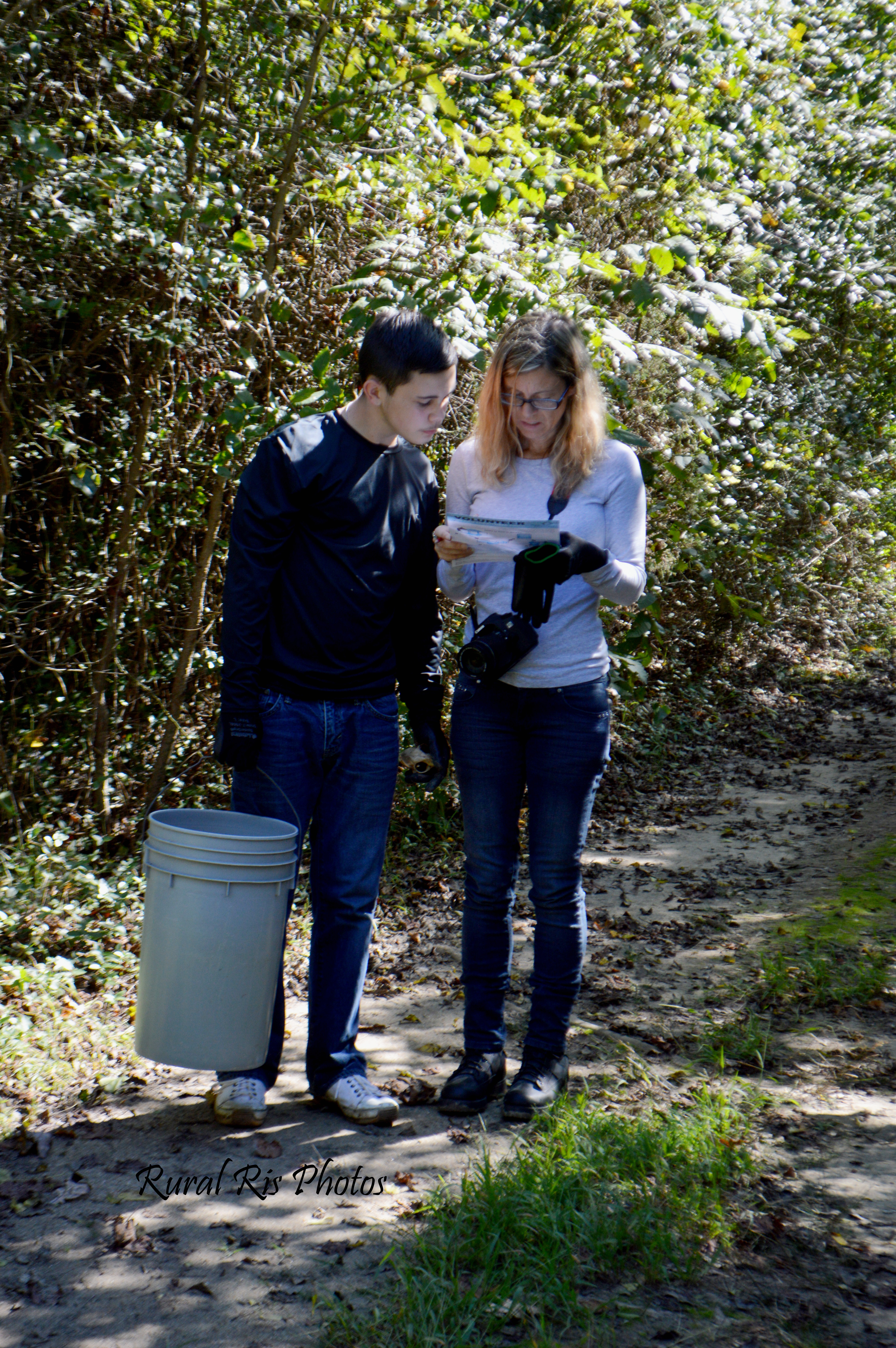
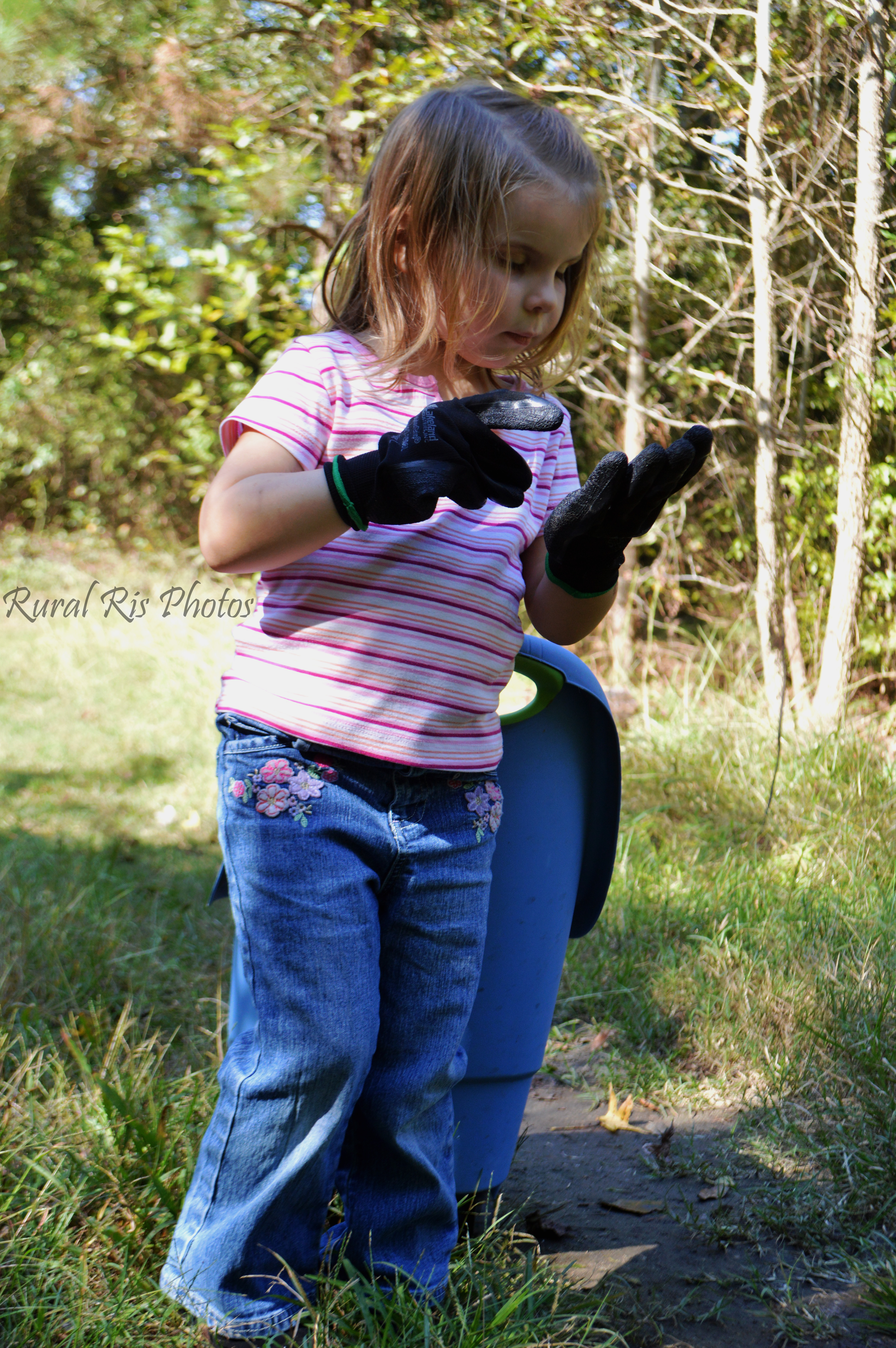
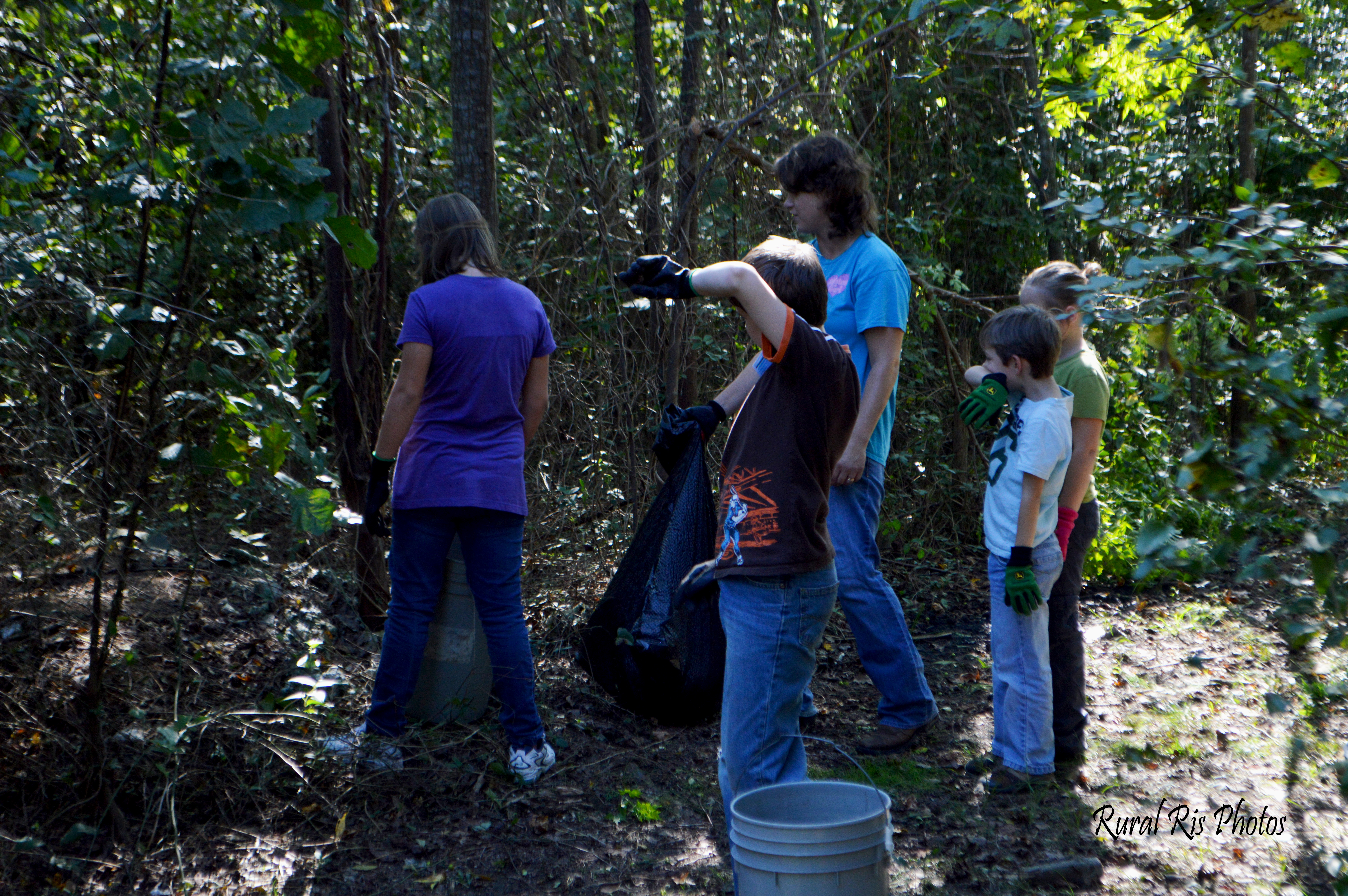
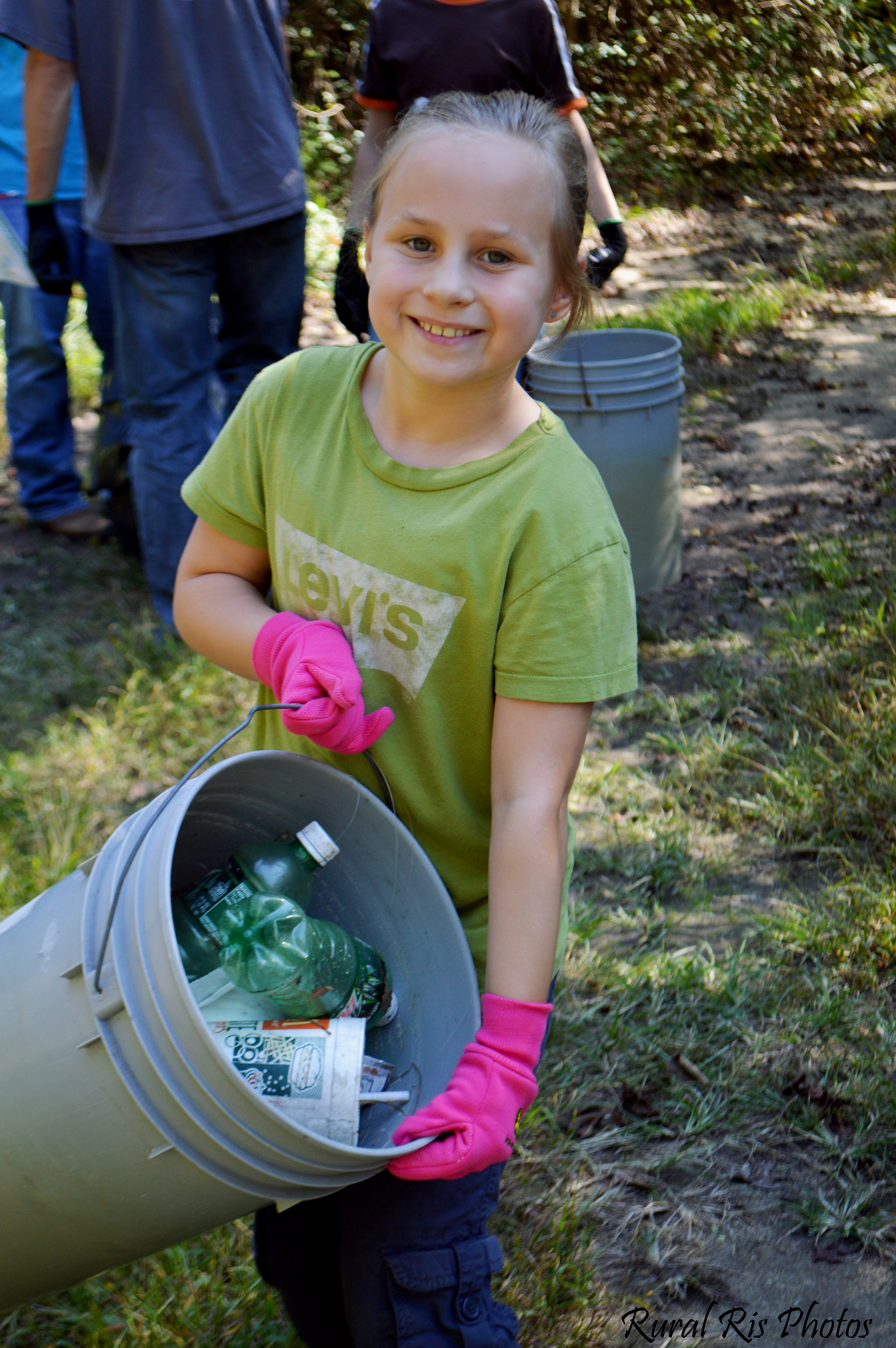
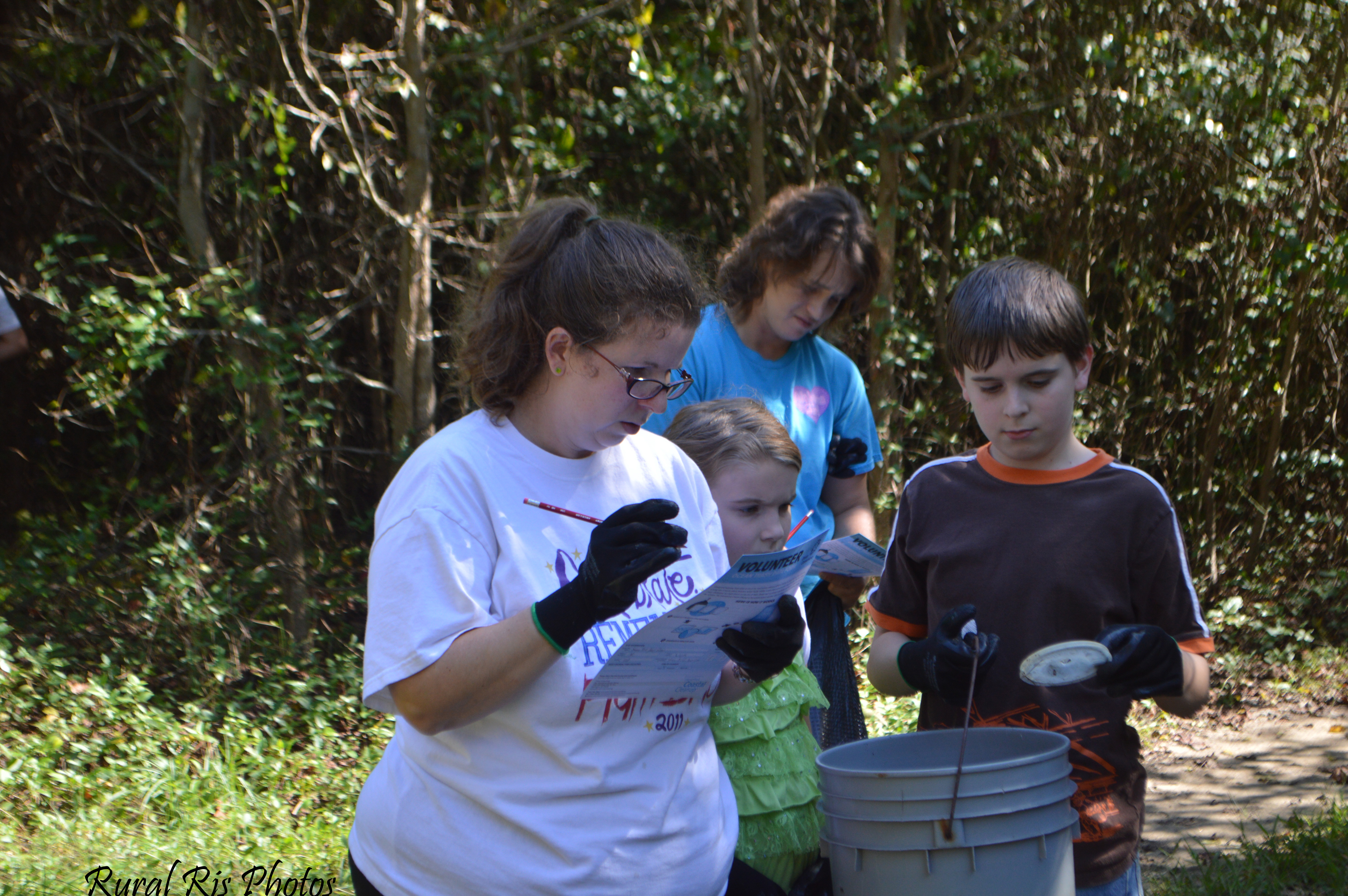
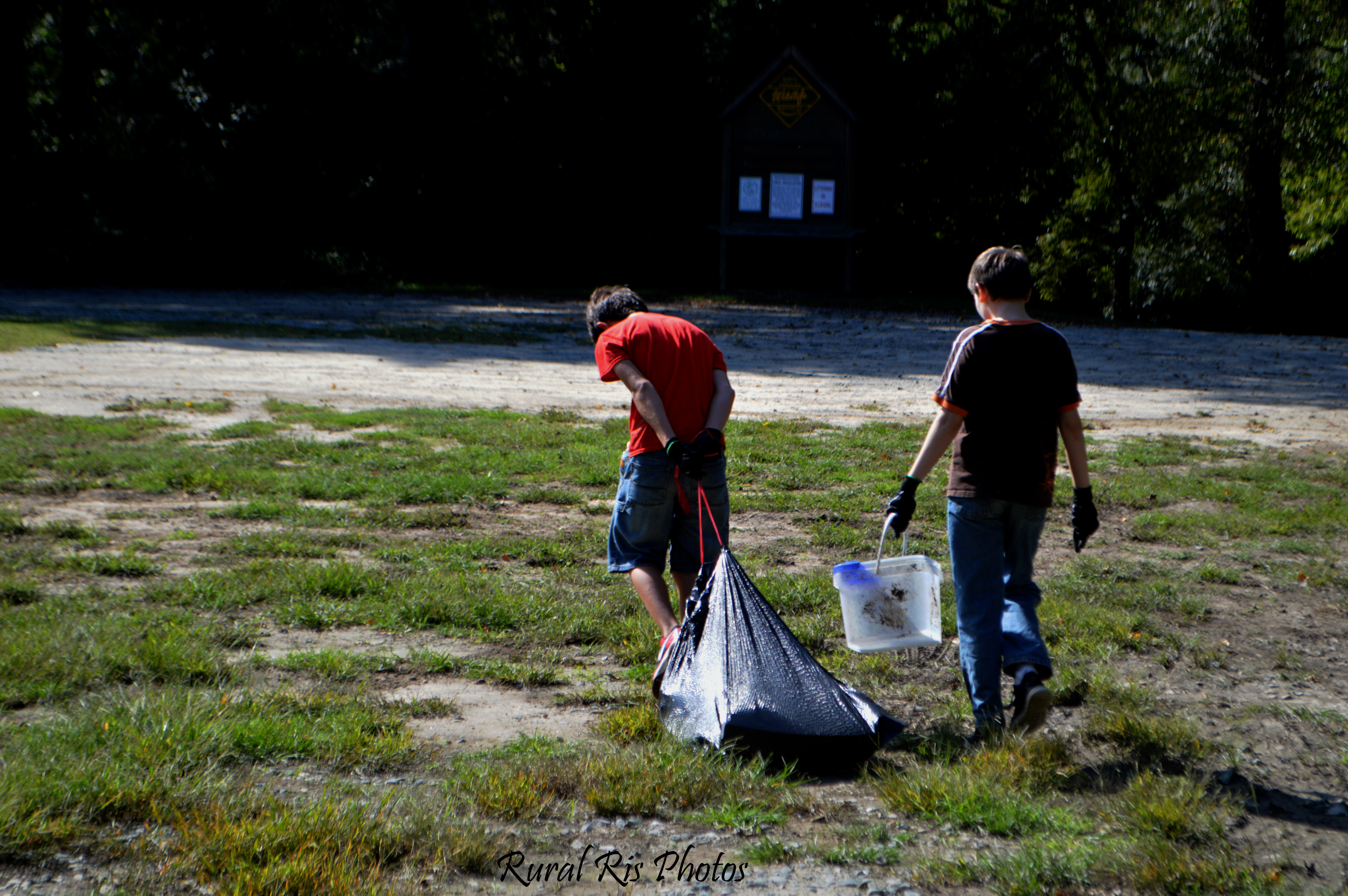
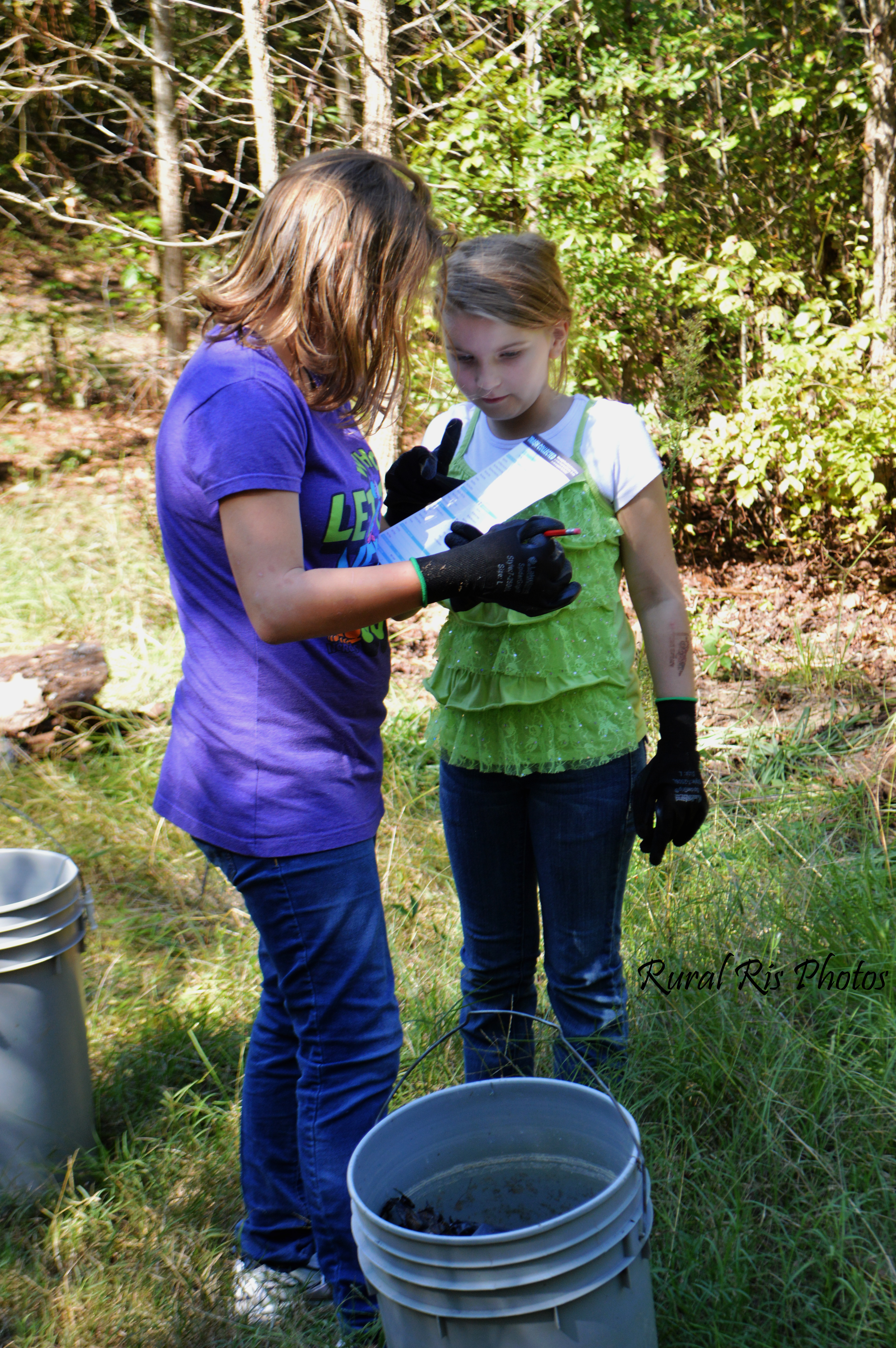
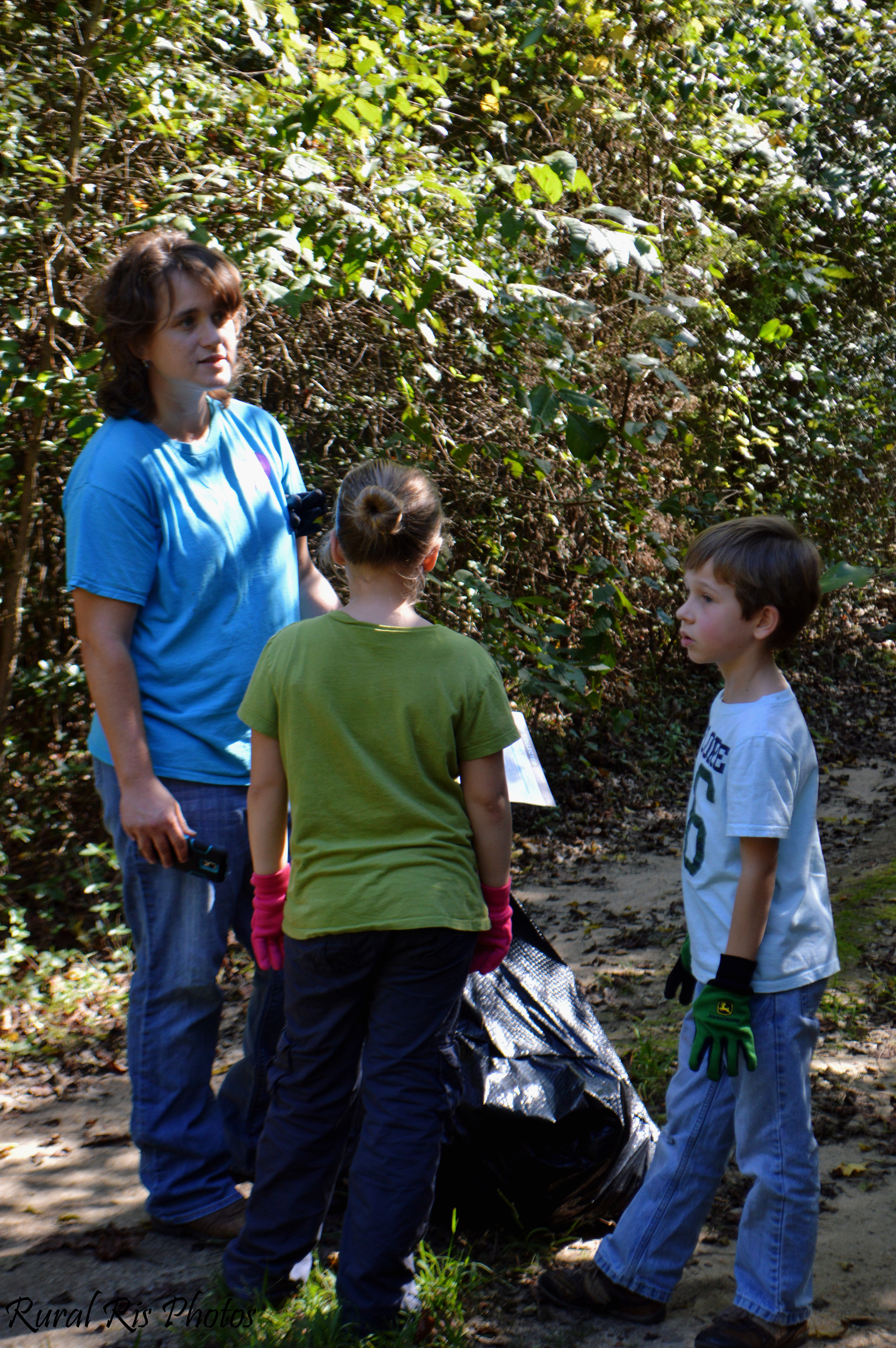
A walk in the woods typically involves peace, beautiful sights, birds, trees, and maybe a deer. That was not the case for us today. Mom’s 4-H club, WHEP, took a romp in the woods; however, it wasn’t what you might think.
Big Sweep is an initiative in our county where groups collect trash along waterways, and records what is picked up too. For years, WHEP 4-H club has participated in this initiative. We are on our second location (we ran out of trash to pick up in the first area). Last year we started “litter hunting” at a boat ramp along the Neuse River. We thought last year held some interesting finds–a swimming pool– but this year took the cake.
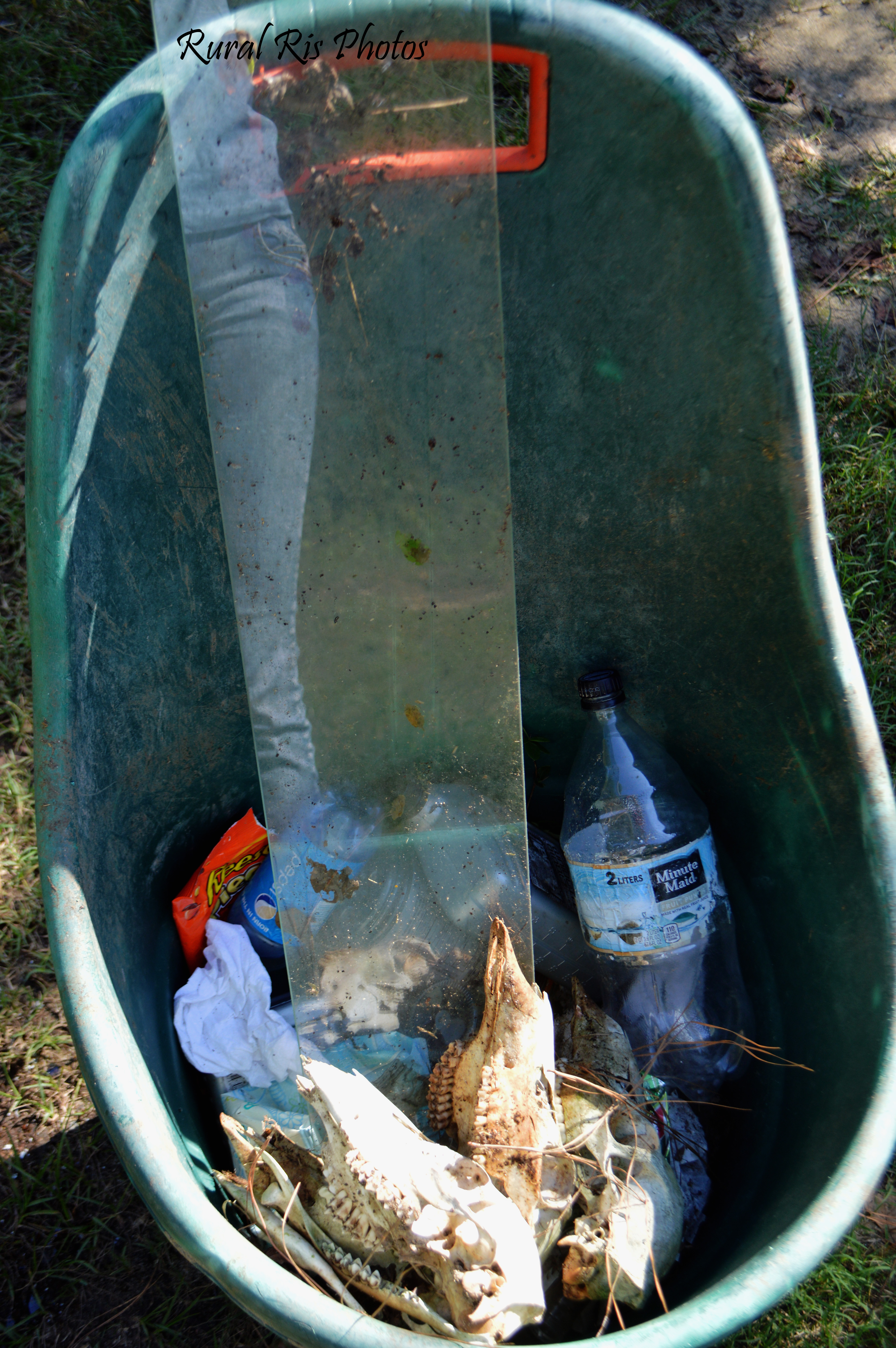
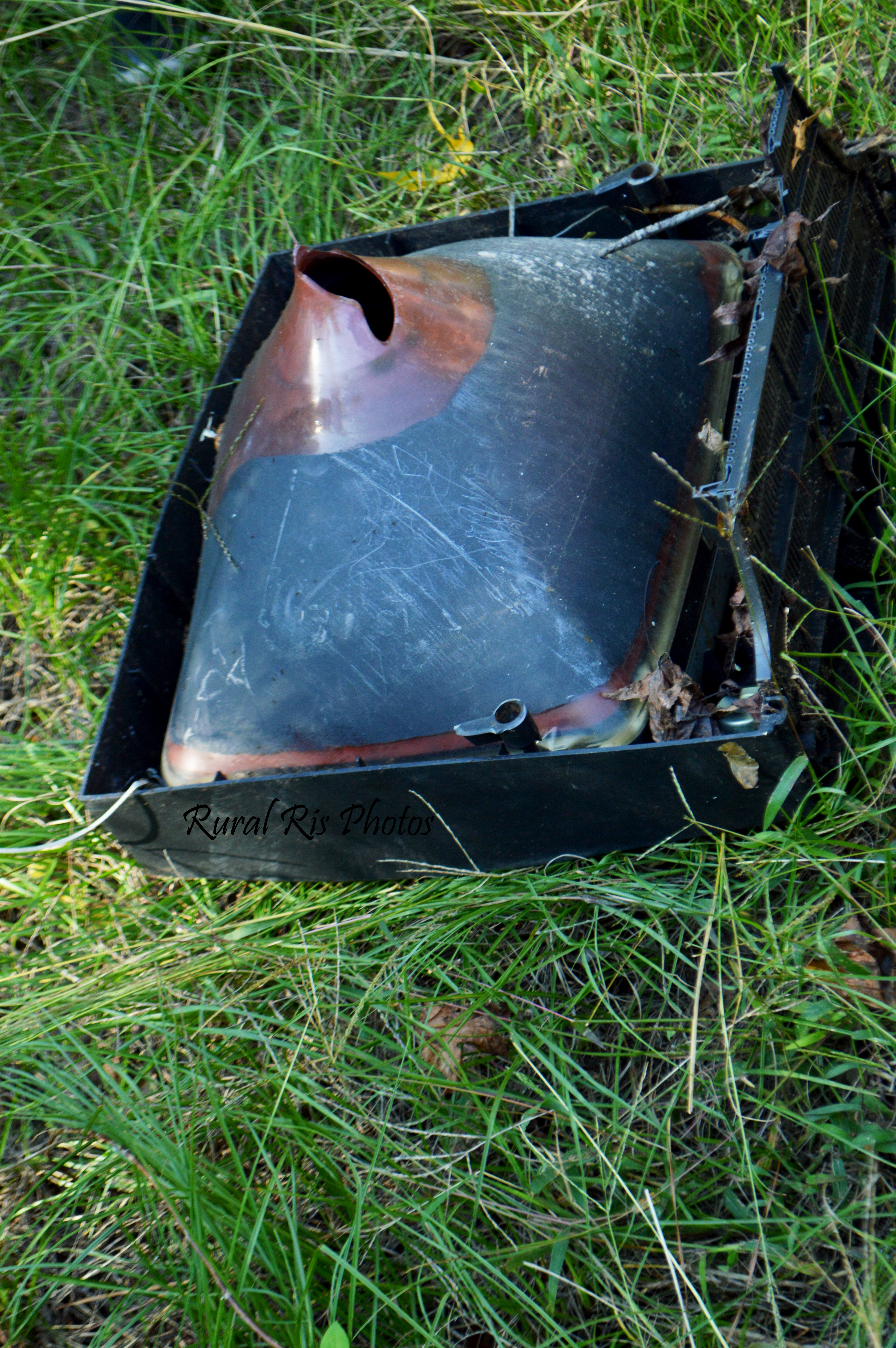
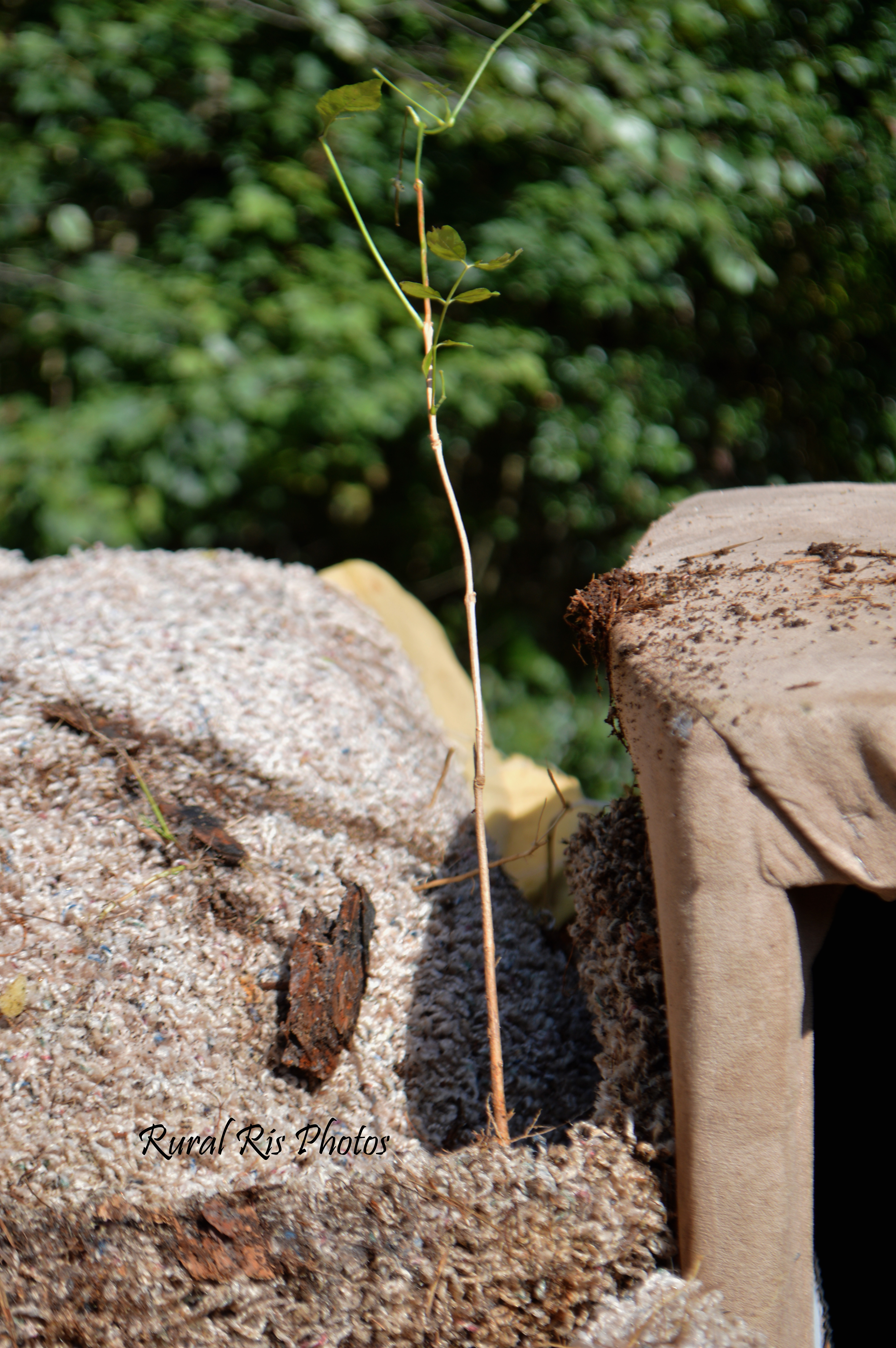
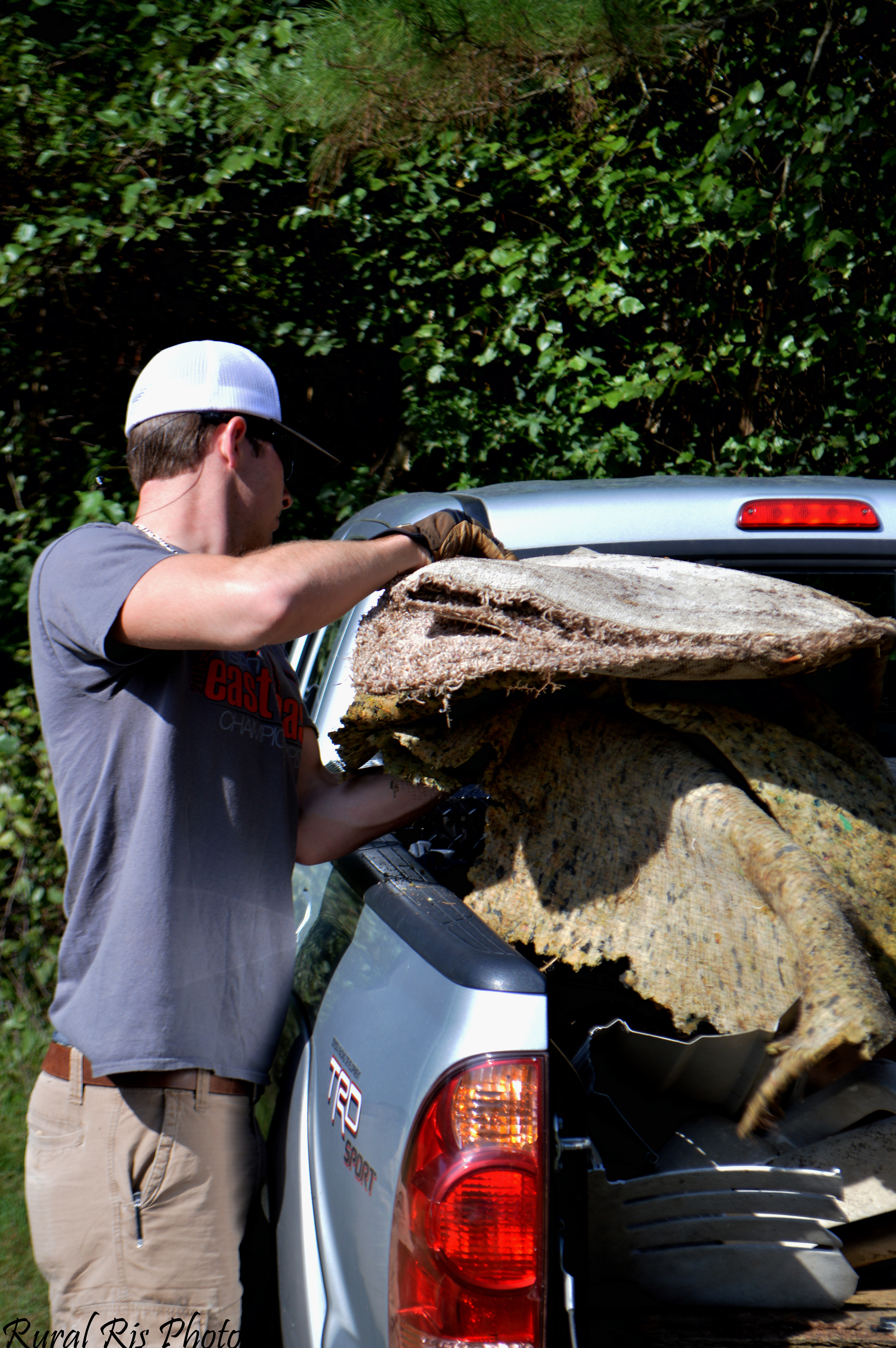
We ended up finding 3 televisions, 1 recliners, a ton of carpet, a nightstand, 12 deer skeletons, like a thousand bottles, a lawn chair, and a host of other things.
All in all, we collected a grand total of 720 pounds of trash!! Can you believe that?!
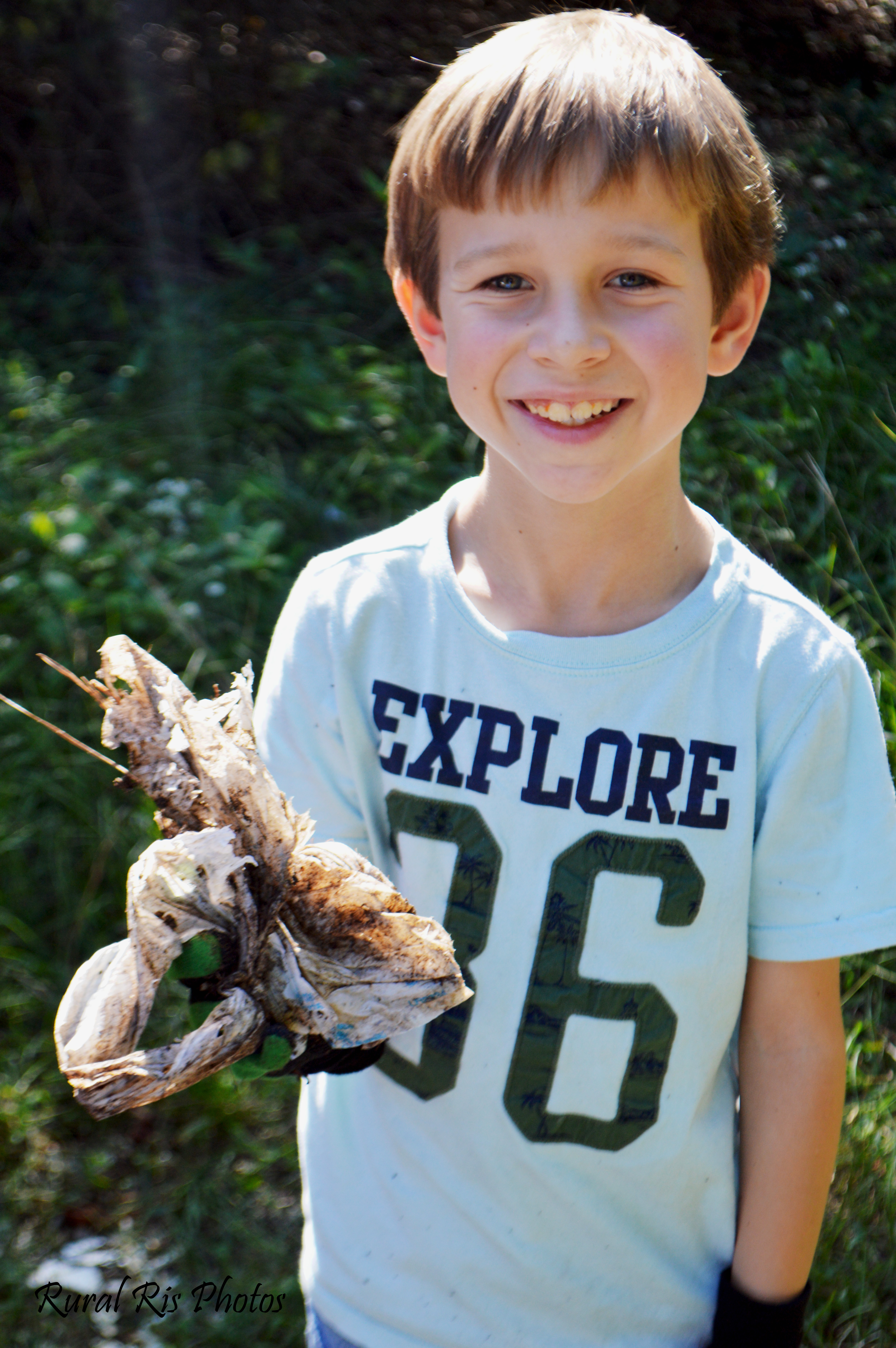
Everyone was such good sports too. The kids actually loved hunting for litter and seeing what they could find. Into the woods they would go, and run out, excited about the virtual living room set they just found.
There was definitely a lot of gross stuff, but in the midst of the trash, there was still God’s beauty. It just needed a little (or rather big) sweep.
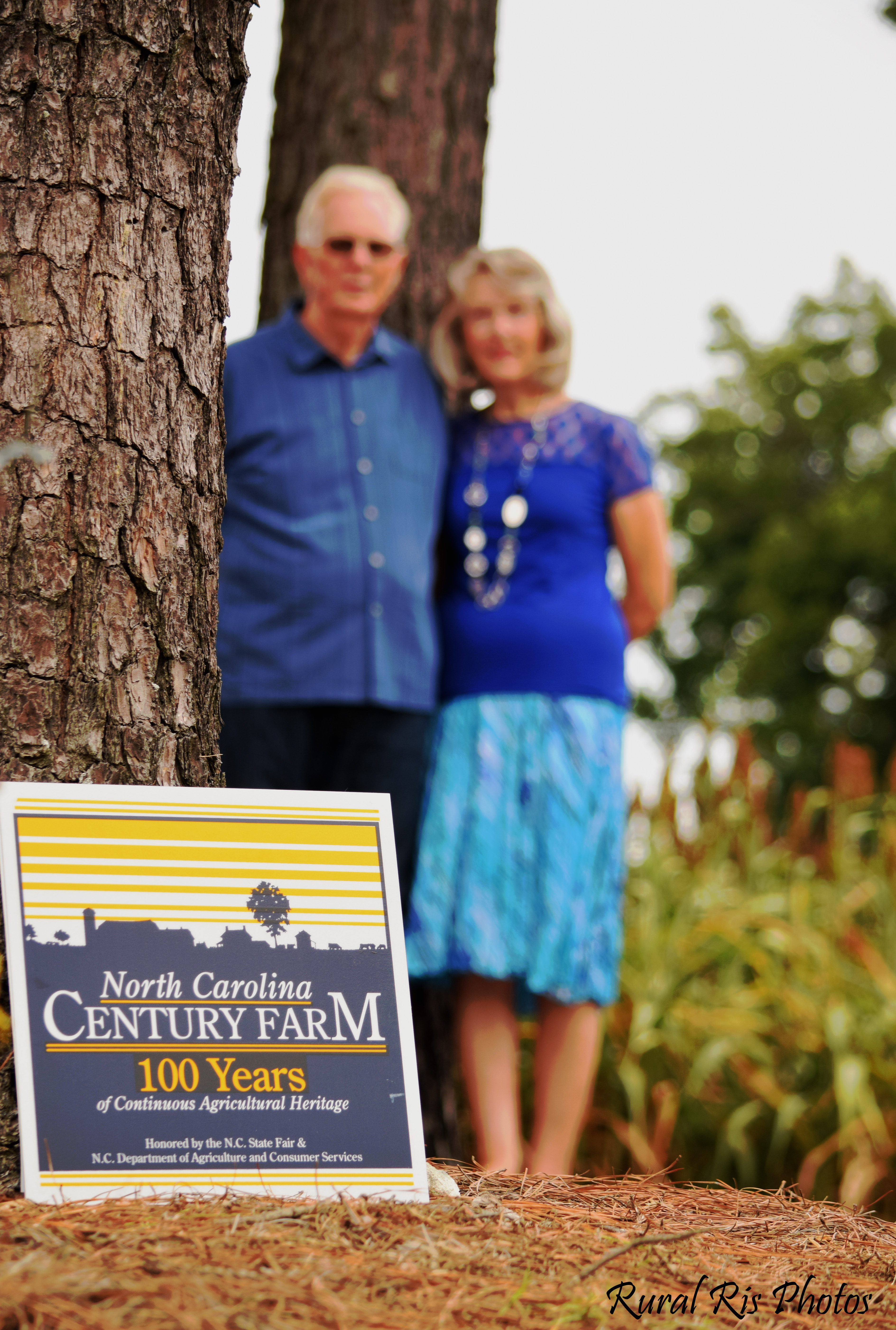
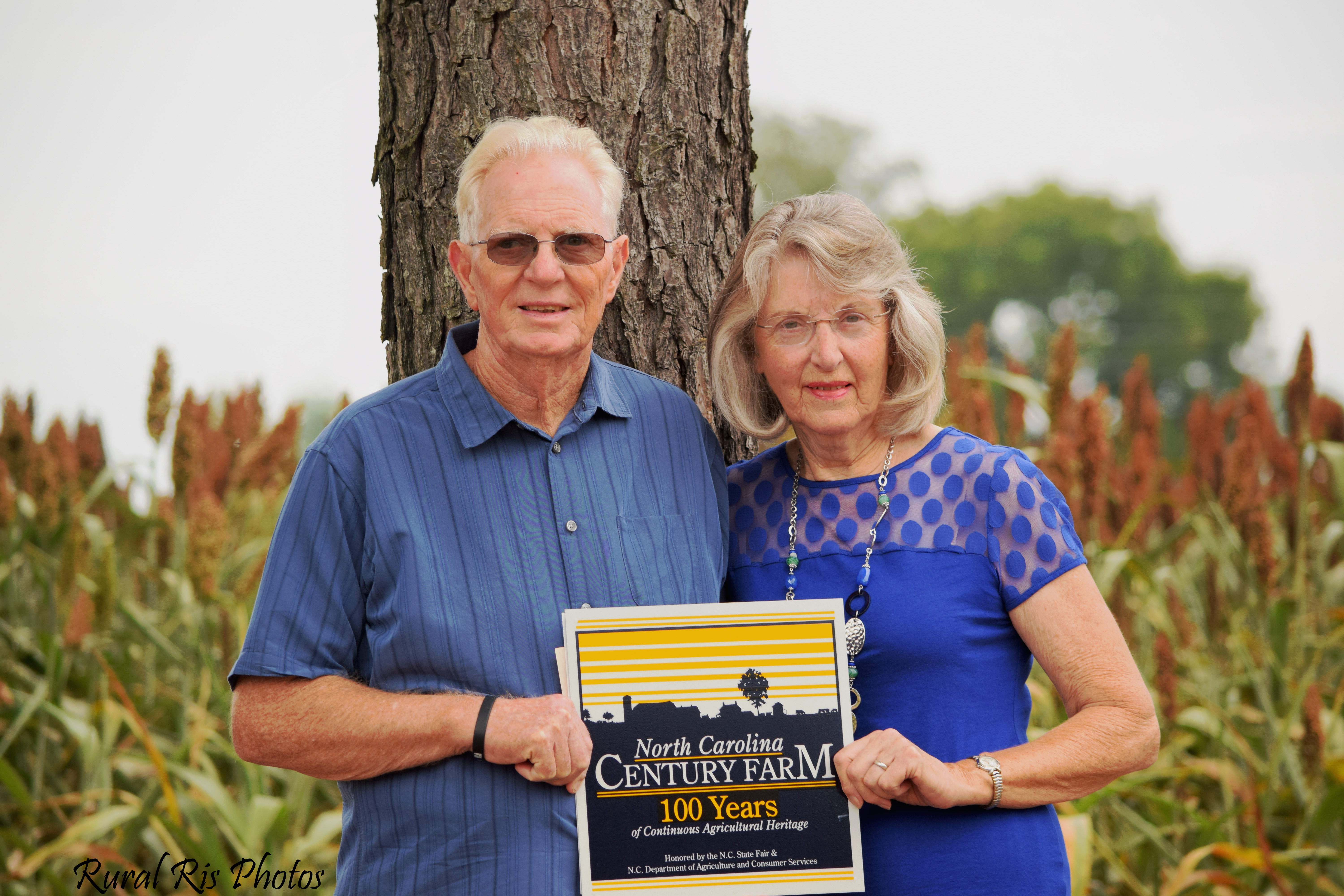
Our farm was recently recognized with something pretty exciting. After some research into farm and land records, we put an application in for the North Carolina Century Farm certification.
The Century Farm designation is in recognition of 100 or more years of continuous family farming. Started in 1970, the program aimed to identify farms that had been in a family for 100 continuous years. To be eligible, records had to be presented that showed that the farm had passed to a blood relative of the original owner for a century or more. Of the 52,000 farms in North Carolina only about 3% of them have been honored with the designation of a Century Farm, and we are one! Isn’t that absolutely awesome?!
Our farm started in 1895 when Bettie Denning and husband David Jernigan bought approximately 150 acres. In 1909, Dave died. Bettie would later marry his brother, Jim Jernigan. Jim and Bettie never had children, but Dave and Bettie had seven together–6 boys and 1 girl. The girl was my great-grandmother, Harriett Jernigan.
A tract of the original estate was given to my great-grandmother when she married (approximately 45 acres). She and my great- grandfather, Owen Weaver, built a house on this land.
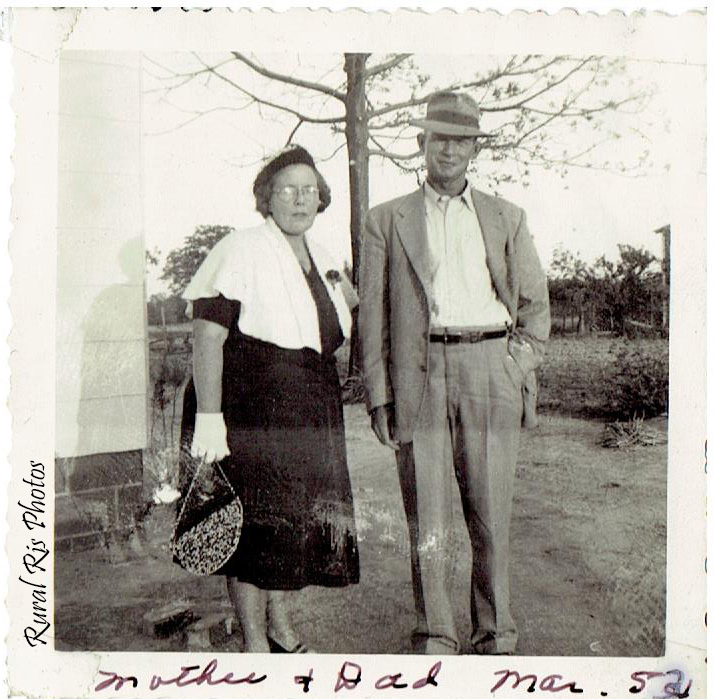
Harriett and Owen Weaver–1952
My great-grandfather cleared a large portion of the land with an ax, by hand. He pulled the stumps up with mules. On this farm land, they grew tobacco, soybeans, corn, and cotton. They also had chickens and up to 100 pigs. Mules were used to plow until 1956 when the first tractor was bought. It would normally take one week to plow 15 acres by mule.
My grandfather, Bob Weaver, and two older siblings, Elizabeth and Nick, were born and grew up on this plot of land.
Bob Weaver (Papa) circa 1949.Papa on a retired US Army Horse.
Papa helped with the farm work until he was 18. At this time, he joined the US Air Force. He would eventually be stationed in Scotland where he met my grandma, Sylvia McCabe.
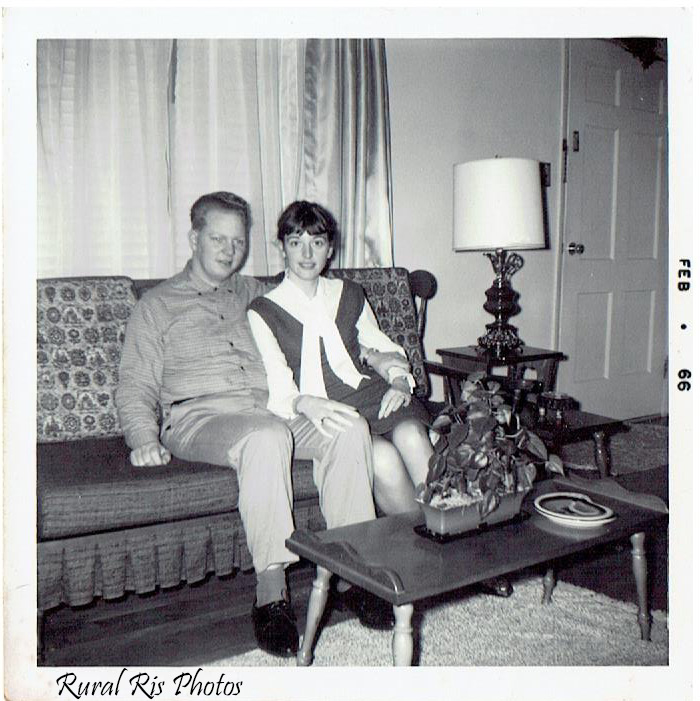
They married in North Carolina in February of 1966.
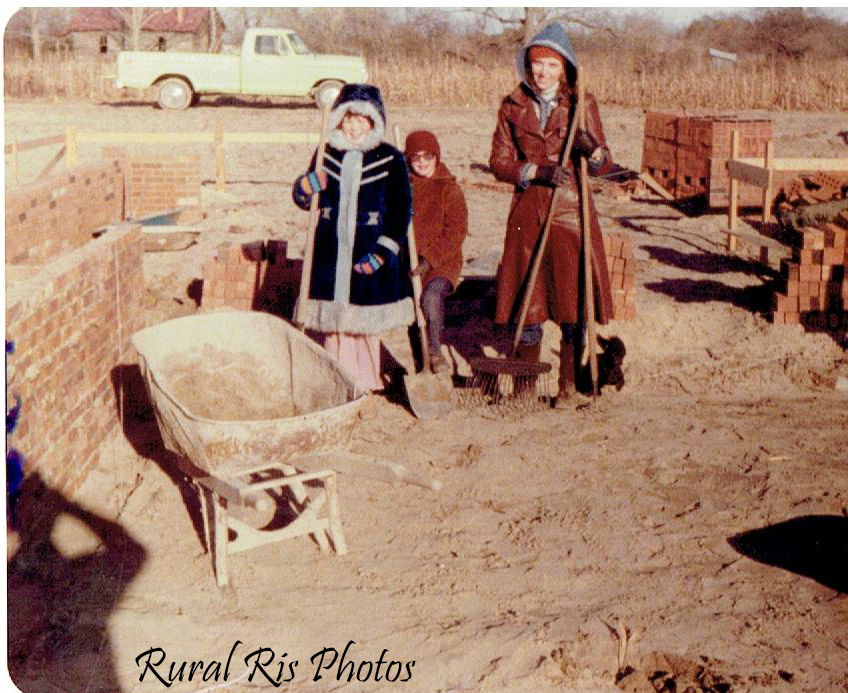
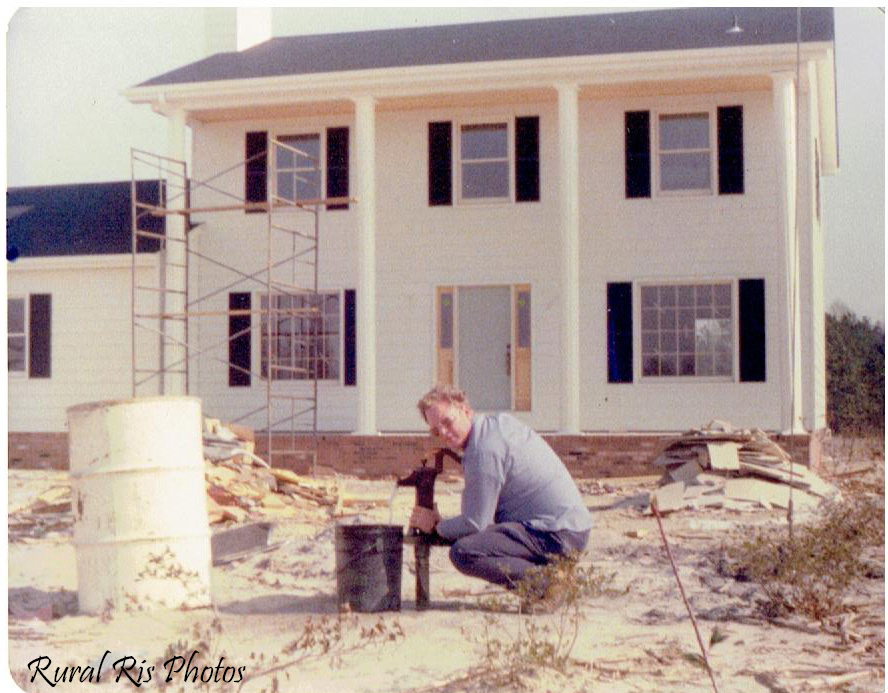
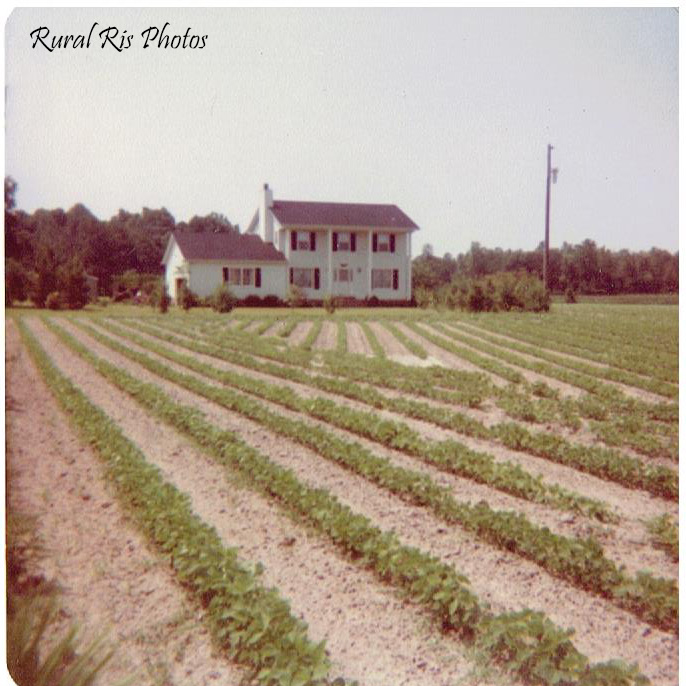
In 1978, they moved back to the family farm land where they built a house. At this point, my mom was 11 years old and her brother, Bobby, was 8 years old. The house was built on 14 acres of the original tract of land.
Grandma, Mom, and Uncle Bobby doing some foundation work on the housePapa pumping water before pipes had been run to the house
My great-grandfather was living at the end of the road, still raising pigs (my great-grandmother died in 1954). The rest of the land was being leased out to a local farmer.
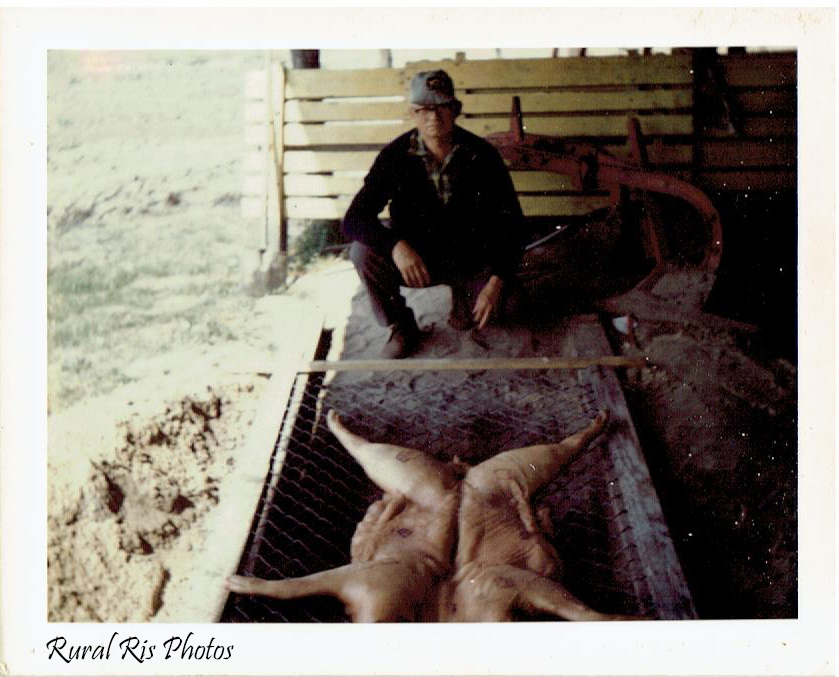
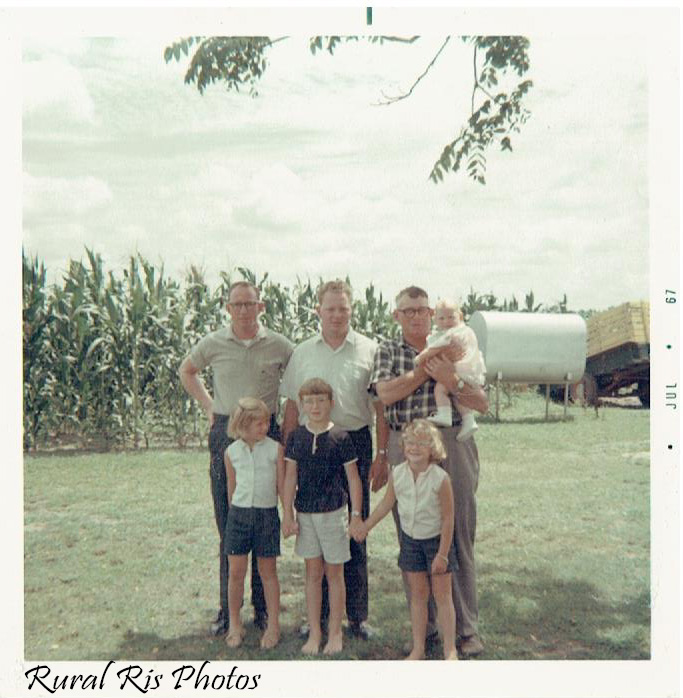
My great-grandfather cooking a pig on an open pit in the late 60’sJuly 1967–Mom is the baby being held by my great-grandfather. Papa is to his left and his brother, Nick, is to the far left.
Today, my Papa and Grandma have acquired 40 acres of the original estate, and my family lives on 6 of those acres. Our barn was built by my great-grandfather in the early 1960’s to be used as a pack house for tobacco.
Papa has buildings that are comprised of a tobacco barn built by my great- grandfather in the early 50’s. My great-grandfather died in 1988, but his handiwork lives on.
The next generation of our family is now farming on the same land that has been passed down for more than 100 years. Papa is growing a pecan orchard that has over 50 trees and rents out the remainder of the land for farming. We graze sheep and goats on 10 acres of the family land.
The honor of having a Century Farm is profound. In regards to why it means so much, I think Papa says it best,
“It is important to me to be able to pass down the land to my children and grandchildren, and for my future generations to know their heritage and where they come from.”
I am extremely proud to live on a Century Farm and to have such a rich history. Our roots run deep, and I love it!
Our garden has been struggling hard core this year. Our peppers have consistently done well, but everything else has been a flop. We felt there was still hope for the tomato plants, though. They just seemed to be late producing.
That hope died when we got back from our vacation to the lake. Every single tomato plant we had planted, had been stripped of its leaves.
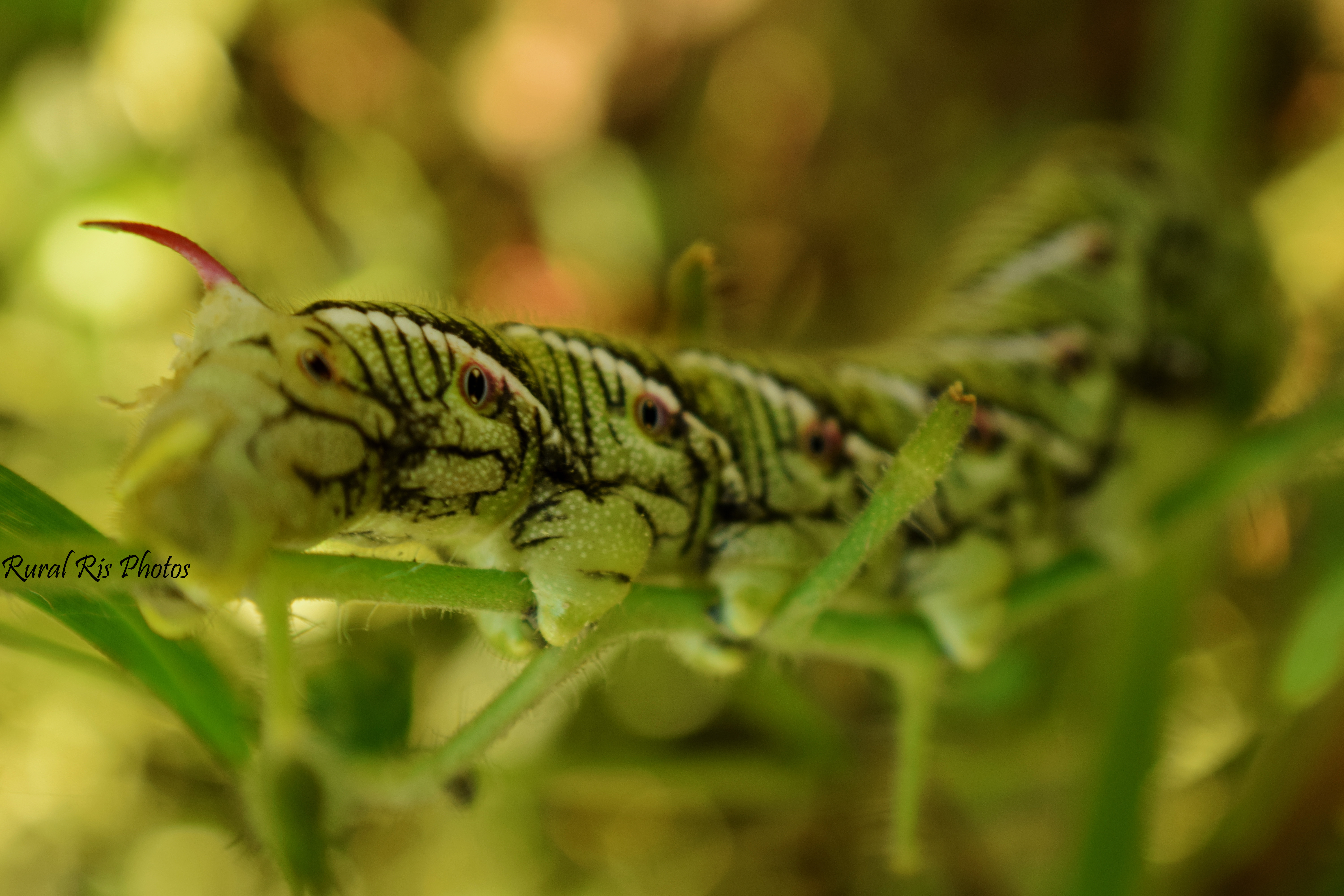
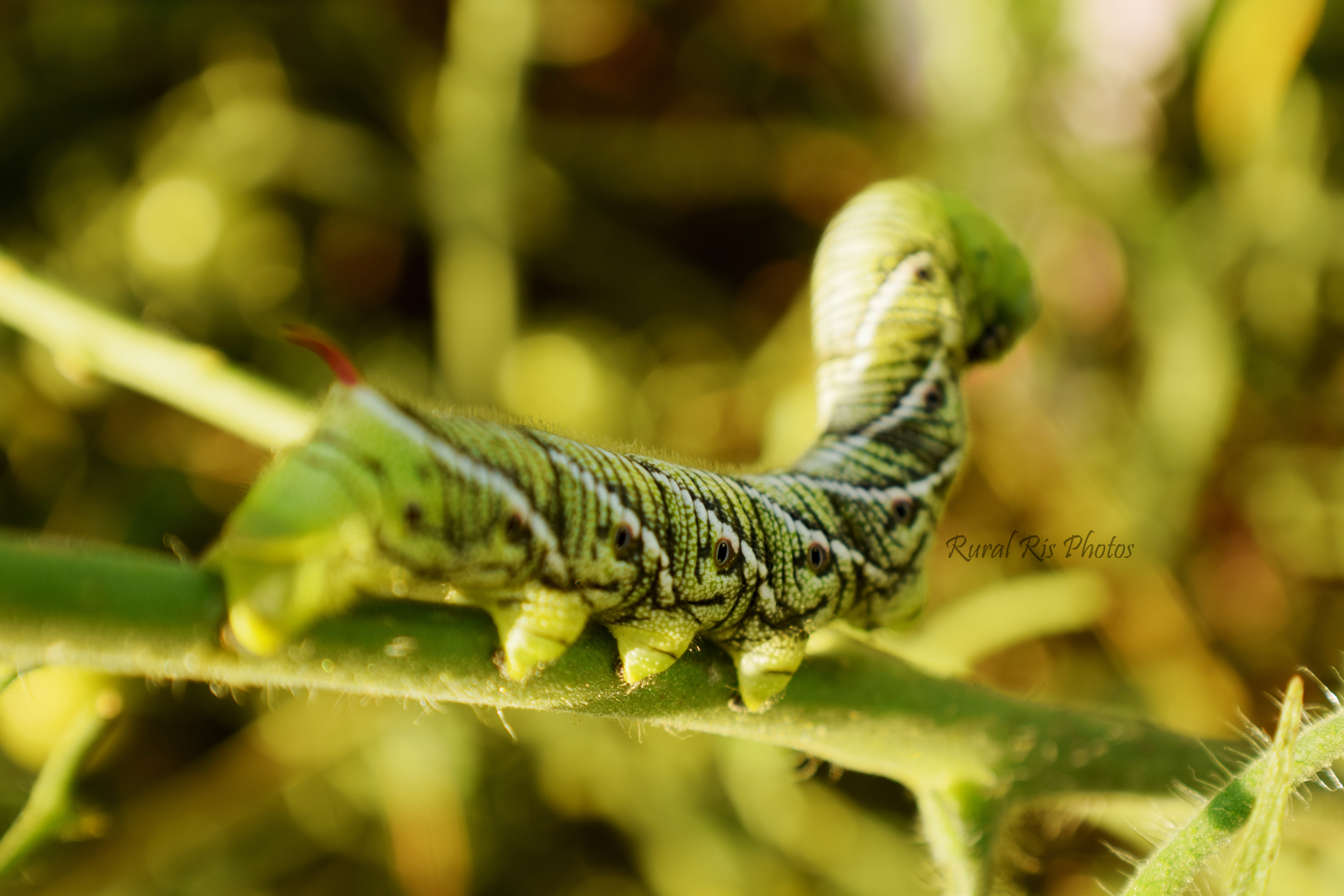
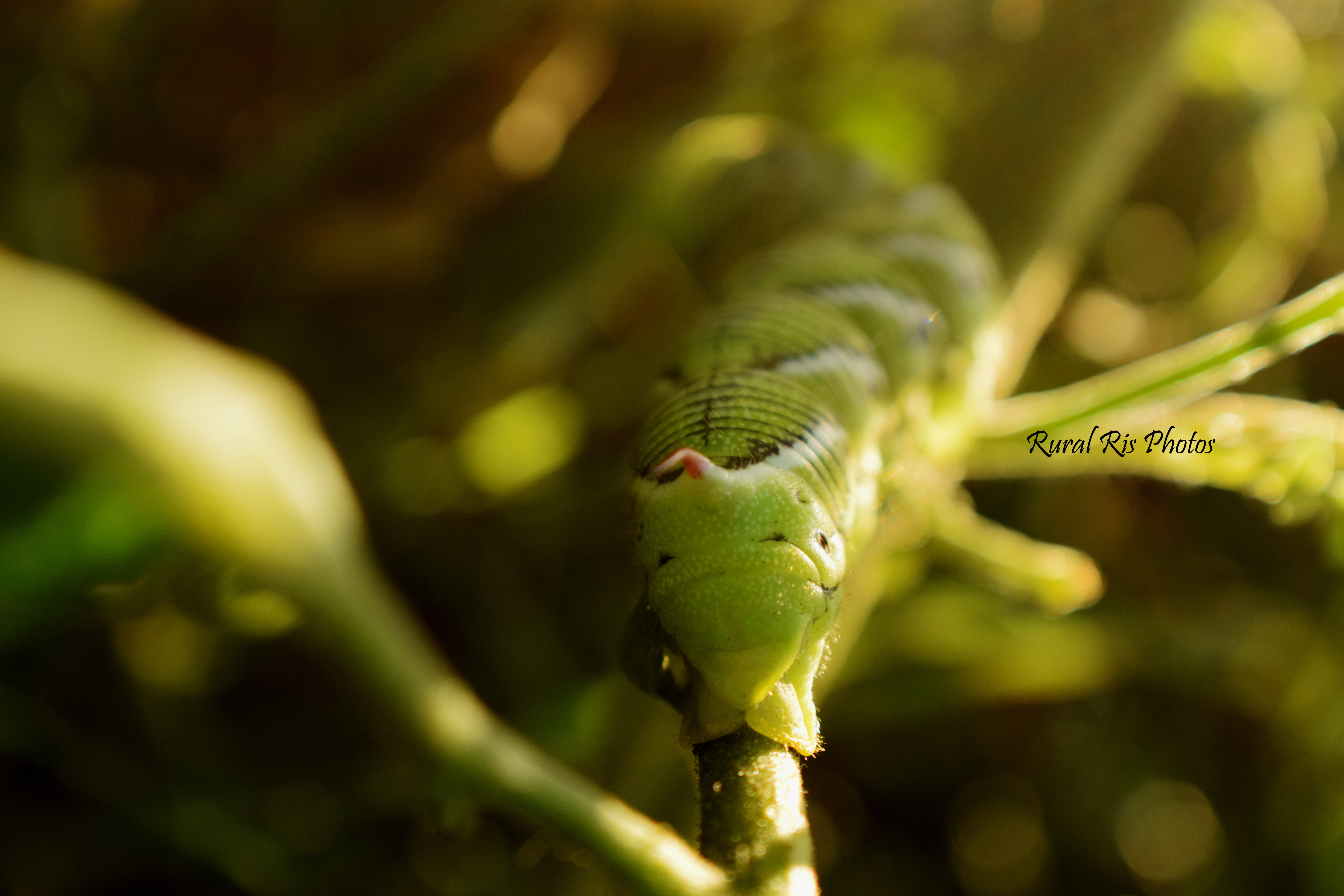
The culprit–hornworms.
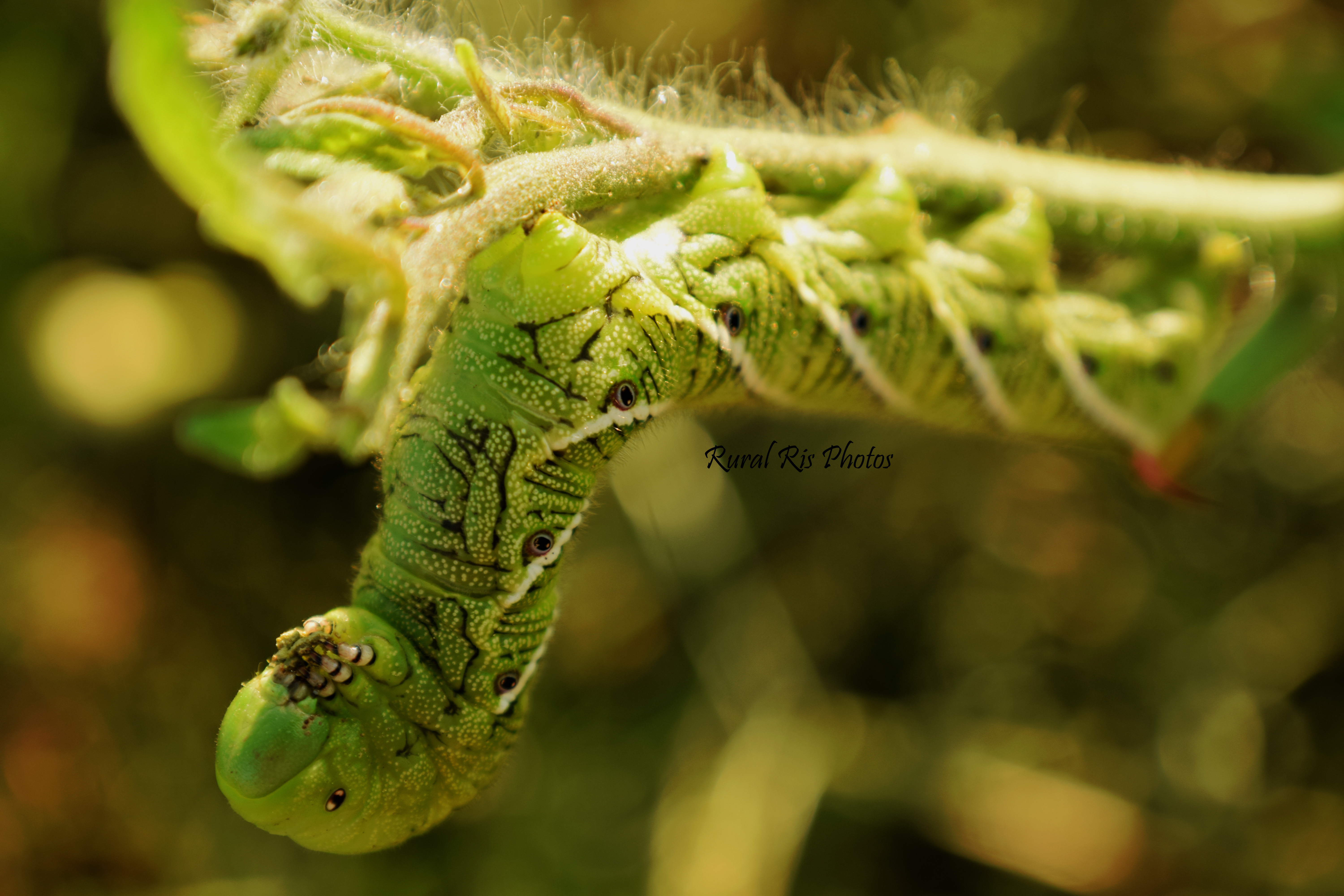
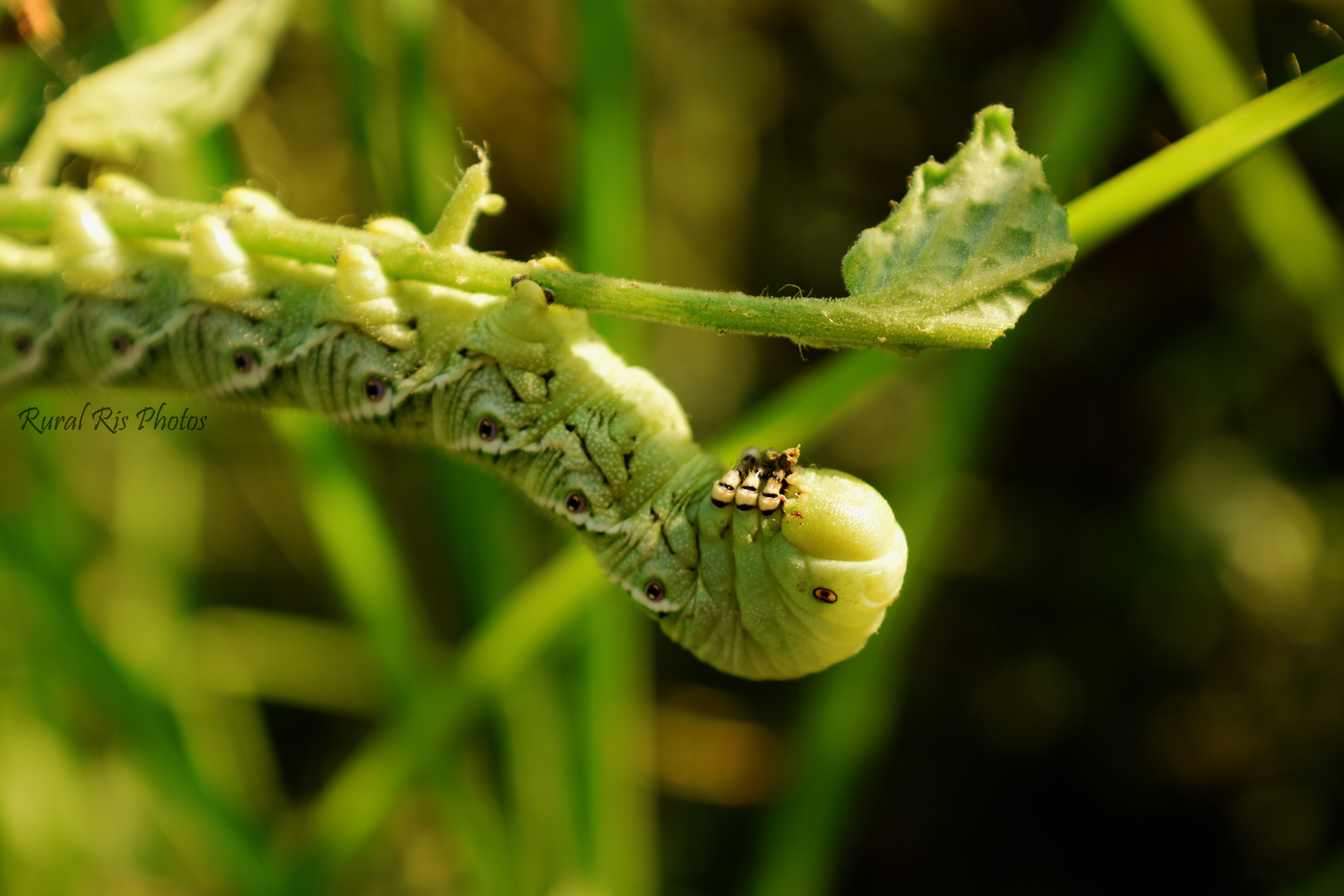
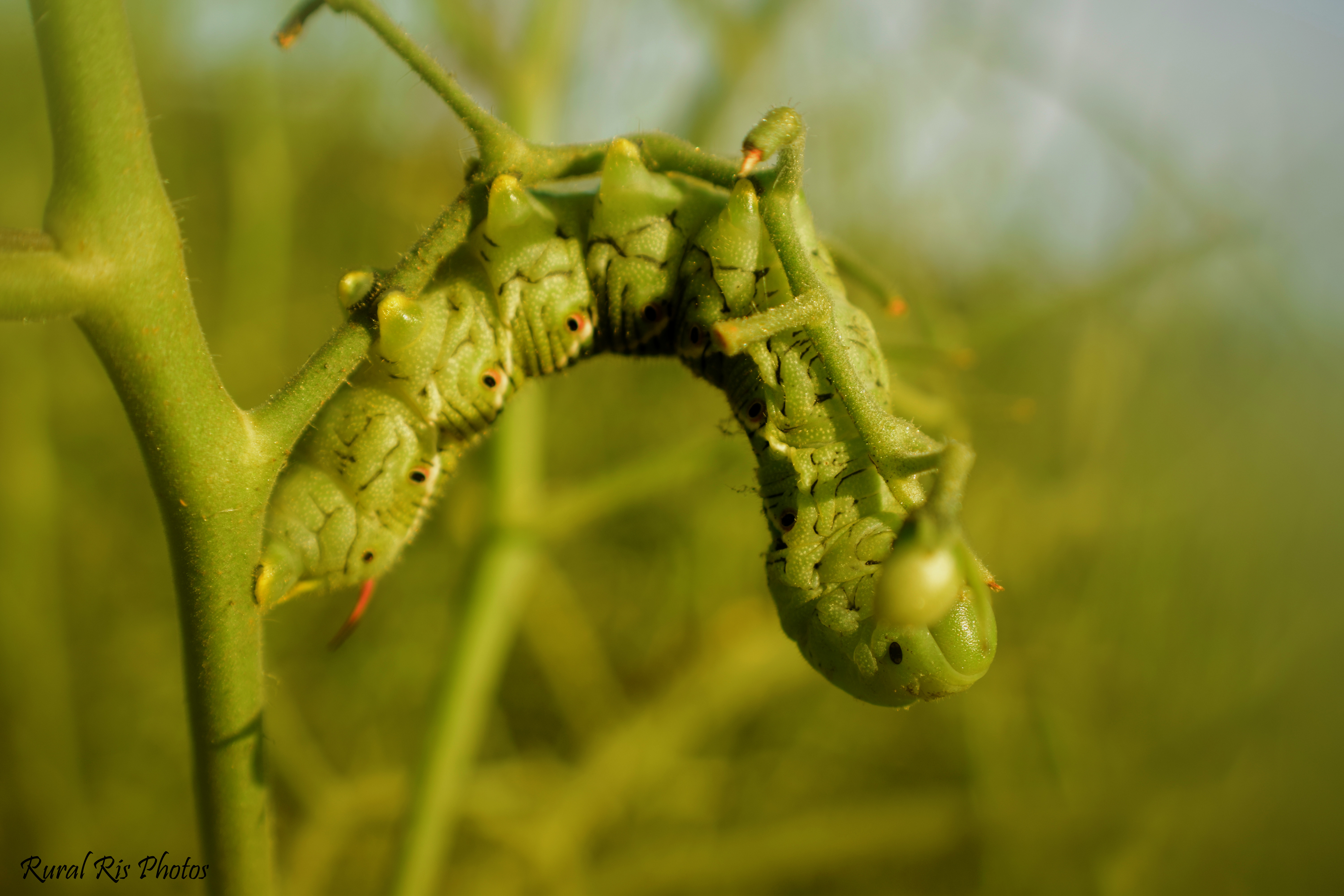
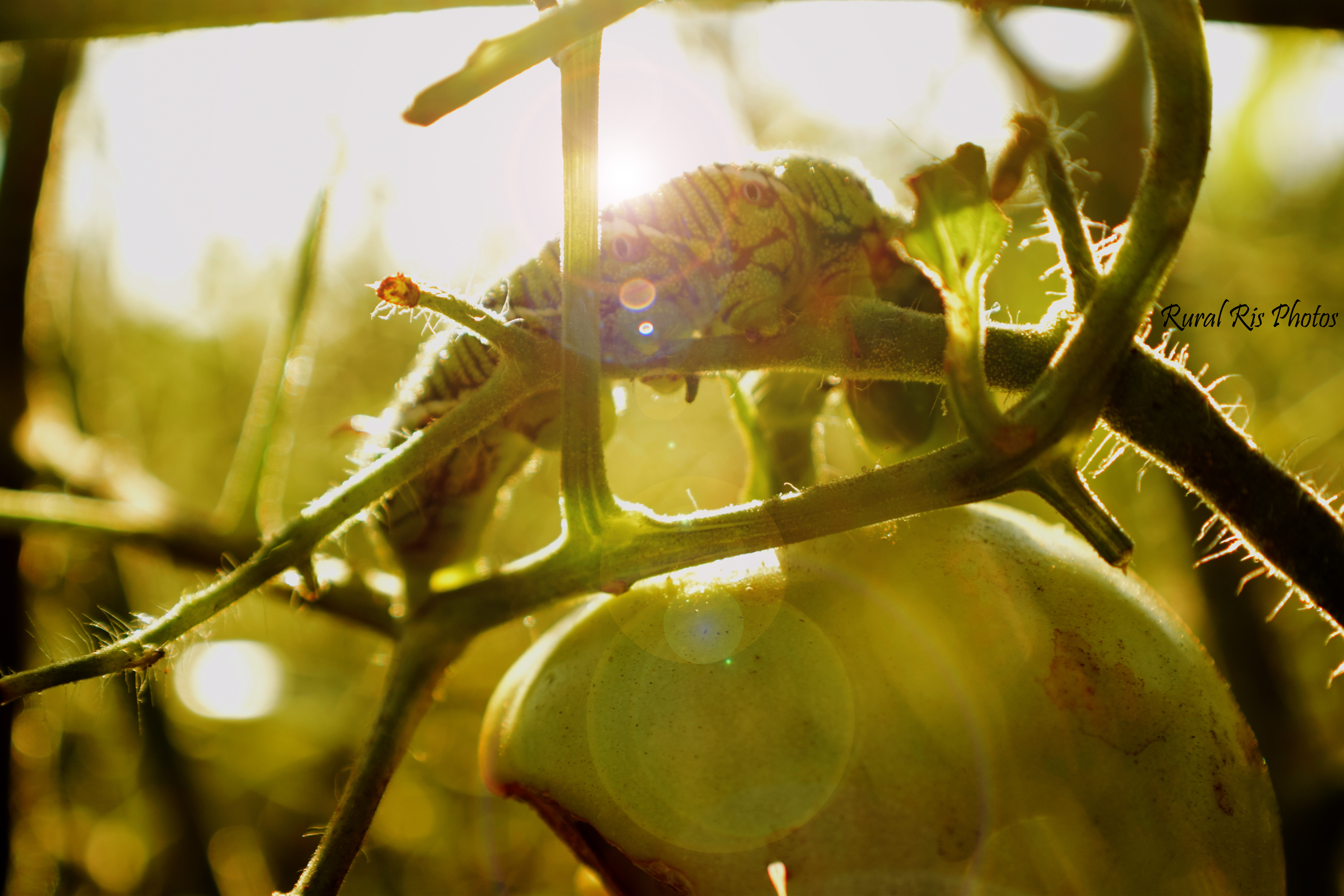
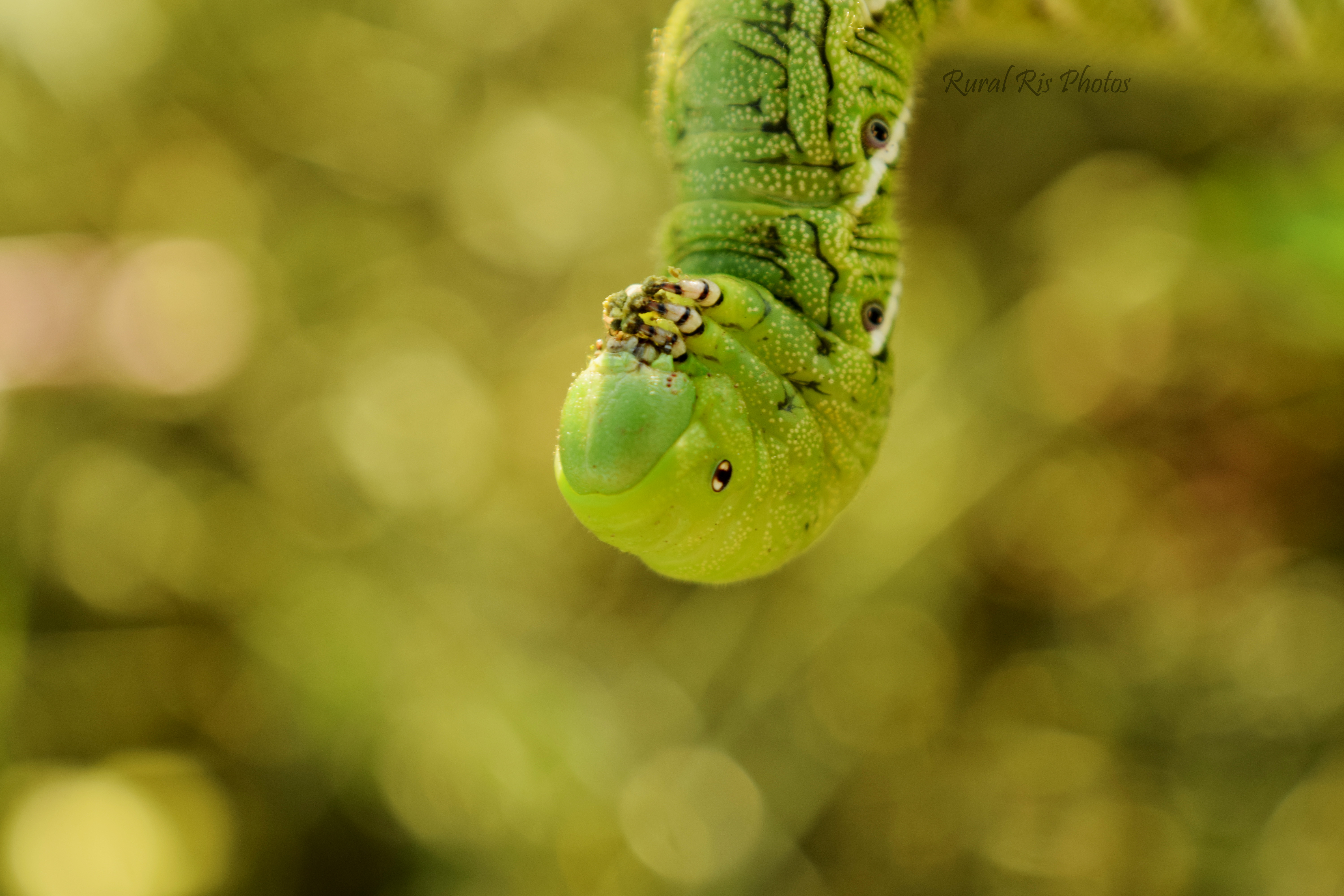
Aren’t they gruesome, yet kinda cool too? They have super good camouflage making it really hard to spot them. We typically don’t even know they are there until our tomato plants start to become naked. Normally, we can catch them before they do too much damage; however, because we were away for a week, our tomato plants fell victim. I guess in this case it is “while the gardener is away the hornworms will play.” They are quite the evil little villain, and have thoroughly shot all chances of anymore tomato sandwiches for me.
Villain Profile:
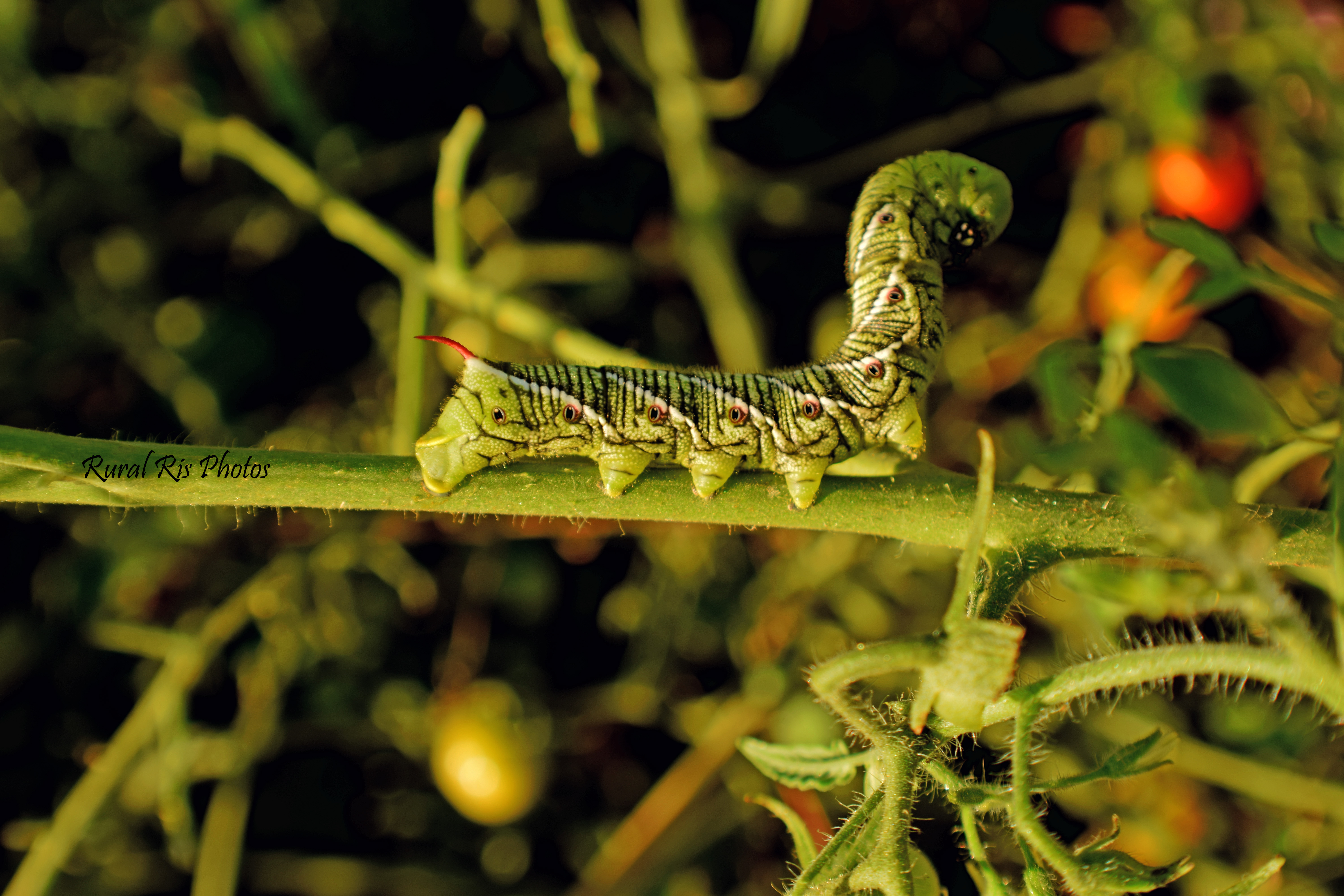
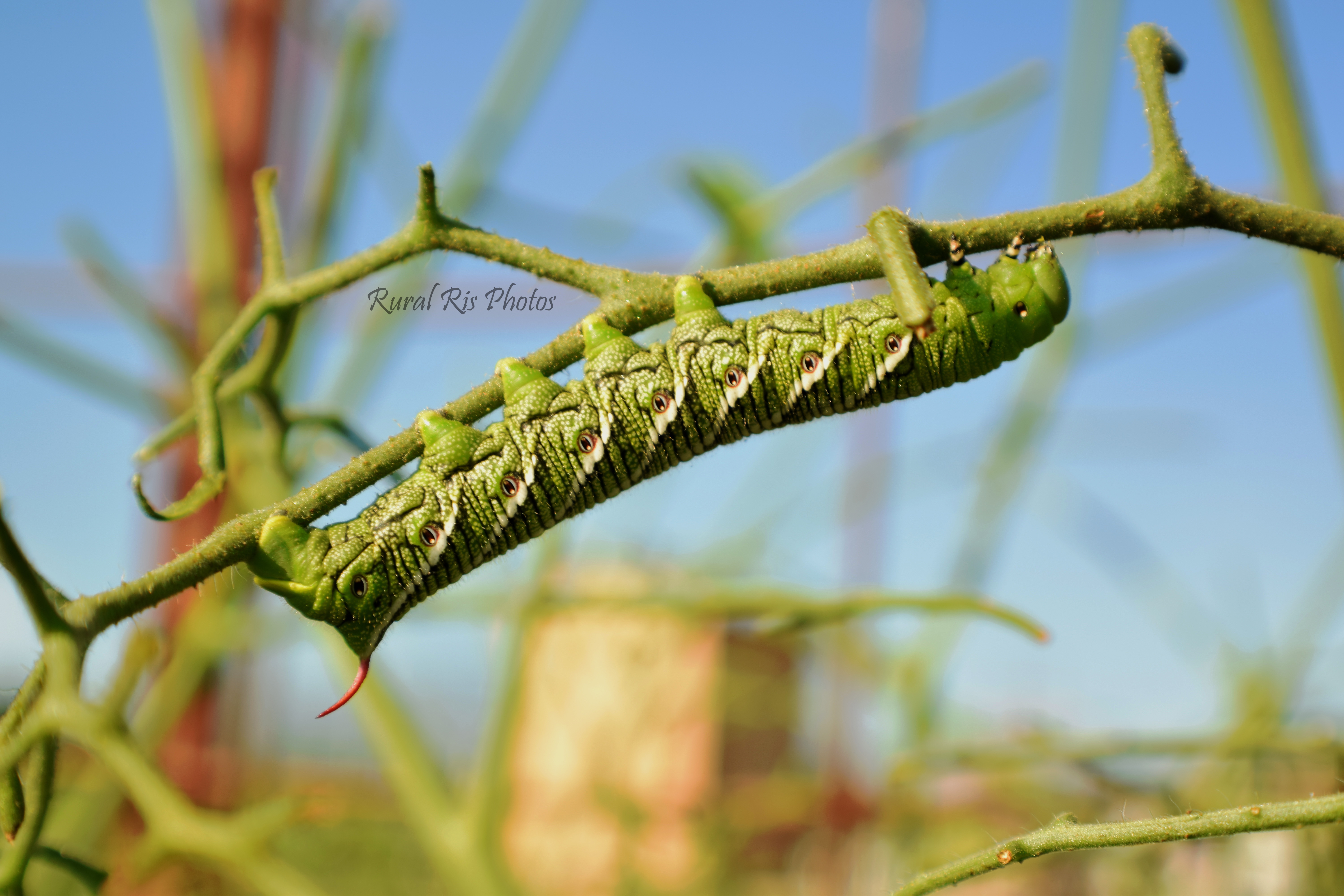
There are 2 varieties of hornworm that can often be seen together on a plant, and they look identical. There is the tomato hornworm, Manduca quinquemaculata, and the tobacco hornworm, Manduca sexta. The biggest difference between the two is the tobacco hornworm has a red horn, and the tomato hornworm has a black horn. Tabacco hornworms also have 7 oblique lateral white lines on them, and the tomato hornworm boasts more of a v-shape in their white lines. We identified our hornworms as the tobacco variety because of their red horn. I will note that some of my research did not differentiate between the two hornworms.
Hornworms are actually caterpillars.They will turn into what is known as the sphinx, hawk, or hummingbird moth.
Photo Cred: University of Nebraska
The adults will lay eggs on leaves, the caterpillars will eat their fill until they are about 3-4 inches in length. After they have matured as a caterpillar, they drop off the plant and bury themselves in the soil to pupate. Moths will emerge 2 weeks later. They do this twice in the summer–once in early summer and again in late summer or fall. Those that pupate in the later half, will stay in the ground until spring.
Photo Cred: UKY
The hornworm gets its name from the horn that is on the tail of the caterpillar.
They are always green with spots, but can range in size.
Criminal Actions:
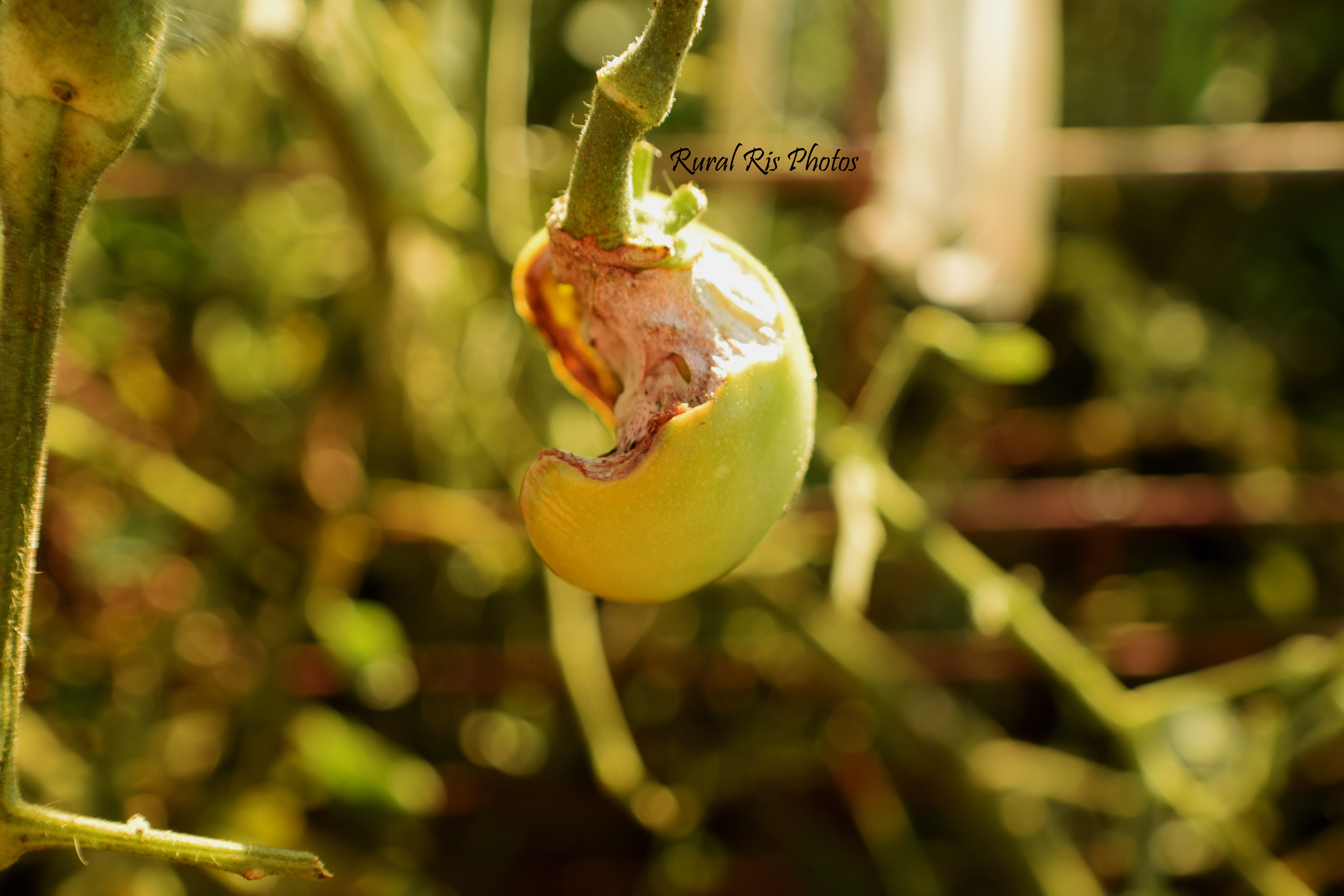
Hornworms strip tomato plants of all of their foliage, and will even eat the fruit of the plant too.
While tomato plants are their target victim, they like anything in the nightshade family. Peppers, eggplant, and potato are also in danger.
Fighting Back:
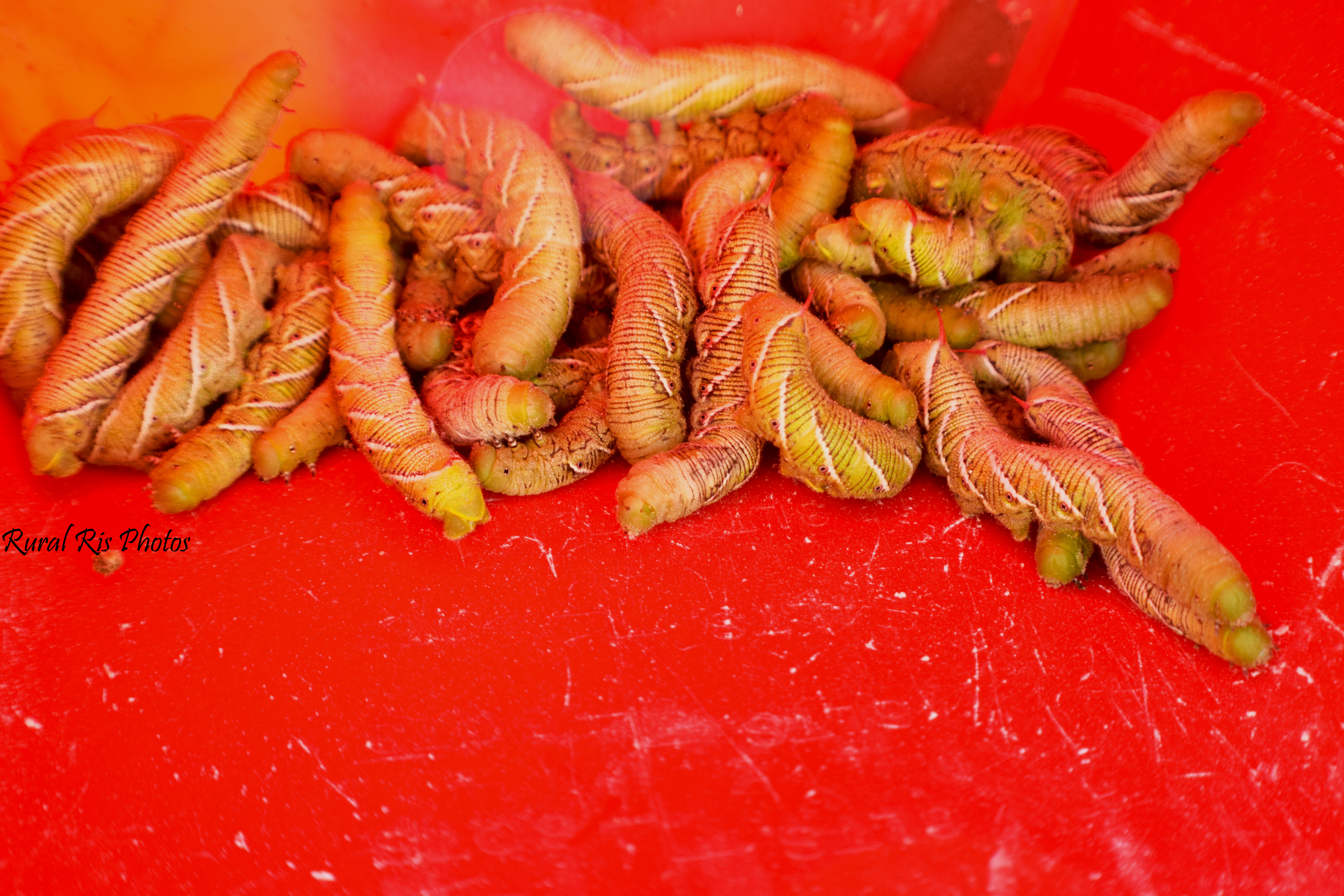
The most effective way to control hornworms is to just pick them off the plant… gross, I know. I wear gloves, because they can pee on you. They can hold on to the tomato plant pretty tight, so you may have to wrestle the dudes off. After hunting for all that you can find (trust me, it isn’t easy spotting them), you can throw them in soapy water to kill them. I just fed ours to the chickens.
These were all of the ones I picked off of our plants
Because the caterpillars can do so much damage in such a little amount of time, it is important to regularly check your plants. Afterall, there is a villain a foot, and they are ready to chomp down on some foliage.
Despite essentially killing our tomato plants, hornworms are pretty interesting. They also make for some cool pics. For the record, though, the pictures I got do not mean I have gone soft. The tomato hornworms are not welcome in my garden.
There are bad things in life that happen to good people, and it is completely unfair. Yet out of the depths of bad and unfairness, strength and grace arise to the surface.
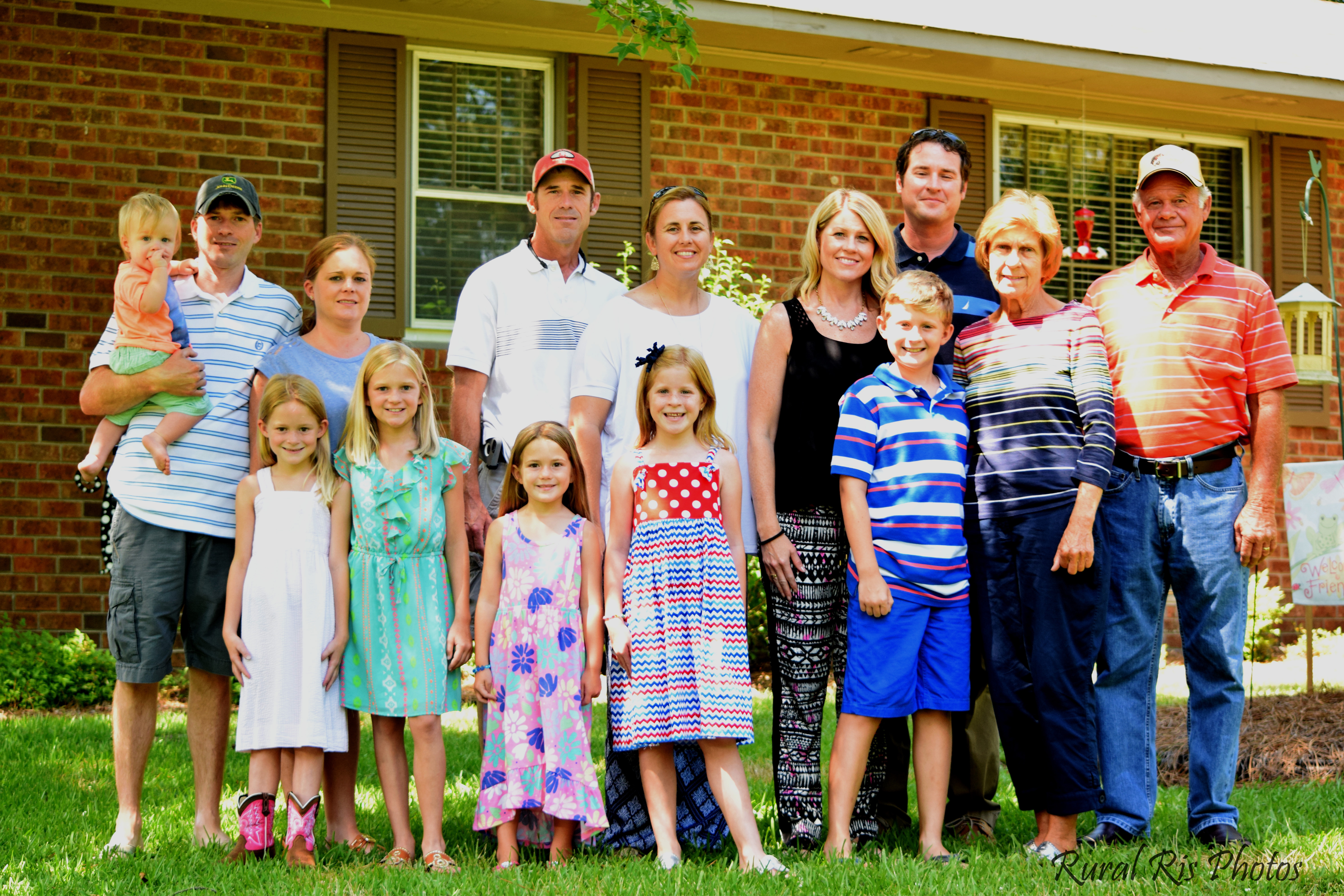
Over the past few weeks, I have had the privilege of getting to know the Taylor family. After several e-mails, they invited me to come to their home and talk with them about their story. It was the youngest Taylor’s first birthday, and it was a privilege to be able to take a peek into this special family’s life.
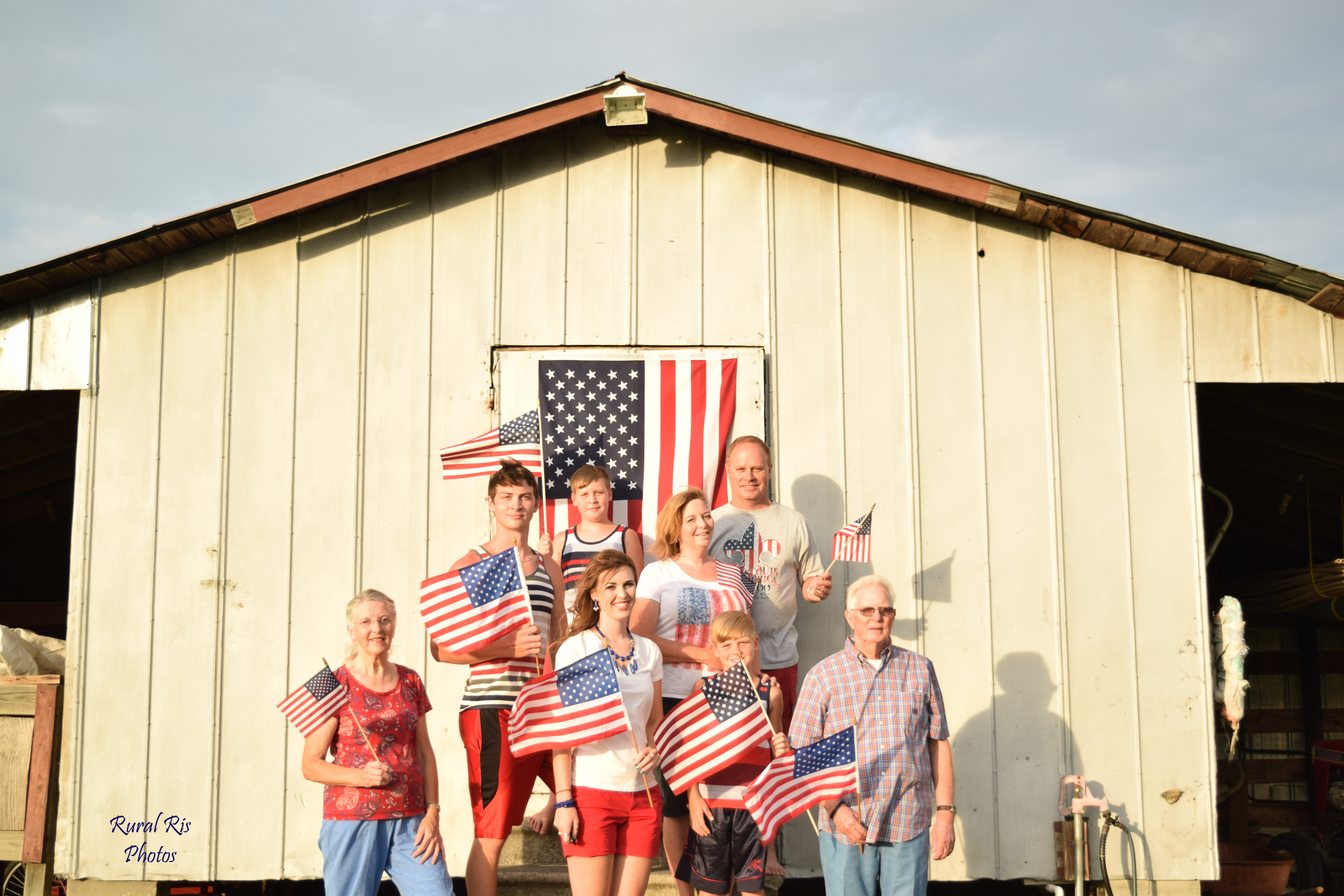
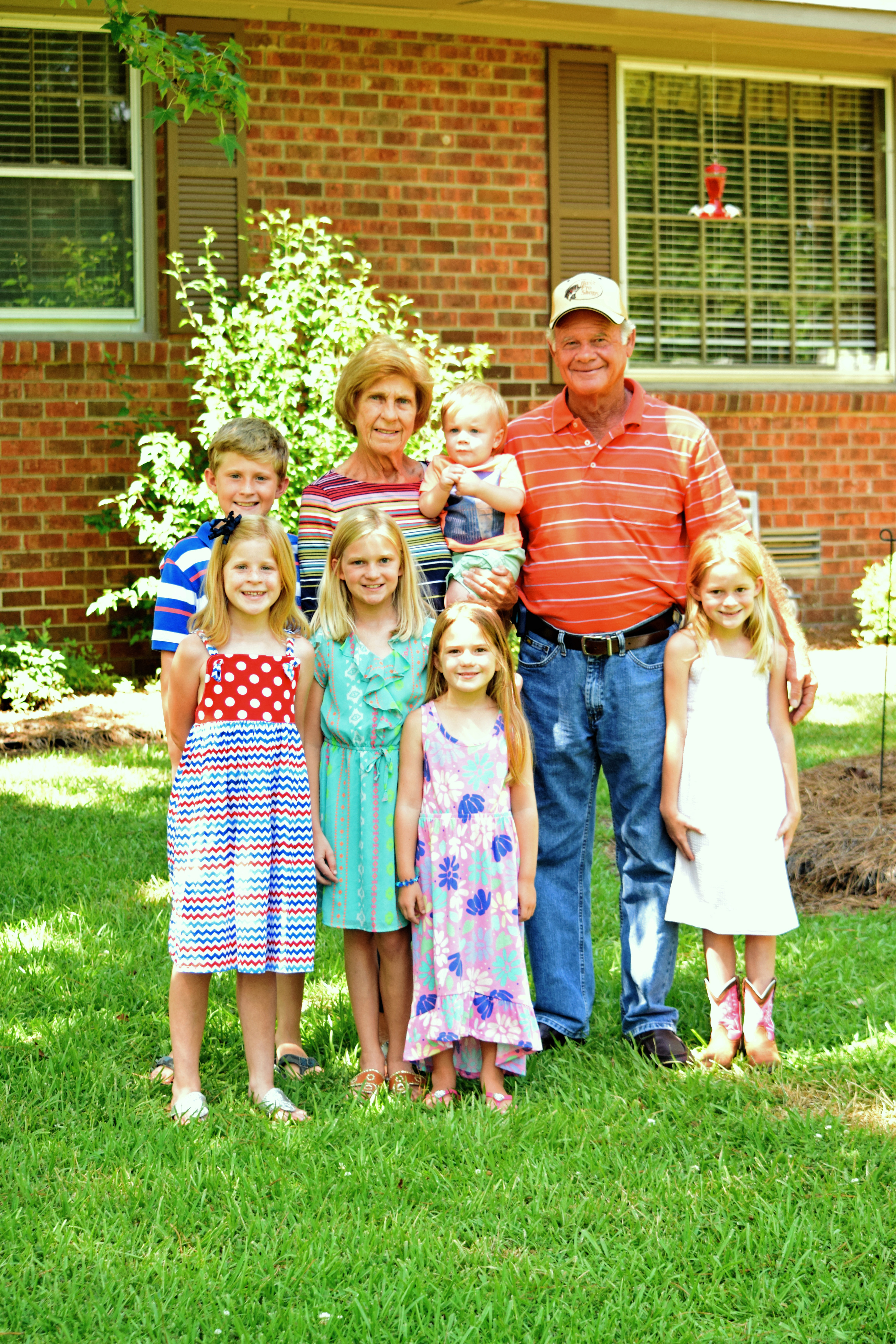
Front, L to R: Brooke, Ivy, Halle, Kinsleigh, Chase, and Mrs. Annie Back, L to R: Kevin, Jason, Angie, Johnnie, Tara, Sheila, Preston, and Mr. Donnie
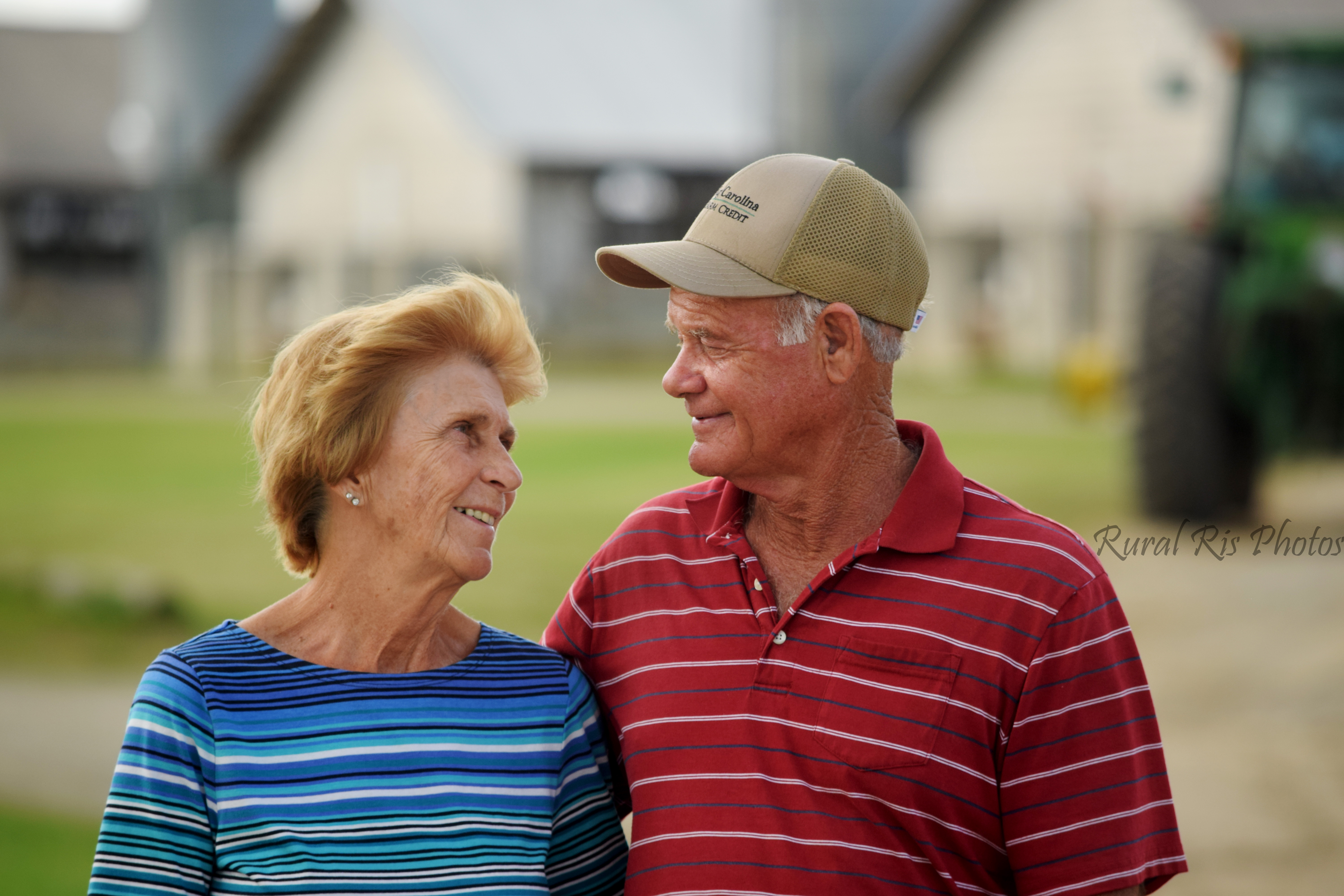
Donnie and Annie Taylor live in Pink Hill, North Carolina. Married in June of 1968, the couple began their life on the family farm. Donnie graduated from North Carolina State University Agriculture Institute (Go Wolfpack!!).
They had three children– Johnnie, Sheila, and Jason– who are now married and have children of their own. Johnnie, and his wife Tara, have a 5-year old daughter named Halle. Sheila married Preston Sutton, and they have a 9-year old son, Chase and a daughter, Kinsleigh, who is 6. Jason and his wife, Angie, have two daughters, Ivy who is 9, and 6-year old Brooke . They also have a son named Kevin who just turned 1. Johnnie and Jason both work on the family farm with their dad, Donnie, and Sheila works in oncology clinical trials. The whole family spends a lot of time together. They all go to the same church, cook out together, and are big fans of Jenga. They constantly work together as a team, whether they are working on the farm, or tag-teaming to get all the cousins to their many activities. It doesn’t take long to see the bond they share between each other, poking fun at each other, and even finishing one another’s sentences. If they don’t sound great enough already (I mean, NC State alumni, food lovers, and super nice…you can’t go wrong), they are also a farm family.
Donnie and Annie have been farming for 47 years. Throughout that time, they have worked hard to create a farm for their family’s future. They started off with row crops, and in the 90’s, they built three hog finishing houses, later adding 8 chicken houses in the 2000’s. Their oldest son Johnnie manages this farm. In 2010, they made the decision to expand their farm by purchasing a hog farm about 25 miles away that included 14 finishing houses, 6 nursery houses, and over 200 acres. Apart from being a good deal, they chose to buy this farm in an effort to provide the opportunity for their youngest son Jason to come back home to farm. Even though the farm needed cleaning up, they were excited for this chance. Donnie could wind down and retire, while his two sons took over their respective farms.
Mrs. Annie and Mr. Donnie have farmed all of their life.
I wish with all my heart I could stop their story there. I wish I could tell you they did a “farm flip” that everyone loved. I wish I could say they are looking forward to many more great years of farming. I wish I could, but I can’t. You see, behind this smiling family that loves Jenga and cookouts, is something devastating and heartbreaking. I suppose every good story has a villain or some sort of tragedy that must be conquered, and I suppose this is one of those stories.
Just 29 days after closing on the farm in 2010 and a few days before Christmas, Mrs. Annie received a phone call. It was a reporter asking what her response was about the intent to sue she had from the Waterkeeper Alliance, Neuse River Keepers, and North Carolina Environmental Justice Network . In this way, the Taylors discovered that environmental activist groups had filed an intent to sue against the farm the Taylors had just purchased less than a month before.
Being told you are being sued is something I can only imagine. When I think lawsuit, I think of the lady who burned herself on the McDonald’s coffee– not this, and yet here it is. The Taylors were sued for violating the Clean Water Act because of accusations of being irresponsible with the hog waste from the farm.
*For those who do not know, most hog farms house their pigs in large barns. The floors of the barns have small slats in them so the pig poop can fall through and be flushed into a pit called a lagoon. These lagoons are lined and have to meet special regulations. Part of those regulations are to keep them at certain levels. This is done through pumping. Special machinery pumps the hog waste, a.k.a. fertilizer, onto crops. This also involves regulations. No pumping is allowed if it has just rained as this will cause run-off into ditches and waterways. While it may sound super gross to have a “poop pond” it provides crucial fertilizer for plants.
If you remember, this suit happened within 29 days of buying the farm. The Taylors had to do a lot wrong in such a short amount of time, but the thing was, they hadn’t. They had not even pumped yet when the lawsuit was announced. They knew the farm needed some work, but they were willing to do that themselves. They decided to sit down with the groups who had filed the intent to sue and find out 1) what they had done and 2)what the groups wanted them to do. At the mediation, they were told to get a lawyer. The groups stated they had enough evidence to bring them to court that day.
The Taylors were taken aback, but still shared with the environmental groups the 5-year plan they had set up that showed how they planned to fix the farm; however, it didn’t matter. The lawsuit persisted.
Fast forward to today… 5 years later. Since the day they found out about the lawsuit, it has seemed that the family has been in a constant state of rough waters, but they have continued to plow through their daily life (no pun intended).
They have cleaned up the farm by mowing around the hog houses, hired someone to haul 5 tractor trailer loads of trash from an open dump that the previous owners left, and repaired parts of the farm that had become run down. Many have noticed the improvements on the farm to the point that neighboring farms have gotten the family to include their land (a total of 500 additional acres) in their waste management plan (a plan that maps out where they will apply the hog waste). Neighbors have told them what a good job they are doing.
“Everyone wants cheap food, and I think we do a really outstanding job of that here,” said Mr. Donnie.
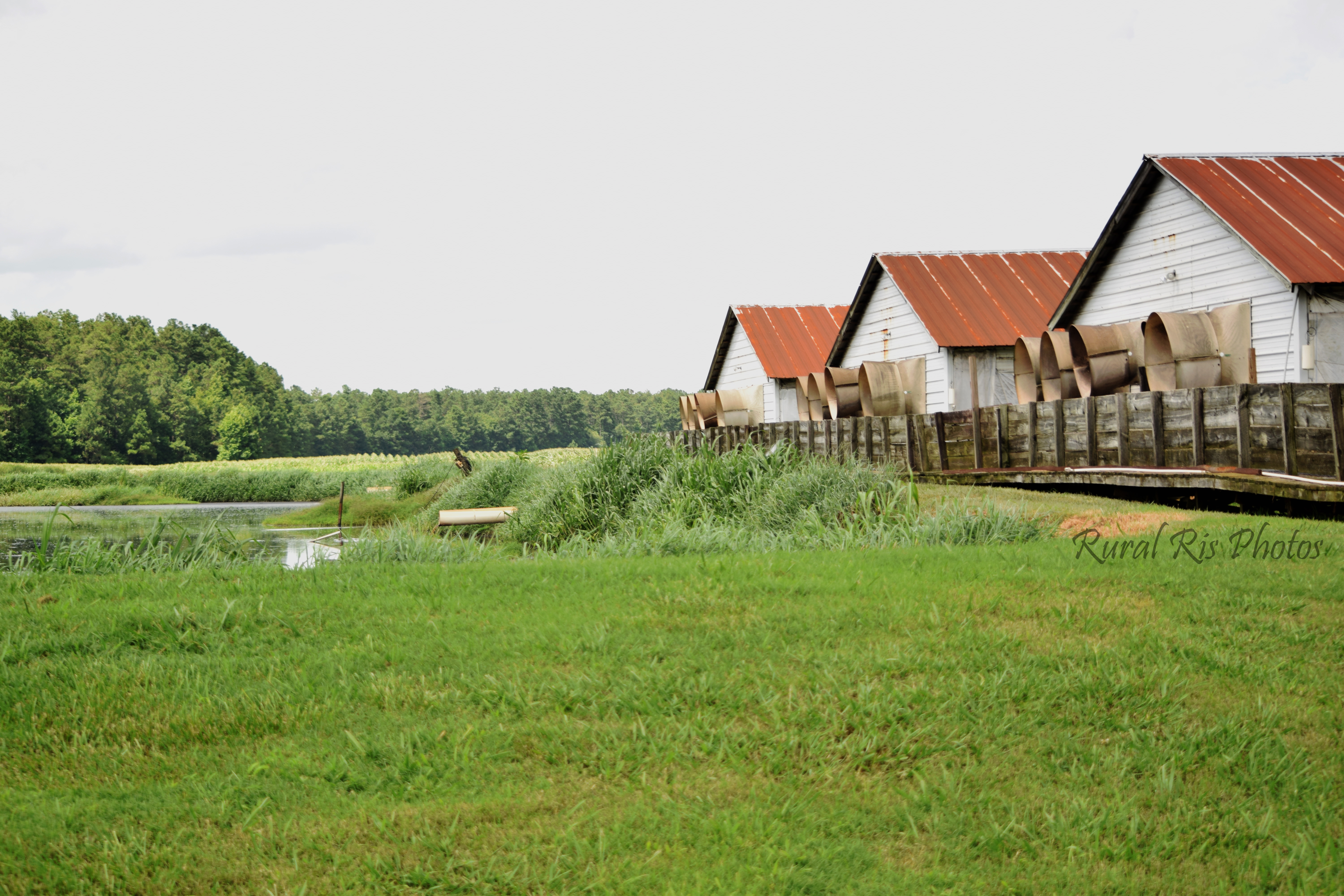
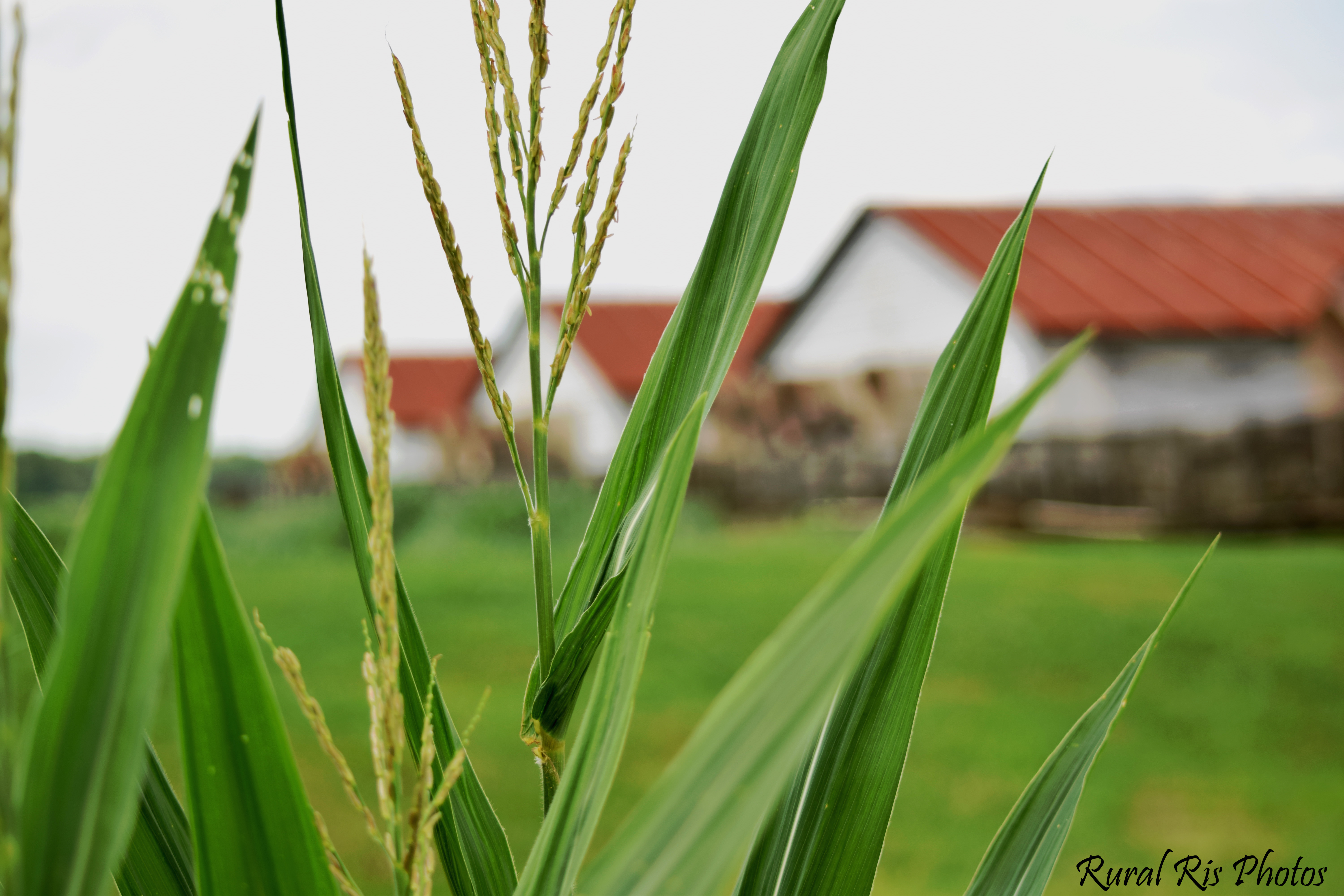
I visited the farm and was impressed myself with how pretty it was. The farm is down a dead end road. If you can imagine over 200 acres surrounded by trees, planted with tall corn, hog barns on a hill, and a dirt path to reach it all, it sounds pretty picturesque.
Apart from making the farm pretty, they have also had many officials test their facilities to make sure there was not any environmental damage occurring. The farm has been inspected by the Environmental Protection Agency (EPA), Department of Environment and Natural Resources (DENR), Division of Water Quality (DWQ), and Carl Dunn, a state engineer; all have found the farm to be in great working order, with no violations occurring. The Waterkeeper Alliance was even allowed on the farm by a judge on four separate occasions to take soil, water, and lagoon samples. They were even allowed to enter the hog barns. I’d like to stop here, and express how upsetting this is. Farms are an extension of a person’s home. They are where they work day in and day out. It is where memories and lessons are learned. Can you imagine people coming onto your property (after accusing you of something), taking “evidence” and then actually going into your house when the supposed “crime” happened outside? It is tough. Compound that with the fact that the hog industry is facing a lot of disease right now, and introducing people is a bio-security hazard that may spread even more disease. I, for one, would be turning 50 shades of red, having to watch it occur. Not only that, but the activist groups fly over the farm multiple times a week, often flying very low. They also go up to the gate of the farm to take pictures. A family lives at the gate entrance of the farm (they also work on the farm), and they have to endure the constant cameras and planes at their home, and there is nothing that the families can do about it.
“You think you have a lot of rights. You think you can keep them off your property. You cannot,” said Mr. Donnie.
I should note here that despite being on the farm 4 separate times and being inspected more times than that, there has yet to be any evidence that shows the Taylors have violated any regulations. This is perhaps the most frustrating part of it all. While the activist groups are searching for evidence against the Taylors, the family is having to pay 5 year’s worth of legal fees plus deal with the emotional stress of it all. As Jason put it, “We are guilty until proven innocent.” To show just how much the activist groups are searching for any kind of evidence, the Environmental Justice League backed out of the lawsuit because they felt there was a lack of evidence.
The Waterkeeper Alliance won’t tell the family what they want. They won’t say what they want changed.
“They’ve given us nothing that they really want. There is no way to fix it. You’re just in limbo,” said Mrs. Annie.
Mr. Donnie added, “They won’t give you an answer back. They won’t meet with you or talk to you.”
It is terribly frustrating to want to mediate and want to put it behind them, but are not allowed to. The Taylors would love to mediate and fix anything that is wrong, but they first have to be presented with that.
“The thing that bothers me most, is where are the facts? Give me the facts. Show me that I’m ruining the environment. You know?” said Johnnie.
More than this, if there was something wrong that was causing environmental damage, would it not make sense to go ahead and fix it rather than drag a lawsuit out for years? The Waterkeeper Alliance had been watching and investigating this farm 3 years prior to the Taylors buying it. For a total of 8 years, these so-called environmentalists have been making plenty of accusations but doing nothing to make a difference. Would it not make more sense to work with farmers, rather than tear them down? I understand that there should be consequences for violators, but I also think a helping hand goes a lot farther than a slap in the face. It makes it worse that the Taylors haven’t done anything–insult to injury. In my opinion, the real environmentalists are the Taylors. They are the ones who have fixed anything wrong with the farm with their hard-earned money. They invited people to inspect them. They have a passion for the environment. When I was visiting with them, they showed me countless photos of bear, turkeys, and deer on their farm. They are avid fishermen, hunters, and outdoorsmen.
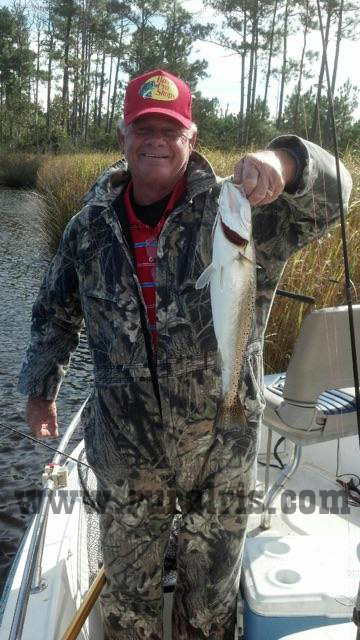
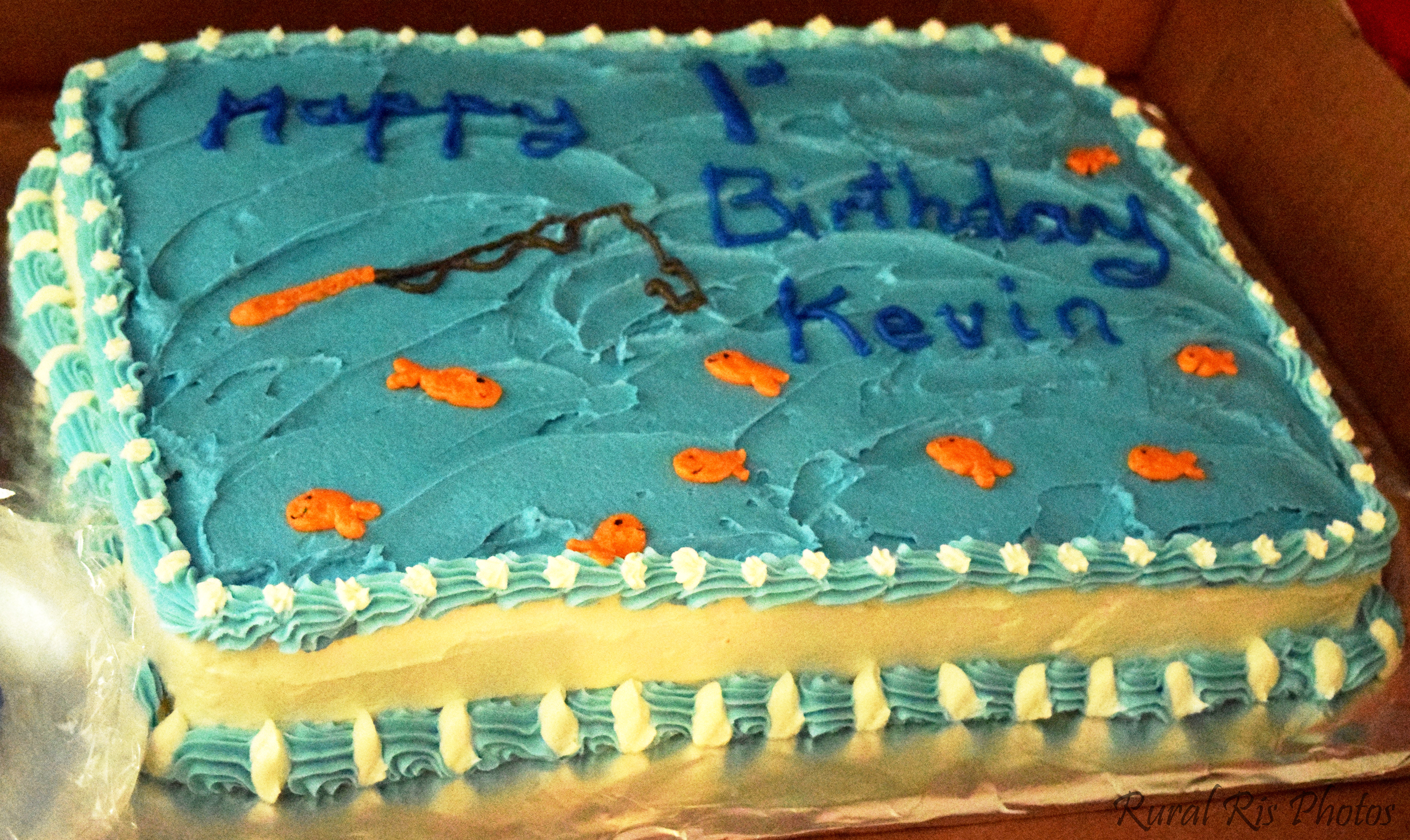
Get this…. at little Kevin’s party (which the Taylors so graciously invited me to) his cake was a fish cake! Do they seem like big bad polluters to you? I didn’t think so.
The lawsuit is not the only thing (I know give these folks a break for Pete’s sake!). Hurricane Irene blew through 10 months after buying the farm. This took some of the barn roofs with it. It, along with all the other wet summers did nothing for the efforts in keeping the lagoons at a low level. There were times where they had to hire honey wagons (trucks that haul the waste away) to keep the levels low. This cost over $100,000. In addition, Mr. Donnie has had to have a pacemaker. The stress has not helped his health.
The last five years have been extraordinarily hard.
“We are just small, simple-minded people that have worked all of our life to try to have something. You know, right or wrong, that’s all we’ve done. We’ve worked hard for it. No one has given it to us, and for them to come along and if they would just say ‘hey this is what we want you to do, we would have done it,” Mrs. Annie said through tears.
They live with it every day, working harder than ever, even though they still may lose the farm.
“You still have to go to work. You still have to do everything you always did, knowing, that hey, you worked all your life for this to try and support your family and help everyone along and now it comes to this,” Mr. Donnie said.
More than costing them sleep, it has also cost them major bucks. Legal fees have cost them over $600,000 on top of the costs it took for them to repair the farm. The family has now had to file bankruptcy, and the lawsuit continues. They aren’t sure if they will have a home next year and may even lose the entire farm. This weight is evident:
“We filed bankruptcy. We still can’t get away from it. We still might have to fight this case, and it is going to take everything we got. We’ve been married 47 years, and it is going to take everything we got, and it’s just not right. I feel like I have pulled a 5 year sentence…for nothing. I feel like I’ve been in prison, and every day I get up I feel like I am bound. I can’t get released from it. It’s just not fair, and I know life isn’t supposed to be fair all the time, you know?” said Mrs. Annie.
They have recently started a Go Fund Me account to help them cover the legal costs. If you would be gracious enough, I know they would love any help you could give them. You can go here to donate:
In addition to donating, you can also become aware and spread this story. Unfortunately, the Taylors are not the first to endure such troubles with the activist groups.
The Taylors are a family, much like yours or mine. Mrs. Annie loves being a Nana to all of the grandkids.
The whole family is involved in their local church, as well as their community. Despite this lawsuit, they manage to laugh and find reasons to smile.
“We do all we can for as long as we can. It doesn’t cost much to get together as a family, so that is what we do. We will be fine. We have three kids we can rotate living between if we have to,” joked Mrs. Annie.
This storm will pass, but in the meantime, family is what anchors them during these rough waters.
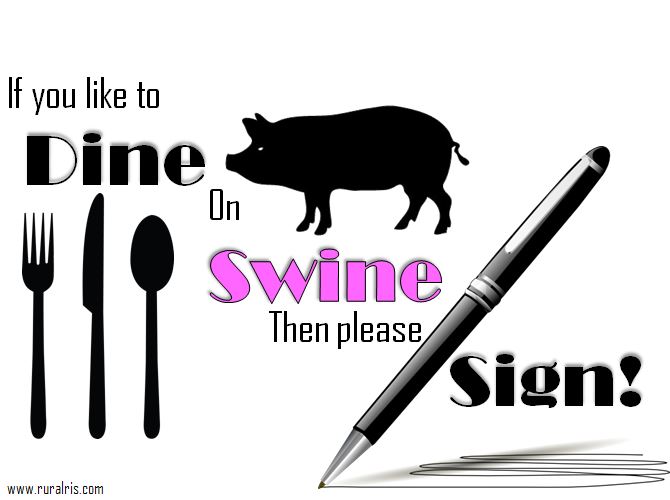
Coming across a petition for or against something happens about as often as gas prices change. OK, maybe not quite that much, but they do pop up quite often. Some petitions seem rather silly or only matter to a select few, but there are those certain petitions that can make an impact on many lives. They have the potential to make a difference and they matter to more than just a few individuals. I’m not talking about the petition I saw regarding Bojangles’ Cheddar Bo Biscuits and their goal of making sure every Bojangles establishment sells the cheesy goodness (although, it is a good thing to petition for). The petition I have in mind that is worth taking time to sign is the Protect North Carolina Farm Families. If you like to dine on swine, then you should definitely sign!
What is the petition about?
This petition has been created as a result of a large amount of attacks on the swine industry for many years.The industry has been put in a poor light by bad press, activist groups, and lawsuits regarding animal welfare and the environment (read about the latest major attack here). The petition’s goal is to bring attention to the good that the industry provides (such as jobs and the economy) and highlight the families behind the farms. The goal is to get 10,000 signatures by June to send to Governor Pat McCrory.
Why is this petition and movement so important?
Sadly, there are groups that have not only stirred up trouble regarding the hog industry, but they have also caused a lot of grief and harm. Not only have they had rallies in Raleigh and put up billboard campaigns, but they have filed countless lawsuits, against both larger and smaller farms, most of which are family owned. There have been cases of bankruptcy and the loss of those farms. Even within the larger companies, individuals are being singled out for lawsuits causing a lot of stress and burdens. At times, the only thing these families are guilty of is owning a farm. While there may be cases of neglect and poor management, the majority of cases do not involve this. Almost always, farmers try to negotiate and mediate with these groups to reach an understanding or agreement; however, it is often that this does no good.
With all that being said, farmers are your neighbors. They are your friends. They are the people you go to church with or see at your kid’s baseball game. Farmers are families, trying to make a living like anyone else. Not only are they families like yours, but they have a passion for what they do. They work hard to create a quality product for you. The life of a farmer is unpredictable, with unforgiving weather, disease outbreaks, and property damages. Add to this unpredictability, the potential for groups to sue them. It is often a scary world for farmers.
By signing this petition, you are not only showing your support of farmers, but you are helping families–moms and dads, kids, grandparents. You will also be helping your own family. Showing support for farmers and the job that they do, helps ensure an affordable product for you. What is that product, you ask? Bacon, pork chops, sausage, and ham. It isn’t just the delicious products that complete your breakfast meal, it is also everyday products you may not realize are made possible by pigs. Do you like s’mores? Marshmallows are made possible by pigs. How about the Superbowl? They are throwing a pigskin football. If that doesn’t get you, there is also insulin, soap, crayons, just to name a few. The point is, that if you sign this petition you are helping to keep products like these affordable for your family. It is a win-win situation. More than one family wins. Signing this petition is important, and your voice matters. The goal is 10,000. Make sure you are among those marks.
I don’t support hog farming practices, so I shouldn’t sign this petition
While I would encourage you to do as much research as possible about hog farming practices, I understand that you may simply just not agree with them. By signing this petition, you are not really supporting those practices, but rather, you are supporting FAMILIES and their livelihood. I don’t know of many who would disagree with that cause. Not only are you supporting families, but you are joining a community. In this community, you can have conversations and learn. Please, do not get hung up on the fact that you may not support certain practices. Look at the larger scope and support your fellow human, join a conversation, and be willing to learn. Perhaps we may learn a thing or two from you. I would ask, that if your mind is closed, to please open your heart up to a family much like your own.
I don’t have the time
I promise you that you have time. It takes less than 5 minutes. Click on this link and SIGN! It is just that simple. It took you longer to read this post than it would to sign it.
I want to do more than sign!
Great! You can become a sponsor for the initiative. Your logo will be featured on the site. You can also do something as simple as sharing this petition as much as possible. Get your family and friends to sign. Tell your farming story. Tell your friend’s farming story. Share your support for NC farm families in any way you can, whether that is a bumper sticker, word of mouth, or through Facebook. Know that every little thing counts.
Whatever your stance is, wherever you are from, please be sure to sign the petition to support NC Farm Families. It takes less than 5 minutes and is a worthy cause. Farm families are already an endangered species with less than 2% of the population accounting for farm families. With recent attacks, some may not survive. If you like bacon and you like to dine on swine, then please SIGN! If you aren’t a bacon fan, that’s fine. Have a heart, take part and support local families. Thank you in advance! Your support means the world!
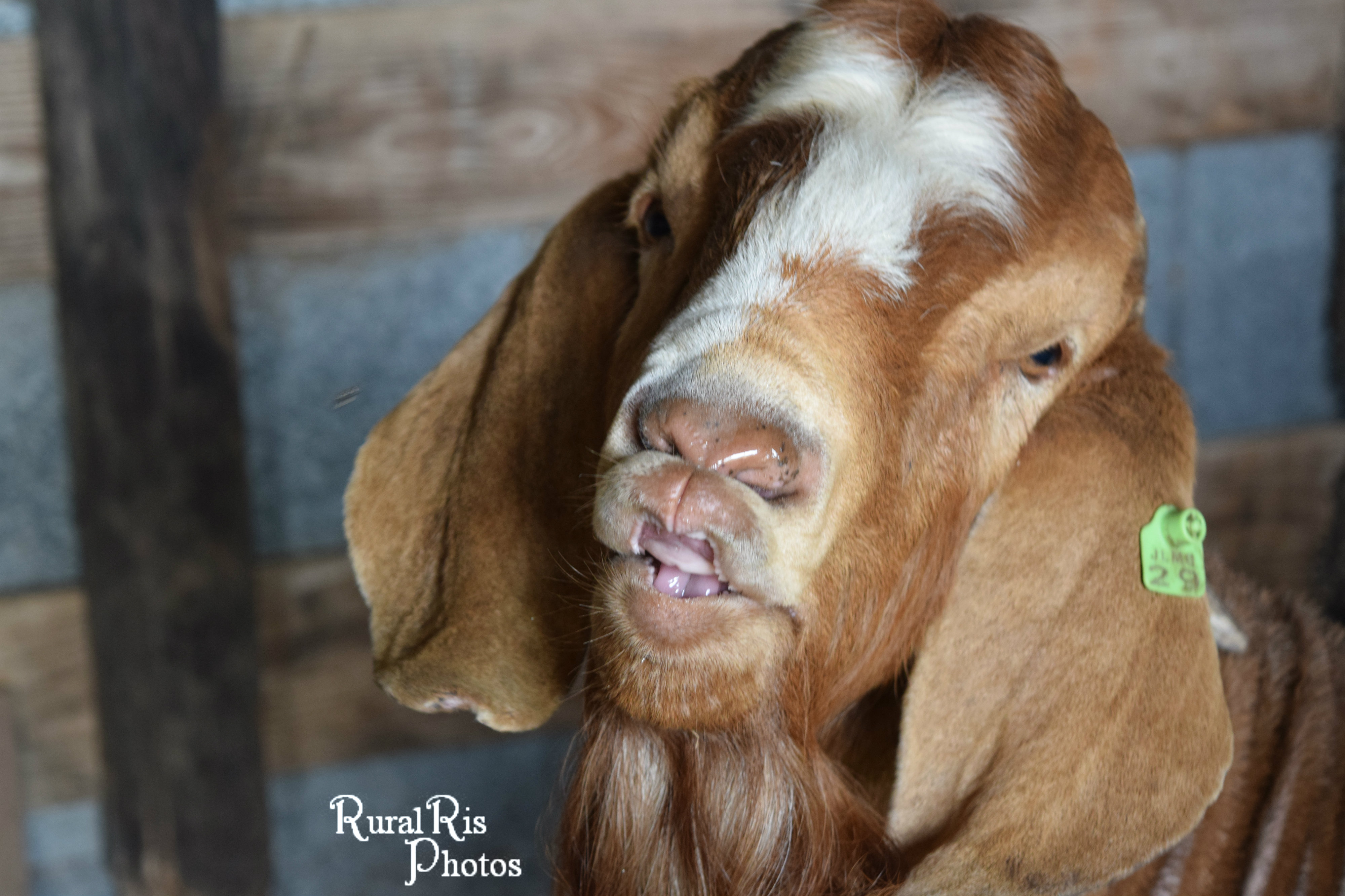
I was already feeling a bit ambitious, deciding to go 7 hours one way to get a single goat. Little did I know, I would need even more ambition to get back home.
For months, I had been on the hunt for a new buck. We have owned ours for quite a while, and it was time for some new blood. I started to follow various online sales and Facebook goat pages to see if I could find any. Finally, I found one that wasn’t in Timbuktu and was in the budget. After contacting the owners, I made arrangements to pick him up yesterday. He was in West Virginia, towards the Pennsylvania border. I decided I was going to be ambitious and travel 14 hours in a day to pick up a buck I had never seen in person. I’m fully aware I may be a tad crazy, but it is hard for me to pass up a good deal–especially when we are talking livestock.
I persuaded Garrett to go on my crazy adventure with me (he should get some kind of boyfriend award since he did have to wake up at the crack of dawn, ride in the car all day, and pick up a goat when he is a pig guy). He also suggested we take his family’s truck since it had a box in the back of the bed, preventing the need to haul a trailer. We agreed to meet in Rocky Mount at 8 am sharp, grab Bojangles (because that makes any 8 am day better), and head out. Our ETA was 3 o’clock.
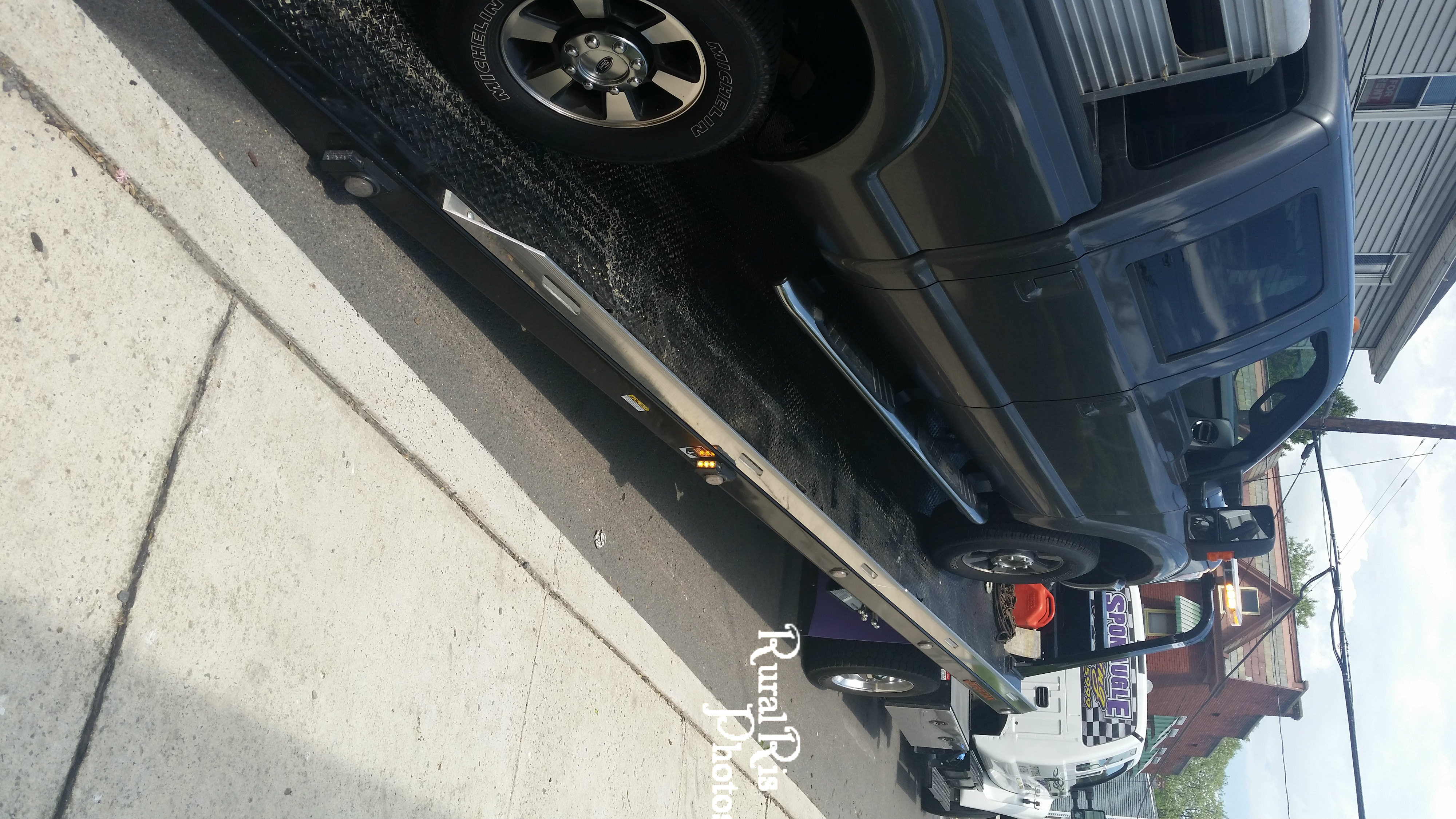
Several hours down the road, we decided to start looking for lunch. I found a sign that directed us to the wonderful Chick-fil-A. This was a no-brainer stop. I cannot tell you how excited I was for my spicy chicken sandwich and waffle fries. We obtained the food goodness and got back on the road. As we were trying to get back on the highway, I turned down a one-way street. As I turned, we heard a noise. I asked what that was. Garrett replied with a shrug (he was focused on his cool wrap). A hundred feet later, we stopped at a stop sign. When I went to go, the truck didn’t want to. I slowly tried again. Still, it wouldn’t do anything. Garrett told me to wiggle the gear stick to make sure it was in drive. We then proceeded to try different gears. After no success, Garrett told me to put the four-ways on. “Where are they?” said a very flustered Risa. Garrett was very calm and told me where before getting out of the truck. By this time, there were a line of cars behind us. I waved them around us. Garrett came back to the truck after investigating and said a very dreaded word–transmission. Now, I don’t know much about vehicles, but I know that when transmissions are mentioned, it isn’t good and $$$ comes up. My heart sank as I looked around. It was hot, we were blocking a road, this was not the best part of town (most houses were boarded up), we were 5 hours from home, and the buck was still an hour away. Suddenly, my enthusiasm for my spicy chicken sandwich was gone. As Garrett called a tow truck (thank goodness he had AAA), he told me to try and eat my sandwich anyway.
SOS…We need a tow
We waited for close to 30 minutes for the tow truck. While we were waiting, we attempted to push the truck across the road to a parking deck. Even with the help of a couple of ladies, it didn’t go so good. Finally, we were able to back (more like reverse roll) the truck away from the stop sign and onto the side of the road. In one of the houses sat 4 people, who called Garrett over to “just talk” (we were a little sketched out and they were a bit tipsy). Finally, the tow came, and after deliberating which shop was our best bet, we were towed from Cumberland, Maryland to Frostburg, Maryland.
We had been told that they could look at the truck and probably work on it that day; however, when we arrived, we were told that they could barely get a look at it and could almost promise that they couldn’t fix it that day. Long story short, we weighed our options, decided against the extortionate tow to another town, and took our chances at the shop. We were hoping against hope that it was a simple fix.
We waited in the waiting room, looking through the window at the mechanics working. The next thing we knew, our truck was cranked and moving! I held my breath as the mechanic came in to talk to us (I swear it is like waiting in a doctor’s office). He said, “You know that slim chance of it just being a matter of putting two hoses back together? Well, you got that slim chance.” The transmission line had become corroded and broke at the joint. It was able to be patched, and the transmission had not been torn up from the incident. I was dancing in my head.
After paying, Garrett asked me if I still wanted to go get the goat or just head home. Remember, ambitious is the theme of the trip, so of course, I said let’s go down the road further and get that goat. Off we went. While breaking down sucked, it was good that we broke down where we did, because further up the road, there was absolutely nothing. It was just backroads and mountains. We finally hit West Virgina and began to climb the mountain where the goat was located. This was a very winding, bumpy road with pot holes like you wouldn’t believe. We had to cross a single-lane bridge, and make a u-turn on the side of a mountain. After the trek up, we finally made it to our destination. Our detour had put us 3 hours behind, so I did not want to lollygag looking at goats. I decided the buck looked good, so we led him up part of the mountain to the truck. It took 3 men to pick him up and load him. After paying and a thanks, we hit the road once again.
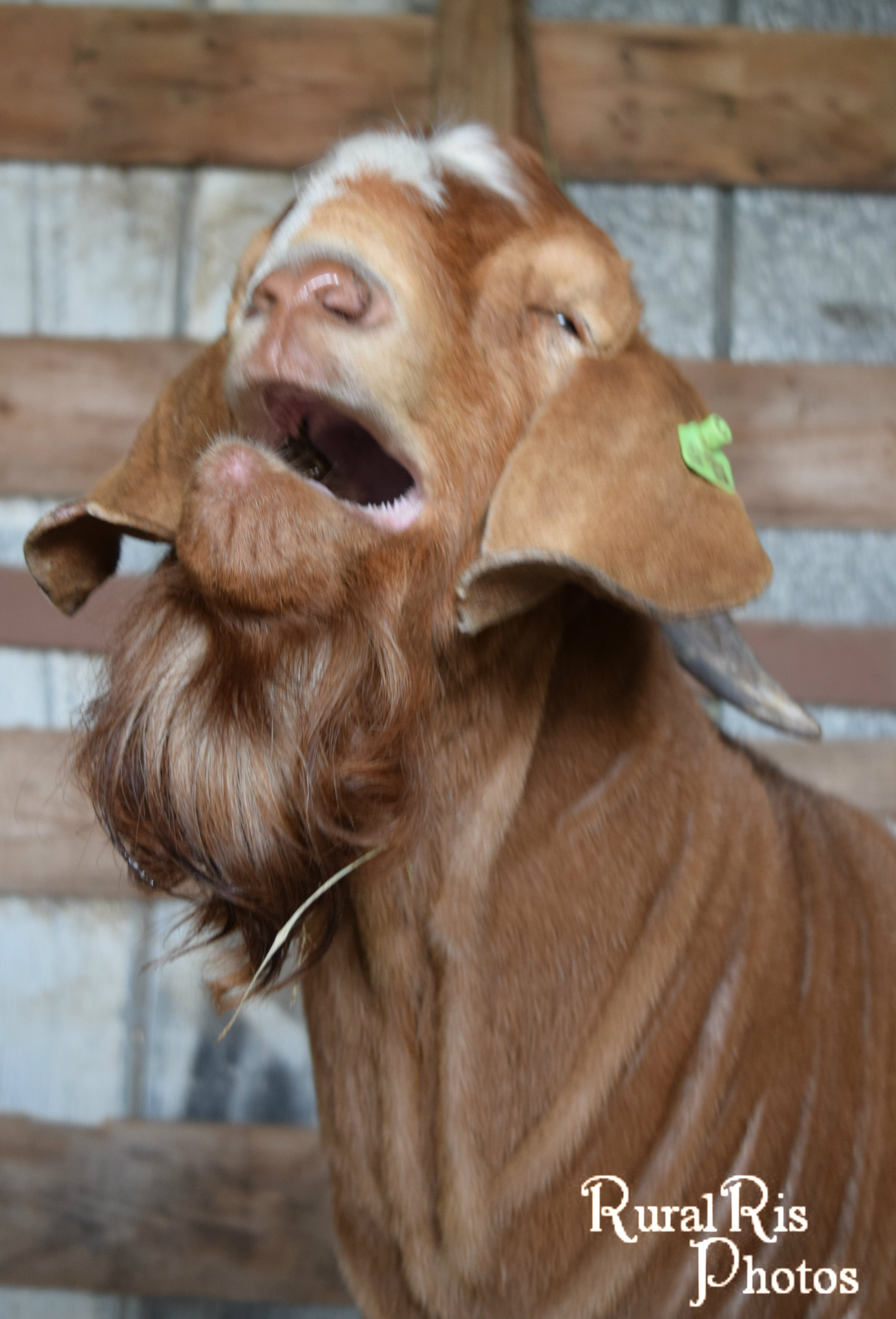
It was a long 7 hours home. Garrett and I kept each other awake by playing road games, singing to the radio, and eating super sour gummy bears. We arrived home at 2:15 a.m. I put a halter on the buck, but when he jumped from the truck, he kept running and ripped the rope from Garrett’s hands. We then spent the next 15 or so minutes trying to catch him in the dark. He wasn’t acting crazy, but was disoriented and wanted friends. Anyway, we caught him and put him in a pen with food and water. Garrett and I dragged ourselves into the house to hit the sack. Our faces looked a lot like the goat’s–we were so tired.
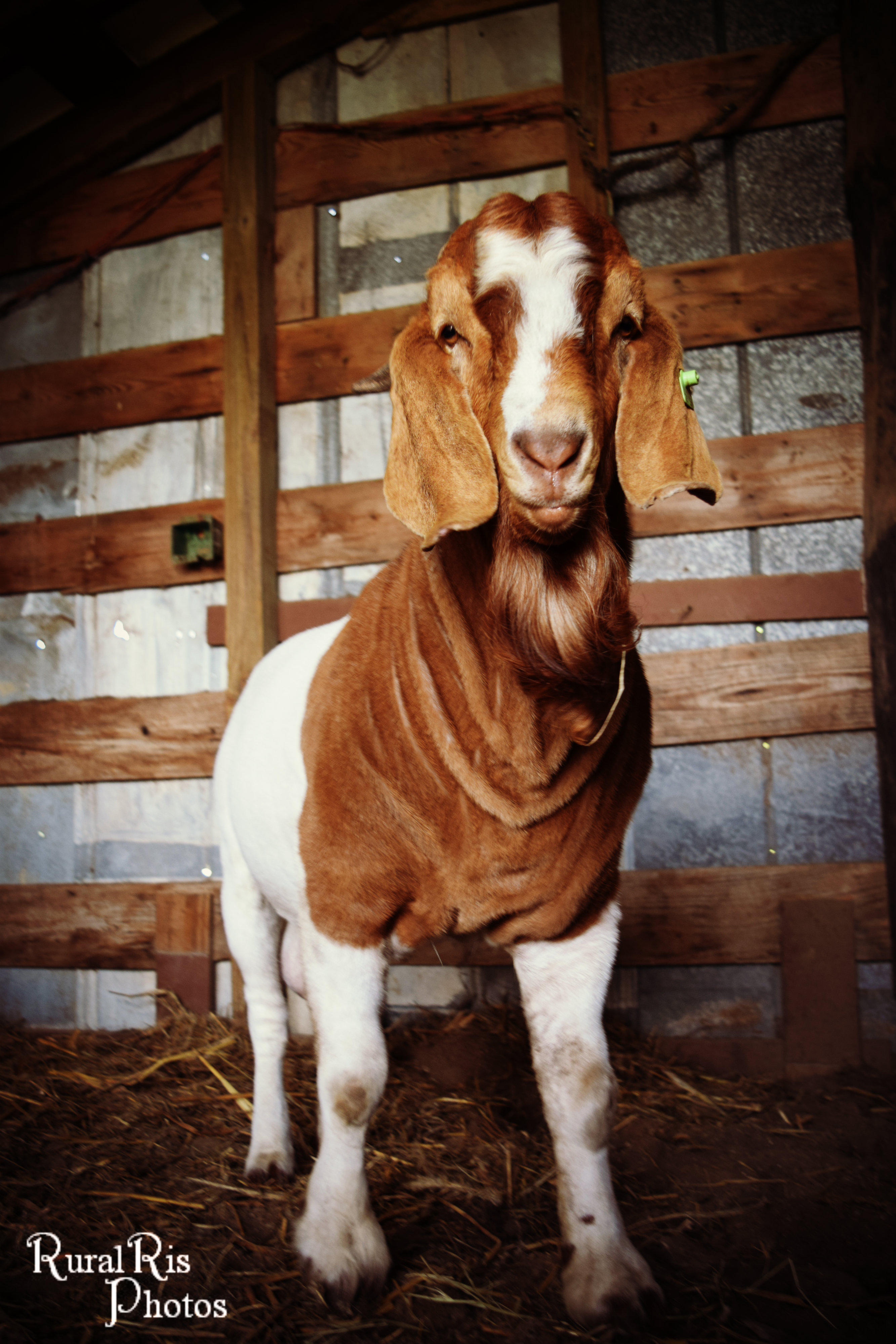
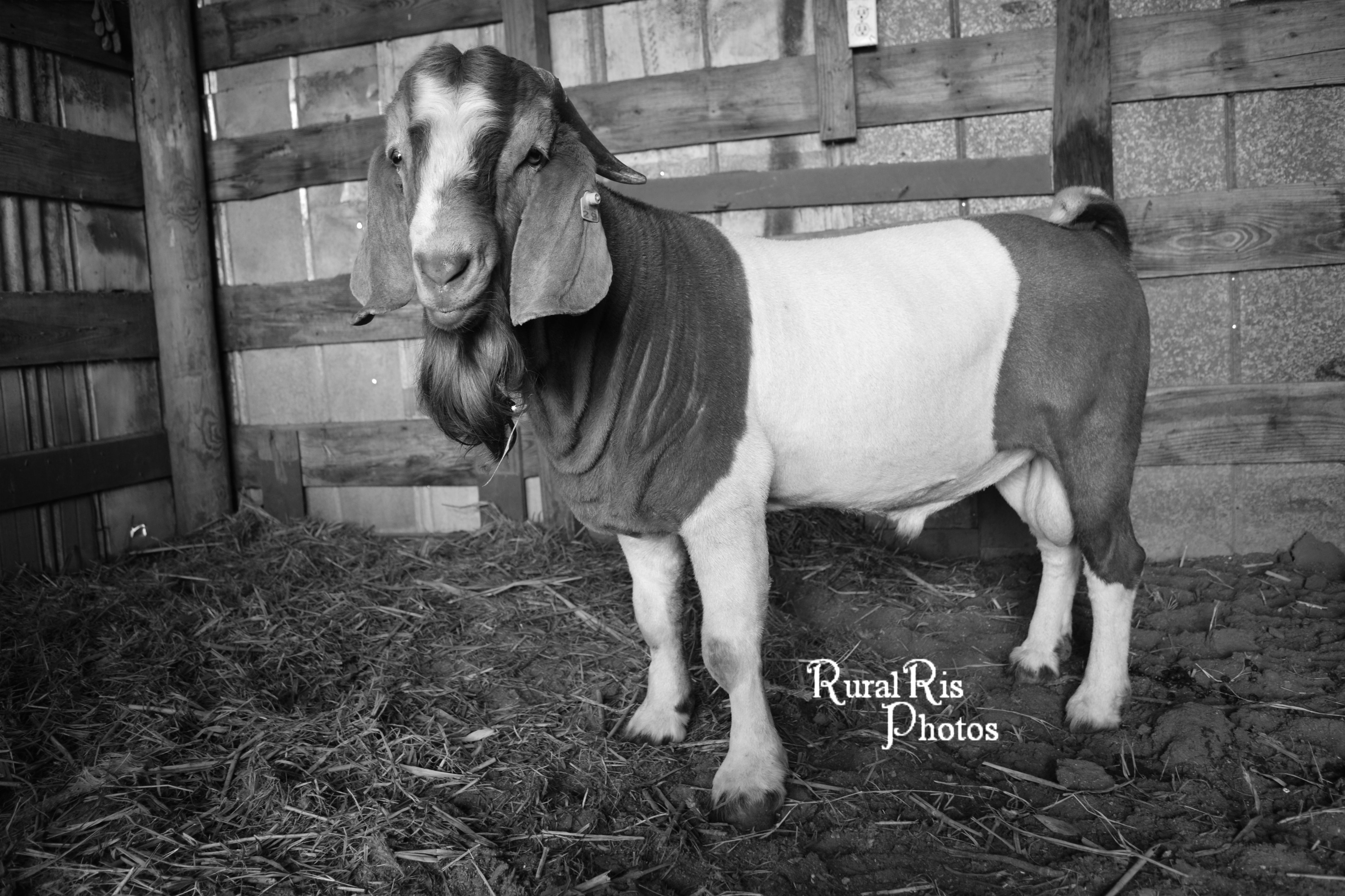
The day hadn’t gone as planned; then again, it was a Monday. It could have been much worse, though. All I know is, between bucks and trucks, I got more than I bargained for! Maybe I’ll name the buck Transmission. For now, meet our new herd sire, while I catch up on some sleep.
If you drive down many Eastern North Carolina roads, you may see a billboard that looks like this:
They are doing just what they say–raising a stink, but it is a stench much worse than any pig poop could possibly smell. These billboards are part of a campaign started by the Waterkeeper Alliance organization to blame hog farmers for polluting local waterways. Although their aim is to make a positive difference in the community, this organization is causing harm, defaming an industry, and do not have their facts straight.
It is important that not just the other side of the story is told, but that facts are put out there, so that the public can be informed. Pollution is a serious issue that should not be taken lightly; however, there are a few things that the Waterkeeper Alliance isn’t telling you–things you should know to get the whole picture.
Who is the Waterkeeper Alliance?
The Waterkeeper Alliance organization is an international group represented by 240 local groups on 6 continents. They are environmentalists who focus on maintaining and promoting clean waterways. They have been active in campaigns against dairy farmers in New York and hog farmers in North Carolina along with various other campaigns. Last year (2014), they, along with their local subsidiary, The Neuse Riverkeeper Foundation filed an intent to sue against a NC farm, that gave the farm 90 days to complete a list of demands or else the organization would file suit against the farm. Although the farm worked with the organization to meet demands, the Waterkeeper Alliance has launched the billboard campaign against all NC hog farmers.
What claims have been made by the Waterkeper Alliance?
The Waterkeeper Alliance makes many claims that can be found on their website. Here are a few to note:
Waterkeeper Alliance seeks to expose the fact that foreign-owned corporations are reaping the profits made possible by the antiquated lagoon and sprayfield system of hog waste disposal, while placing an unfair burden on local contract growers.
Many people “are unaware of how much environmental damage and human pain and suffering these industrial swine operations are inflicting on people and their environment,” Rick Dove, North Carolina CAFO manager for Waterkeeper Alliance
“For too long, factory farms in North Carolina have been disproportionately located in minority communities where residents are forced to endure the smell, water quality impacts and the embarrassment associated with the facilities operating near their homes. Through this campaign and multiple other fronts, we’re working toward the day when people living near these operations are granted their right to swimmable, drinkable and fishable waterways,” Marc Yaggi, executive director at Waterkeeper Alliance
“Using so-called lagoons and sprayfields to dispose of hog waste is an outhouse method that must be replaced. A number of systems that will do away with lagoons and sprayfields have been tested and approved for implementation. It is time to put an end to this problem and the best place to start is by educating the public about what is happening to their water, air and communities.” Rick Dove,North Carolina CAFO manager for Waterkeeper Alliance
There is a lot packed into these claims, so let’s dissect them and look at what the hog farm scene looks like.
Hog Farm Fast Facts:
First, let’s make sure we don’t call large hog farms factories. Even though they are on a much larger scale, they are still a farm, and should be called as such. The majority of these farms are still family operated too.
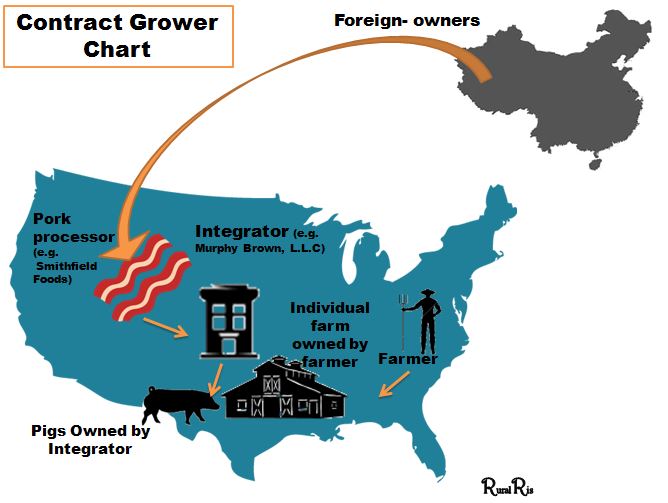
The hog farming chain can be a little confusing with its many parts. Here is a chart that will hopefully help.
North Carolina is the second largest producer of hogs in the U.S. and contributes $2.9 billion to the economy
Large hog farms keep pig waste in large pits called lagoons.
No new lagoons are allowed to be built
Hog waste is used as fertilizer for crops.
What are the Waterkeeper Alliance not telling you?
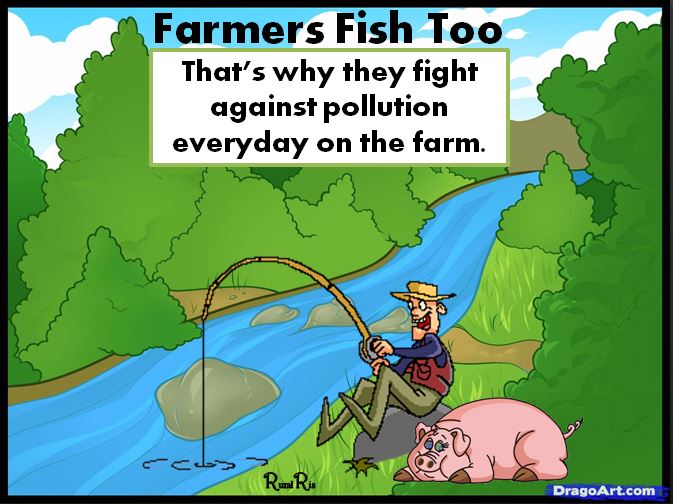
The Waterkeeper Alliance makes it sound like pig farmers have absolutely no concern for the environment, and they are irresponsible with the waste from the farms. This is the farthest from the truth. Farmers are some of the most avid hunters and fishermen out there. Why would they want to pollute the very waters that provide that recreation? In addition, many of their families live within the vicinity of these farms. Would farmers purposely pollute and cause damage to their own family? I don’t think so.
Even if farmers didn’t care (which they most certainly do) they are required by law to adhere to strict regulations as to when, where, and how they can deposit and manage the waste in the hog lagoons. These regulations are put in place by the Department of Water Quality and are monitored throughout the year. Hog waste is never allowed to be dumped into waterways; however, human waste is permitted to be dumped in the rivers once it has been treated. Although the majority of pollutants have been removed from the waste, the volume put in streams is still high and the pollutant mass can still be high in streams (NCSU).
The Waterkeeper Alliance demands a waste water treatment facility to deal with the hog waste in a more environmentally friendly way; however, human waste water treatment facilities are not perfect either. According to the EPA, there are over 22,000- 75,000 sanitary sewer overflows (SSO’s) that occur each year due to blockages, line breaks, sewer defects that allow storm water and groundwater to overload the system, lapses in sewer system operation and maintenance, power failures, inadequate sewer design and vandalism. The only thing a hog waste water treatment facility is going to do is cost the pork industry millions of dollars, driving the cost of bacon and porkchops through the roof. According to Feeding America, North Carolina is ranked in the top 10 states for food insecurity, and higher pork prices will only drive food insecurity up.
The Waterkeeper Alliance draws on various studies that show the effect of hog farms and hog waste on the surrounding community; however, these studies often show inconclusive data and rely on speculation. Yet, the Waterkeeper Alliance states them as fact. Beyond any of this, though, are the facts that they are hiding about the regulations that hog farmers have to abide by:
Lagoons are required to have substantial grass planted around its banks to prevent erosion.
Crops meant for direct human consumption, are not allowed to have hog waste sprayed on them as fertilizer.
Lagoons must be kept under a certain level at all times to prevent overflows into waterways.
Rain is stressful to a hog farmer as it increases the levels of the lagoons and soaks the fields to where they cannot be sprayed on. With no where for the rising lagoon water to be sprayed, hog farmers often times have to hire tanks to haul it away. They have even flown men in from other states to help in the effort of managing the lagoons during a heavy rain season.
Hog farmers have to take lagoon samples of the waste to make sure the nitrogen and phosphorus levels are appropriate within 30 days of spraying on fields.
If hog farmers know a neighbor is having a party or an outdoor function, they try not to spray as to disturb them.
The majority of farms are off of a dirt path away from most homes. By law, they must be 1,500 feet from a residence and 2,500 feet from a school, church, hospital, or park.
Farms are inspected twice a year by the Department of Environment and Natural Resources (DENR). According to the NC Pork Council, during 2000, 98% of the 6,000 inspections of NC’s 2,500 hog farms were found to have no direct discharges of organic waste water to the surface waters of the state and 94% found no signs of over-application to fields.
If there happens to be a hog waste spill in the rivers, the farm is required to report it and could be fined.
Spills are typically caused by equipment malfunctions.
The organization claims that there are better innovative ways to deal with hog waste out there, but hog farms are stuck on the antiquated ways of spraying on fields. Many hog farms are collaborating with scientists and innovators on various ways to improve hog waste management. Many of these innovations are in a trial period or are so expensive that the cost outweighs any benefit. The goal is to provide affordable pork to the public and do so in an ethical manner. Farmers are being ethical and careful in how they manage hog waste.
The Waterkeeper Alliance may also tell you that the Neuse is one of the most polluted rivers and fish are at an all time low; however, the Neuse River basin does not boast the most amount of hog farms. The Caper Fear River Basin has the most hog farms. If hog farms were the cause of the river pollution, then why is the river basin with the most concentrated hog farms, not the most polluted? It doesn’t add up.
While the Waterkeeper Alliance is not calling for an end to large pig farms, they are saying some nasty things that does not tell the whole story by any means. It is ok for them or anyone to ask questions and even challenge certain practices. It is important that hog farmers look at ways to constantly improve, but the current billboard campaign does not ask questions and challenges in an unhealthy manner. The Waterkeepr Alliance is suggesting that hog farmers are unethical in their environmental practices, but the Waterkeepr Alliance is not being ethical in their efforts by defaming an industry, causing the potential for increased pork prices, and not telling the whole story.
If you see these billboards remember that there is another side to those signs. They look something like this:
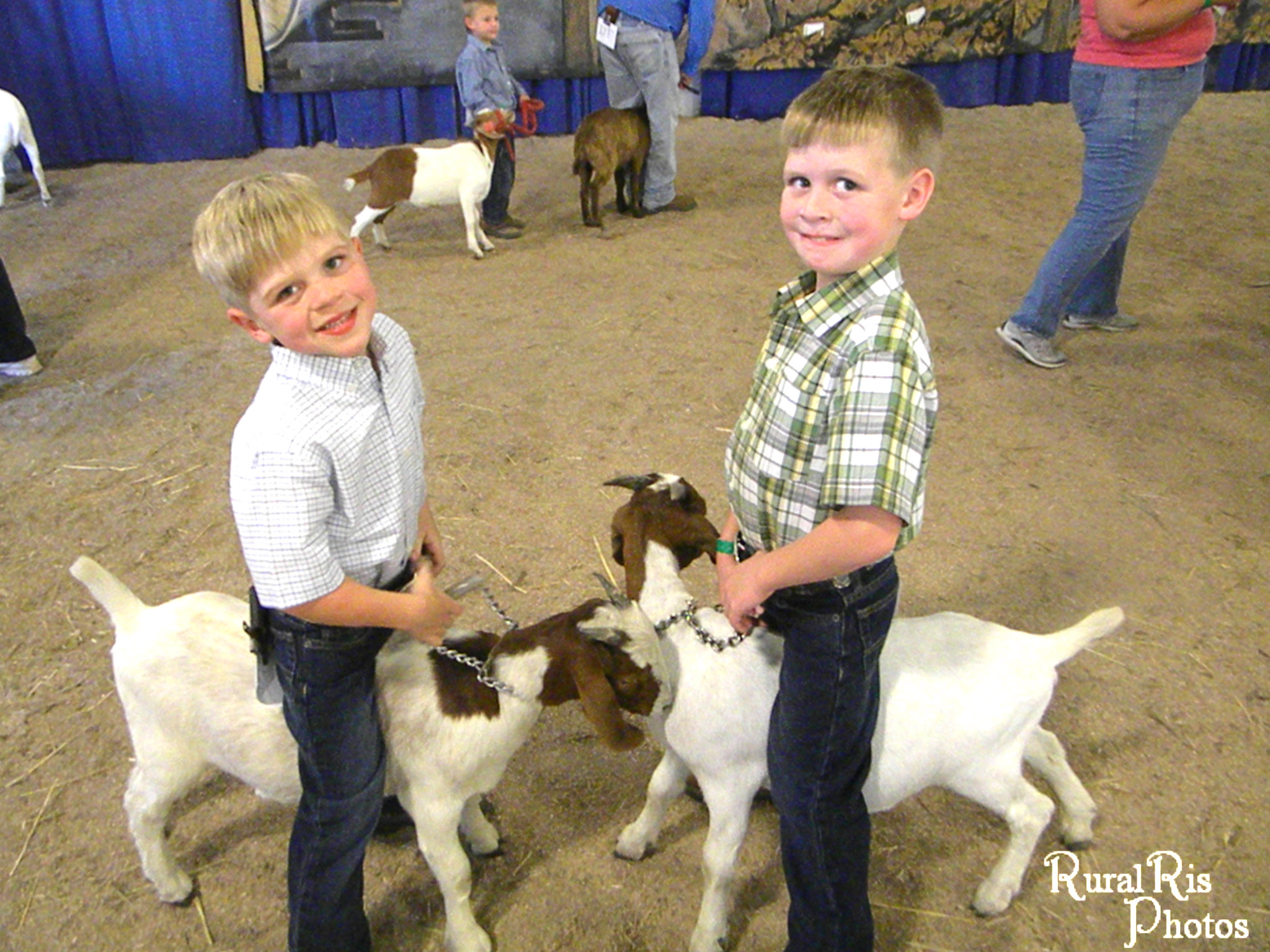
This group of kids work hard for months, working with and caring for their animal. Many of them wake up early before school to feed and come home to work with their animal after school too. They work in the heat, rain, snow, and ice and deal with equipment malfunctions, sick animals, escape stock, and trying to get an animal to gain weight for the show. It isn’t easy and takes an incredible amount of dedication. If that isn’t enough, these kids love what they do! They have a passion for showing and that shines through. For our county’s spring show, the participants give up a whole spring break to show their animal, exhibiting their dedication.
These youngsters are filled with camaraderie for each other, and are always willing to chip in to help. They often exhibit excellent sportsmanship, congratulating each other on a job well done. They attend workshops before the show to learn more, and compile a record book of their efforts after the show. The show is not a one and done day deal. It take months, and these kids are willing to do it. If you want to see hard working, responsible, dedicated, passionate, kids who are all often friends, look no farther than livestock show participants.
2. Raising livestock is expensive
It doesn’t matter if you buy a cheap goat or the most expensive one on the farm, raising an animal is expensive. Feed, medication, and supplies all goes into costs. Feed on the cheap end is around 10 dollars a bag, but to raise the best show animal possible, you are looking at 15 and even 20 dollars a bag, and these bags may not even last a week, depending on the species of animal. If you are lucky enough to not have to buy any medication for your animal, there is still the costs of supplies such as clippers, halters, hog sticks, shampoo, brushes, and more. Those in the livestock joke that showing is not a money making business; however, getting close to breaking even would be nice.
3. The money goes to next year’s livestock project
For most, showing livestock is addictive. It is hard to do it just once, which brings up the matter of next year. Money received from the sale, often goes toward next year’s livestock project. Next year holds the hopes of bettering oneself and seeing friends from the previous year. Having the funds to invest in another livestock project is crucial, and even having a larger budget thanks to the sponsors of the sale holds the promise of being able to perform better in the next show.
4.Much of the money goes into a college fund
I cannot tell you how many show families I know, that their rule is any money made from the sale goes into a fund for college. After more than a decade of showing for some of these kids, they have a substantial fund to put towards college. The sale is more than money for a kid who shows a pig. The sale provides scholarships for the future education of youth. With rising tuition costs, this is major. Becoming a buyer in a livestock show and sale is often sponsoring a scholarship for a child’s college fund. It is literally adding to the piggy bank.
5. It teaches the kids financial and budgeting skills
As a part of a good livestock project, youth keep track of their expenses and what they make at the sale. For our sale, they must do a worksheet that tracks their outcome, income, and their profit or lack of profit. When I was little, I did not realize the extent of money that went into my livestock project until that worksheet was filled out. At that moment, I realized just how much finances went into showing livestock.
6.You will be appreciated forever
There are one of two ways that a child gets a buyer/sponsor. The first is if they personally ask an organization or individual to support them in the sale. The second way is to have someone in the sale crowd to bid on their animal. Either way, the excitement and appreciation that accompanies the knowledge that someone is sponsoring you is profound–not just for the child but for the parent as well. While not every child gets the same amount of money, any amount is celebrated and appreciated. Don’t be surprised to receive a picture and thank you letter later from the child you sponsored.
7. You don’t have to bring an animal home
Although giving money is often referred to as a buyer and the sale is run like any other auction with the words “SOLD!” stated, it does not mean that you take an animal home. The only thing you are taking home is the image of smiling child. The only one bringing animals home is the person bidding on support price.
8. It is crucial in helping to continue the program
A show’s success is often contingent on the individuals it comprises of. Parents, youth, and volunteers all take part in the program. Sponsoring the show and sale, helps support these individuals and the program and therefore allows it to continue for years to come. Show and Sales are often many decades old and are attended by generations of people. It is a tradition that would be tragic to die.
9.You are impacting the next generation in a profound way
It goes beyond providing financial support to a child, by sponsoring, you are impacting that child at a much deeper level. They notice when someone bids on their animal. They know when they are being supported or when they aren’t. Believe me, they are grateful for that support. It provides encouragement and excitement along with finances for their endeavors.
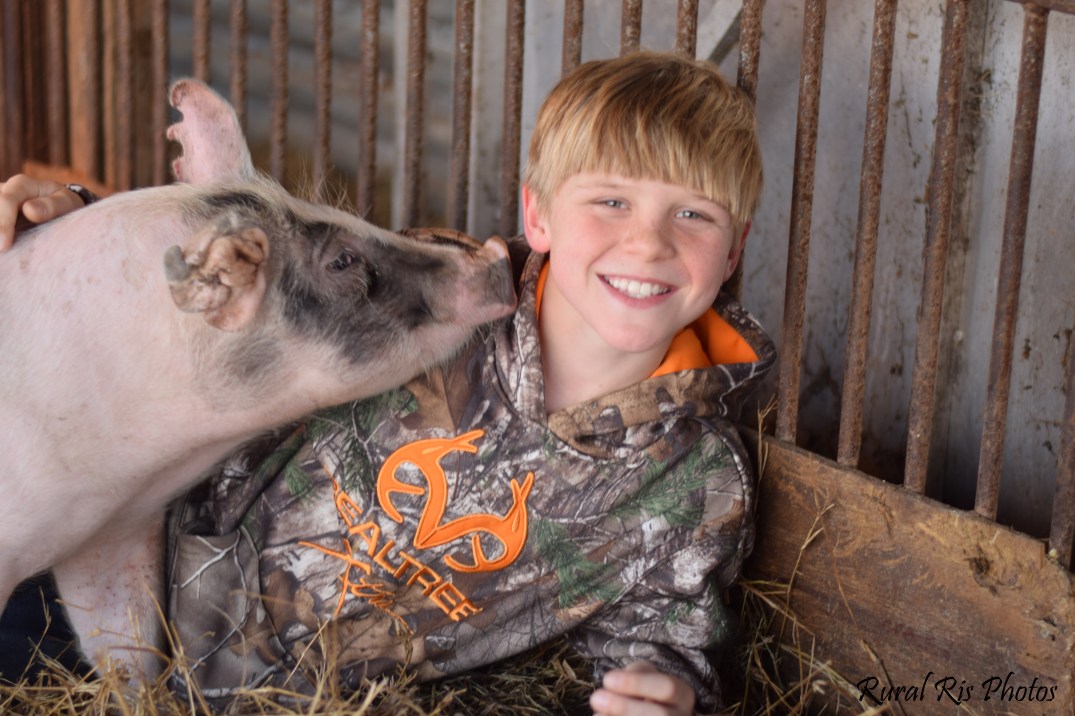
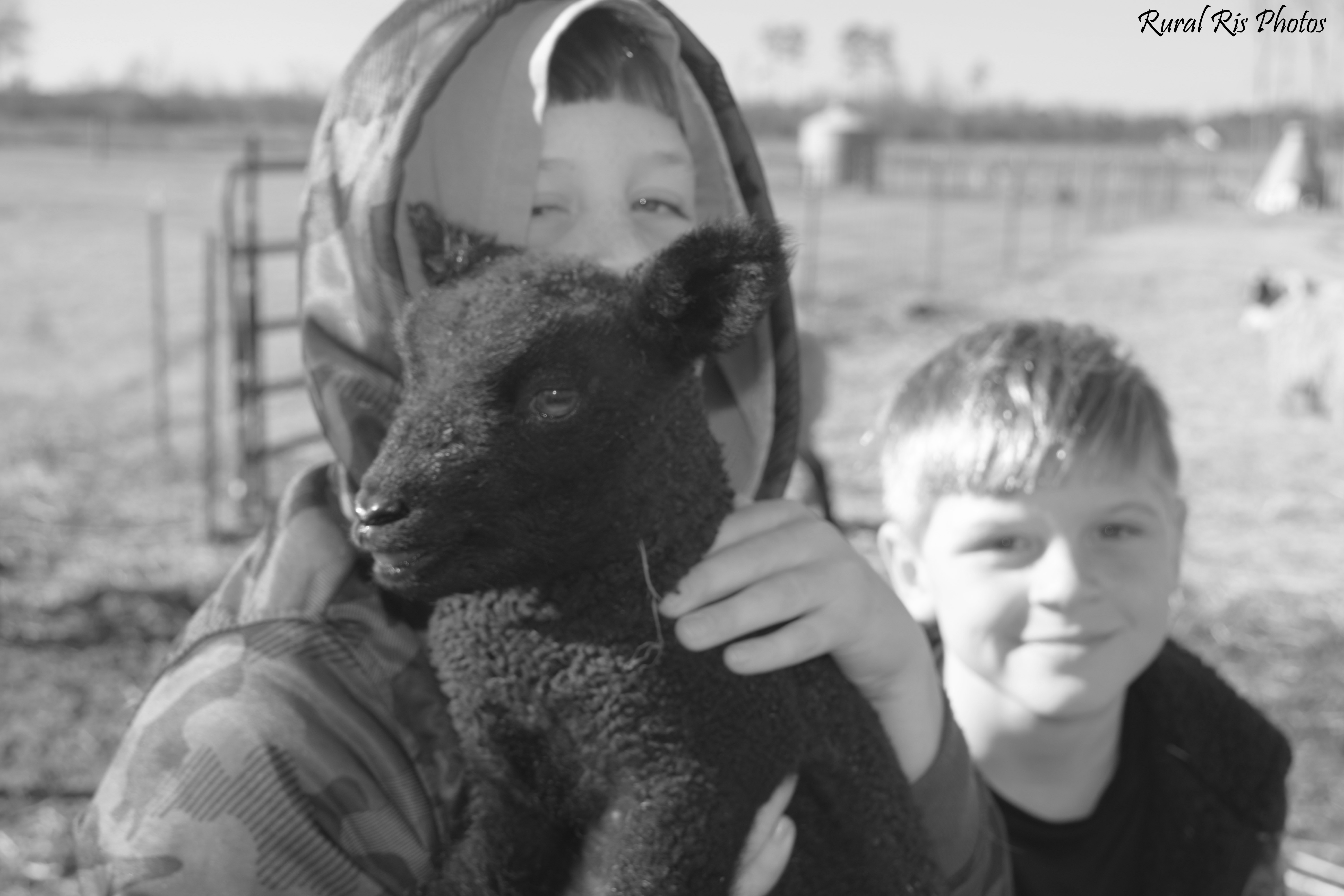
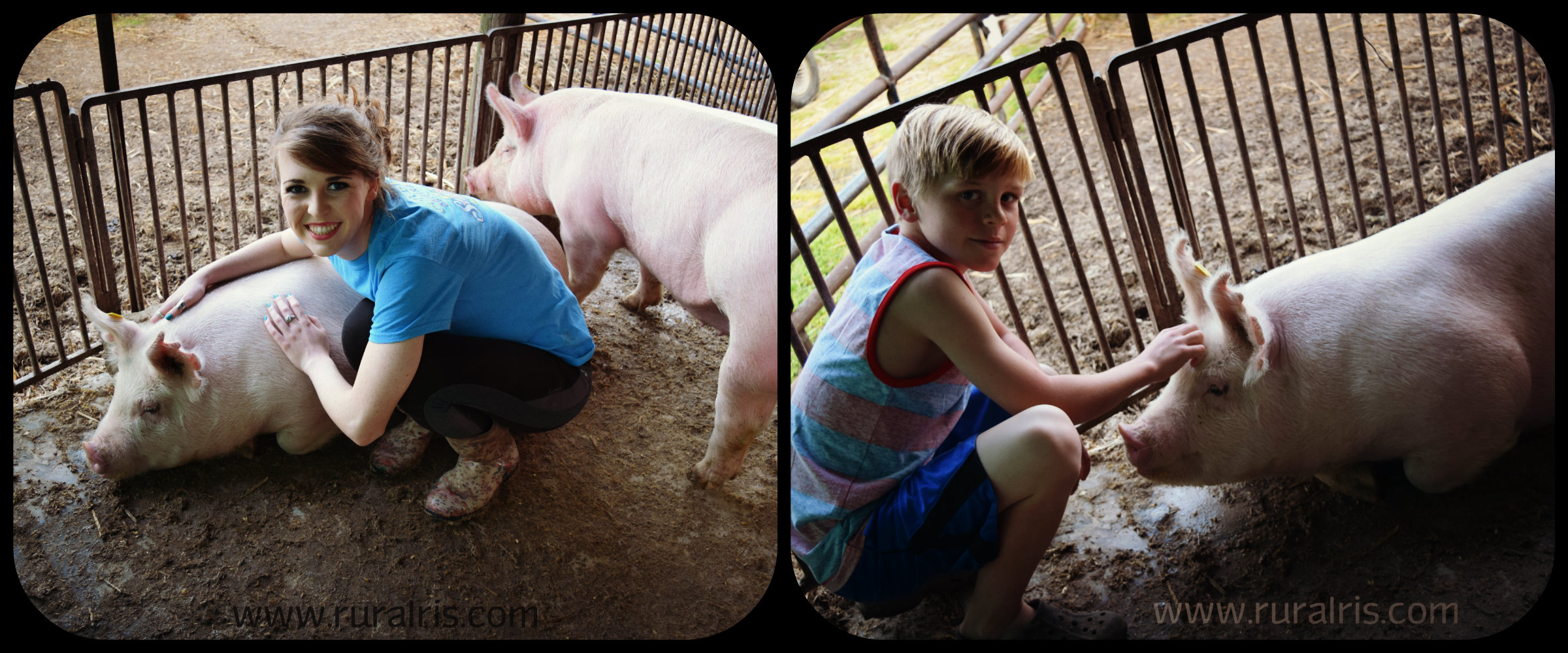
10. Because there is nothing cuter than a kid at the end of a hog stick or show halter































 Rural Ris