You Have to be Brave to Raise Livestock

Two weeks ago was a tough week on the farm. We lost 3 animals in the span of 3 days, and that…. that was really hard.

I’ve been raising livestock for 13 years, and have had animals since the day I was born. And, throughout that time, there has been loss. It comes with the territory. Some of those losses have impacted me more than others, but no matter what animal it is, it never gets easier.

The other week we lost two goats- Tres and Nala, and our barn cat- Sassy. Tres was unexpected. She was fine one day, and gone the next.

DSC_0755

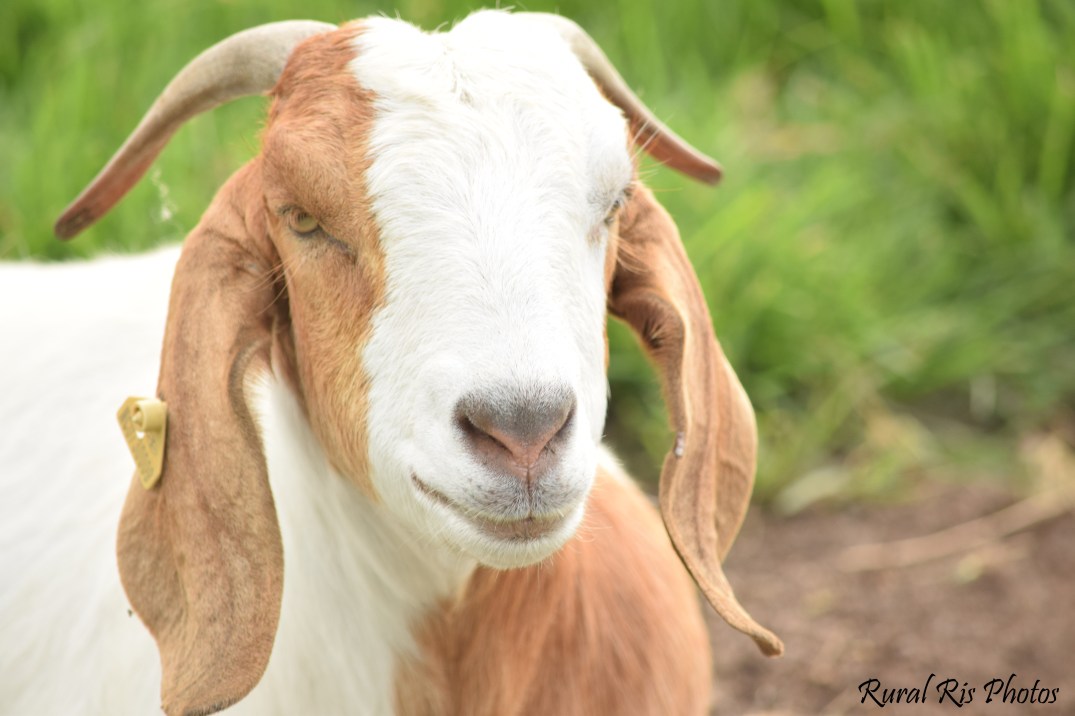
Nala, lost her battle to a raging infection, despite 3 visits to the vet, several antibiotics, and meds to control the fever.
DSC_0347

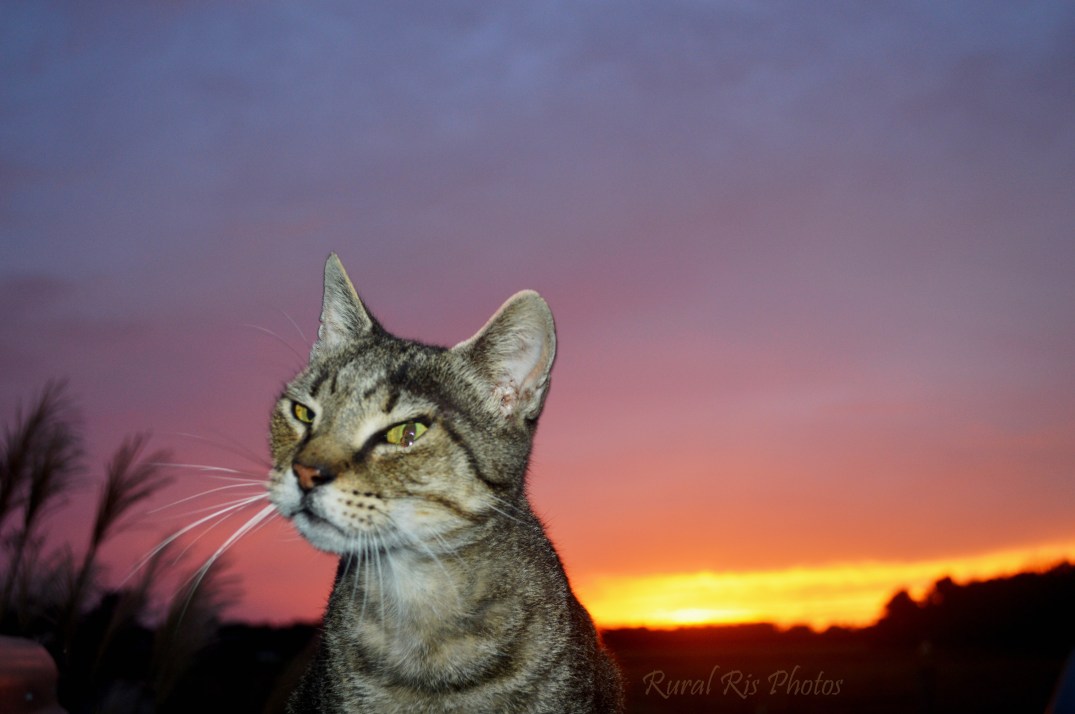
Sassy was 13 years old, and we knew his time was drawing near. He lived his last days as a house cat.
092814 085

Nala was the the third one to go, and at that point, I was ready to throw up my hands. It was entirely frustrating and emotional. You work so hard to keep these animals healthy. When they get sick, you do everything you can to make them better, and sometimes it isn’t good enough. When your best isn’t good enough, that can cut deep.

Nala went into premature labor. Not only that, but the baby was not in the proper position. After trying for 40 minutes to realign the baby, we decided that we couldn’t do it. We knew the baby was already dead, so we loaded Nala up to go to the vet. Those vets worked for more than an hour to deliver that fetus. Everyone was tired, especially Nala. She was registering a temperature of 105. The next few days was a series of banamine for the fever, antibiotics for the infection, oxytocin for a retained placenta, and more trips to the vet. We were hoping that it would clear up. We were hoping that we could try again for a baby next year, but it wasn’t meant to be. Nala was my best doe. I was the most excited for her baby. It would be her first and the first off our new buck. I put a lot of hopes and dreams into them, and it went up in smoke.

When you raise livestock, they have a purpose. It may be for breeding stock; it may be for showing; it may just be to go to market. Whatever the purpose, you put hopes into that animal. Sometimes you get your hopes up.

Losing an animal isn’t about the money spent at the vet. It isn’t about the money lost in the investment of the animal. It isn’t about having to dig a hole. It is about heart. I may not shed a tear for every animal that dies, but they all hit me. They all are a life, and that affects my heart. It doesn’t matter how many animals you have, or the scale of your farm.

I recently heard a story of a hog farm that had the PED virus. This virus caused 100% mortality in baby pigs. Although there are thousands of pigs in those barns, the farmers wept. Not because they were losing dollars, but because that life was gone, and that was devastating. The hope and potential of that animal was gone. Their best efforts weren’t always good enough.

After hearing that story and thinking of my week last week, one word came to mind-bravery. Raising animals takes bravery. You have to be brave to put hope and dreams into an animal that does not have a 100% guarantee. Even if it has a totally healthy life, the lifespan of animals is not the same as ours. You are choosing to love and care for a ticking time bomb. When that animal does pass away, it takes bravery to continue. You have to be brave to care for another animal.

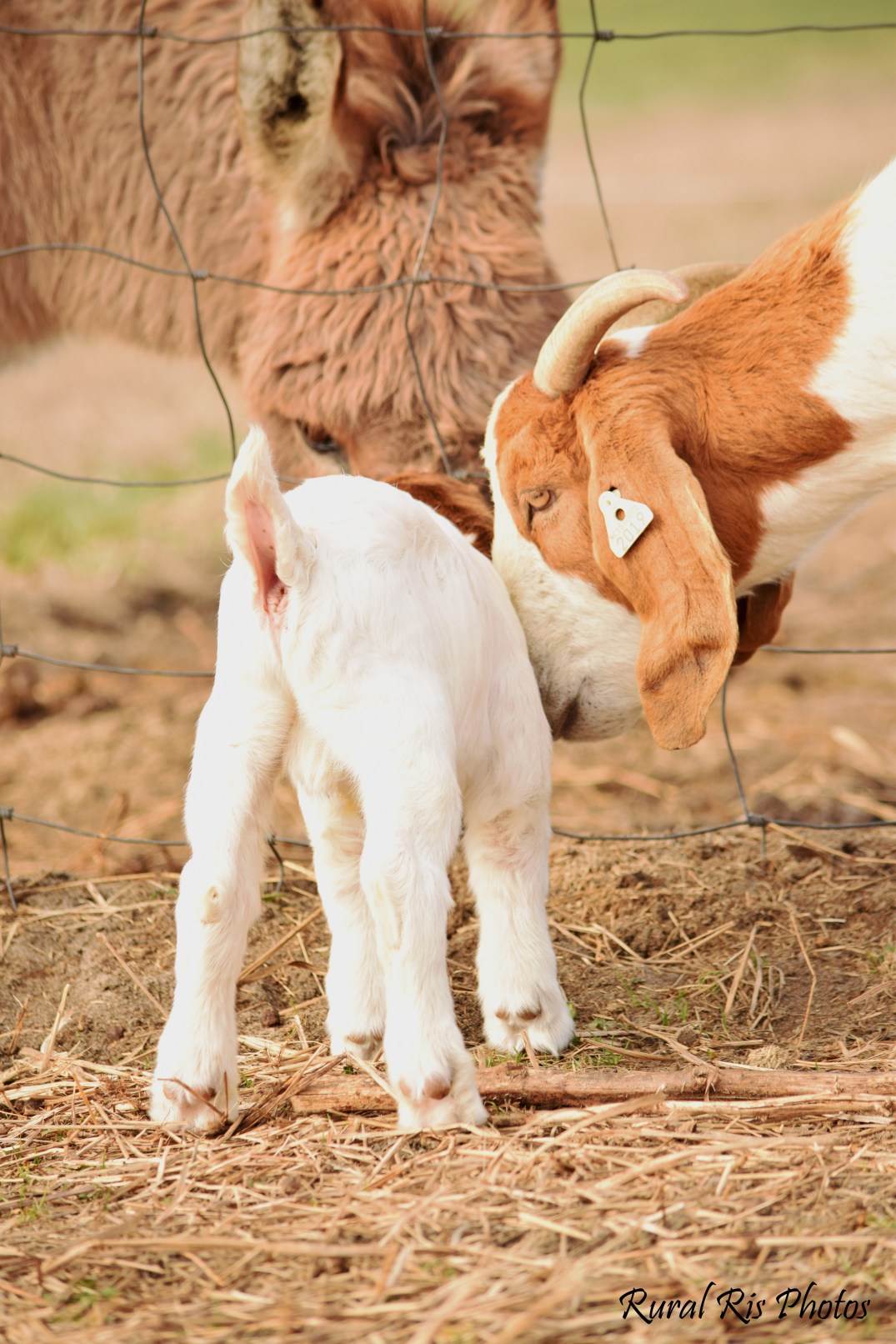
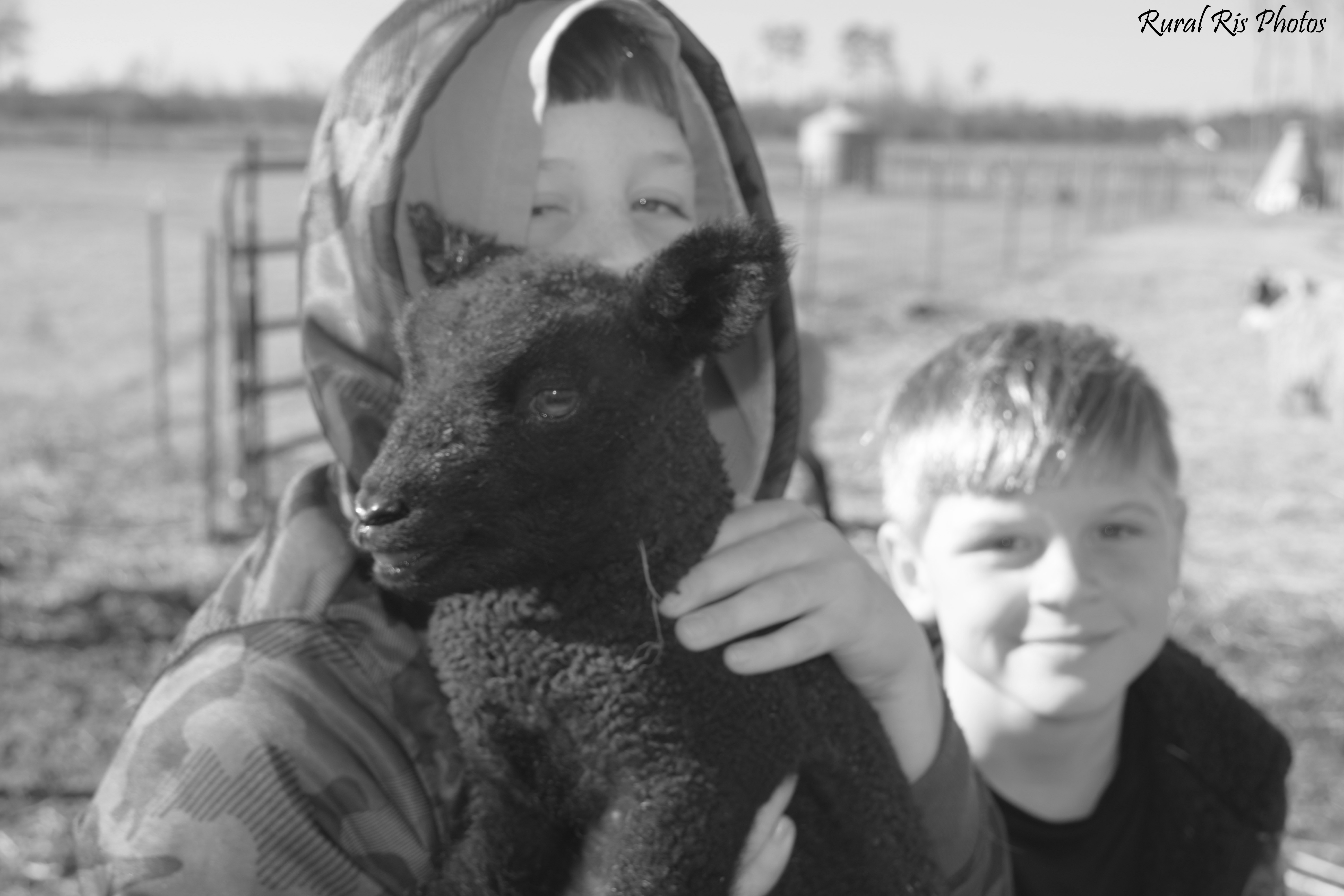
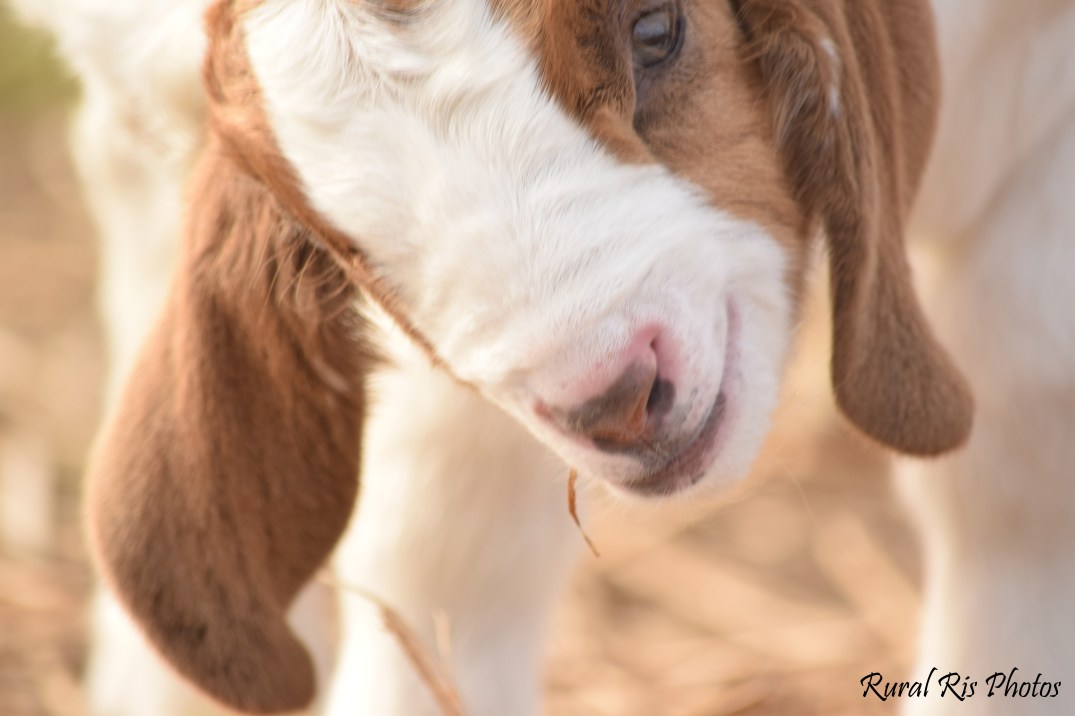
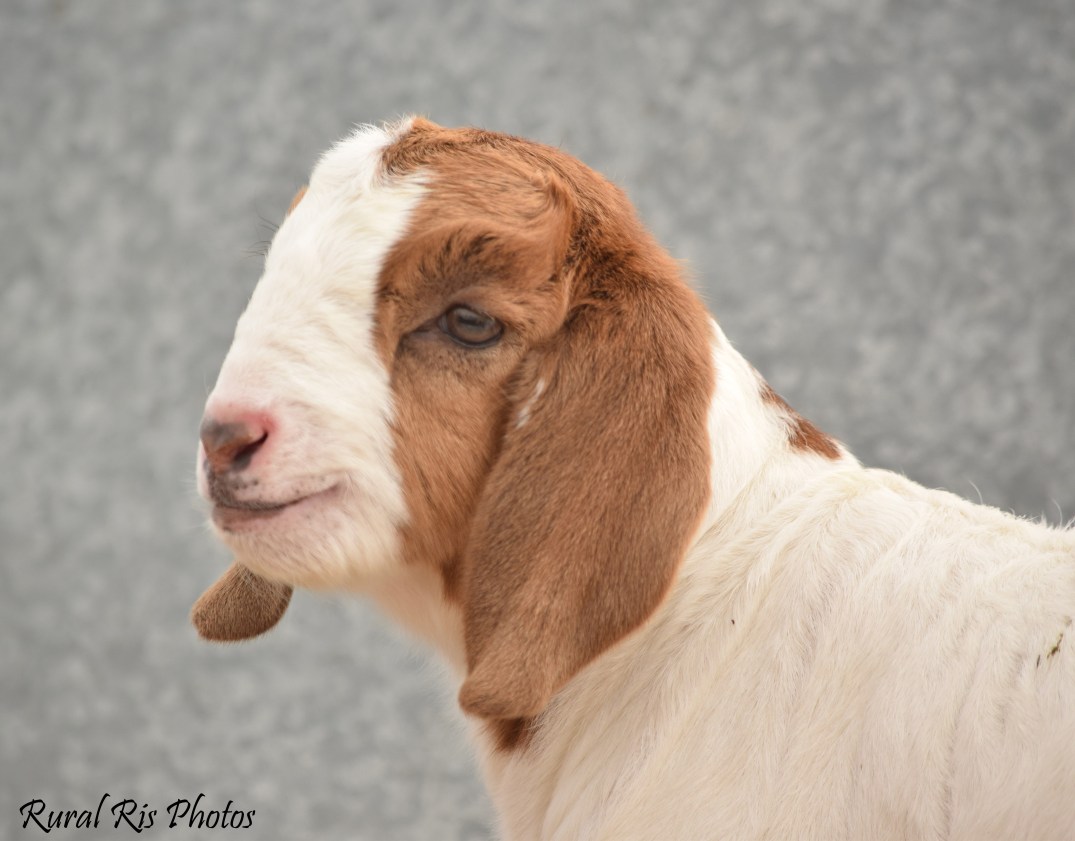
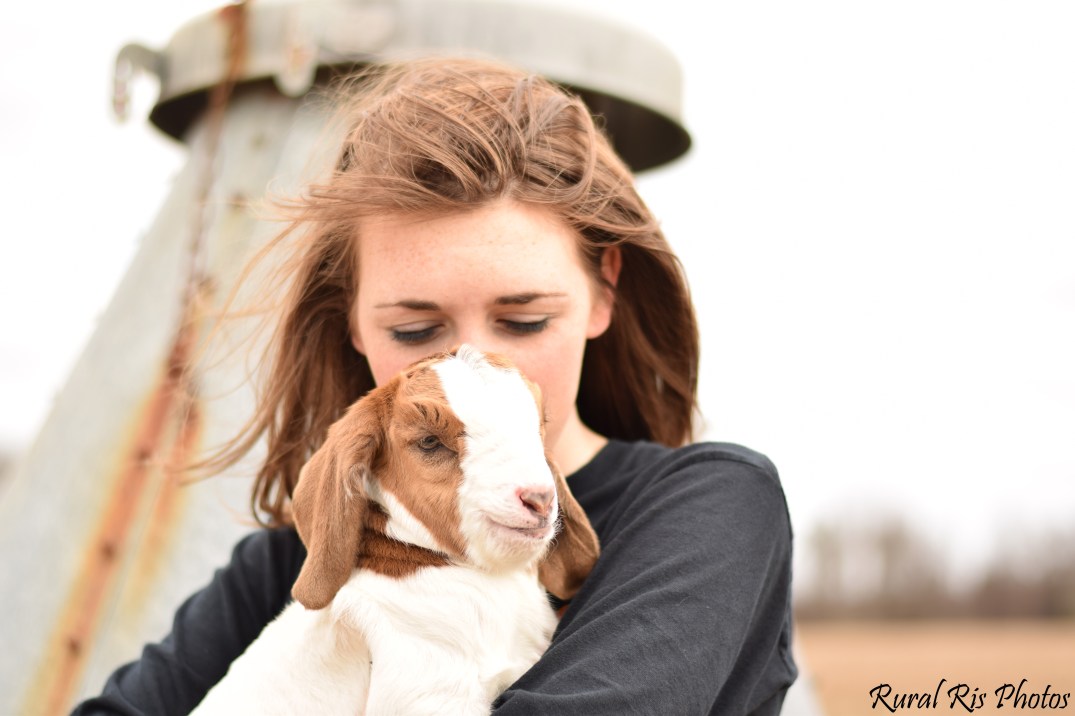
When I was on the third day of losing an animal, I wanted to walk away. I didn’t want to put expectations or hopes into yet another animal that might not make it, but then… then I saw the other side of the spectrum. I saw little Pluto, only a week old, braving the cold weather to explore his world, and I smiled.
DSC_1671

DSC_1703


DSC_1679

DSC_1646

DSC_1690

Raising livestock is hard. It is frustrating. There are tears. There are also smiles, joy, and heart. Raising livestock takes bravery. In spite of loss, in spite of sadness, I choose bravery and to hope once more in an animal, because that is what it is all about.
DSC_1733


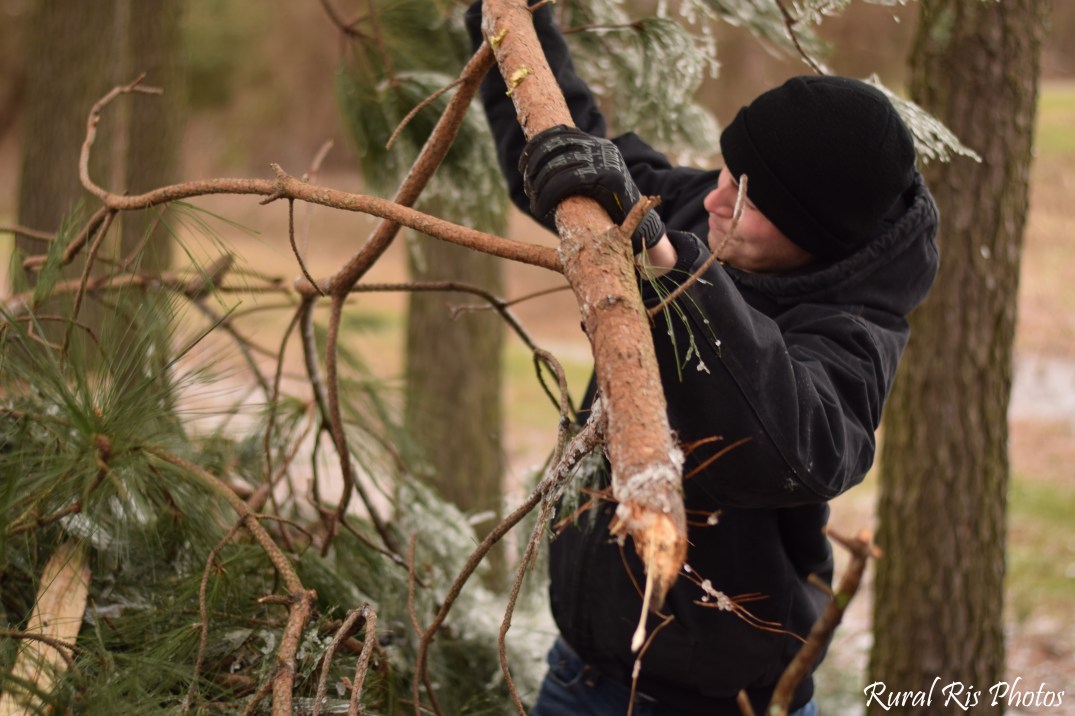
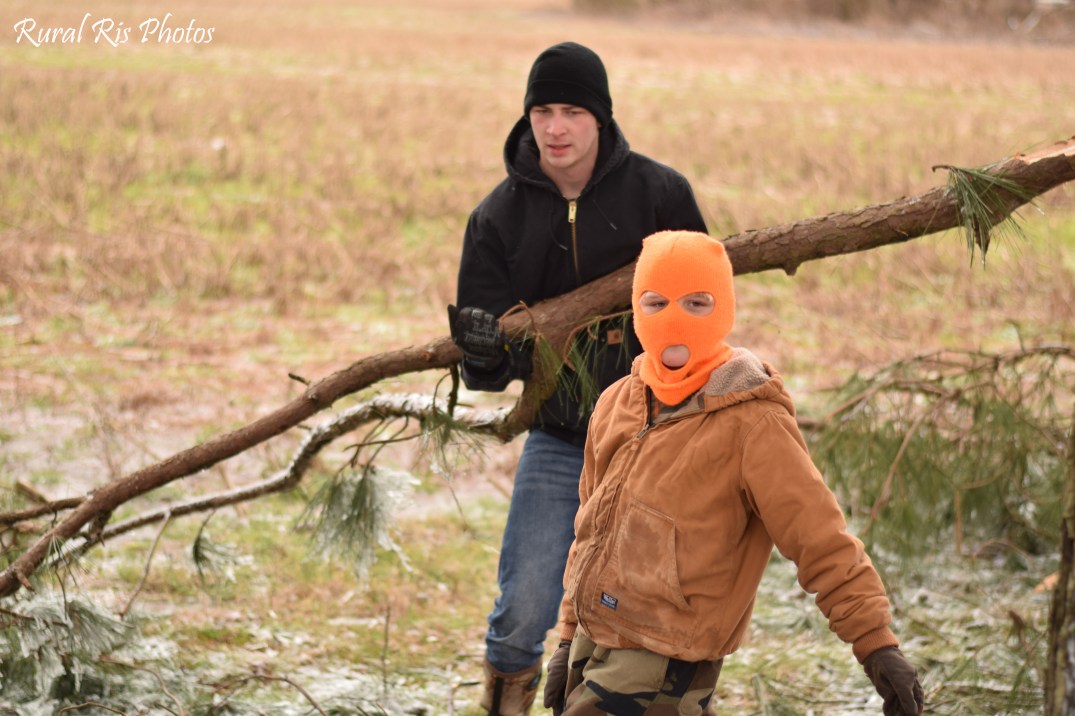
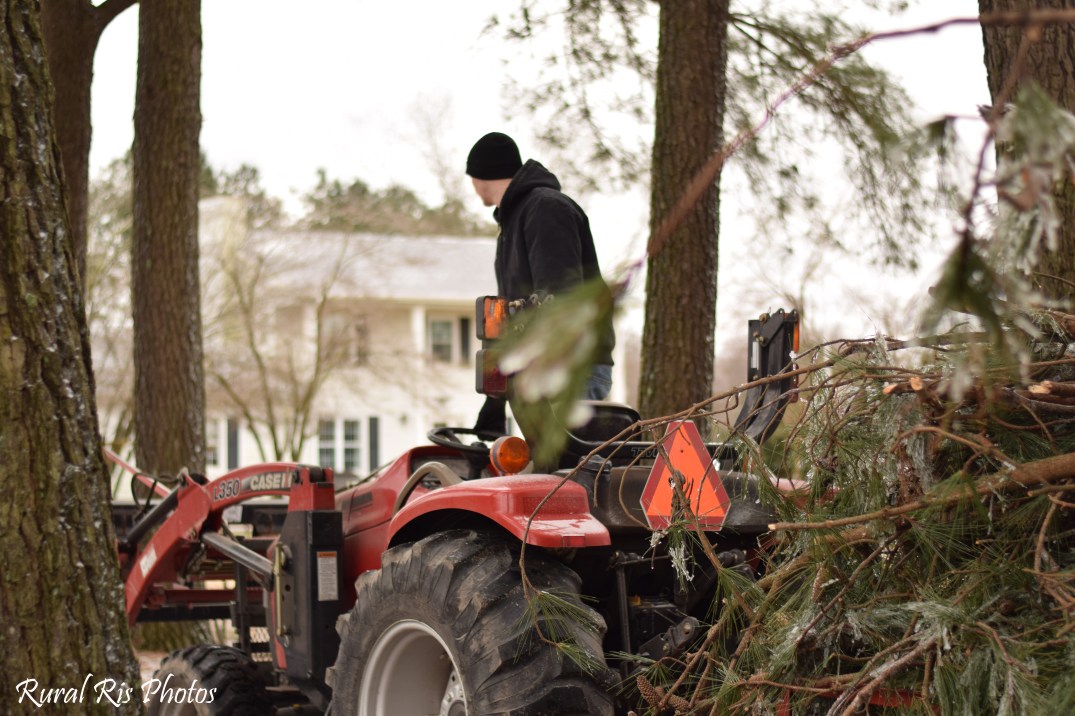
Ice, sword fights, and boys

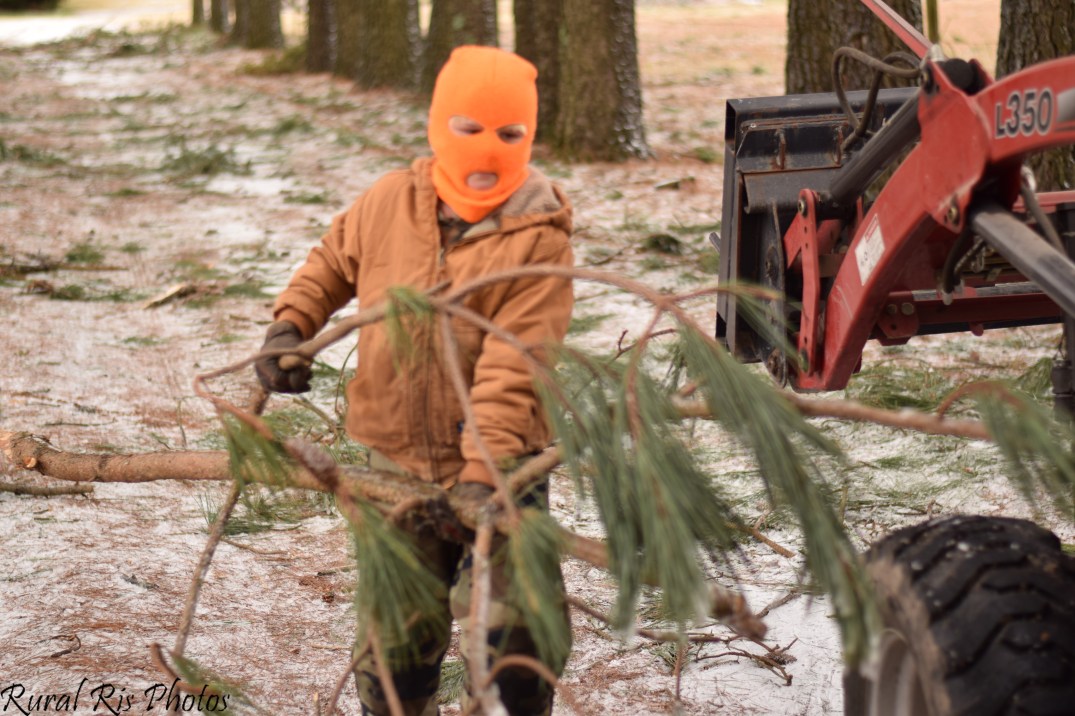
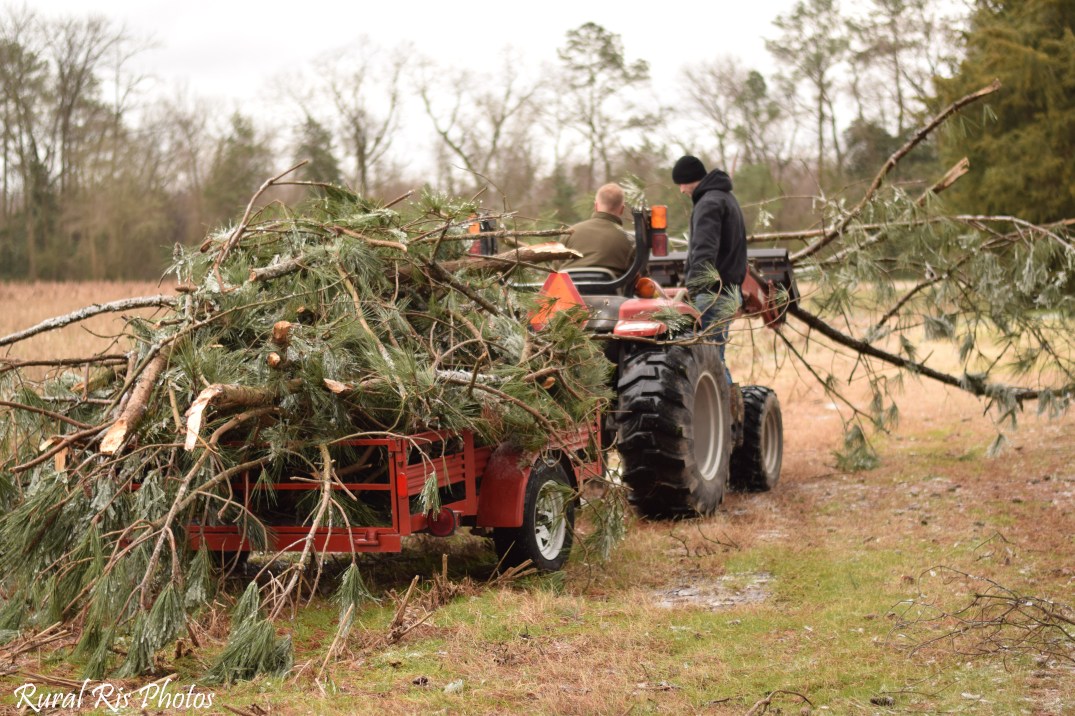
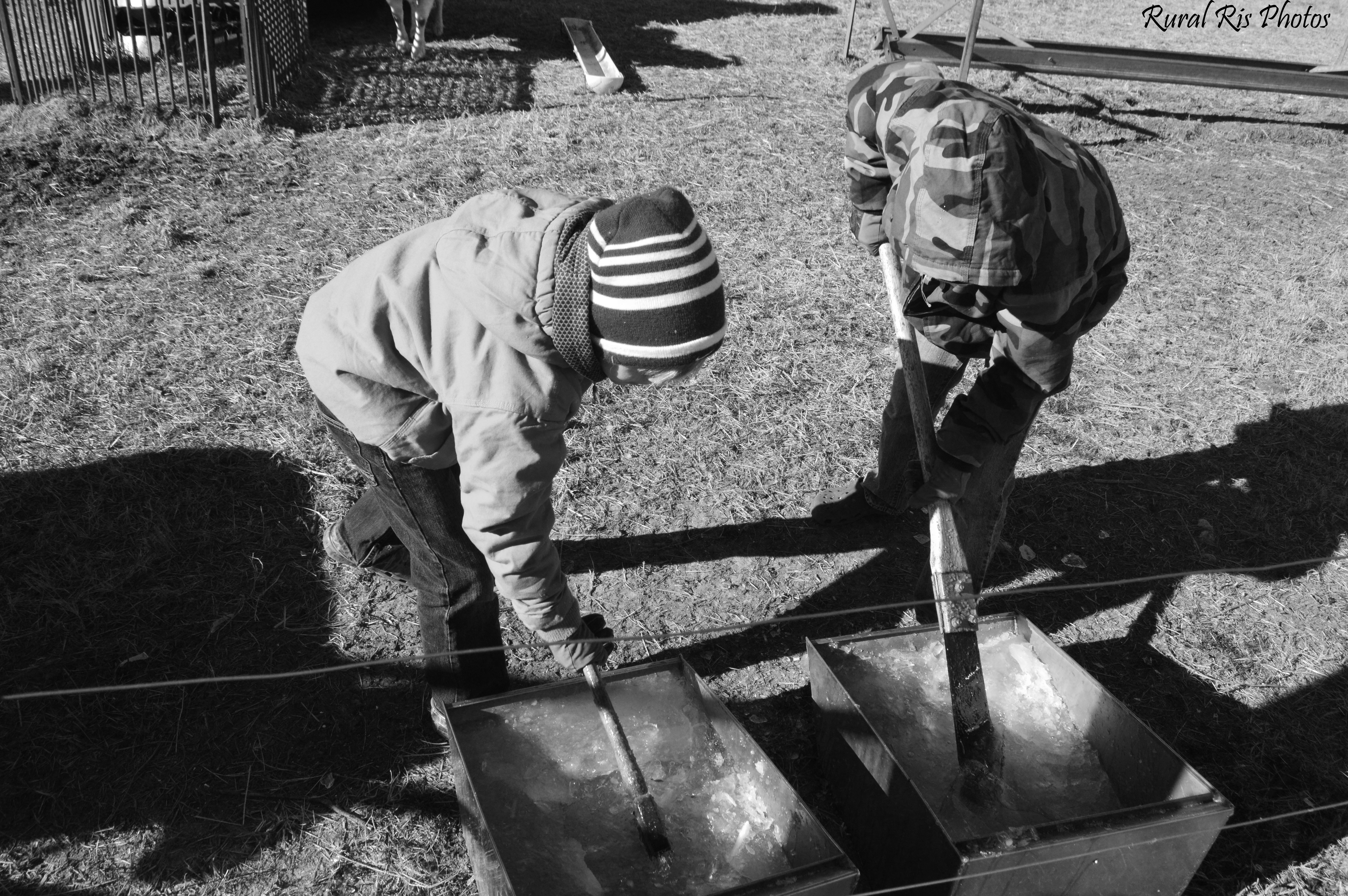
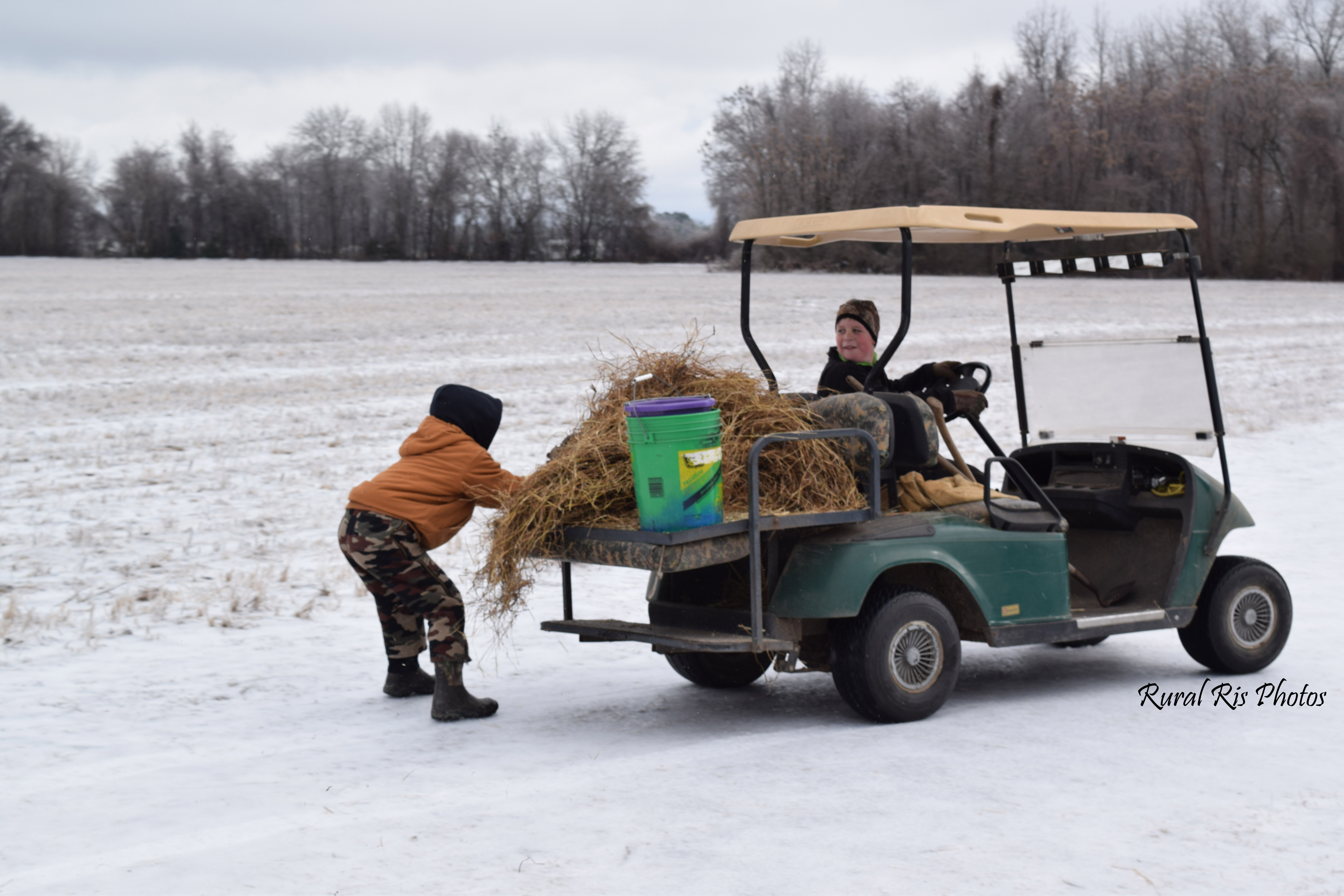
Typically, I have a love/hate relationship with the weather, but right now it’s mostly hate. It is causing one heck of a mess around here. The grossness isn’t just about inconvenience, it is causing a lot more work too. The ice caused a lot of limbs to fall, and of course loads of mud. While these photos are from the first ice round, I thought it appropriate considering yesterday’s ice and today’s rain.

DSC_1328

DSC_1316

DSC_1301

DSC_1325

1

DSC_1320

DSC_1308

DSC_1315

DSC_1332

DSC_1343

DSC_1309

DSC_1336

DSC_1350

4

DSC_1284

DSC_1353

During all the cleanup, there was a bit of an accident too.

DSC_1358

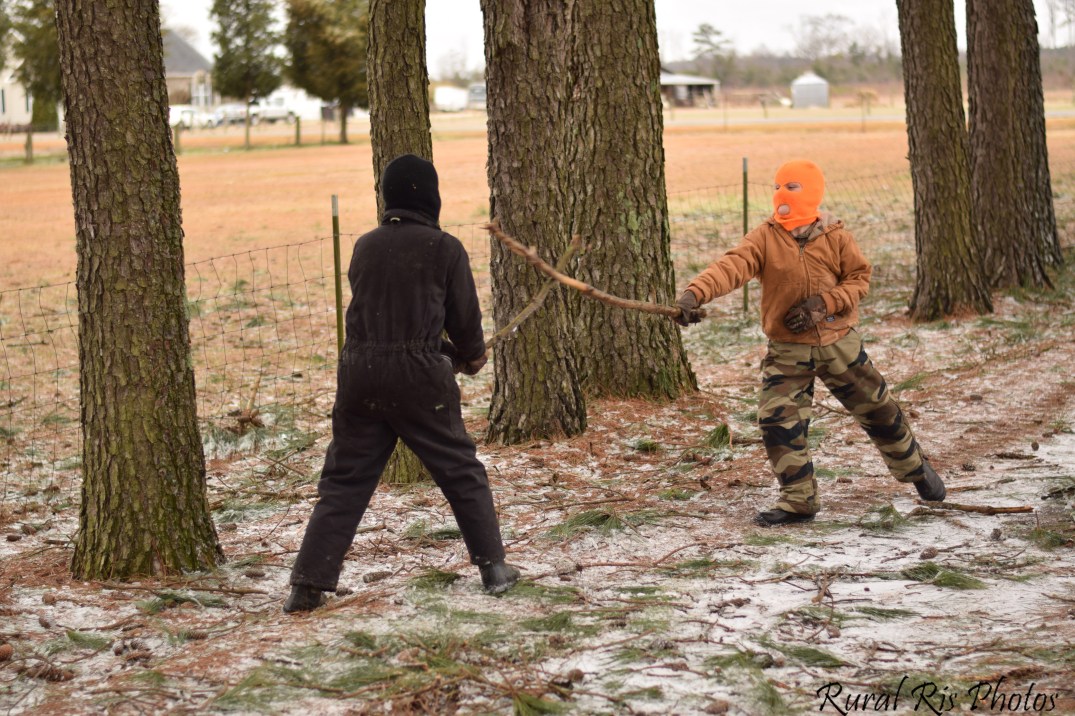
How? Well, let’s just say boys will be boys, and let the next picture do the rest of the talking…

DSC_1357

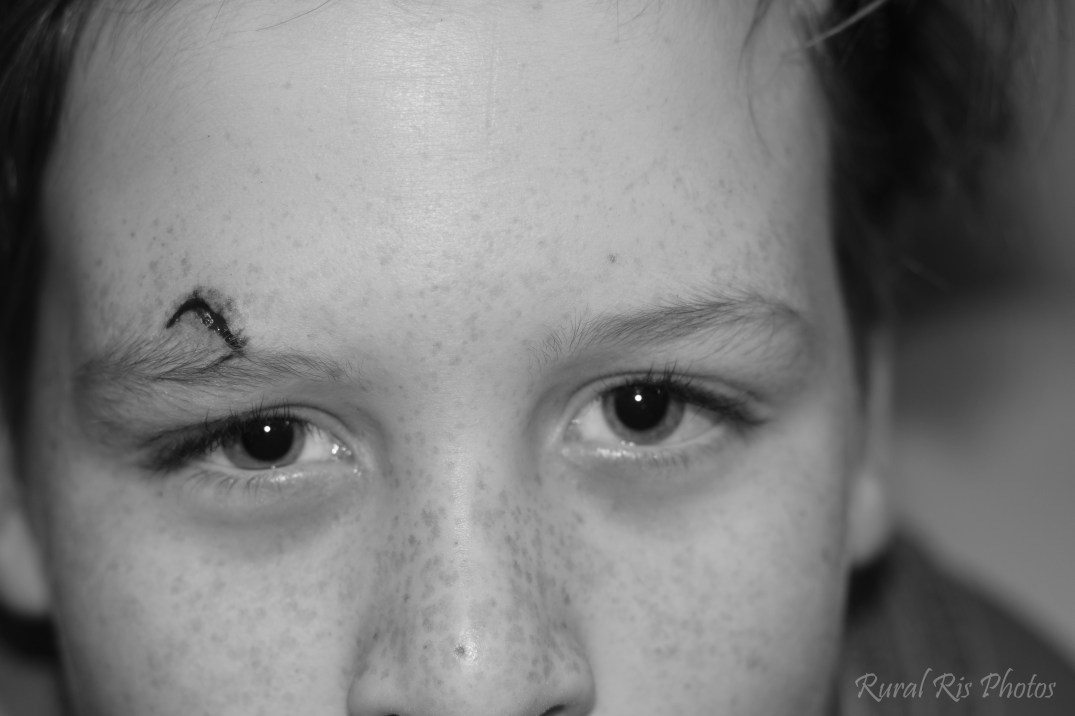
Yes, that is sword fighting. Everything turned out fine, though. Mom cleaned up Isaac’s wound and put some butterfly strips on it. He was good to go, and now has a cool upside down v scar.

6

DSC_1364

Needless to say, the weather is taking  bit of a toll on us. It’ll be fine, though. We’ll just keep praying for sunshine.

DSC_1337


Does FFA Impact Lives…Just Ask

Recently an article was released from PETA that was beyond negative about the FFA. While I will not be linking the article here (I have no desire to increase its views and I do my best to only include truthful things in my blog), I can tell you it was not a fun read.

According to this article, FFA only promotes youth to murder, abuse, and unethical principles towards animals. My first thought was “goodness gracious! Way to turn the colors of National Blue and Corn Gold into a horror movie.”

My second thought was, “how sad is it that with all of the negativity in this world, with all of the negative influences affecting our youth, with all of the school shootings, bullying, and drugs, someone would attack an organization that makes a positive impact in our youth? How does this happen?”

While I have a thousand arguments that I could throw out there about how wrong the article was, I don’t want to go down that road. You see, this goes beyond a typical agriculture versus animal activist argument. This is about youth…our future. The author of the PETA article, well, they missed it. They ran into the situation, guns of assaults blazing like a bull in a china shop, but they missed it. While trying to make some sort of impact of their own, they missed the impact that FFA has on thousands of youth –629, 327 students to be exact, and that does not include alumni.

What kind of impact does FFA make on youth? All you have to do is ask, and that is what I did. I asked several FFA members how FFA had impacted their lives and to share their favorite photo. This is what I got:

“The FFA has impacted me in so many ways! It has given me a way to connect with people all over the nation as well  develop my leadership and personal skills. It has given me a deeper understanding of agriculture and its importance, not only to me, but to every single person on the earth. Without FFA, I can truly say that I wouldn’t be the person that I am today.” -Shelby Bireley, 2015-2016 NC FFA State President

12583830_1052586404794202_1951350823_n
Shelby’s favorite picture is the very first one taken as the NC State Officer team.

FFA has not only impacted my life, but it’s truly changed it forever. FFA has inspired me to devote my life to service and become an agricultural education teacher. FFA is far from your average club; I’ve been in quite a few clubs, and while they are great, none have influenced my life like FFA has and will continue to do. I have been in FFA since I have been in the 7th grade. Since then I have served in multiple offices (Treasurer, Vice-president, and Tobacco Federation President) and competed in several career development events including Parliamentary Procedure, Extemporaneous speaking, Agricultural Sales, Livestock judging and many more events. But nothing has meant more than the friends I’ve made through this amazing experience and the mentors I’ve had established through this life changing experience. FFA is the best experience you can have as a high-schooler, because it not only builds you as a leader, it gives you opportunity to influence and change people’s lives. That is what FFA has done for me and millions of people that have been in it. It has been one of the biggest blessings God has so greatly blessed me with.” -Alan Johnson, Spring Creek Chapter Vice President and Tobacco Federation President.

12636926_932374306861741_594783618_o
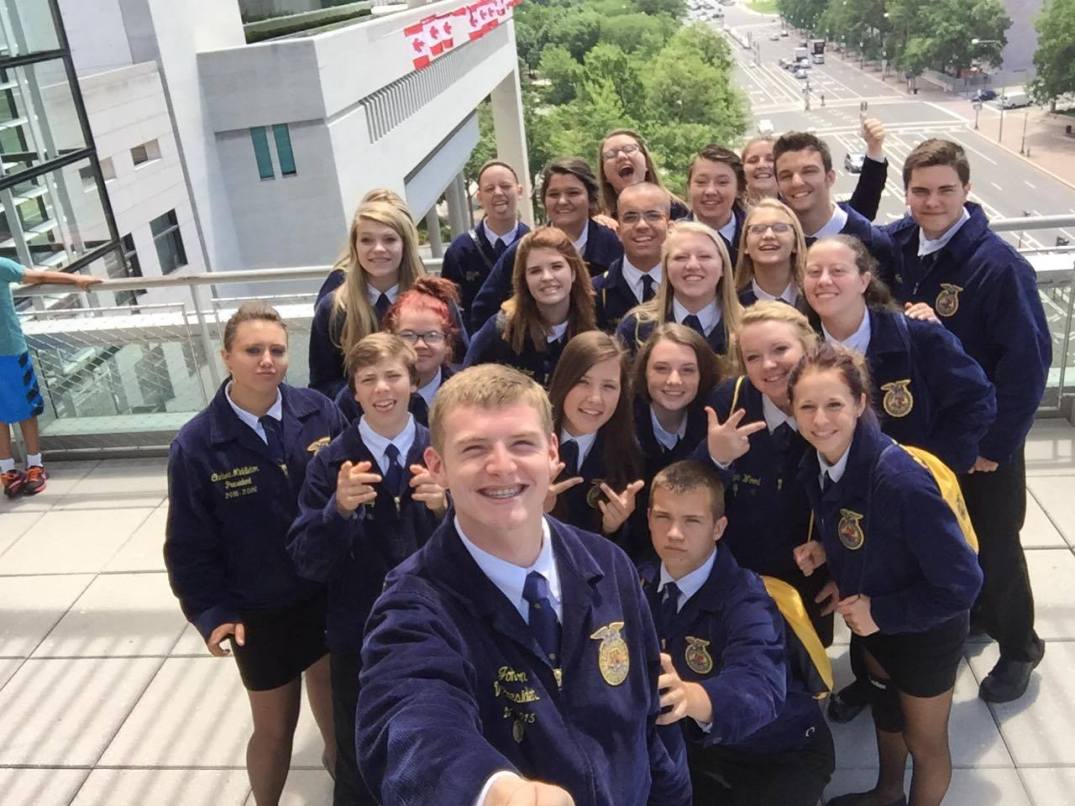
Washington Leadership Conference selfie is one of Alan’s favorite photos

“FFA opened doors that I never thought possible. The Blue Jacket provided a network of friends and family that has accelerated my life and passion for agriculture. FFA gave me a place to belong and instilled in me a love of life and passion for service. I am forever grateful to FFA, my adviser and my fellow members for their impact on me.”- John Stewart, 2011-2012 NC State FFA President


12596494_1133203200025531_472591230_n
John’s favorite picture exudes joy!


FFA has shaped me into the person I am today! When I was no longer able to play contact sports because of concussions, FFA provided me everything contact sports did plus more. It gave me the chance to take the drive and passion I put into my sports and put them into FFA. I plan to run for a State FFA officer position, to attend an agriculture college, to pursue a career in agriculture, and give back to the organization that has shaped me into who I am today and aspire to be in the future! I have learned from FFA through the Classroom, Career Development Events, and my Supervised Agricultural Experiment.” -Trey Palmer, Orange FFA Chapter President

12625956_449535591918166_428311542_n
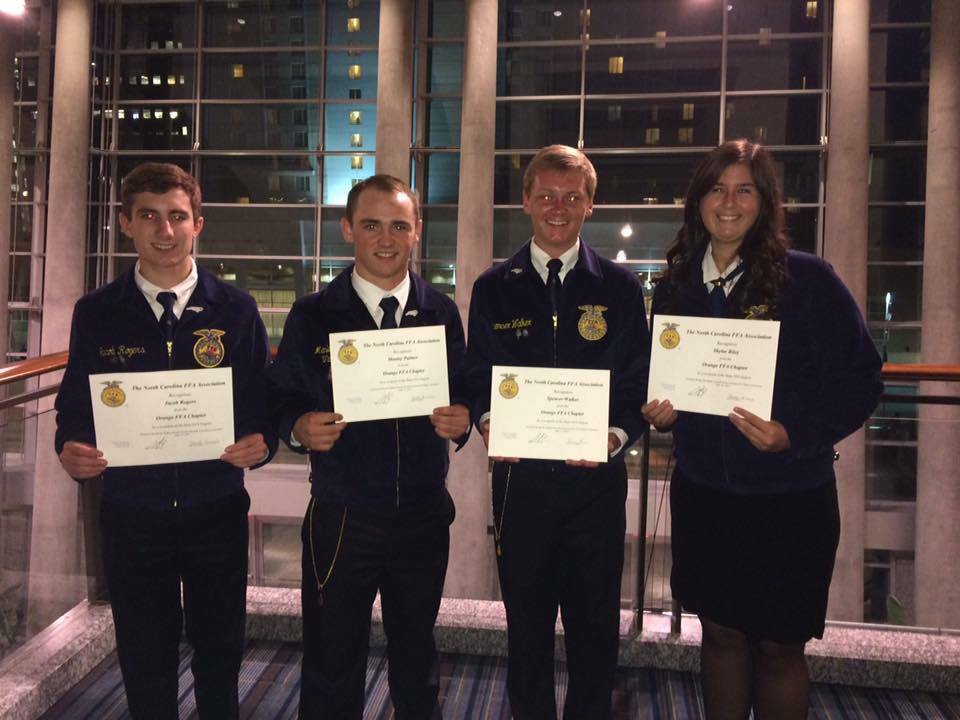
Trey, second from left receiving his state degree.
12632973_449535598584832_1975478144_o
National Convention

“Long story short, FFA made me who I am today. There were about six years where FFA was a majority of my life. To me, it’s more than a club. It is family, passion, faith, and tradition. I have met a lot of my closest friends through my experiences with FFA. I also explain to people that this organization took a young, (for the most part) shy, young boy and made me into a young leader in the agricultural industry who strives to do his best and encourages others to do the same. FFA has taken me to South Africa and Costa Rica, not to mention all over the United States. I have made friends all across the nation through FFA and feel like I could call a good majority of them up if I ever needed anything. We say that the three pillars of FFA are premier leadership, personal growth, and career success. Yes, that is why we do what we do: to develop young people into leaders who have a passion and purpose in life. However, to me, FFA is something I will take with me throughout the rest of my life. Some of my greatest triumphs, as well as greatest defeats have been through experiences in FFA.” -Bradley Glover, 2013-2014 NC State FFA Vice President


1239189_10201470183869452_324305863_o
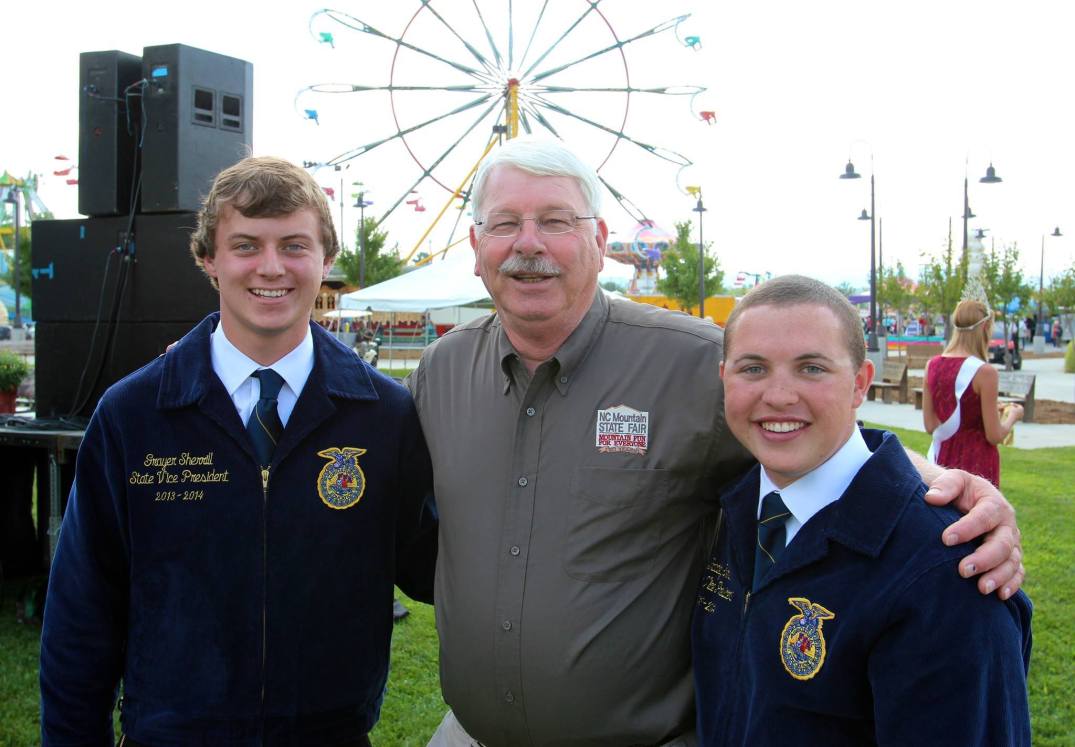
Bradley was able to meet a lot of people through FFA including NC Secretary of Agriculture, Steve Troxler

Bradley went on to express his thoughts on the article from PETA…

“In response to the article written by PETA, if the writer was once an FFA member, they never got the idea of it fully. They missed the whole purpose. Those CDE’s and other opportunities mentioned do not exist to promote unethical treatment of any living being. Instead, they are aspects of the agricultural industry. The National FFA Organization has set out to make its members successful in agriculture, or any industry in which they choose to work, as well as promoting that they grow as a person each and every day to make this world a better place. A major aspect of this organization that many people often forget is service. FFA members are constantly giving back to their communities. I am proud to be an FFA Alumni and will always stand with the agriculture industry. We are not perfect, but we are always trying to be better.” -BG

Untitled-1

Of course, these testimonies of how the FFA has made an impact are just a drop in the bucket. FFA is something positive for our youth. Agriculture aside, it develops skills, connections, and life lessons that can be used in any scenario. I’ve seen it make an impact time and time again. Unfortunately, some people don’t see that, but that is where you come in. PETA told an FFA story, and it was dead wrong (no pun intended). Now it’s your turn. How has FFA impacted your life? Share your story, and let your voice be heard in the comments section. Let’s fill it up with all of the ways that FFA helps build our future…our youth.

So, my challenge to you is, A) don’t share the PETA article. It only gives them more attention and traction. B) Try not to get too angry. Anger shuts people down. C) share your excitement and passion! Let your voice be heard. You can start now, by commenting how FFA has impacted your life. Ready, set, go!


Life of a Farm Boy

As I was flipping through photos, I was struck by what a great life farming provides. Sure it is hard work and dirty, but there is no better place to grow up in my opinion.

I always knew that I enjoyed the farm life, but wasn’t sure if I was an anomaly. There is a 12 and 13 year age gap between my youngest brothers and myself. This has allowed me to really take in what it is like growing up on a farm. I’m thoroughly convinced  that we are incredibly blessed to live this life.

Recently, a woman visiting the farm mentioned that this was her daughter’s dream. I mulled that over. My reality was her dream. Wow! How lucky am I? How lucky are my brothers?

Living on a farm can be inconvenient, dirty, and hard. Going on vacation means finding someone to feed the stock. After a ball game on Saturday, we return to make fence repairs, medicate animals, or clean barns out. By a young age, we kids know and have experienced the miracle of life and the woes of death. Everyday is a go outside day (sometimes it is just a matter of how fast can we feed).
BUT, living on a farm is… well, just scroll through the photos. It is the life of my brothers. It is the life of farm boys.

DSC_1166

gid

fort13

trio boys

DSC_0097

IMG_20140920_152552_958

giddd

DSC_0954

020314 005

DSC_0003DSC_0583

isaac alec plant

DSC_0498

DSC_0134

DSC_1185

DSC_0172

DSC_0541

alec wool

DSC_0618

DSC_1168

DSC_0066

DSC_0934

DSC_1182

DSC_0504


When it Rains: Weather Causes Challenges for Hog Farmers

For many in the world, rain is simply an inconvenience. Umbrellas go up, feet get wet, traffic gets worse, plans get ruined. It is just plain gross.

For some though, rain devastates. We all know that a lack of rain can ruin crops. We have all heard of farmers praying for rain, but there are also the days where farmers are praying for it to stop.

Recently, it rained, and rained…and rained some more. I had two flooded pastures, and the sheep had to wade puddles that were more like rivers to get to a dry pen. I was beyond ankle deep in mud. It frustrated me, but there wasn’t a thing to be done… well except transfer the sheep. I realized that for us, though, the rain and muck was an inconvenience. It was a bigger inconvenience than someone who doesn’t live on a farm, but compared to what my dad was dealing with, it was just an inconvenience.

DSC_0233
An example of the standing water we had on the farm

Dad is an environmental manager for several hog farms. His job is to oversee the management of the land on the farms, the lagoons (containing area for hog waste), and all waste treatment from the pigs. In short he manages dirt, poop, and crops…with people.

Examples of some of his duties include managing innovative growing and harvesting bio-mass (e.g. miscanthis, sorghum, etc.) for bio-fuels. He oversees how land renters are managing that piece of land. He also monitors lagoon levels at multiple hog farms. Lagoons cannot rise to a certain level. This is why the waste (aka manure) is pumped out and used as fertilizer on crops. It is a great way farms use resources. They can’t pump this waste on the land flippantly, though. They follow strict guidelines and regulations set forth by the state. Dad makes sure they follow these regulations.

DSC_0229
Pumping on hay fields for fertilizer

One of his biggest enemies, is rain. I remember as a little girl seeing how stressed he was because of a heavy rain. Why is it a stresser? Well, rain can fill up lagoons and make them rise over acceptable levels if not managed. Managing the levels take place with proactive measures by pumping when it is sunny and the crops can soak it all up. They also occur in the midst of the rain. Sometimes, no matter how proactive farmers are, Mother Nature will not cooperate. She just keeps on pounding the rain.

DSC_0277
A low level lagoon

Can they just pump in the rain on the wet ground? Absolutely not! Can they throw up their hands and say oh well? Nope! They work overtime. They haul in tankers to haul the waste away to keep the lagoon level down. This is expensive, costing thousands of dollars. Add this stress onto the fact that if they ever hit a high level, they have to report it to the state. If they have a spill, they get fined. There is major stress trying to protect the environment, abide by regulations, and fighting Mother Nature.

DSC_0244

During Christmas, it rained. My dad was on the phone a lot, making calls, making decisions, and making the drive to the farm that was 45 minutes away to monitor it. There was the potential that he was going to have to call his guys and say you have to work on Christmas. Is pig poop so important that he would have to take men away from their families on Christmas? It is when it rains. It is when they are looking at rising levels, fines, and damages. It is important because if they ignore it, they fail, and they hurt their community. So, like the majority of individuals who farm, they go out in the rain, and on Christmas if needed.

DSC_0321
Pumping on sunny days is a proactive way to manage for rainy days.

Takeaway: Lagoons are in the news a lot as a pollutant and farmers are portrayed as the polluters who willfully ruin the environment. The truth, though is they work very hard to protect it. My dad has been an environmental manager for more than 15 years. He is the kind of guy who when given too much change, he returns it. If he returns a couple of dollars, don’t you think he would follow regulations, and safeguard the environment even at the expense of blowing his budget and working on holidays? I do. I’ve seen it for almost two decades.

This post is Dad approved.

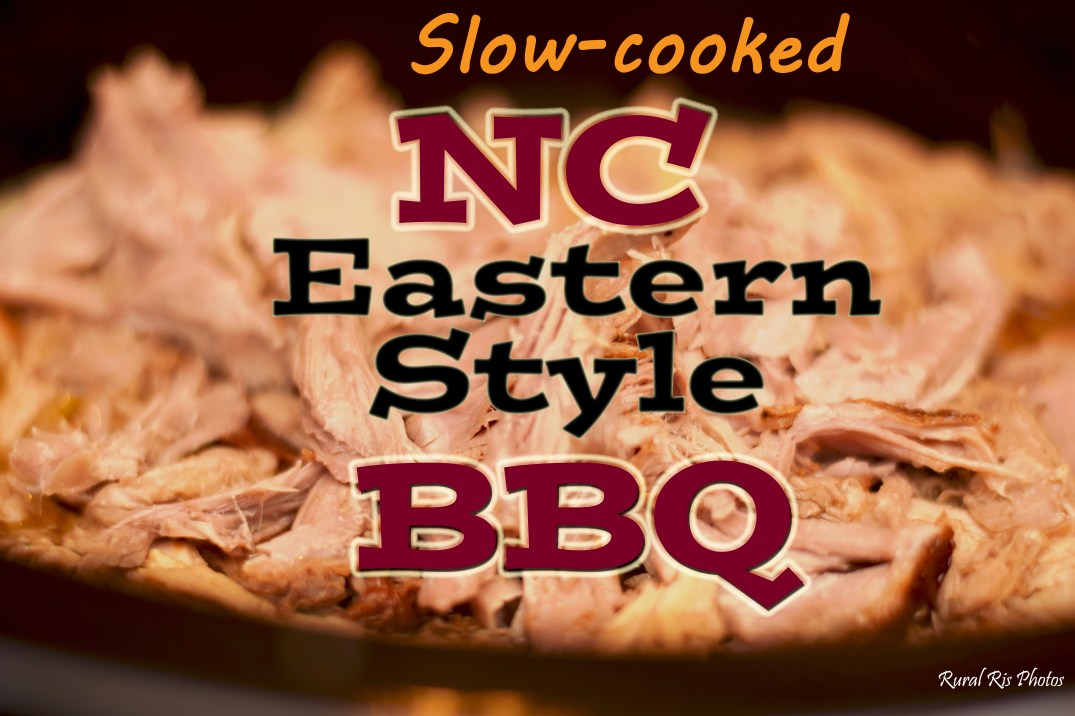
Family, Black-eyed peas, Collard Greens & 2016: Slow-cooked NC Eastern Style BBQ Recipe

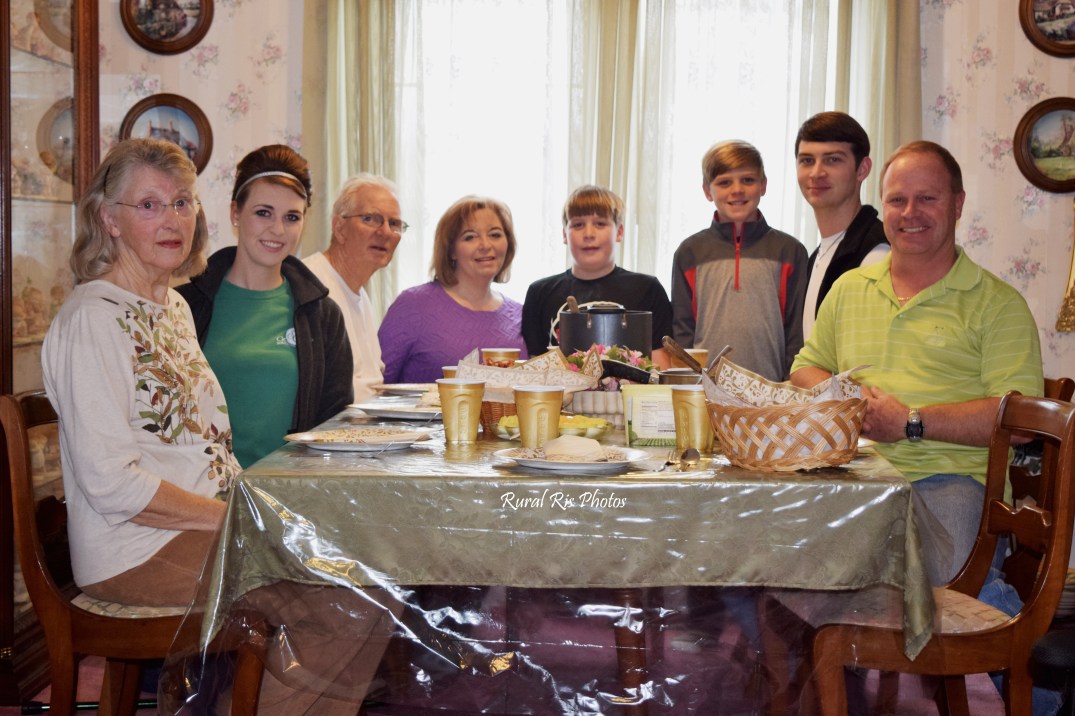
Pork was the theme for our New Year’s Eve and Day. New Year’s Day was your typical southern fare with black-eyed peas cooked with ham hock, collard greens, bacon, and ham. If you didn’t eat collard greens and black-eyed peas, then, I’m sorry but wealth will not be in your 2016. It is tradition, you see, to eat greens and peas for good fortune.

DSC_0762.jpg

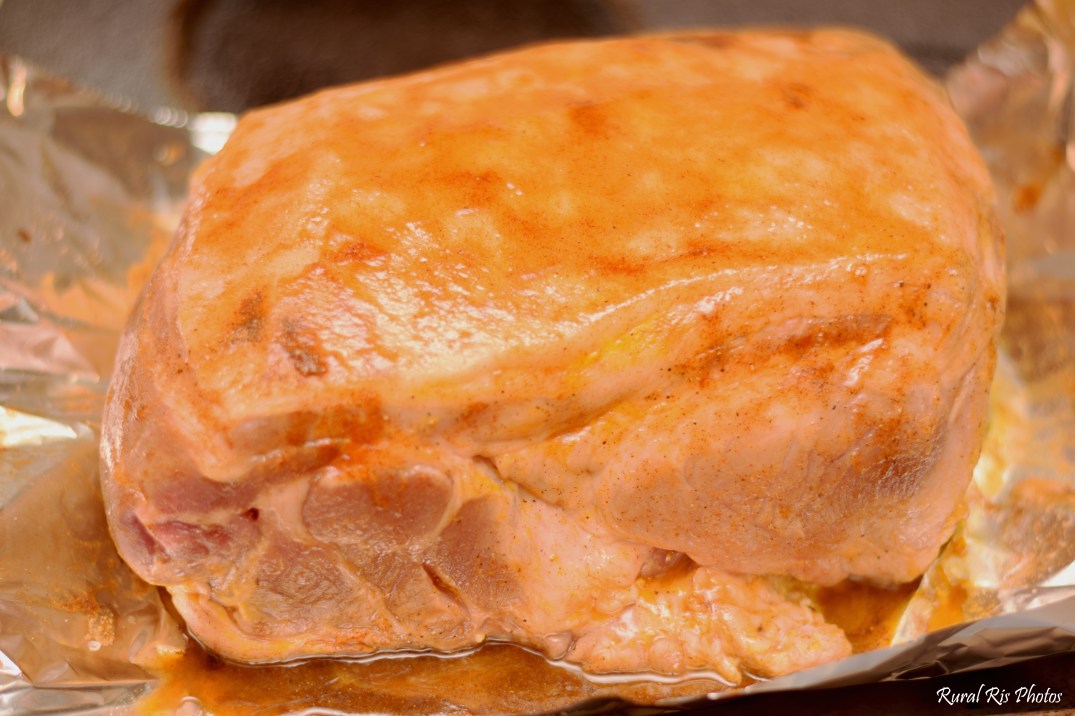
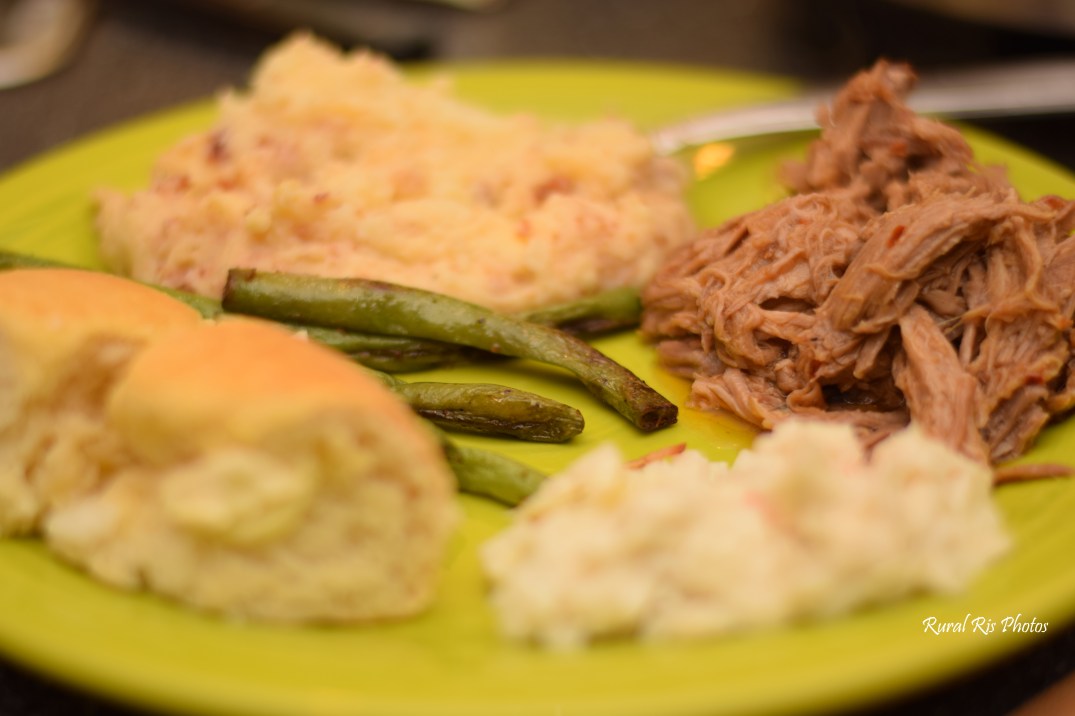
There isn’t really a tradition for New Year’s Eve in terms of food for our family. I made the command decision to cook a pork shoulder for BBQ (Eastern style of course), green beans, and loaded mashed potatoes. It was all good, but the pork was the star of the show. Clearly, it had to be, what with it being the last meal of 2015. It will not be left in 2015, though. It will surely make an appearance in 2016 at our house. I definitely recommend trying it at your house too!

bbq

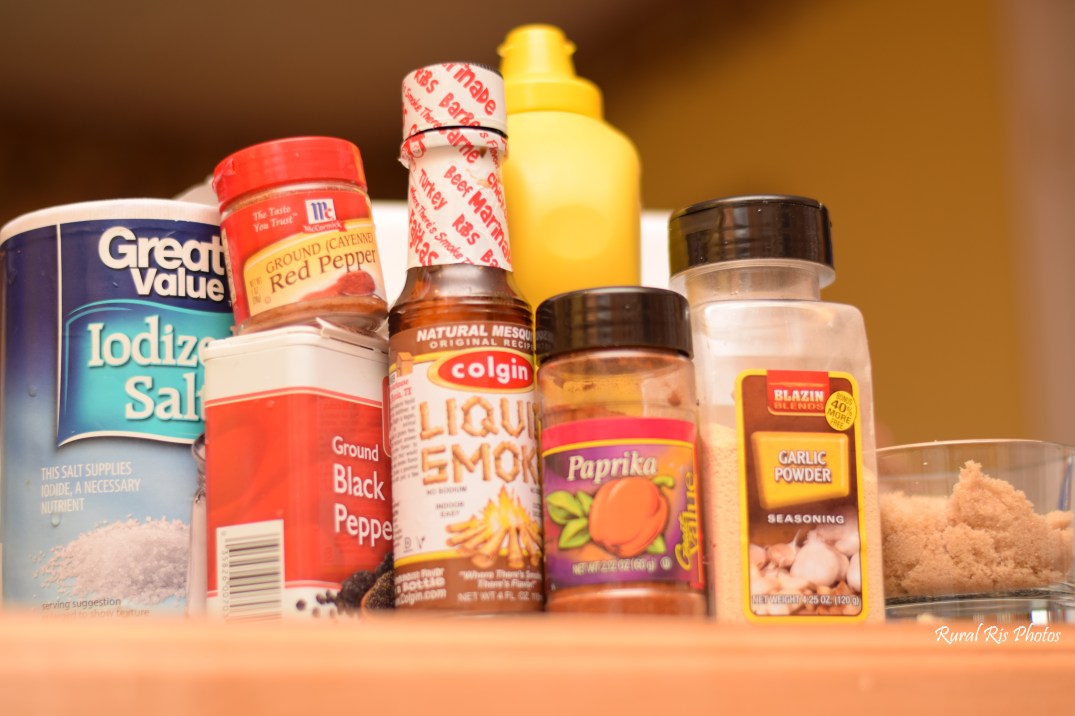
Ingredients: Pork Rub

  • 9 lb Boston Butt Pork Shoulder (this can vary based on the crowd you are feeding. 9lb fed our family of 6, and we had leftovers)
  • Yellow Mustard
  • Brown Sugar
  • Paprika
  • Salt
  • Pepper
  • Cayenne Pepper
  • Garlic Powder
  • Liquid Smoke

DSC_0672.jpg

Ingredients: Sauce

  • 1.5 cups of white vinegar
  • 1.5 cups of cider vinegar
  • 1 cup of apple juice
  • Crushed red pepper flakes
  • 2 tablespoons brown sugar
  • 2-3 tablespoons of hot sauce

Instructions:

  1. Rinse your shoulder and pat it dry with paper towels. Set it on a piece of tin foil. Do not take any fat off or the bone out.
  2. Coat all sides of the shoulder with mustard. After all sides are coated, liberally sprinkle other seasonings on all sides of the meat. Squirt liquid smoke on once all seasonings are on.DSC_0665.jpg
  3. Dump all sauce ingredients into a crock pot on low heat.
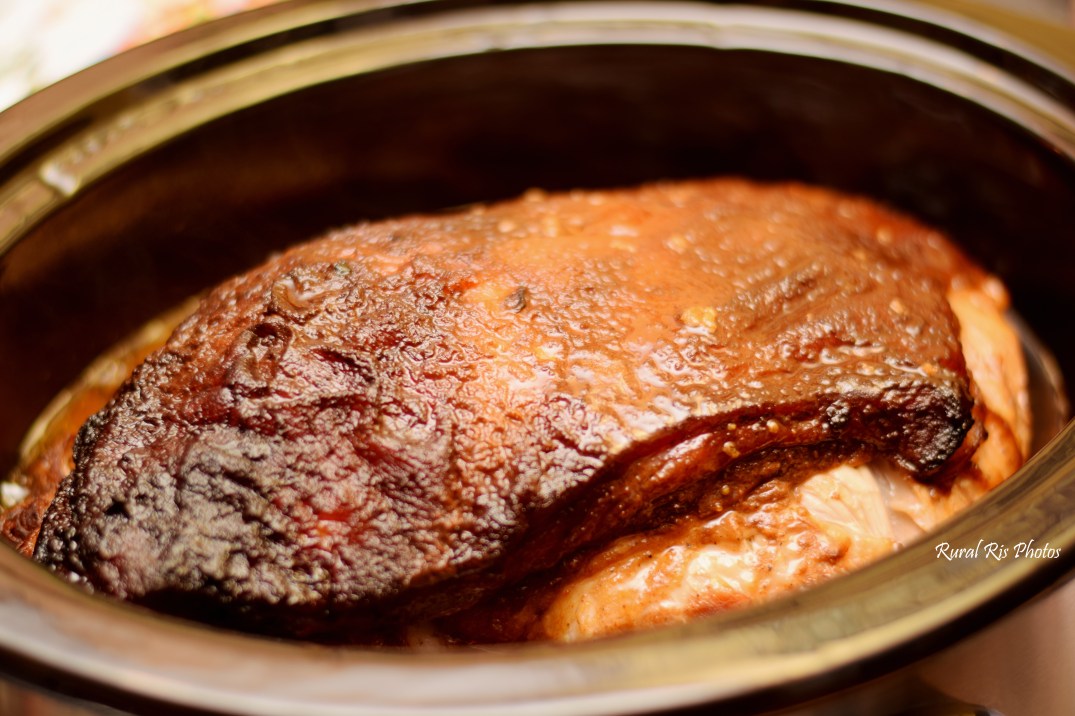
  4. Place the meat (fat side up) and tin foil on a baking sheet and put it in the oven at 300 degrees Fahrenheit. Cook for about 2-3 hours or until the middle of the meat registers 95-100 degrees. The oven will create a nice bark on the meat.
  5. Take the meat out of the oven and place it in the crock pot full of sauce. Cook on low until the meat registers 140 degrees Fahrenheit (around 2 hours).DSC_0673.jpg
  6.  Once the temperature has been reached, take the meat and place it on a pan to shred. If there is any fat left on it, carve it away. Take two forks and shred the meat. It should fall right apart.DSC_0684DSC_0692.jpgDSC_0698.jpg
  7. Put the shredded meat back in the crock pot full of sauce for 10-15 minutes. Serve on sandwiches or by itself.DSC_0701.jpg

*Note: If you like things spicier, add more hot sauce and crushed red pepper flakes to the meat and sauce at the end. I also made a separate batch of sauce to put in a bottle and squirt on top of the BBQ. The only difference in it and what was put in the crock pot, is I didn’t include apple juice and simmered it in a pot. 

This makes a great family meal, and provides loads of leftovers for our family of 6. We have even frozen the meat for pre-made meals. I hope you enjoy it as much as we did! [p

Southern Snow

Although yesterday was the first day of winter, here in North Carolina, it is a balmy 70 degrees and super wet(Santa, you might want to bring your swim suit). I have never seen a white Christmas. Well, there was that one time it snowed the day after Christmas, so I counted it, but still.

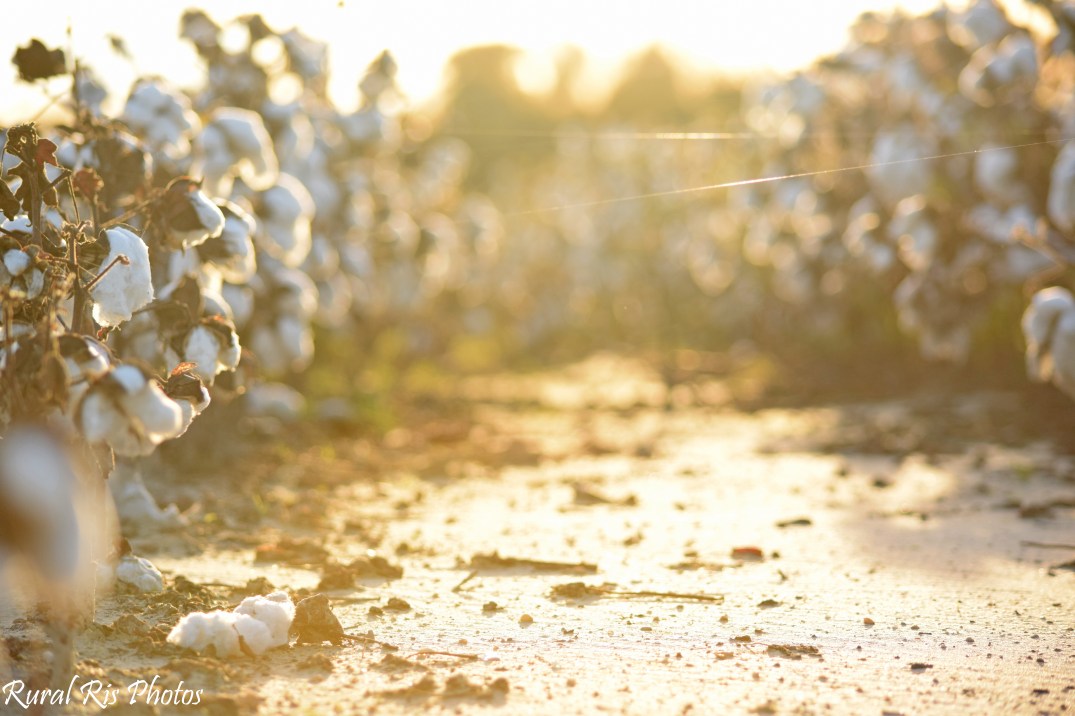
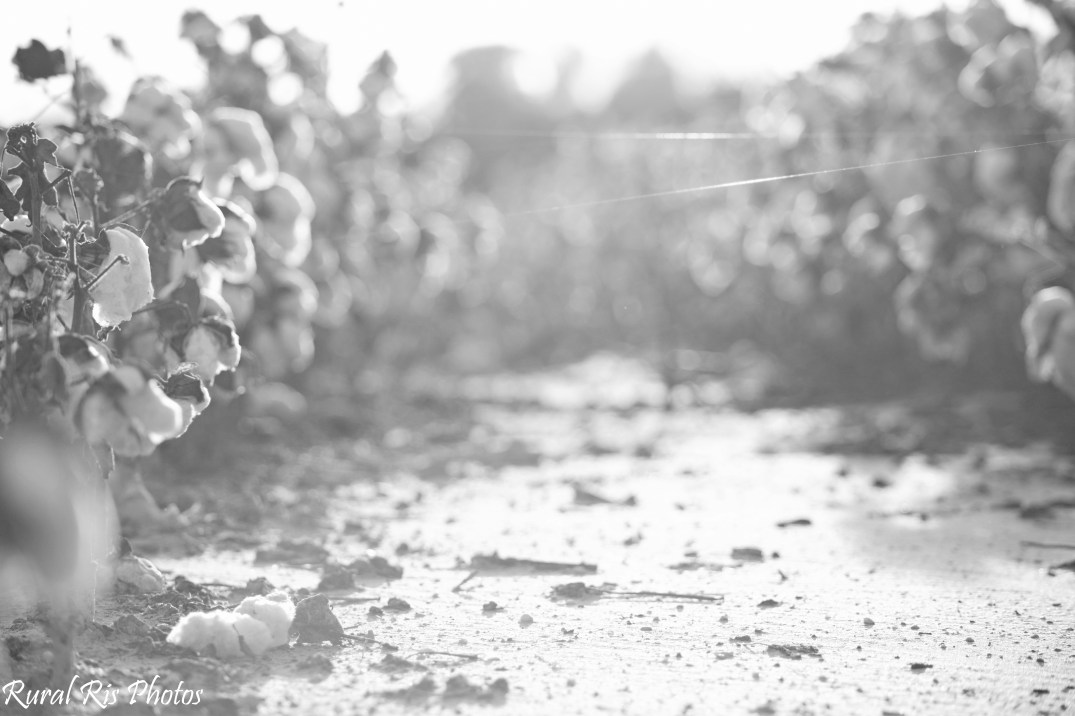
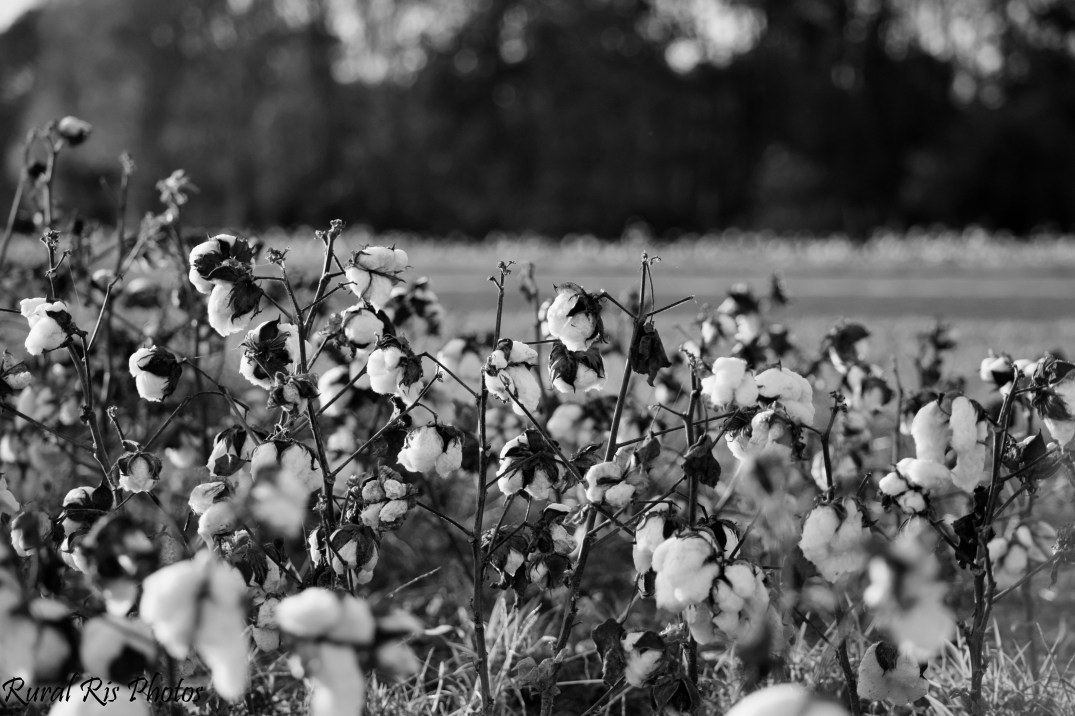
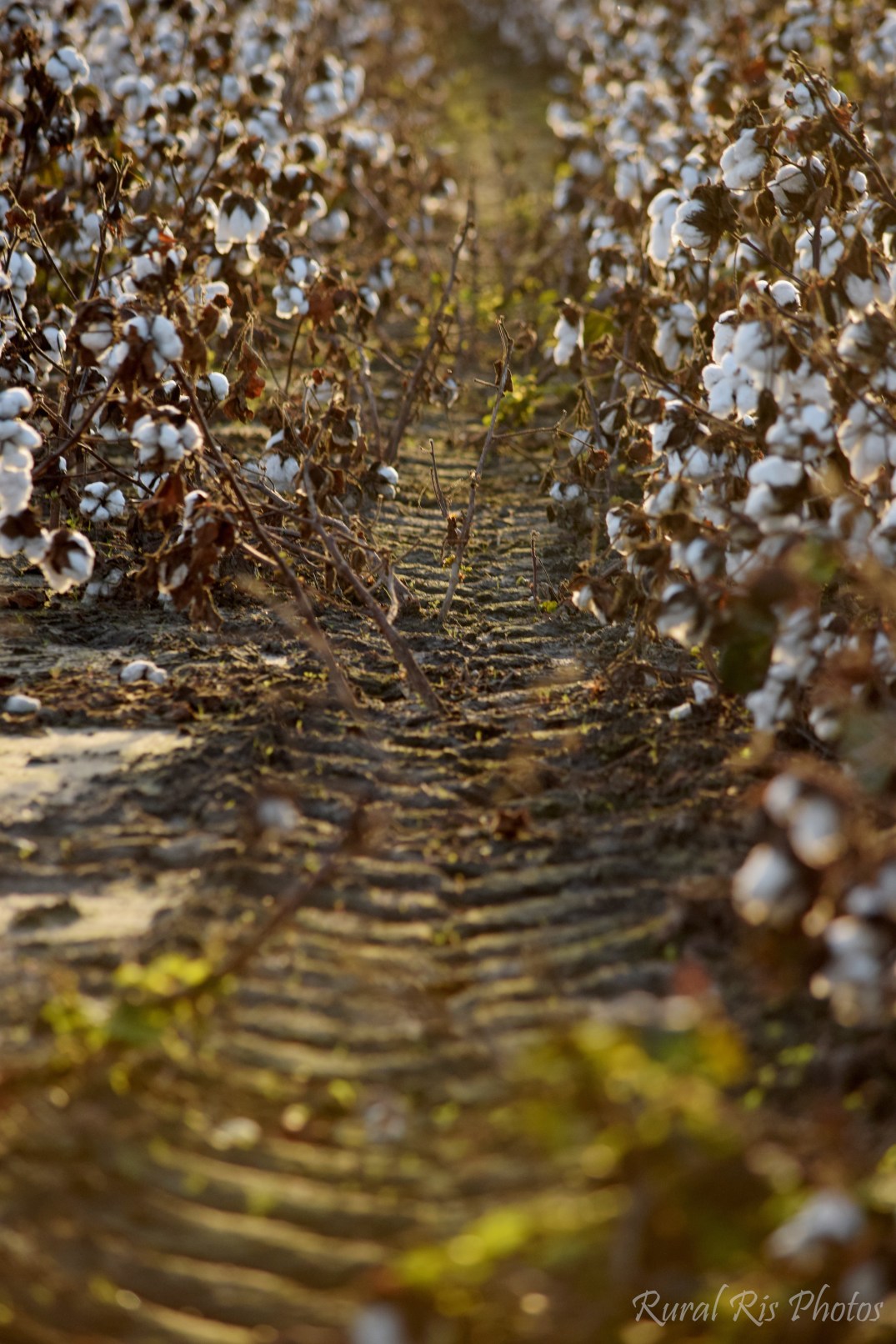
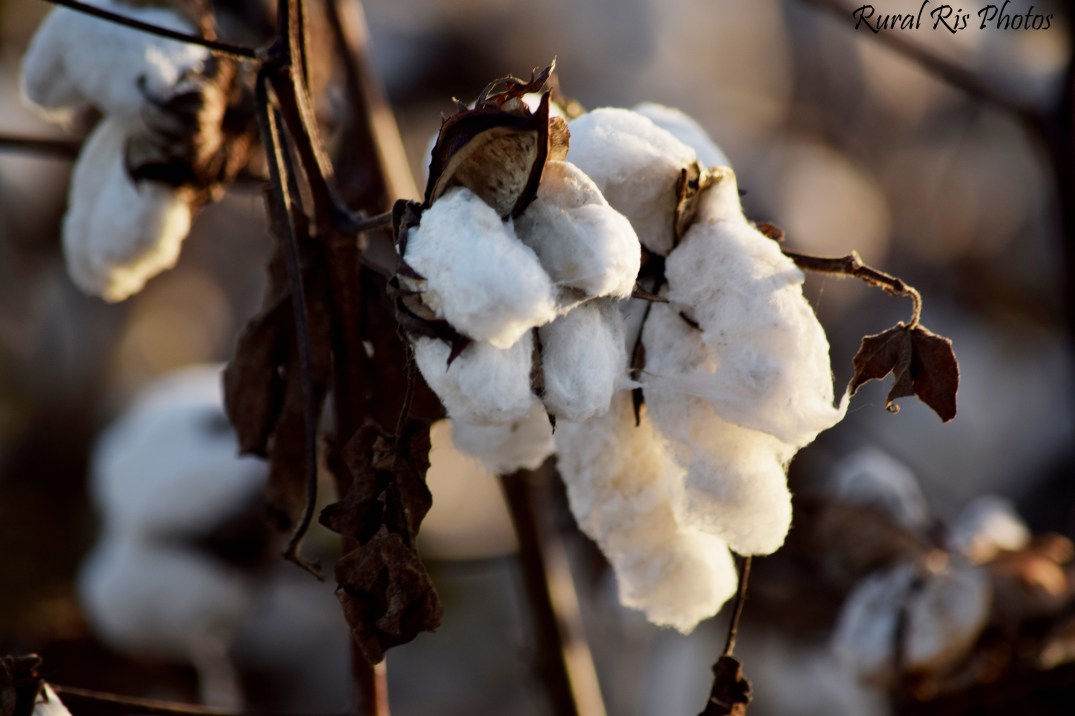
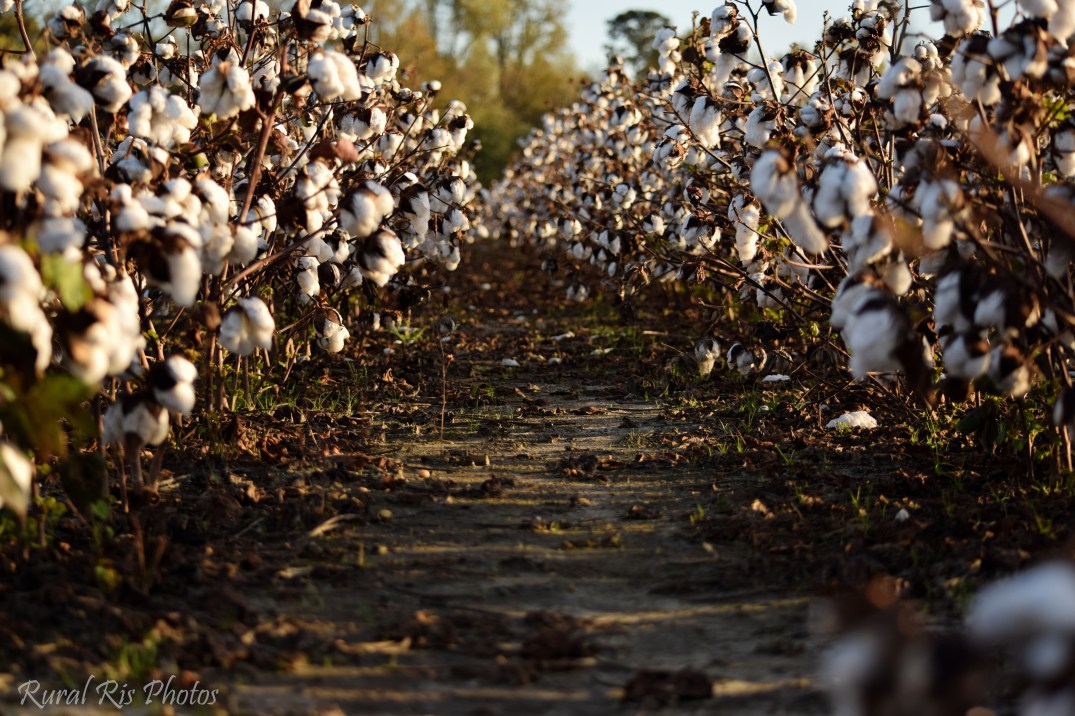
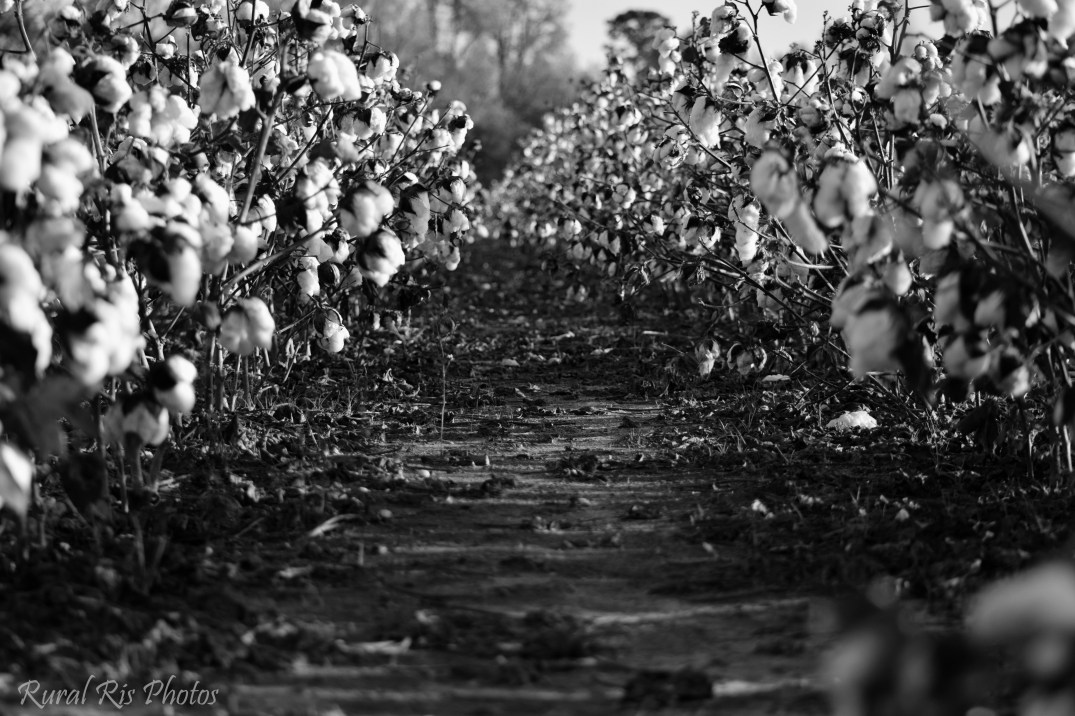
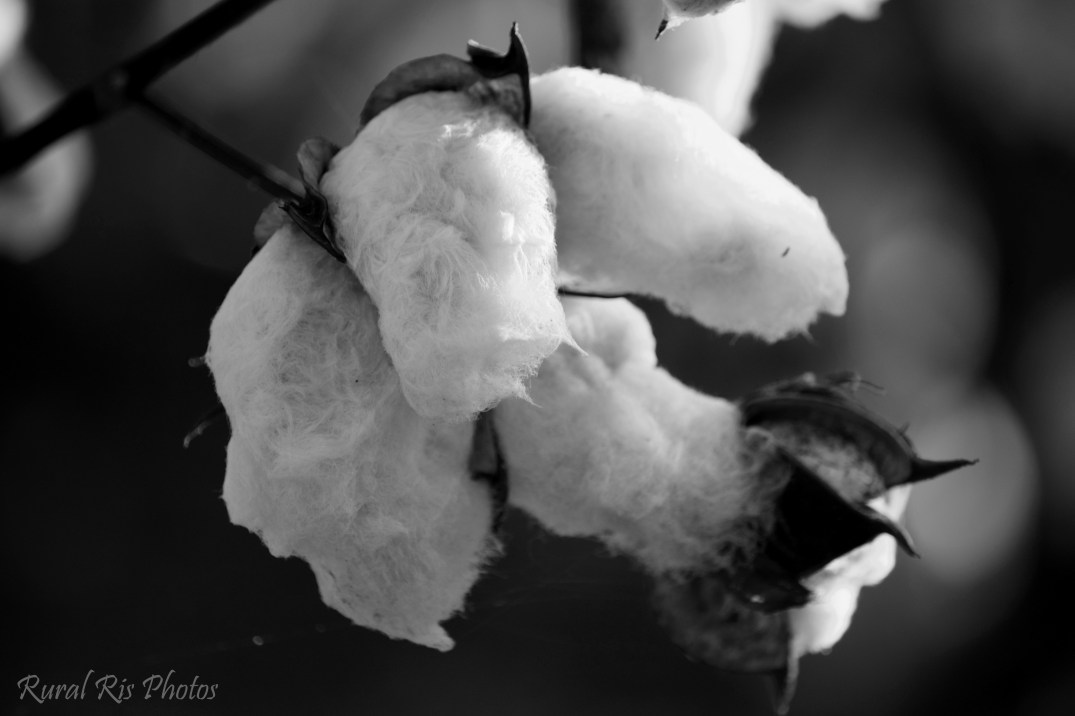
There are places here in the South where fields of white can be seen. I’m talking about cotton. It is a southern snow if you will, and it is beautiful.

12

Not only is it beautiful, but it is also pretty important to America. Cotton is the number one value-added crop in America, bringing in $5.3 billion just at the farm level and more than $120 billion in annual business revenue.

13

14

Cotton isn’t just about the fibers. All parts of the plants are used. The seeds are processed into oil, meal, or hulls. Oil is often used in shortening and salad dressing. Meal and hulls are a great protein feed for livestock.

2

America’s currency is 75% cotton.

DSC_0096

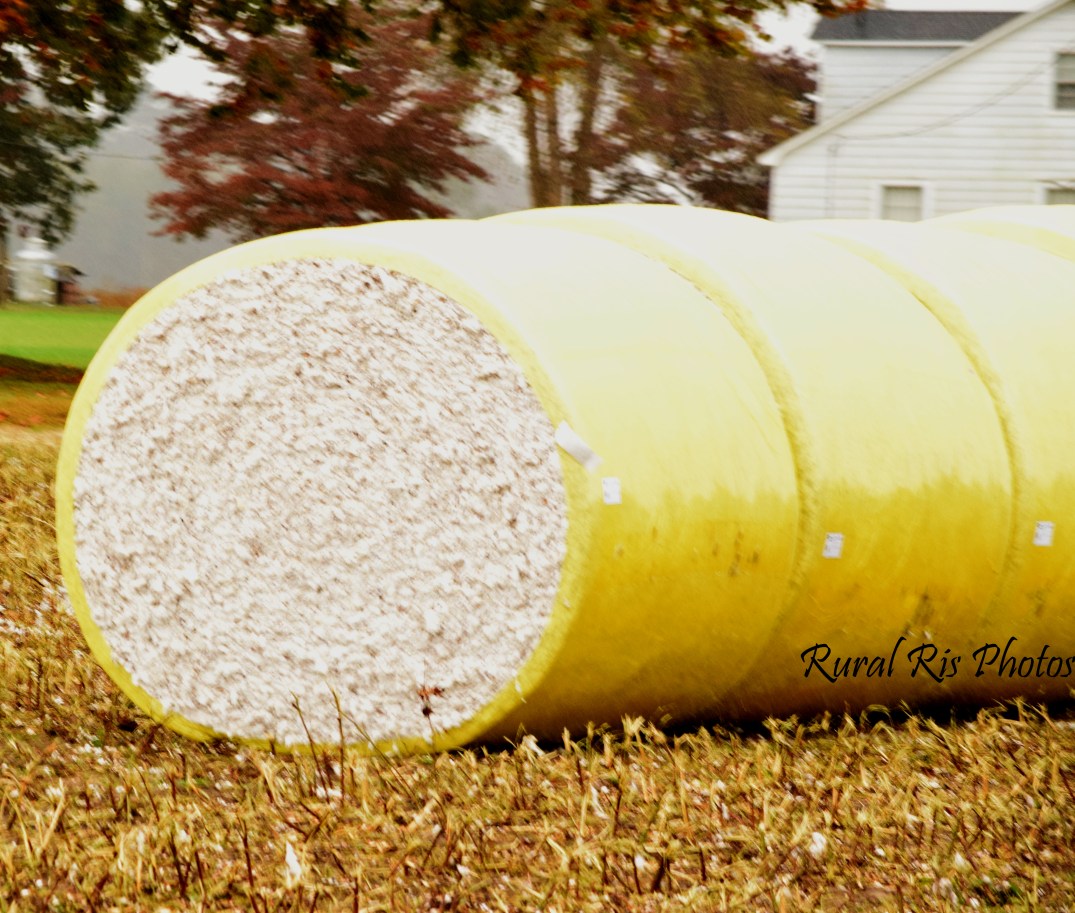
One  bale of cotton weighs about 480 pounds.

10

Weather affects the quality of the cotton. If the bolls (the balls of cotton) have opened and are rained on before they can be picked, the cotton sprouts and reduces the quality of the lint.

11

16

Cotton quality is determined by taking a sample from the bale where color, cleanliness, staple length (length of fibers), and strength are analyzed.

89

Thomas Edison used cotton fibers for filaments in his first light bulb.

13

14

America is the third largest grower of cotton, and Texas is the top state.

6

5

Eli Whitney’s cotton gin invention changed the face of cotton forever. It was able to process cotton 10 times faster than by hand.

43

Cotton is truly the snow of the South. I must say I’m partial to it over the real deal. Actual snow wreaks havoc. Everyone freaks out a bit, roads are on gridlock, schools close, and bread and milk fly off of the shelves. Not to mention, here on the farm, it gets to be a mucky mess. So, now that it is officially winter, I will not complain about my balmy weather (however I would appreciate a lot less water), and will embrace the snow of the South…cotton.

7

cotton


Sources:

Cotton Campus

National Cotton Council of America


Is Turkey Trending?

Turkey. It is a hot topic right now. You could even say its trending. People are trying to decide how big of a one to cook, how they should cook it, or should they even cook one at all. The President will pardon one lucky bird from doing his duty of becoming a meal. As of right now, the word turkey is trending with 620 thousand tweets, but the thing is, turkey was trending long before Twitter was even thought of.

History

In the beginning, the turkey was regarded as a god by the Aztecs and had two celebrations for the mighty turkey. It has fallen a little bit in esteem in today’s time. The Spanish were the first non-natives to discover turkeys.  They described them as a sort of peacock with great hanging chins. It would take years for the name turkey to stick to the bird. Because of Columbus and his mistake in geography, the birds were called anything from the rooster of India, the Peru bird, Lebanese bird, and the Ethiopian bird. The word turkey probably came from the Turkish merchants who knew of them or from the Indians that called them tukka, tukka because of the way they sounded.

The Aztecs weren’t the only ones to hold the turkey in high esteem. Benjamin Franklin,  thought the bird was of good moral, calling it a Bird of Courage. You may have heard that Franklin wanted to make the turkey our national bird; however, there is some dispute about that fact. In a letter to his daughter, he says that the eagle on the seal looks like a turkey. He went on to say that this was better as the eagle was not of good moral compared to the courageous turkey. Even if the turkey did not rise to be an emblem of America, it has certainly become iconic on at least one day of the year–Thanksgiving.

The Modern Turkey

turkeyToday’s domesticated turkey is much different than the ones that the Indians and explorers saw. Wild turkeys are brown and can fly, but domesticated turkeys (the ones in your supermarket) are white and cannot fly. The domesticated turkey is about twice the size of a wild turkey, explaining its flightless state. Domesticated turkeys have been bred to have white plumage so it does not discolor the meat. Wild turkeys need their brown plumage to blend in to their surroundings; they are also a lot quieter than their domestic cousins. That is probably a good thing so they don’t get eaten by predators. There are other heritage breeds of turkeys that come in gray, black and white, and red too.

Source:http://www.wideopenspaces.com/turkey-slam-pics/

Turkey Production Facts

turkey graph

  • Turkey production has increased 110% since 1970
  • In 2014, there were 237.5 million turkeys grown by farmers
  • North Carolina is the 2nd largest producer of turkeys behind Minnesota
  • The average person ate 15.8 pounds of turkey in 2014
  • Consumers turkey consumption has doubled in the last 30 years
  • 20,000-25,000 people are employed in America to help grow turkeys.

Turkey Trends

Cage Free: If you see this on a label, know that all turkeys are raised cage free. Domesticated turkeys are grown in large barns with free choice of water, plenty of feed, and shelter from the elements.

Hormone Free: Under federal law, it is illegal for any poultry to receive hormones. If you see this label, read the fine print. It will tell you that it is against the law. Don’t pay extra for a label.

Avian Influenza: This has been a major issue across America this year, claiming more than 40 million turkeys and chickens. While devastating for farmers and birds, it poses little threat to humans. No cases have been reported in American humans. It may pose a slight threat to your wallet, though. Turkey prices are around 15-20 cents higher than last year.

Thanksgiving Turkey

  • 88% of Americans eat turkey on Thanksgiving
  • 46 million turkeys are eaten on Thanksgiving
  • The average turkey bought for Thanksgiving weighs 16 pounds
  • 70% of the turkey is white meat and 30% is dark

The turkey has certainly proven itself as a bird worthy of esteem. It was trending hundreds of years ago, and it is still trending today. So, gobble up that gobbler and Happy Thanksgiving!

trending turkey


Sources:

National Turkey Federation

North Carolina Poultry Federation

Colonial Williamsburg

University of Illinois

The Smithsonian

PBS

Centers for Disease Control and Prevention

USDA

The Poultry Site

NC State Fair–Part 3

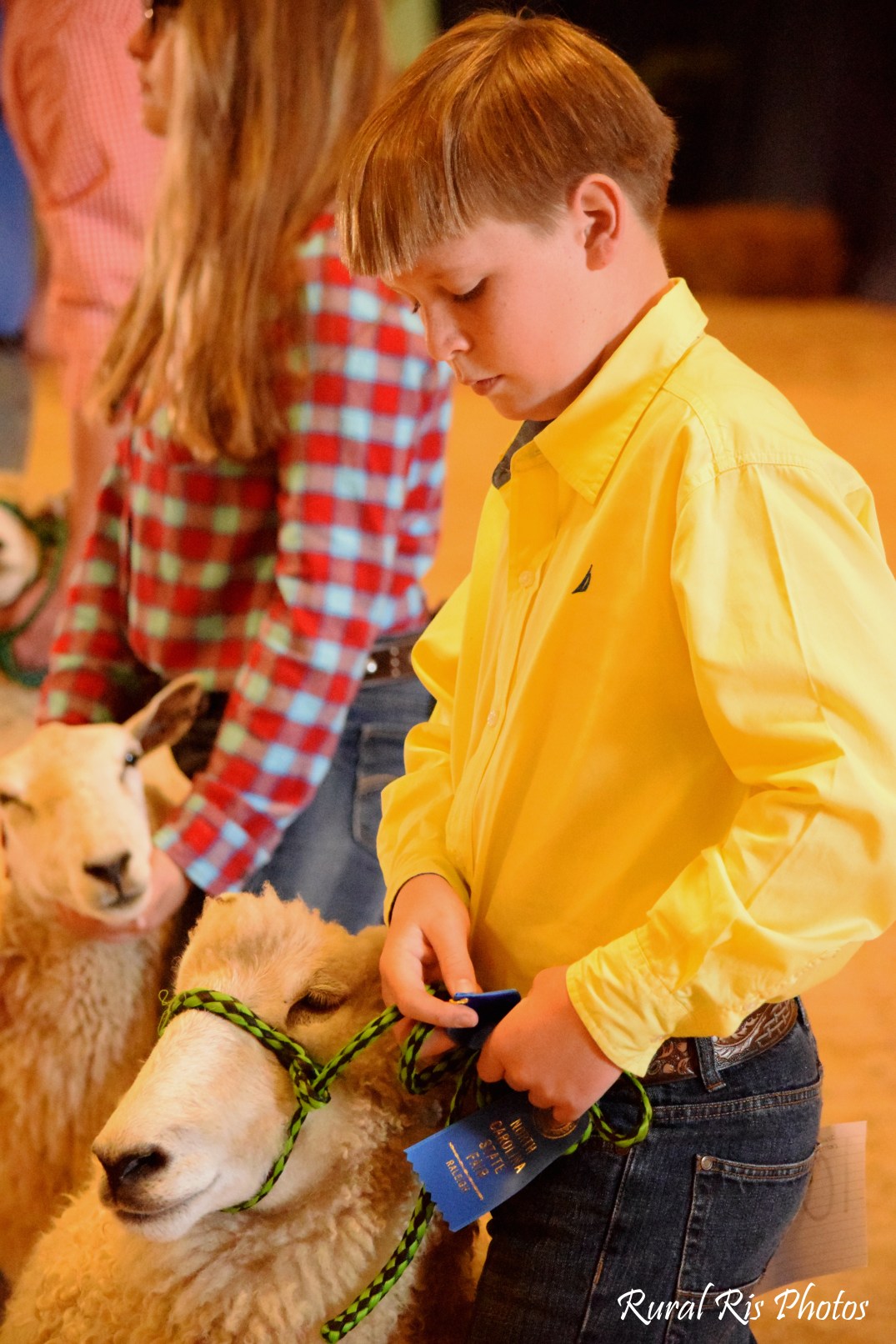
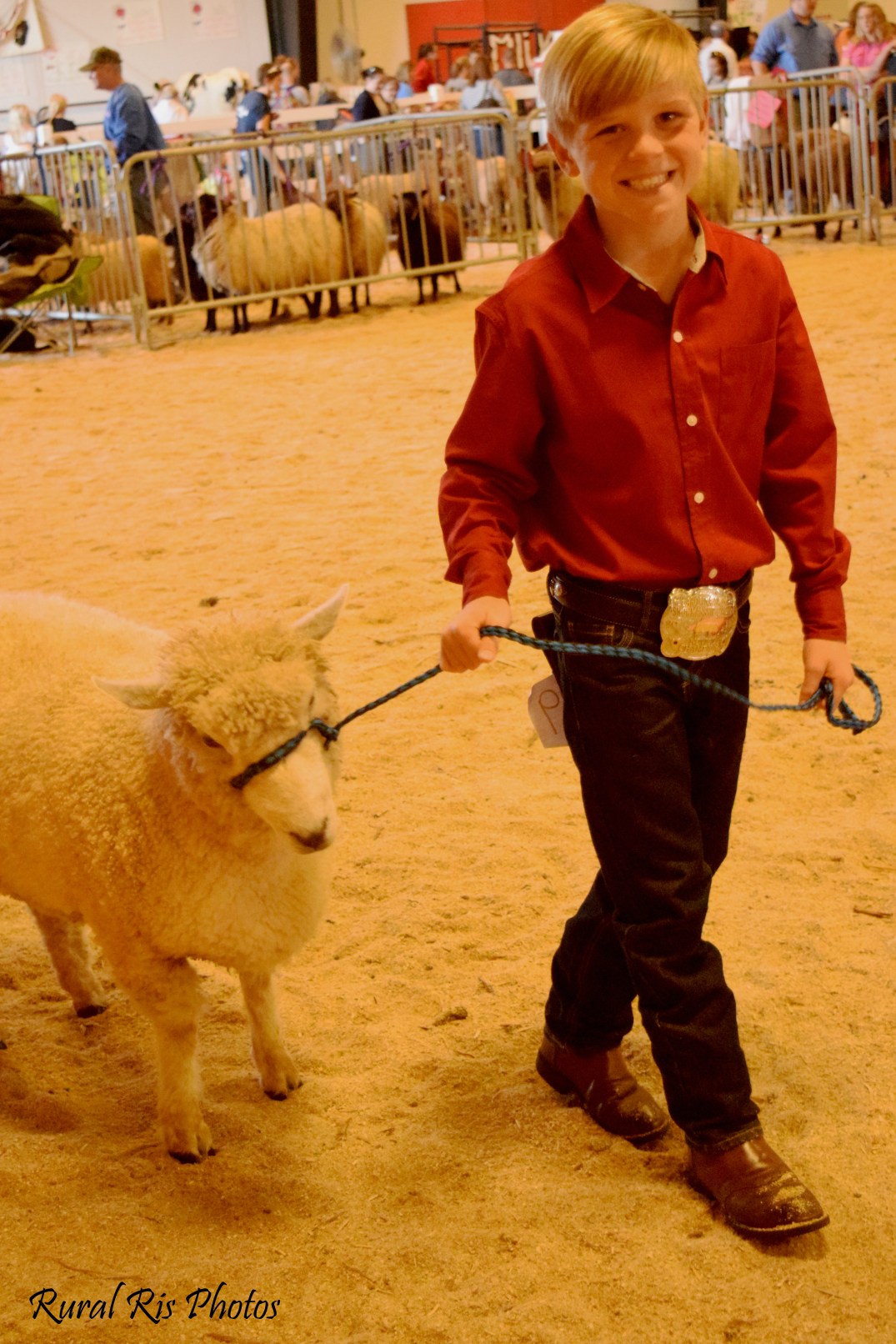
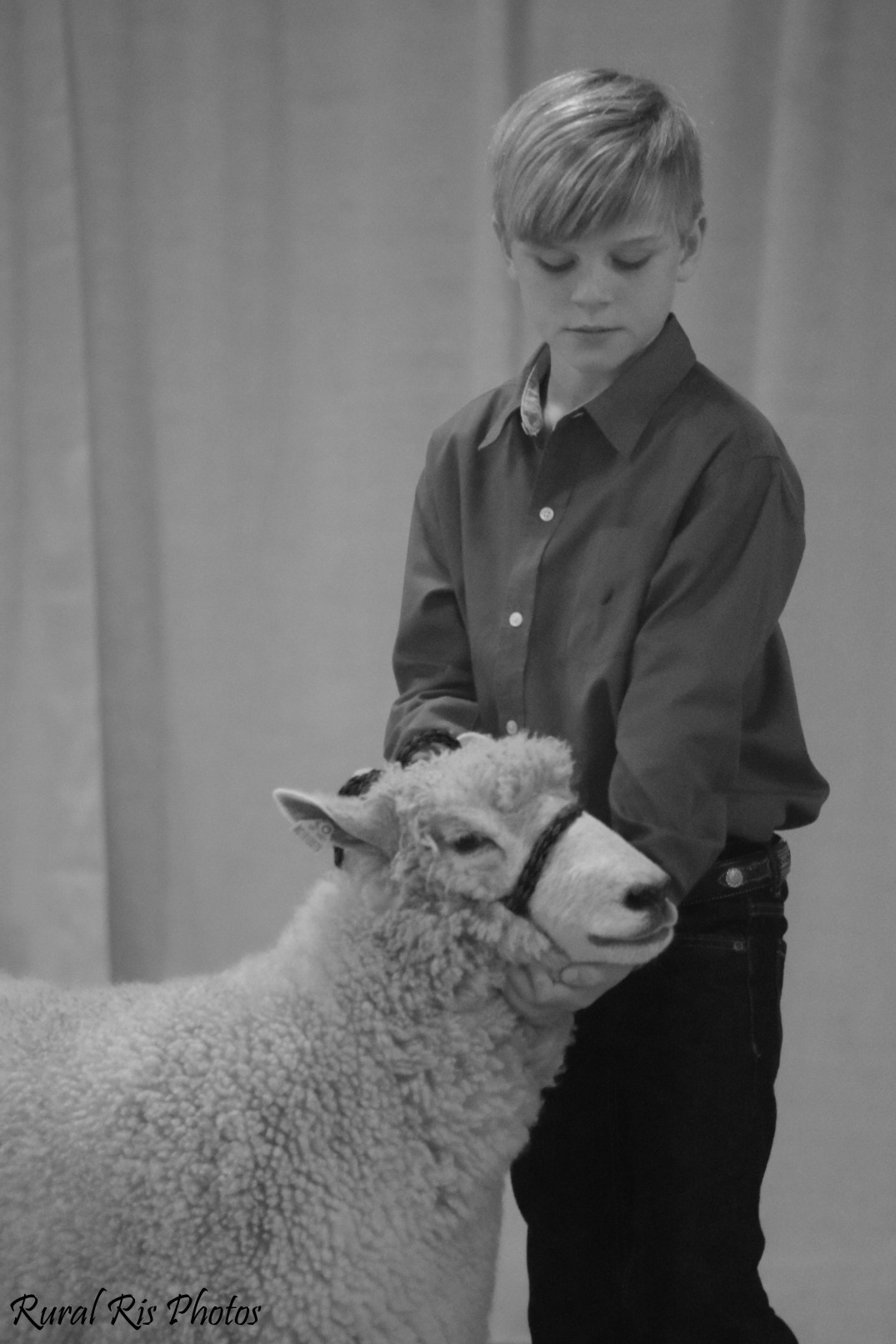
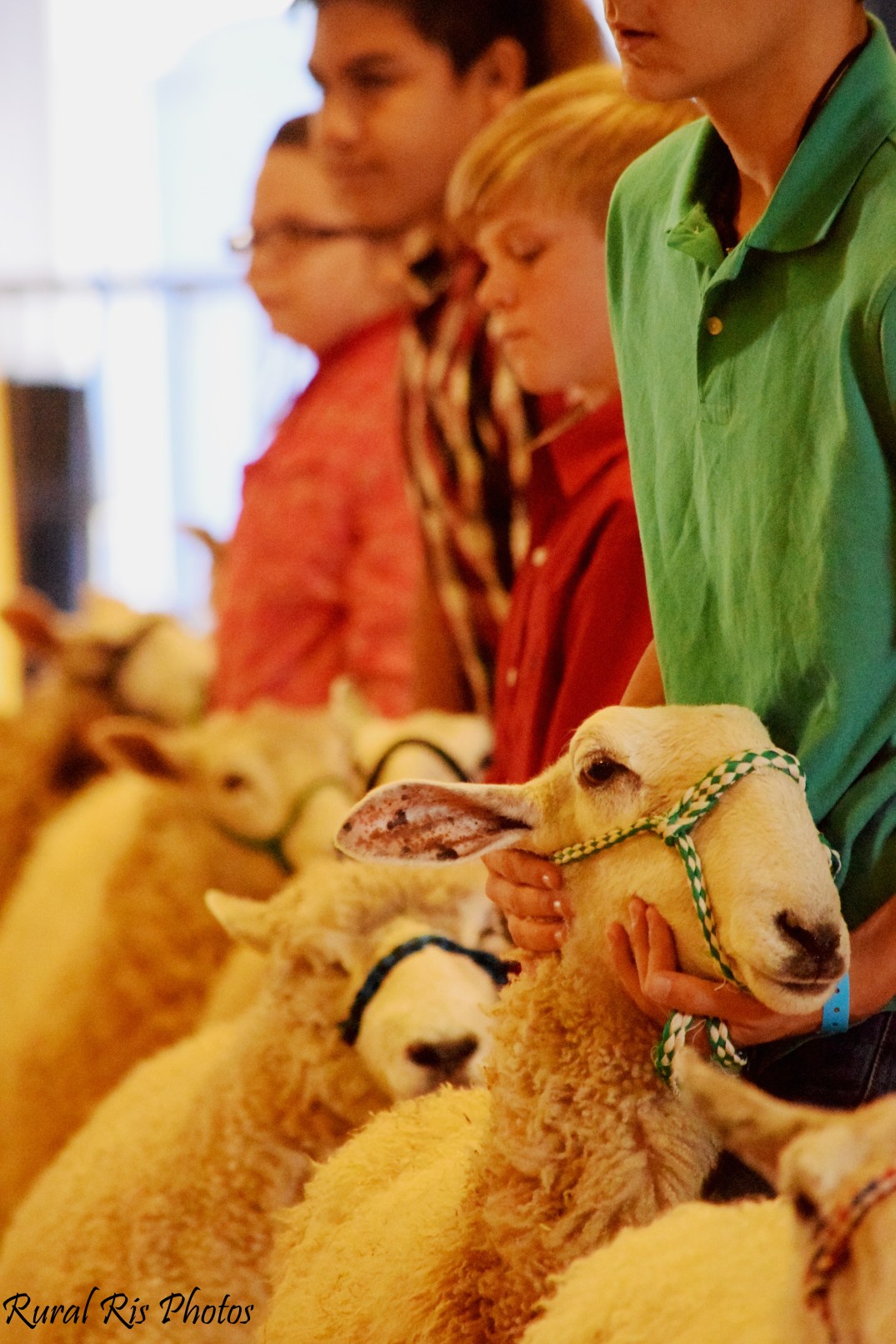
An early morning dawned, as our last day of the NC State Fair came upon us. It was time to show some sheep.
c

Days before the show, we had washed and trimmed up the sheep to get them looking spiffy for the show. We brought four ewes–Sybil, Edith, Aspen, and Fifi. The boys were super excited. The wool sheep show is one of their favorites. The night before, they put together costumes for the costume class. You can dress up your sheep and yourself, but it has to be worked around wool. Isaac was a fireman theme because wool is flame retardant.

DSC_1097

Gideon was an artist and explained how wool can take dye.

DSC_1096

Both were cute as could be. Gideon won first and Isaac won second. It was a great way to start the show!

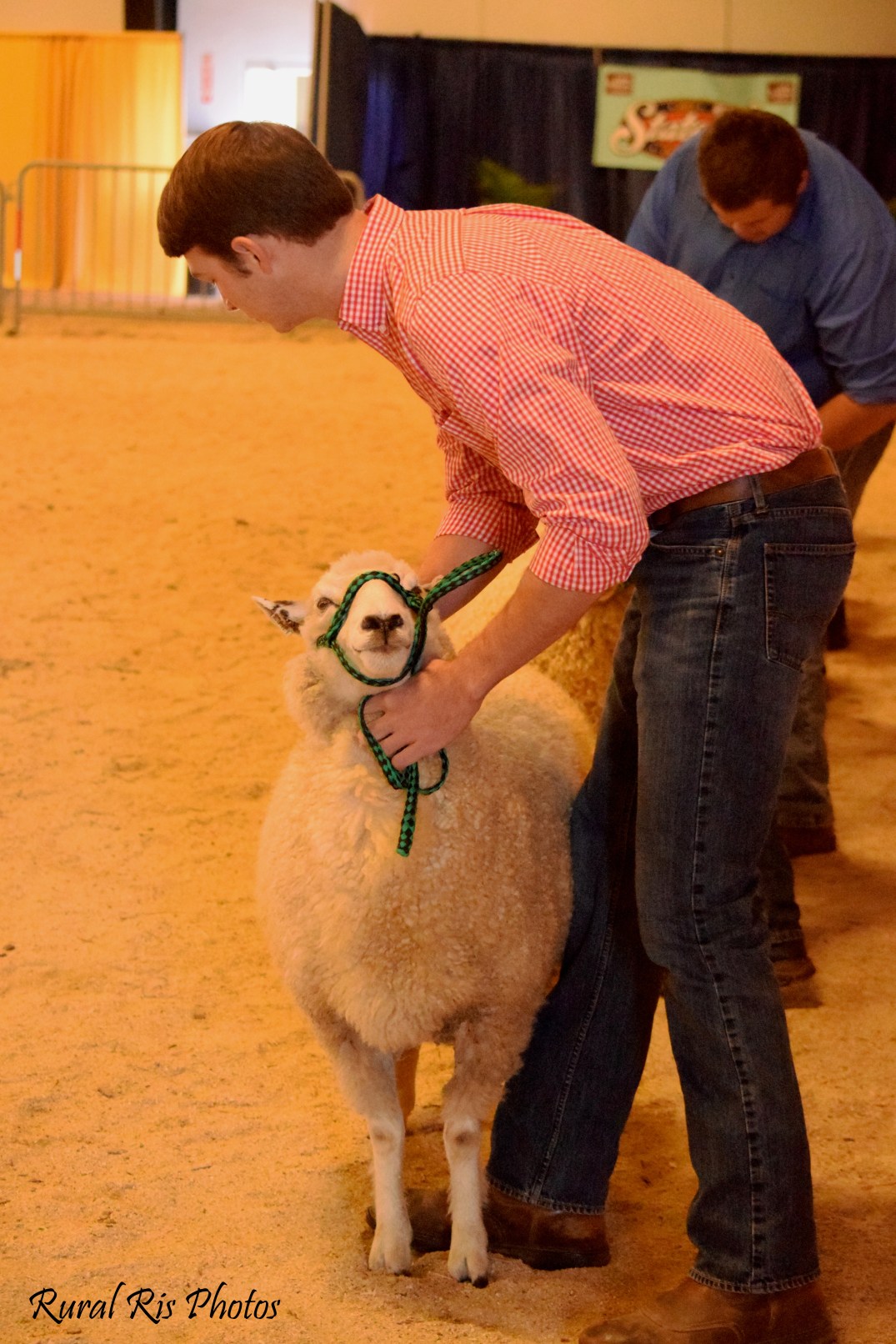
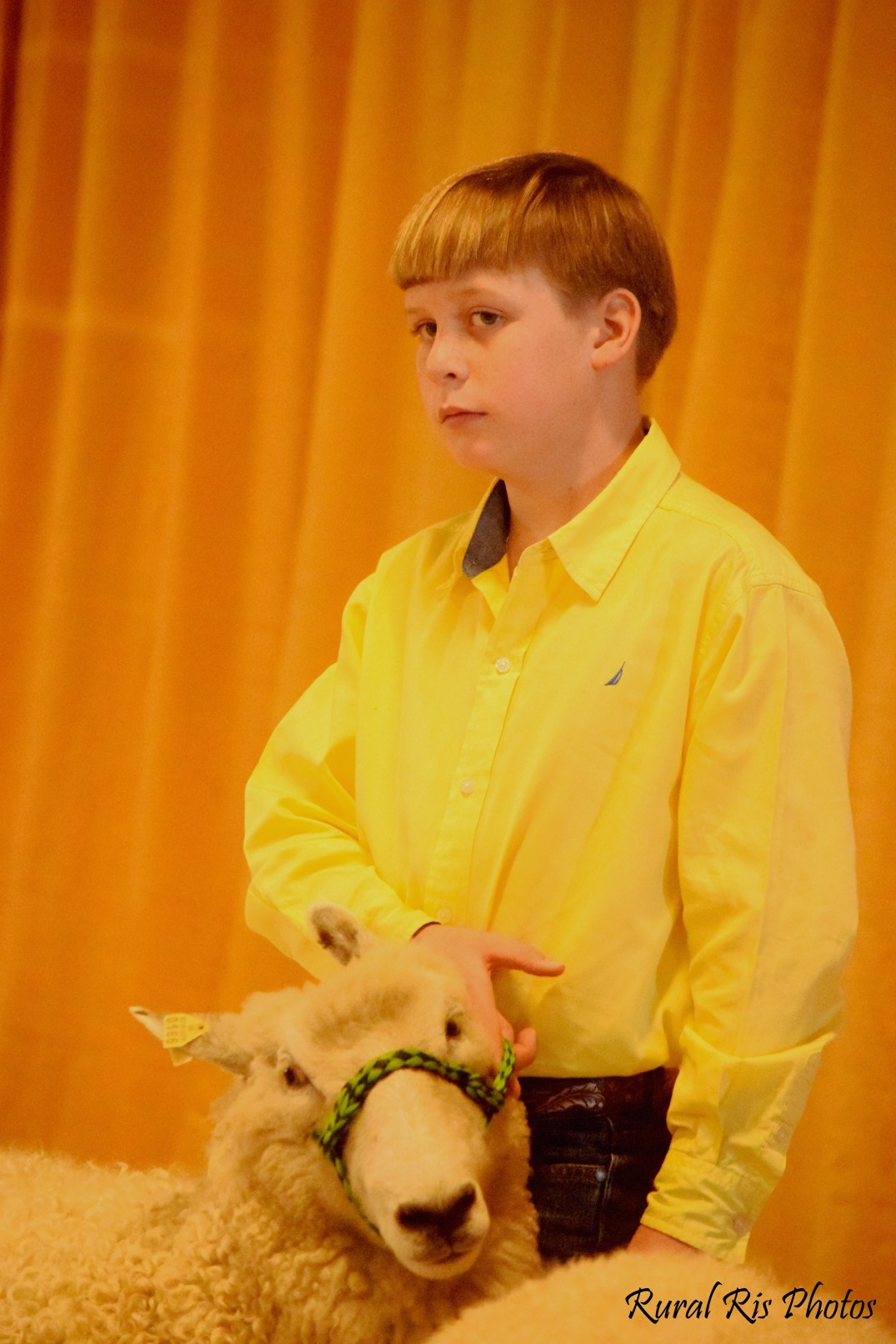
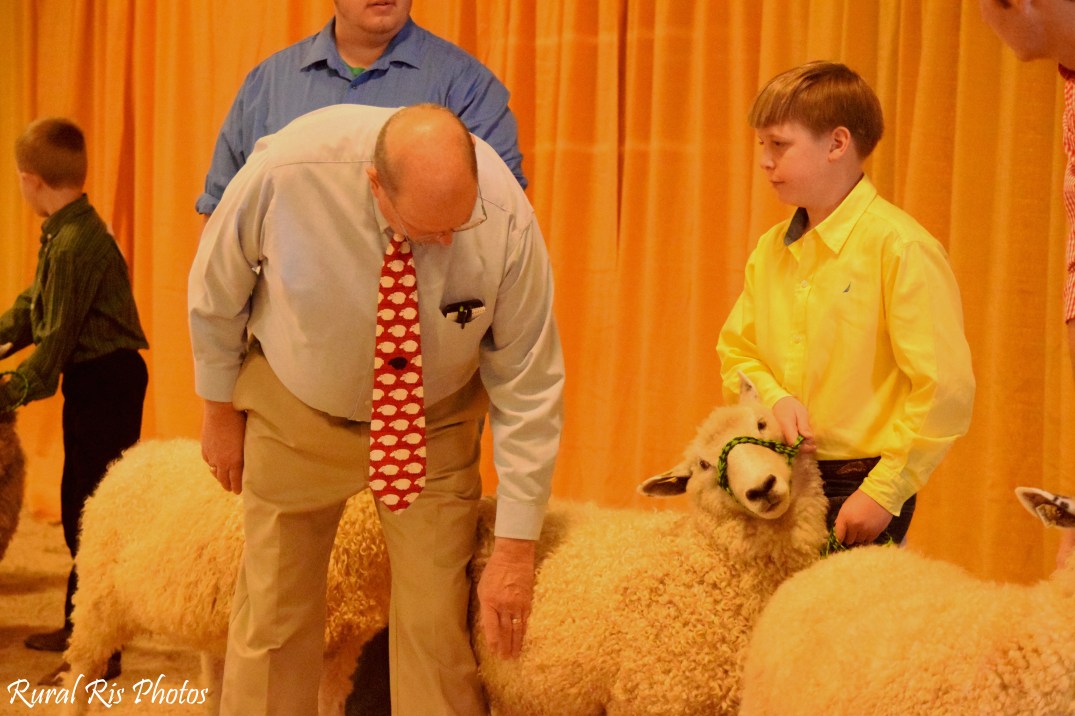
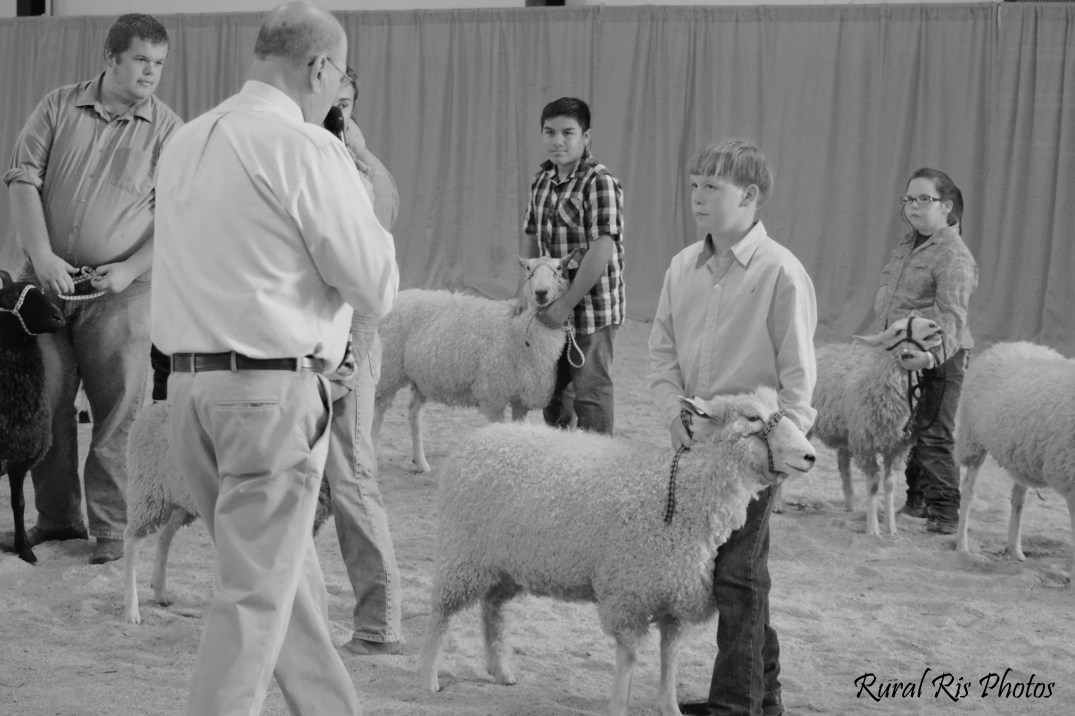
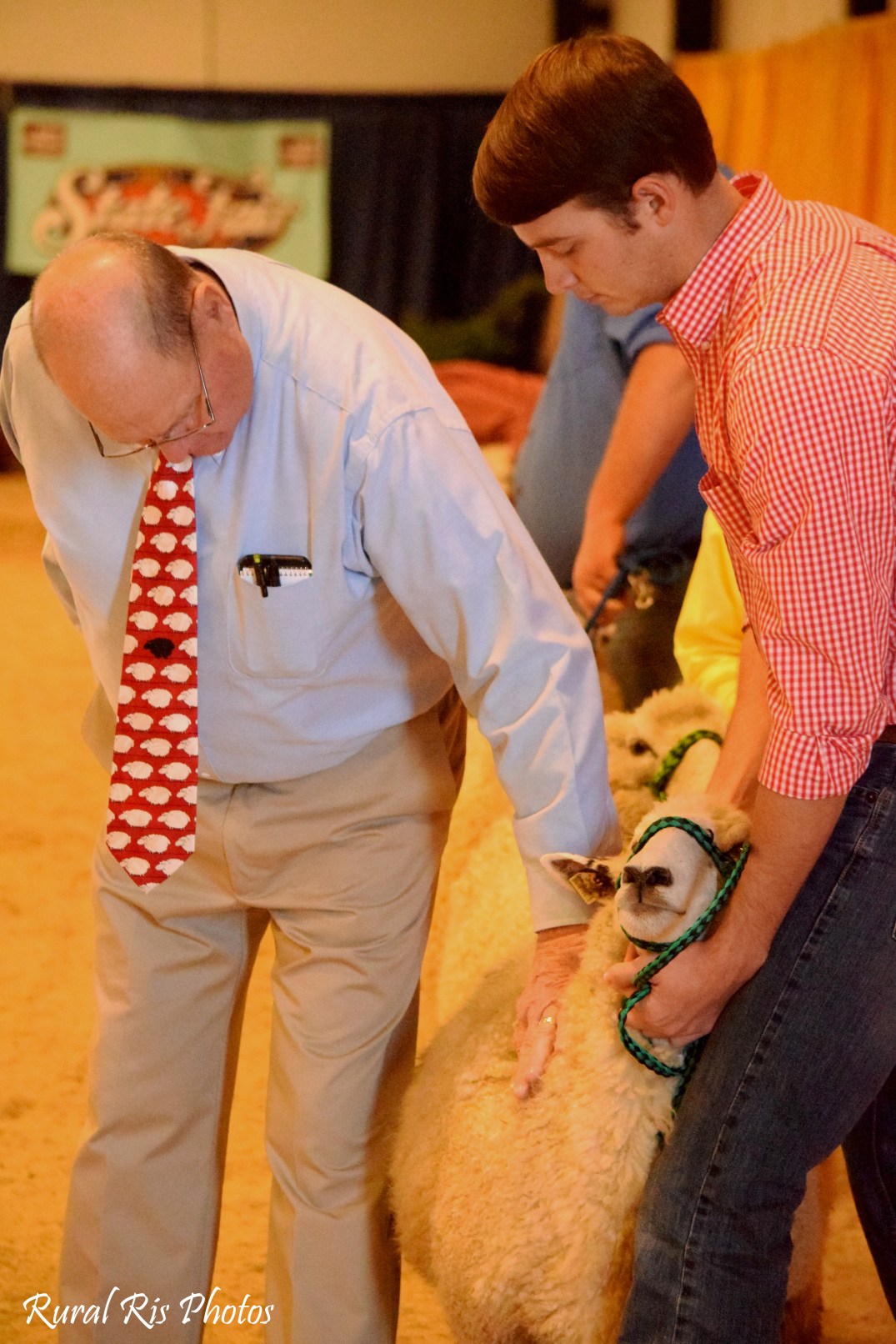
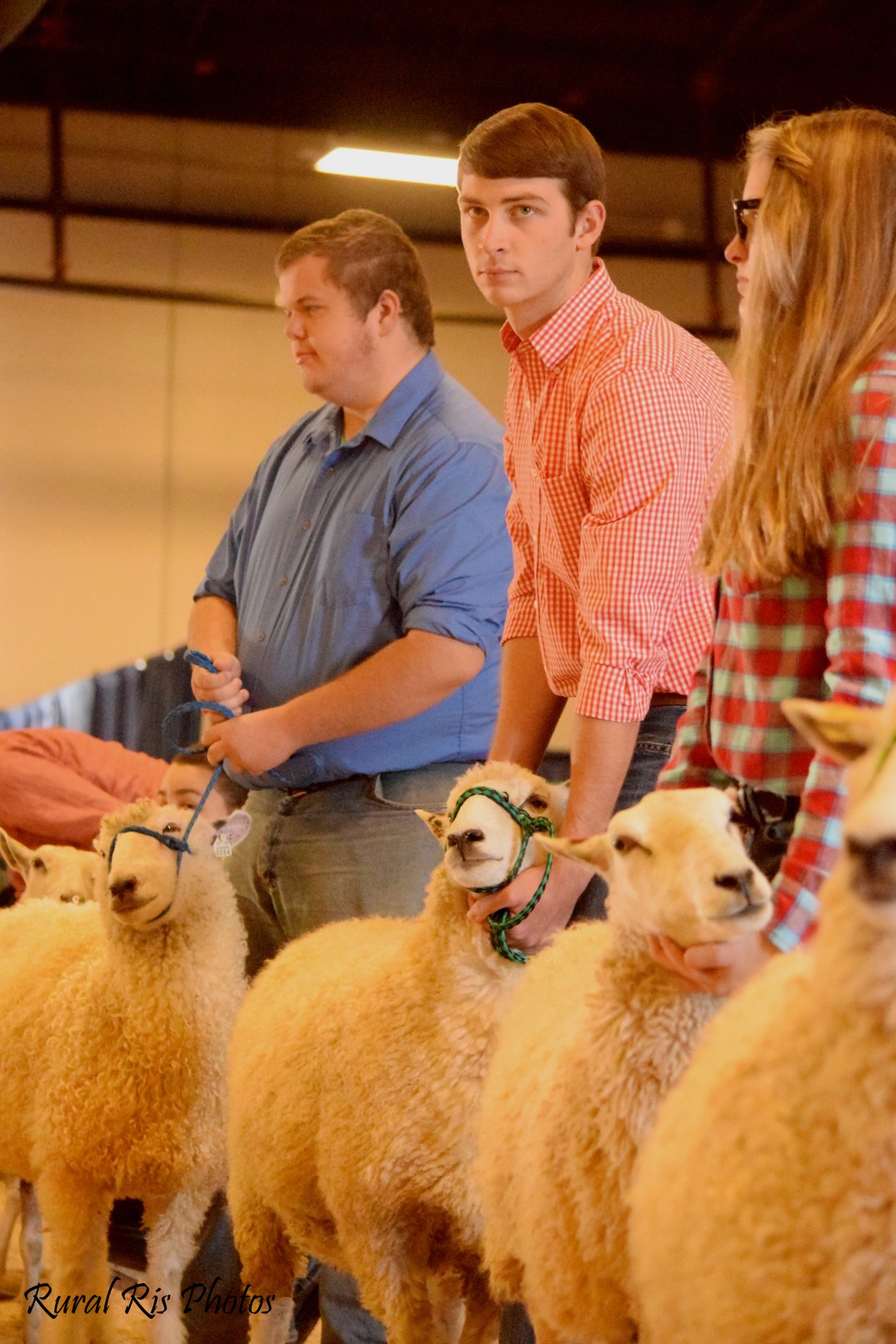
The next part of the show were the ewe classes. These classes are judged mostly on the quality of the wool, but also on the ewe’s conformation. Classes are separated by white and colored wool, and long and medium/fine wool. Isaac and Alec were both in the white, long-wool class. It made sense as Fifi and Aspen are twins.

DSC_1154

This was Alec’s first time showing sheep. He didn’t mind it, but he didn’t like the height difference. At 6’4″ he did quite  a bit of bending. Still, he looked like a stud.

a

DSC_1128

DSC_1133

DSC_1142

DSC_1162

Both the boys did good, but Isaac took home the blue ribbon with Aspen. Fifi and Alec got third.

DSC_1153

DSC_1146

DSC_1140

DSC_1163

DSC_1159

DSC_1164

Gideon showed Edith in the white medium/fine wool class, and won fourth.

b

DSC_1100


DSC_1235

DSC_1110

DSC_1122

If you went by color, you’d never guess that Edith’s twin was Sybil; however, besides the color, they look just the same. I showed Sybil in the colored, medium/fine wool class.

DSC_1210

DSC_1173

Sybil can have a little bit of sass.

DSC_1206

And sometimes, we both toss our heads in disgust…

DSC_1186

But ultimately, she still gets kisses.

DSC_1179

She ended up pulling in a third. I was excited that the judge liked all of the girls conformation. He said they were really stout and well made. Because Isaac got first, he went back in for champion drive. Gid and I were also in the champion drive showing other people’s sheep.

DSC_1232

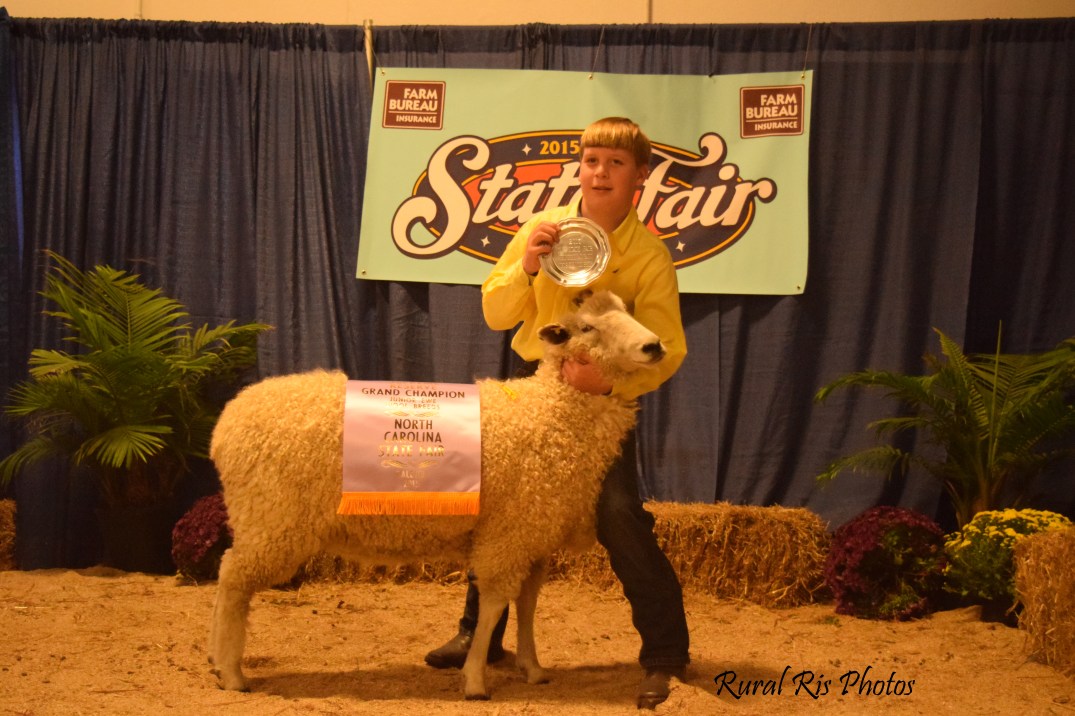
Champion drive is against all of the ewes–white and colored, long and fine, old and young. Would you believe it, Isaac and Aspen were named Reserve Supreme Ewe!! I almost let go of the sheep I was holding I was so excited. This was the second year in a row that one of our sheep has received this honor. It makes it extra special that we raised these girls.

DSC_1237

All in all, the show was so much fun, and super exciting!

l

Our day wasn’t over yet, though. The boys had ride tickets left. We all got to ride 🙂

DSC_1300

DSC_1277

DSC_0055

DSC_0058

DSC_0006

DSC_1301

DSC_0065

DSC_0046

DSC_0037

DSC_0038

DSC_0053And with that, 2015 NC State Fair was over for the Lintons. It was quite the ride (literally and figuratively), filled with so many memories. Despite it being a lot of work, early mornings, and stress, it is always one of our favorite parts of the year.

DSC_0009

DSC_0041

DSC_0031


NC State Fair: Part 2–Goats

For 13 years, we have packed the trailer full of goats to take to the State Fair. In 2015, we maintained our habits, and packed the trailer with goats.Back in our hay day (no pun intended), Alec and I would have 12 goats between us at the fair. We have since downsized our goat herd, but always have something to bring. This year we brought 7 does. Unfortunately, we only showed 6 because Nala decided to lose too many teeth prematurely, making her ineligible to show. Does have to have a certain amount of baby teeth, indicating they are under 2 years of age to show. Nala was indeed under 2, but her teeth told another story. Oh well! She didn’t have to get a bath.

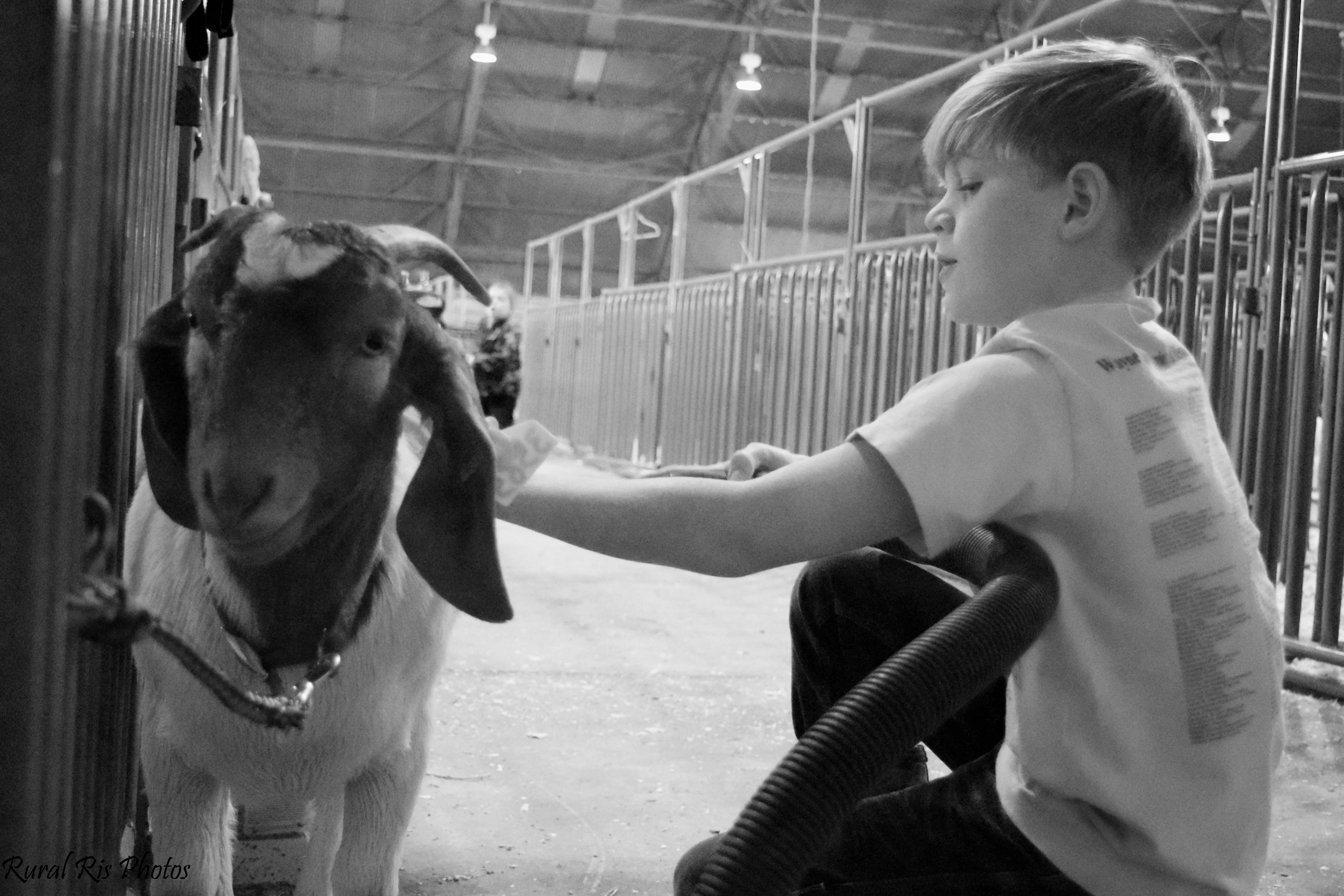
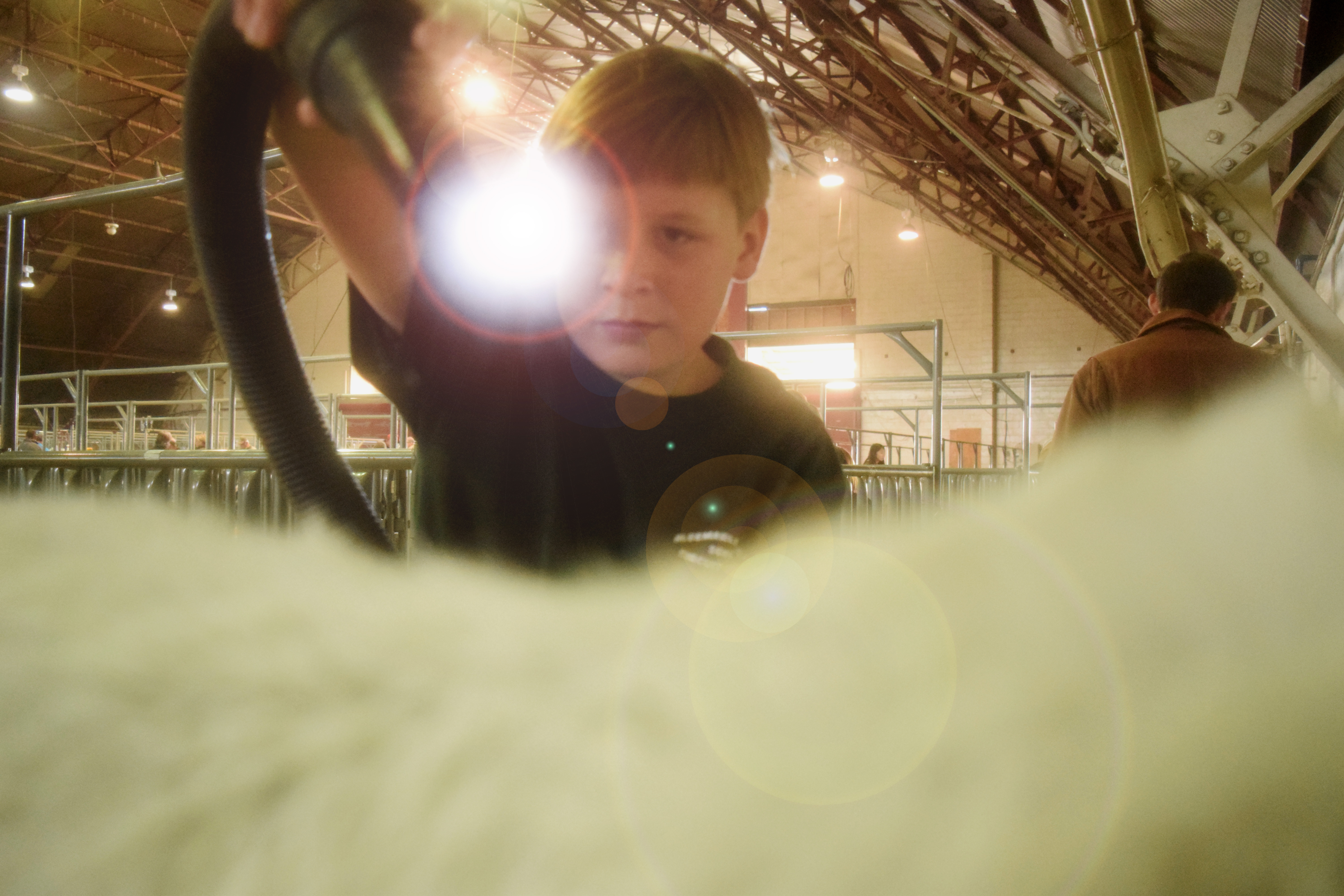
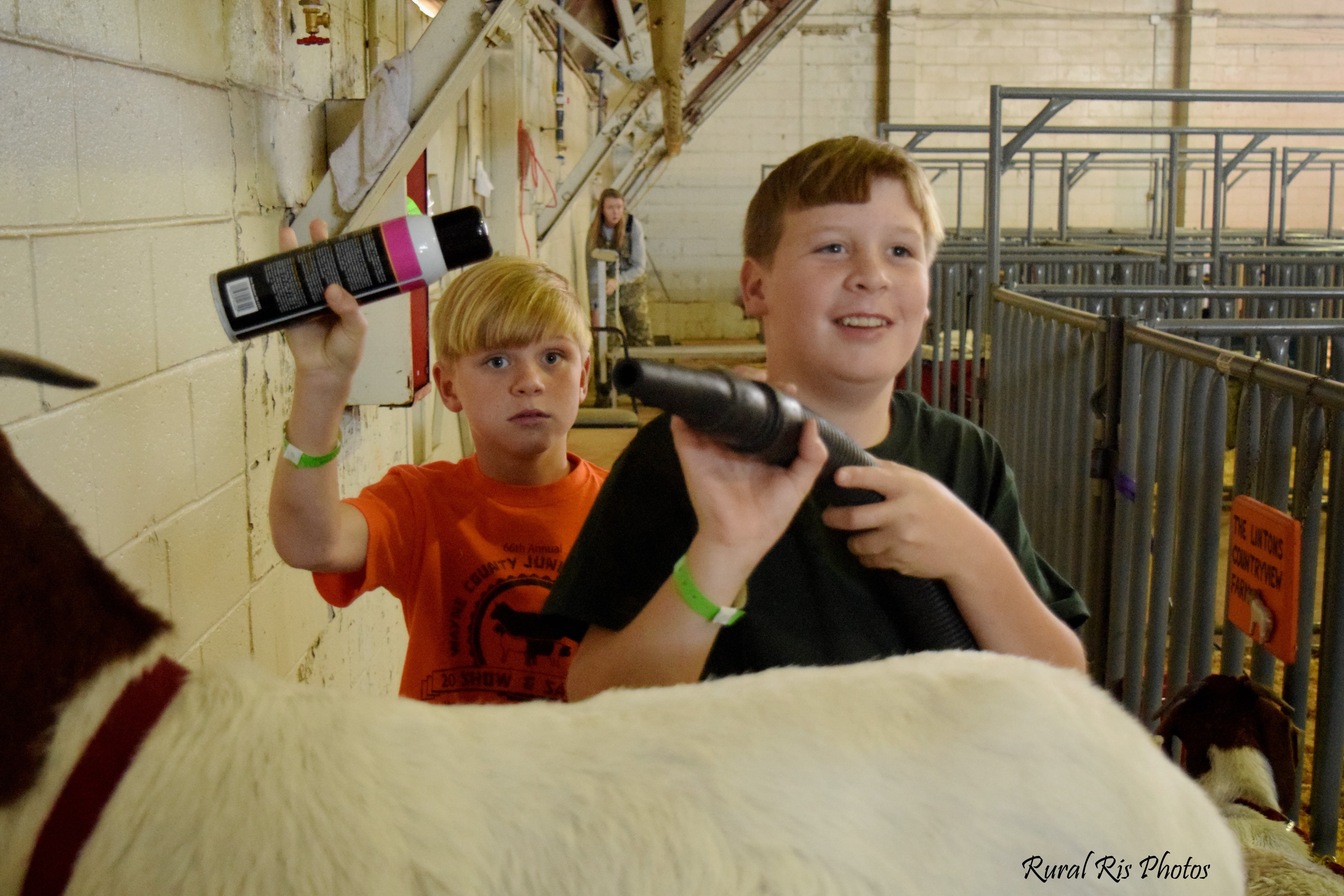
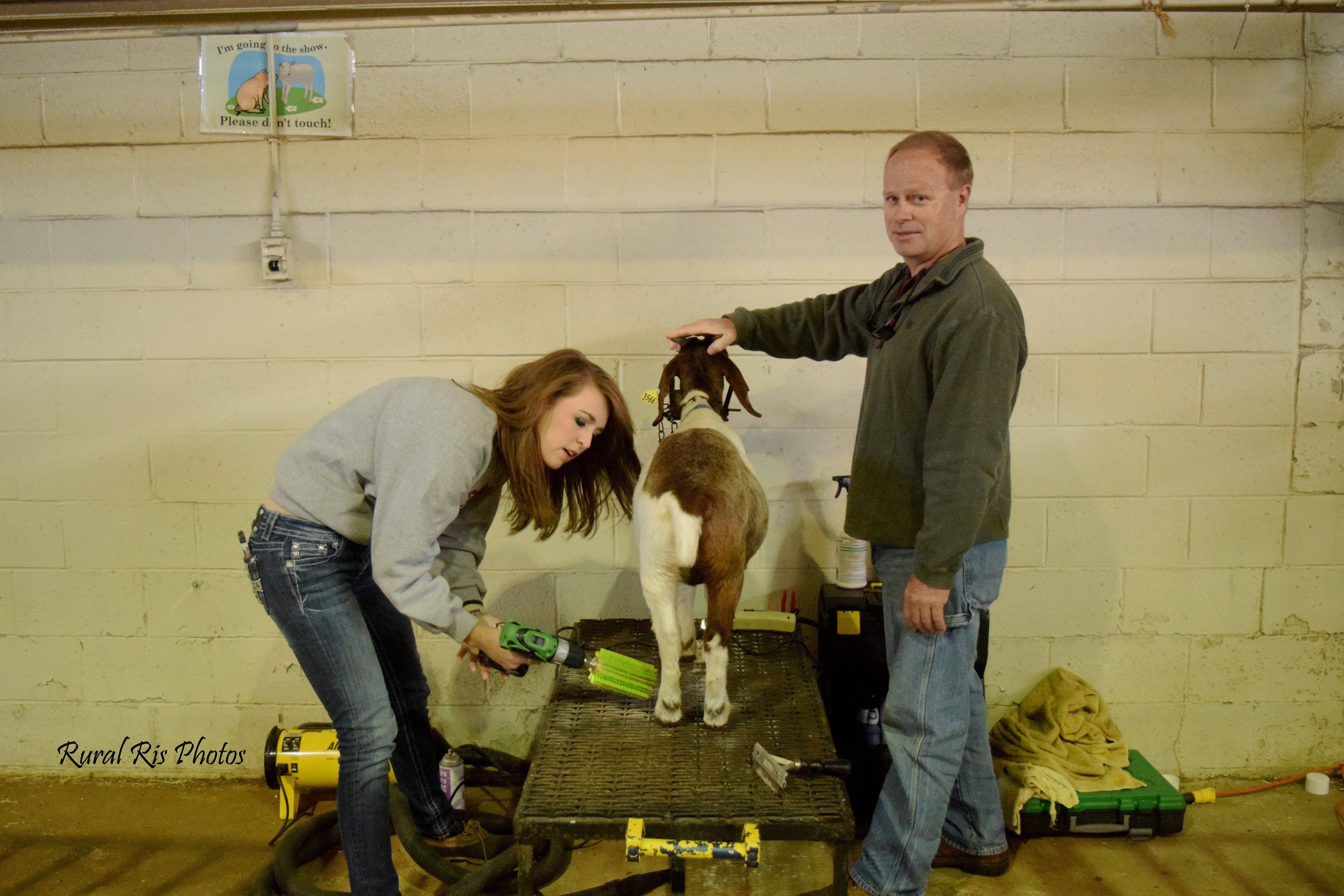
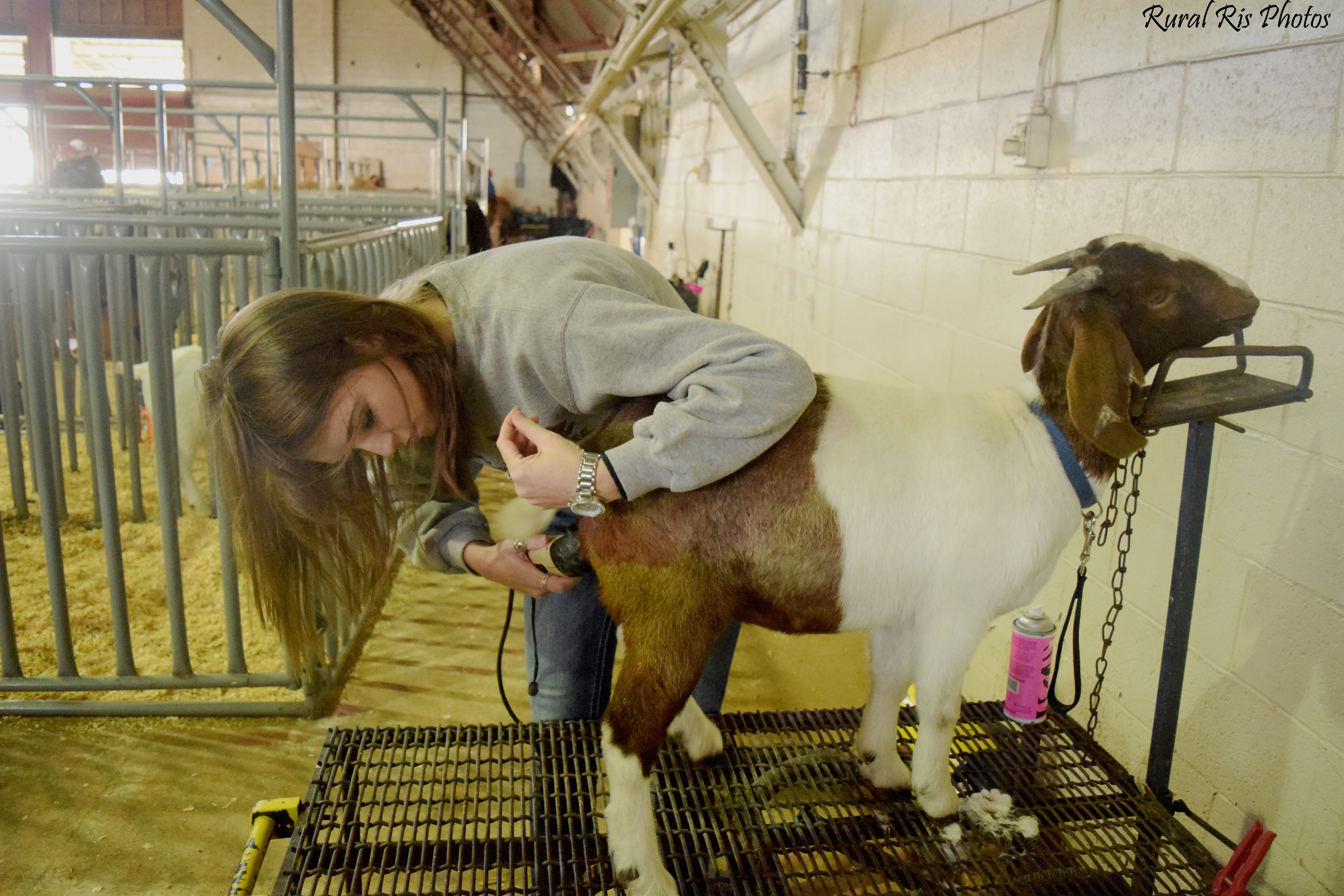
Because Alec had classes, only Isaac, Gideon, and I showed. Of course, Mom and Dad were there too. Our first order of business was to clean-up the girls. Everyone got baths, blow dryed, clipped, brushed, and polished. It takes several hours to do 6 goats. Can you imagine the time it used to take to do 12!

b

DSC_0851

DSC_0854

DSC_0885

DSC_0864

DSC_0892

DSC_0867Fitting involves a lot of detail from head to toe, and yes, even the butts. We get up close and personal!

DSC_0852

DSC_0872

DSC_0882

DSC_0853As you can see from these pictures, fitting is a team effort. Over the years, the boys have taken on more and more responsibility.  At first they couldn’t exactly wield the clippers. The goats would be a hack job. They have always brushed, washed, and blow-dryed though. Now, they are trimming hooves, clipping, and more. I love watching this progression! Before too long I can just supervise and sit back–not really. I like to be hands-on.

Show time rolled around and started with novice showmanship.My boys did so good in their classes, and were clearly the most handsome 🙂

DSC_0940

DSC_0964

d

DSC_0954

DSC_0910

DSC_0955

DSC_0914

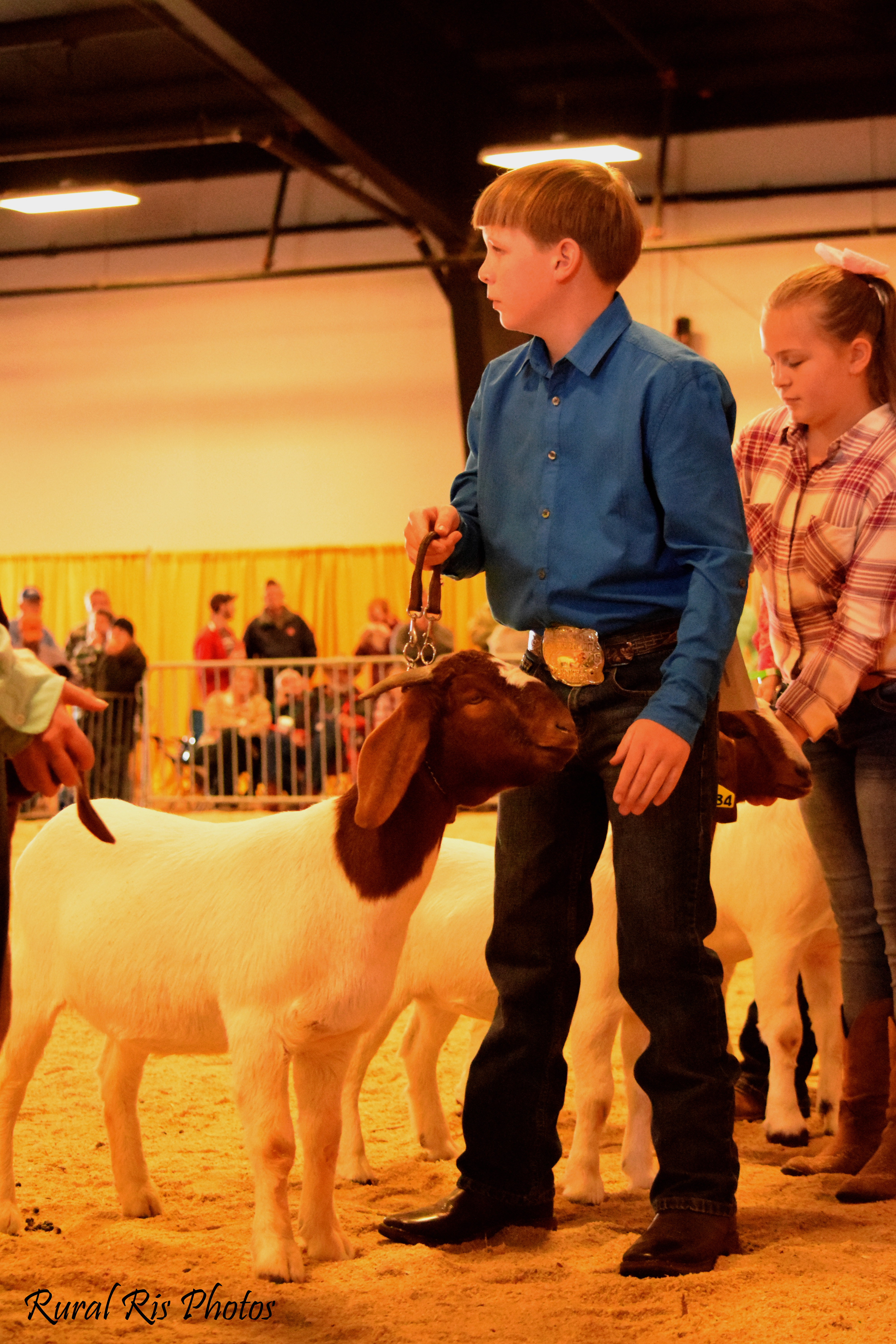
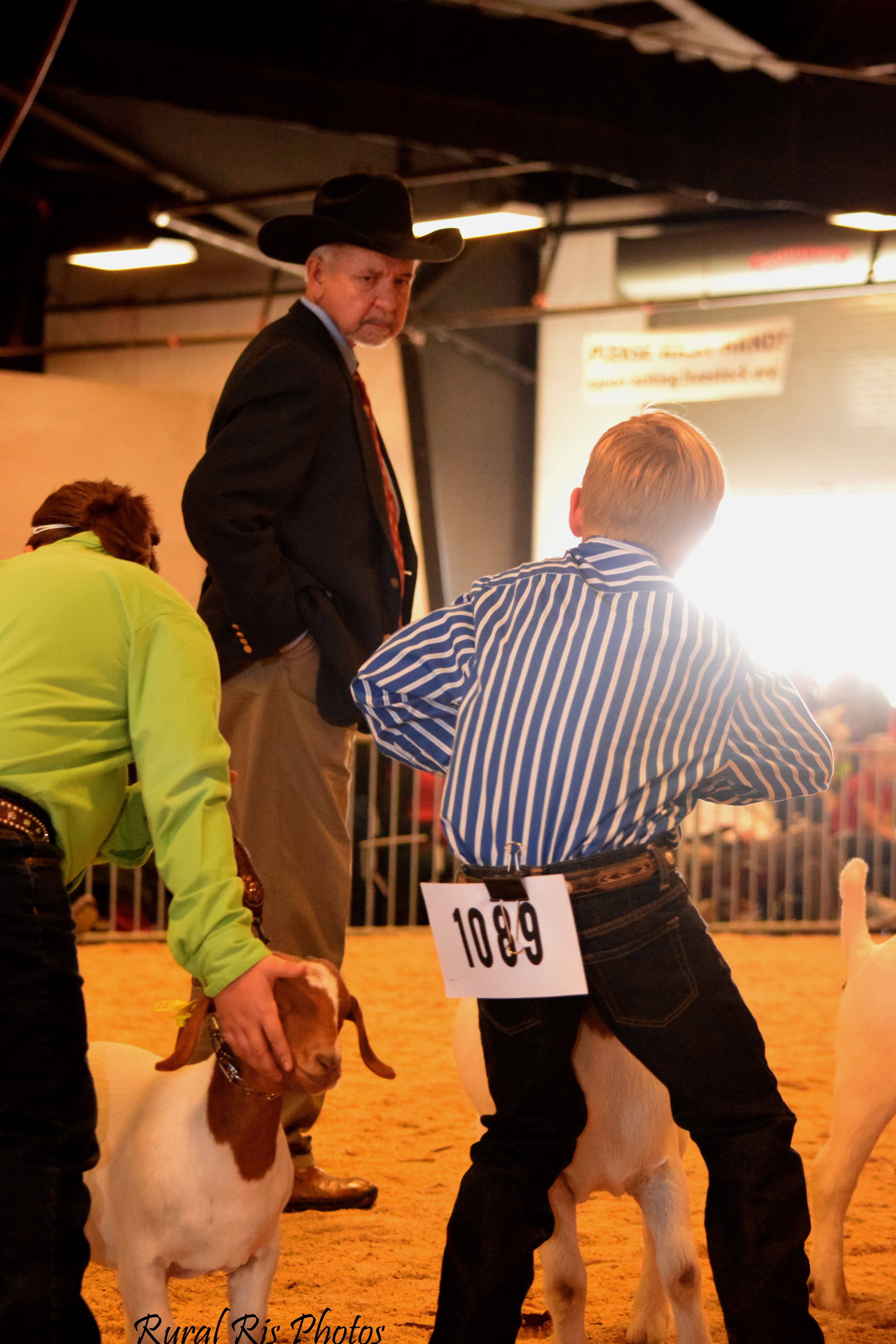
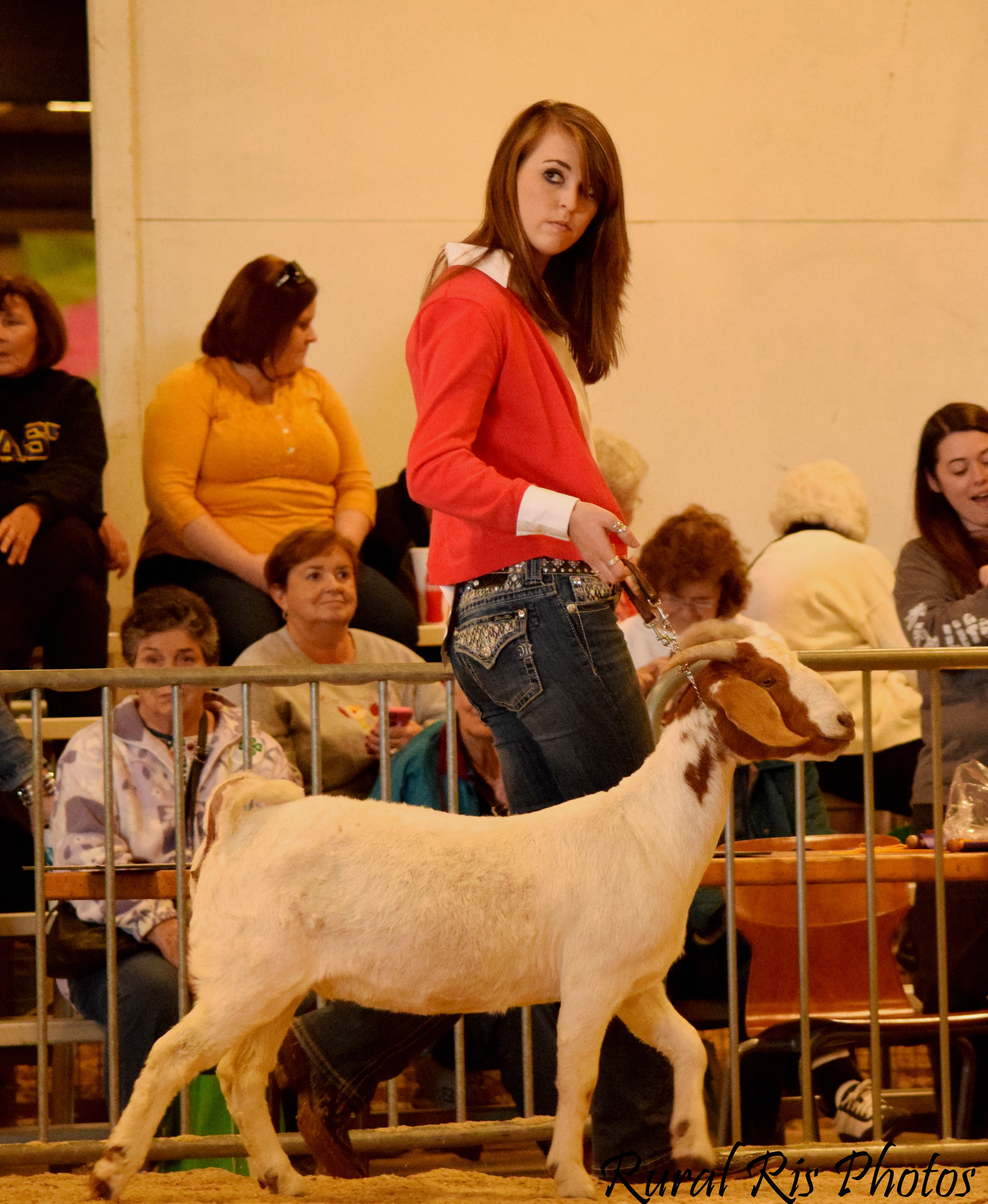
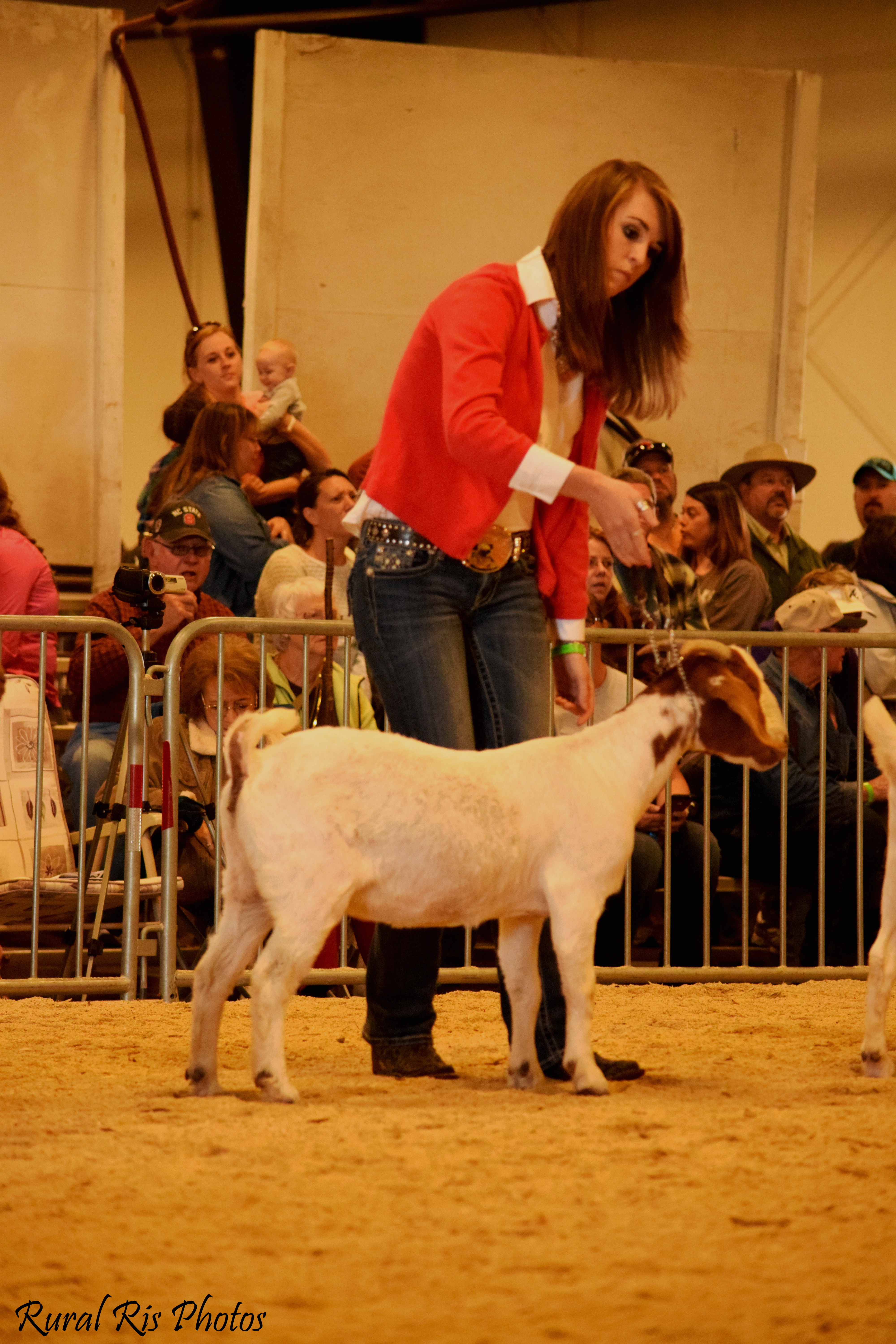
It was my last year in the ring with goats. I still don’t think that has registered. It will next year when I’m on the outside looking in. I got to show the smallest goats (poor planning) which were Miracle and Tres. Miracle was a terd outside of the ring, jumping and rearing up. I think she was mad that she had to be on a collar like all the other goats. Yes, Miracle, you are a goat. In the ring, she did great except for gnawing on my thumb the ENTIRE time. Hey, whatever makes her happy and stand still. Tres surprised us all and got 4th! I get super excited when anything we raise on our farm gets in top 5 of a class. I can also say, that she was a dream. Sure she was a little goat for me to show, but daggum if she did not stand there without moving and walked perfectly despite being worked with once.

DSC_0978

DSC_0998Clearly, I have the serial killer look down when showing. I promise I’m having loads of fun. I just like to concentrate.

DSC_0989

And, look who decided to show up.

DSC_1014

DSC_0976For those of you who know Garrett, you know he’s a pig guy. He is not fond of goats, but he came to cheer and help anyways. 🙂

All in all, it was a great day finished off with some spectacular fair food…again. If you ever want to see french fries disappear like a Houdini act, then you should watch us at 8 o’clock, still showing goats, wolf them down to tide us over. No worries, we later got fried pickles and jalapeno, pimento cheese, hush-puppies with sriracha sauce. Holy lanta!

Don’t forget, there is still one more part to the fair–sheep!