The NC State Fair has already come and gone. It was quite the whirlwind, but held a lot of special moments. For me, it marked a lot of bittersweet moments. This was the last year I was able to show in the junior show (21 years old and under). While this doesn’t mean I have to give up showing period, it does mean I can no longer do showmanship. I suppose I have to retire at some point. 🙂
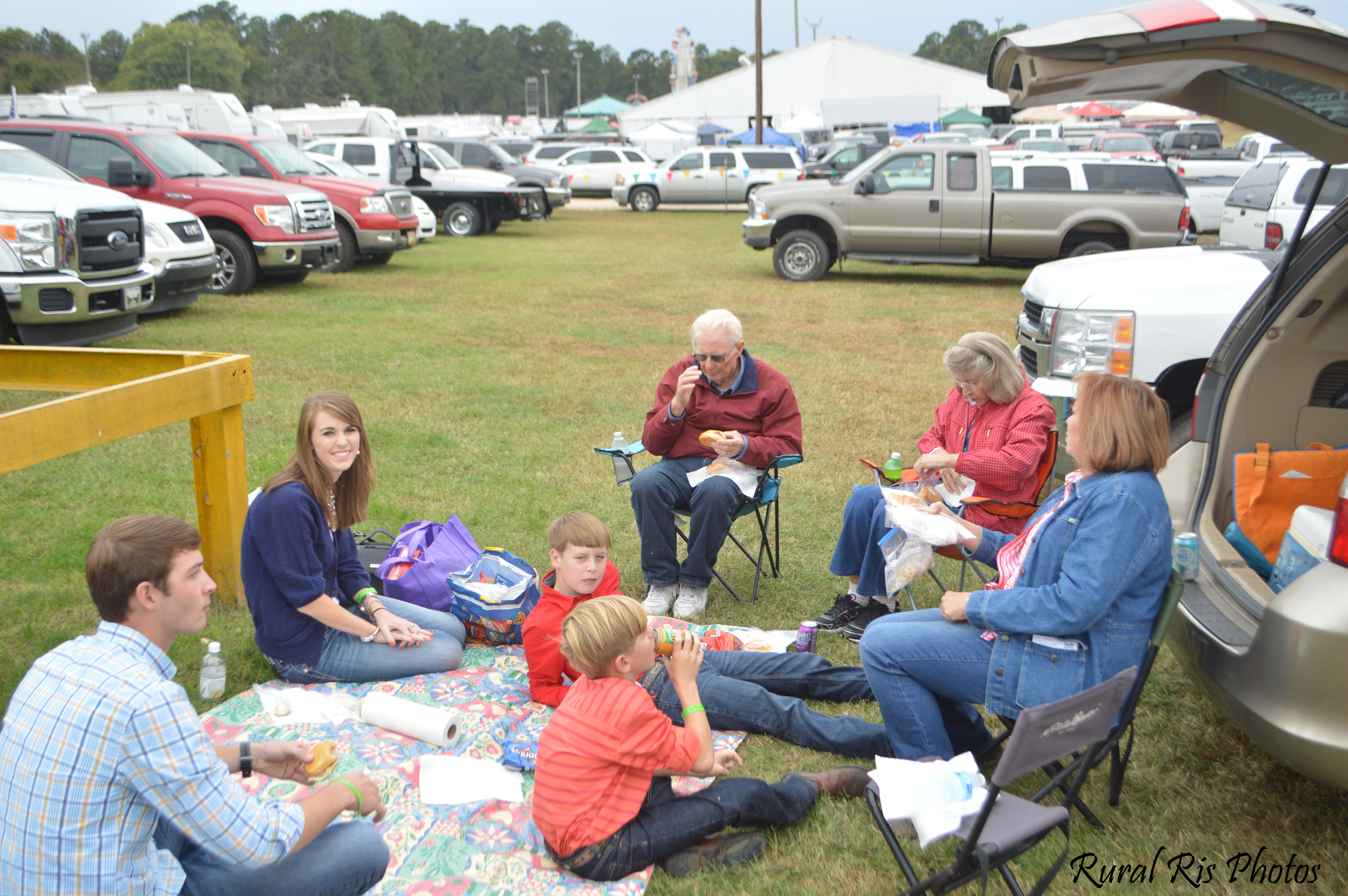
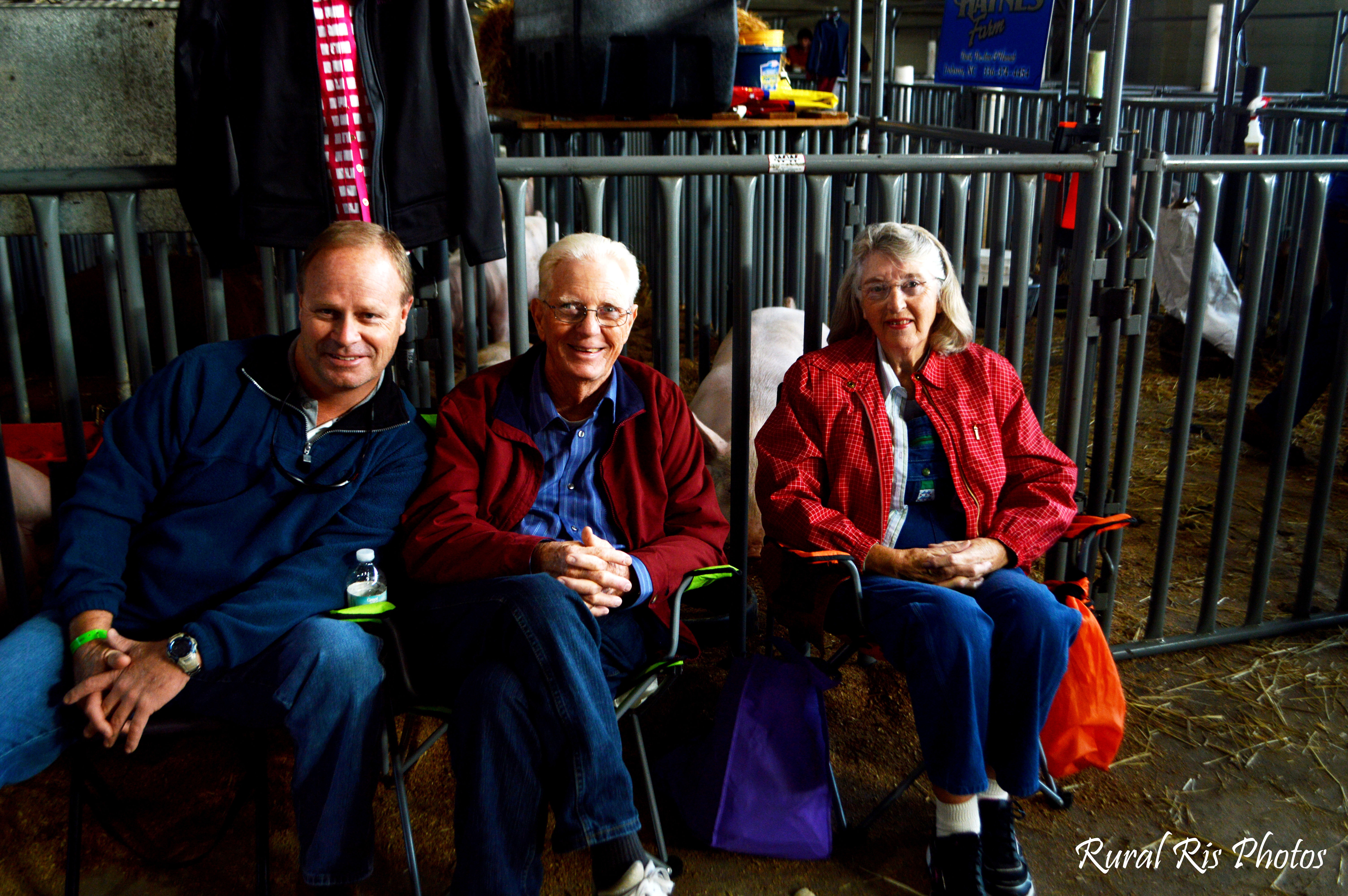
I decided to do a series of posts for each day of the fair. Part 1 covers the pig show. We weighed them in on a Thursday, and showed them early on Friday. Alec, Isaac, Gideon, and I all stayed at a nearby hotel to make sure we could be at the fair in time to show. Traffic gets really bad from our house to the fair, adding 30-45 minutes to travel time. Mom, Dad, Grandma, and Papa came up that morning, but enough of those details. It is time to give the results of the pig show.
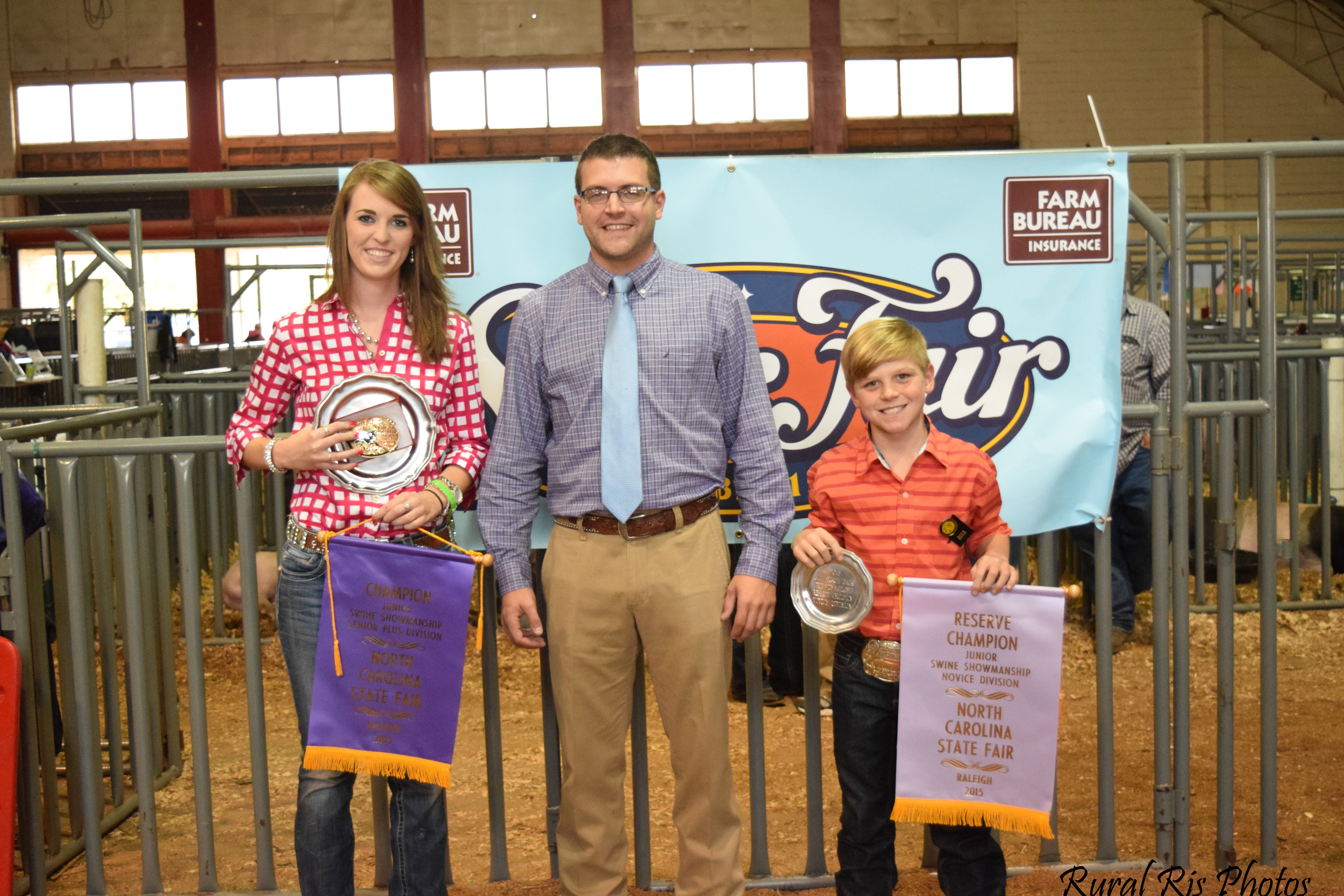
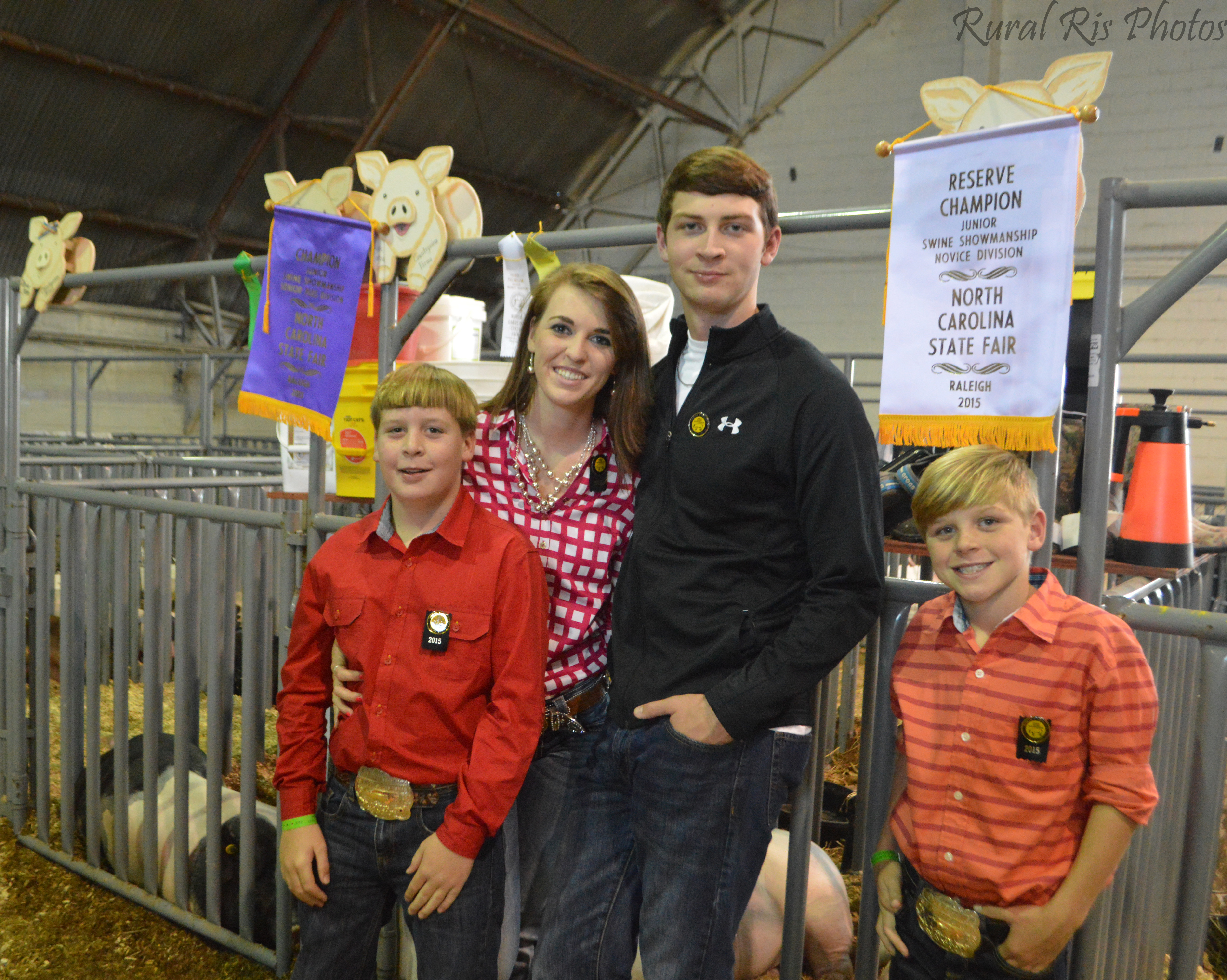
Gideon had an amazing hog circuit season. He won Champion Novice Showmanship and the belt buckle to go with it. He and another showman tied for the award, and Gid won the tie because he had attended more shows. The duo flopped places, and Gideon got Reserve Champion Novice Showman at the State Fair! I was super stoked for him. He and his pig, Nilla, were a dream team and worked so well together. I love watching Gideon show because he is so intense… sometimes too intense. For a 9 year old, though, he could beat some of the older kids!
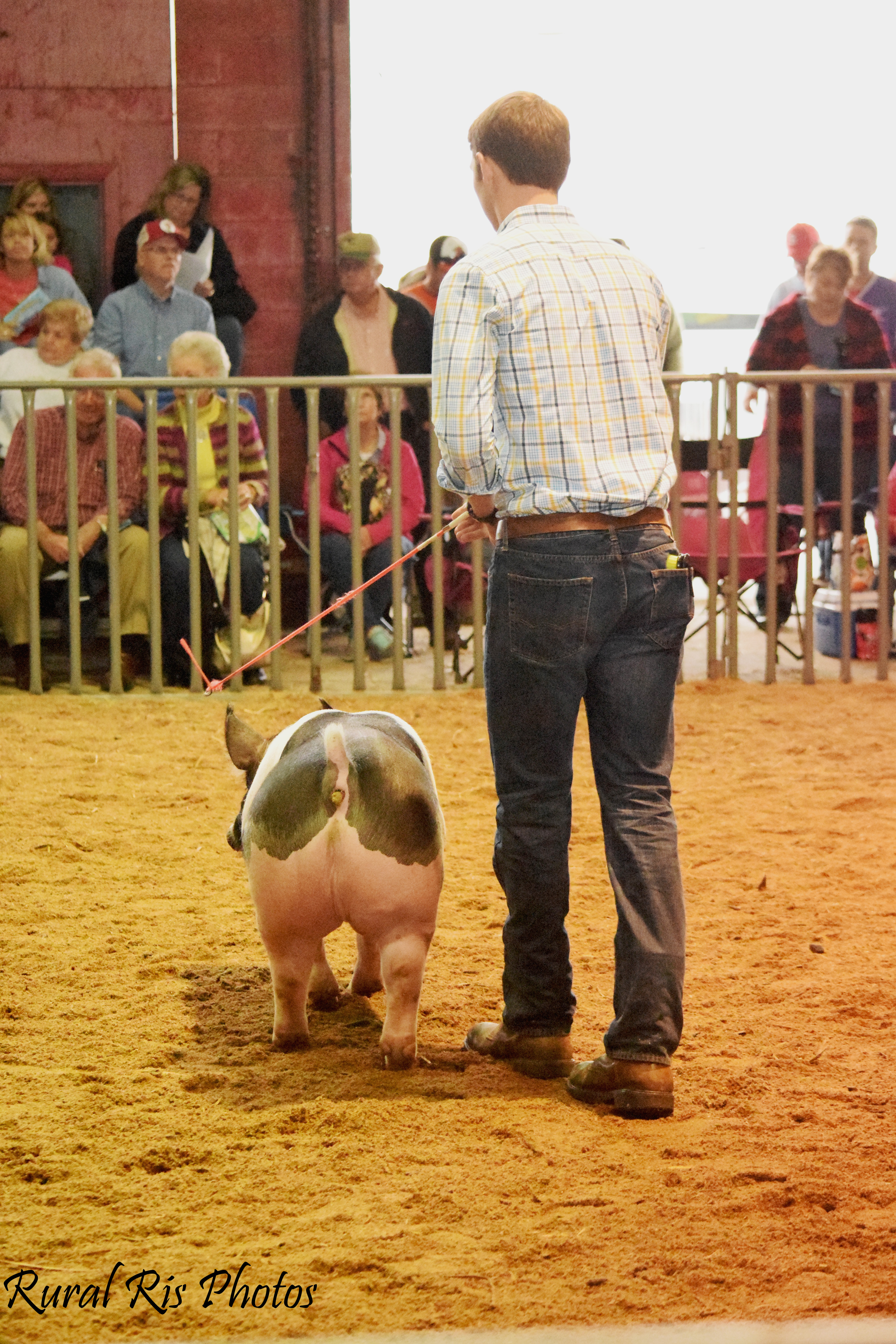
Watching Isaac show is completely different than Gideon. Isaac is laid back and oh so chill. Despite the style difference, he also won a belt buckle in the circuit in the junior division. This is a tough category, because he is 10 and is up against 13 and 14 year olds, but he won! At the fair, he made the cut, and was so close to getting placed. Making the cut was major in itself, though. There was double the kids compared to the circuit shows. He and Legalus, his pig, did so good! Legalus got 3rd place in his market class, and won first place born an bred.
Isaac has been dying to show a red pig, so he was super excited to help another showman out and show his red pig.
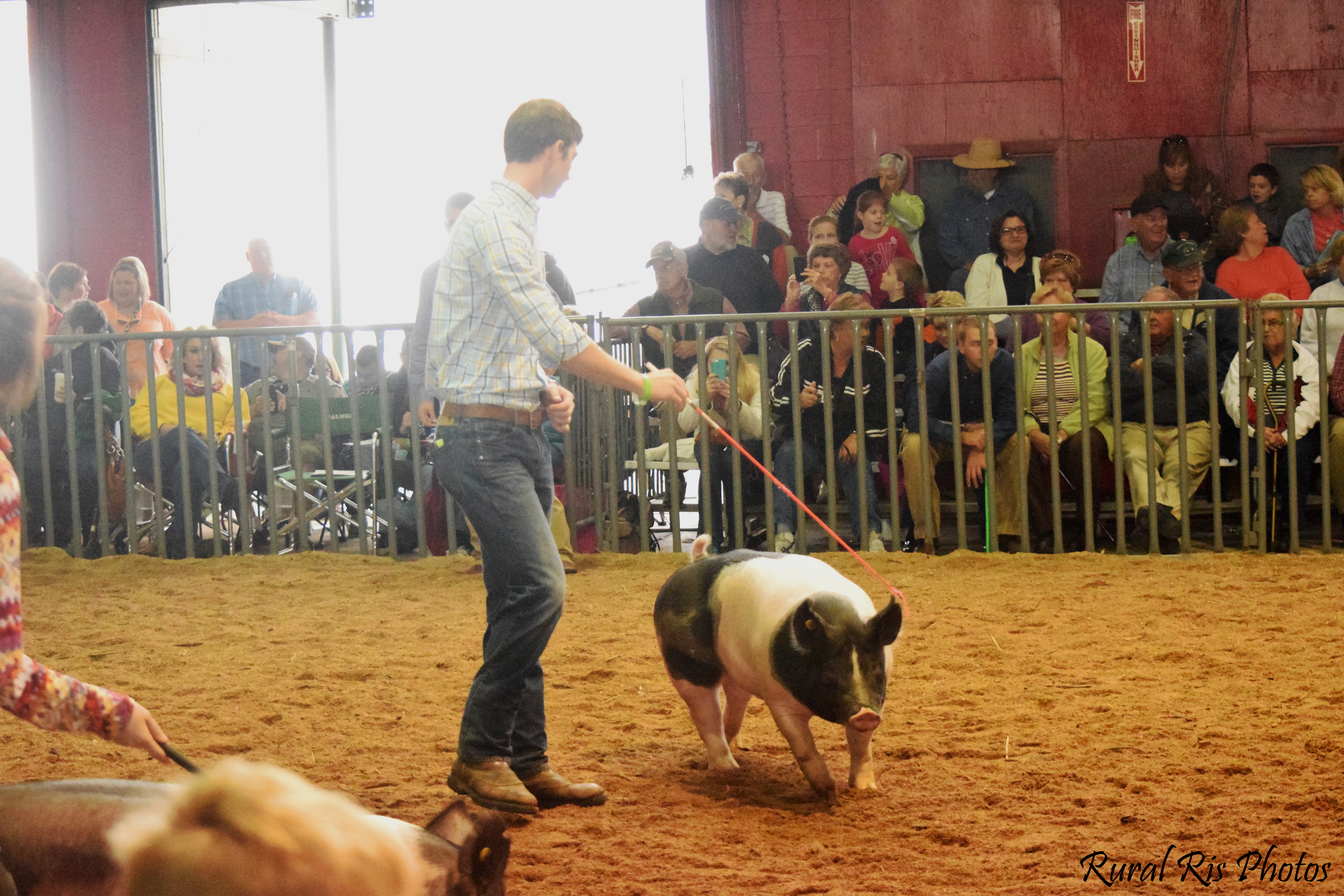
I loved watching Alec, and his pig, Gus show. Alec really enjoyed showing Gus-Gus, but they’d butt heads at times. Ultimately, Alec won 3rd in the senior division of the circuit. He also made the cut at the fair. All during the pig shows, Alec struggled finding the perfect height to stand while showing. I think he finally found the right bend.
He and Gideon ended up in the same market class together. They literally went head to head. Alec and Gus won 5th and Gid and Nilla won 6th.
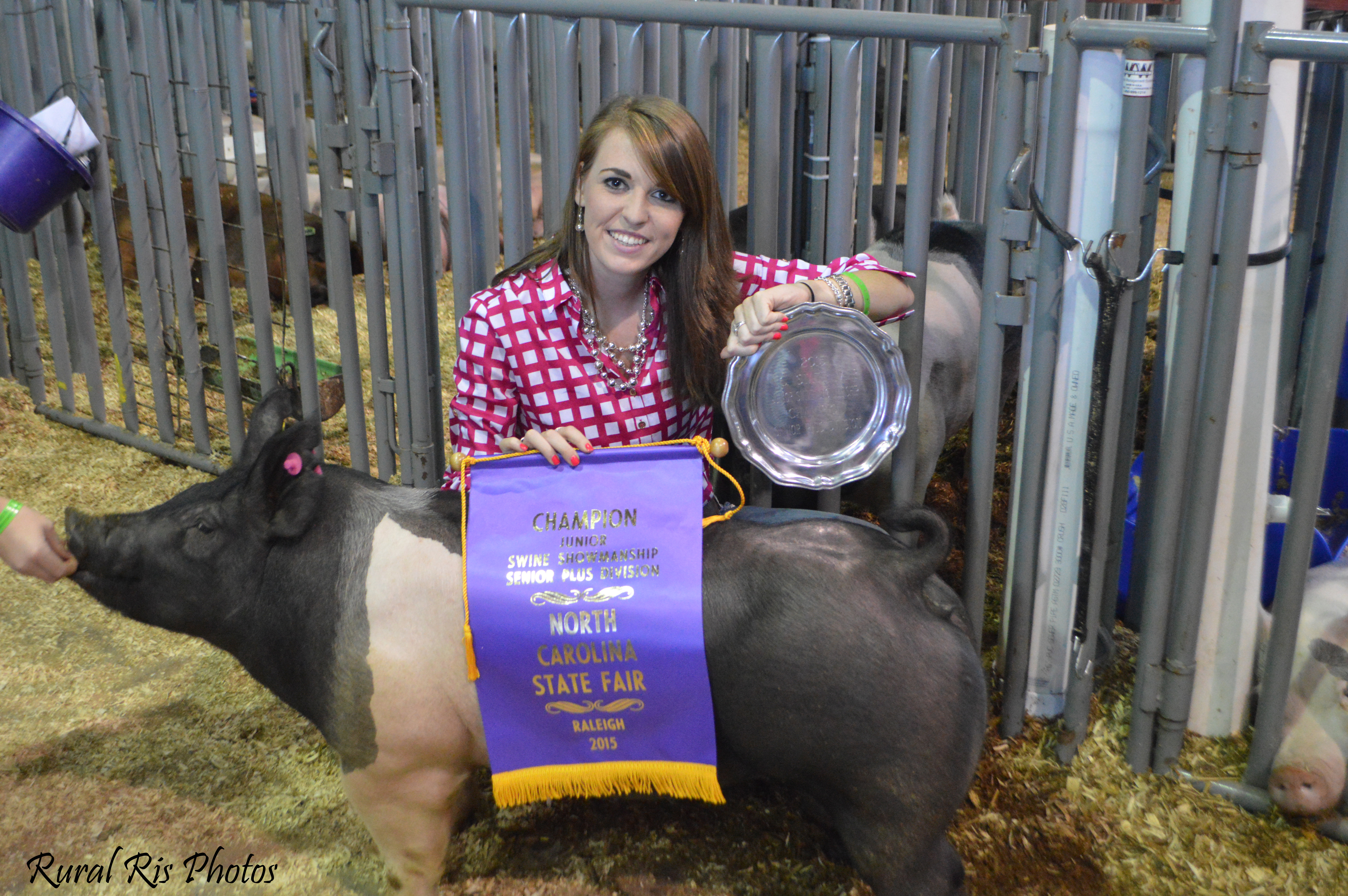
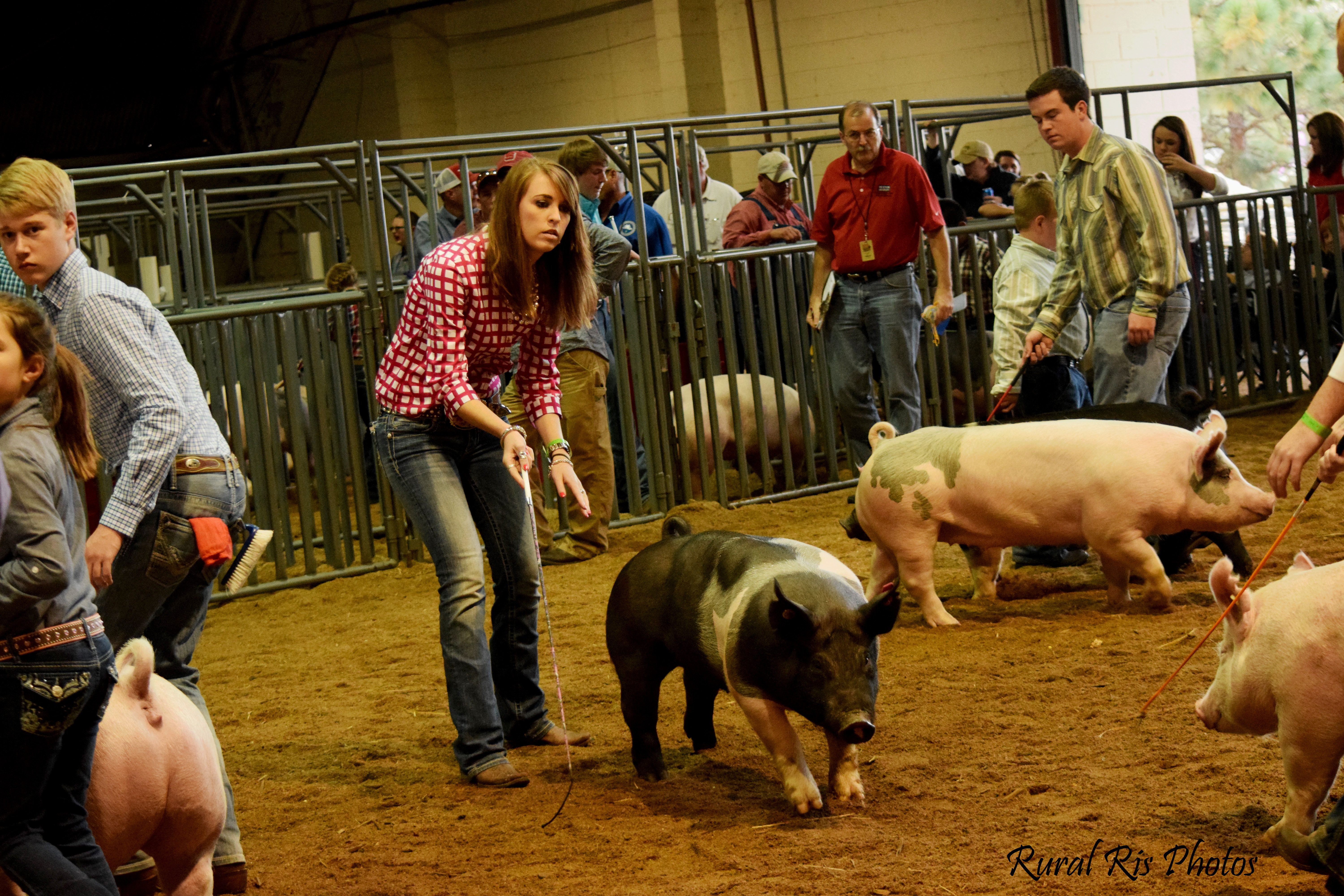
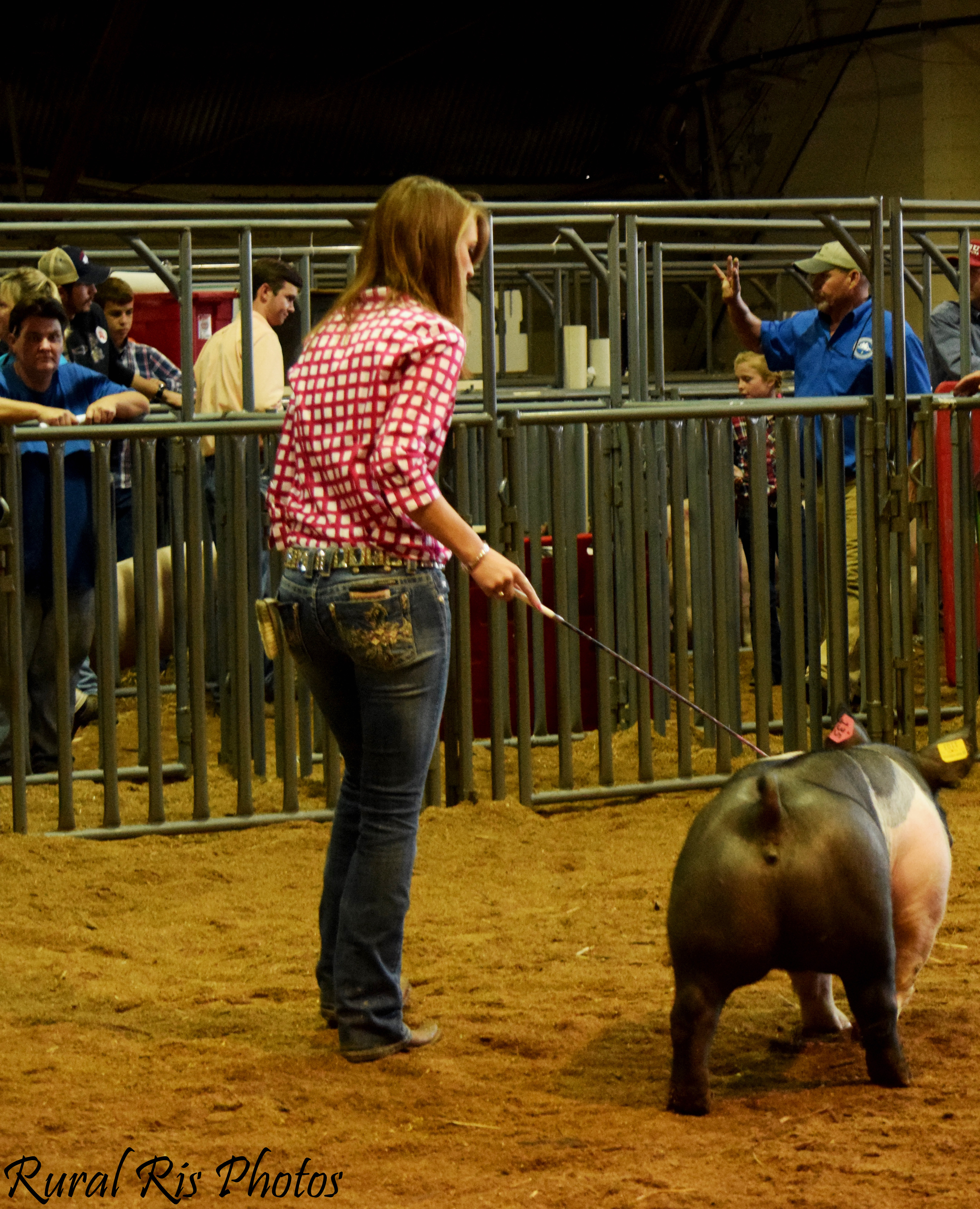
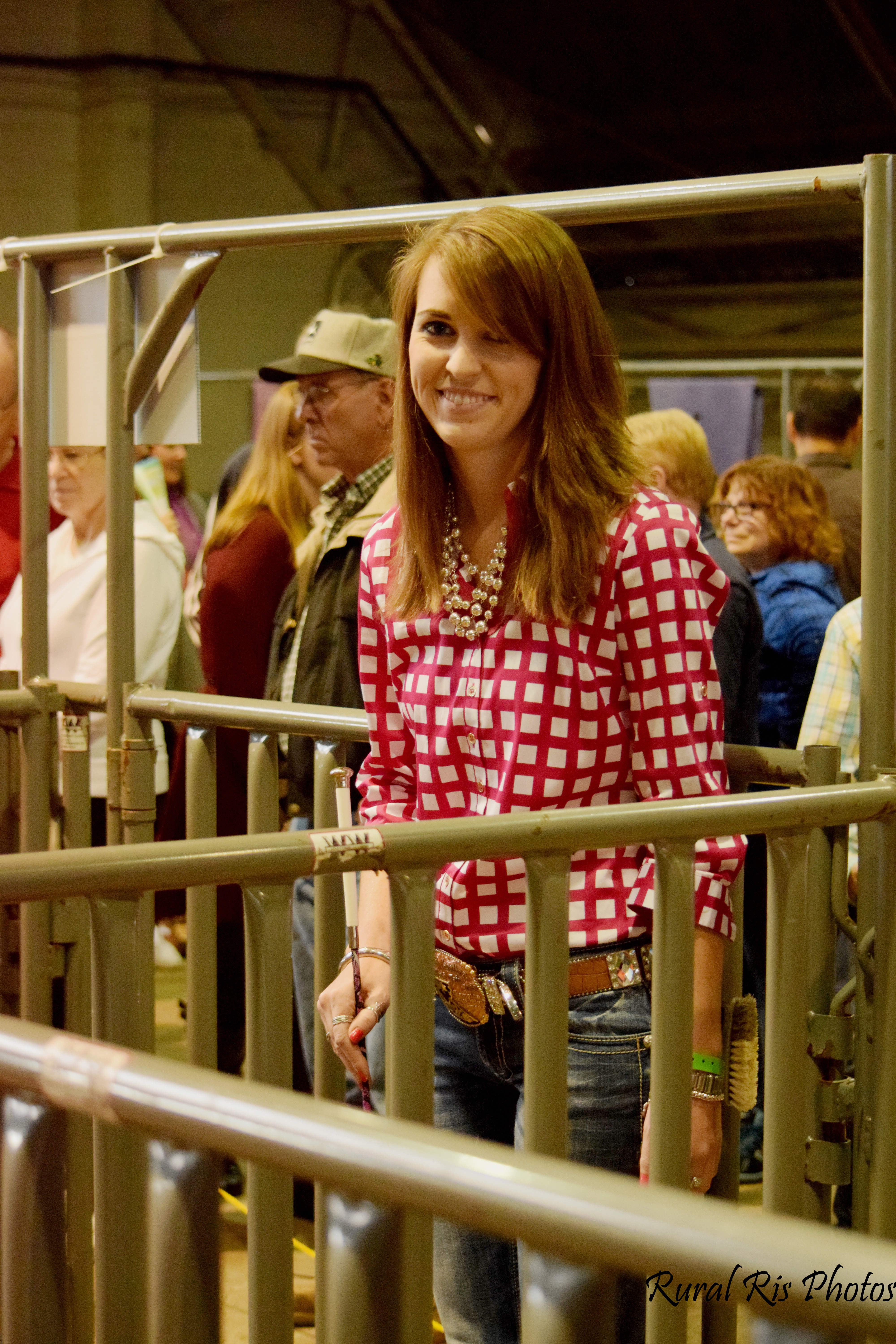
As for me, I drove Alice into my last showmanship class. There were 4 of us in the senior plus category. I don’t know why, but I was super duper nervous. There are few times I remember being that nervous. I finally got my nerves under control and entered the ring, only to have the judge ask me the ear notch of my barrow before I had taken 3 steps. “Ummm… 4-6 notch, but this is a gilt, not a barrow.” He nodded and I walked on. I couldn’t help but think if it was ok to correct the judge. Too late now. After driving Alice for a bit, the judge asked each of us to get on the microphone and give a little speech. I don’t remember all that I said except for we should thank farmers 3 times a day every time we eat. Thank goodness for my communication major!
I went back to showing Alice. At this point she is getting super cranky, and I am convinced I’m done.
The judge began to announce the winners, and said the “the lady in the red plaid will be our winner.” Is that me? I’m wearing pink. I quickly looked around to see if there was another in red. No one was wearing red. It was just a color label mix-up! After over a decade, I had won the elusive belt buckle (stay tuned for a separate post on this). I was beyond excited. What a way to finish!
Alice got 9th in her gilt class. Unfortunately, she had twisted something, and was limping, so didn’t get around too good.
After the show, we went out and got fair food!
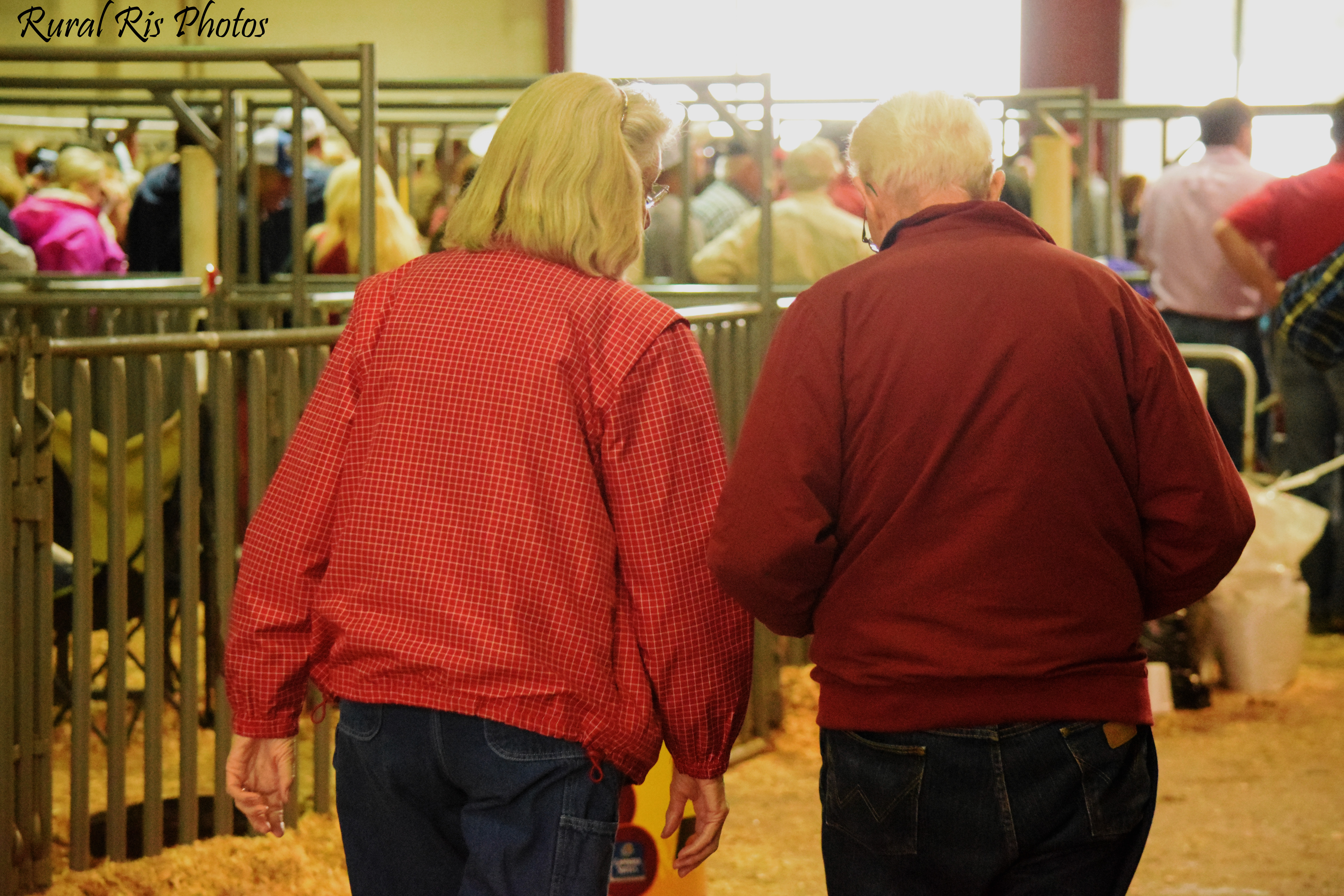
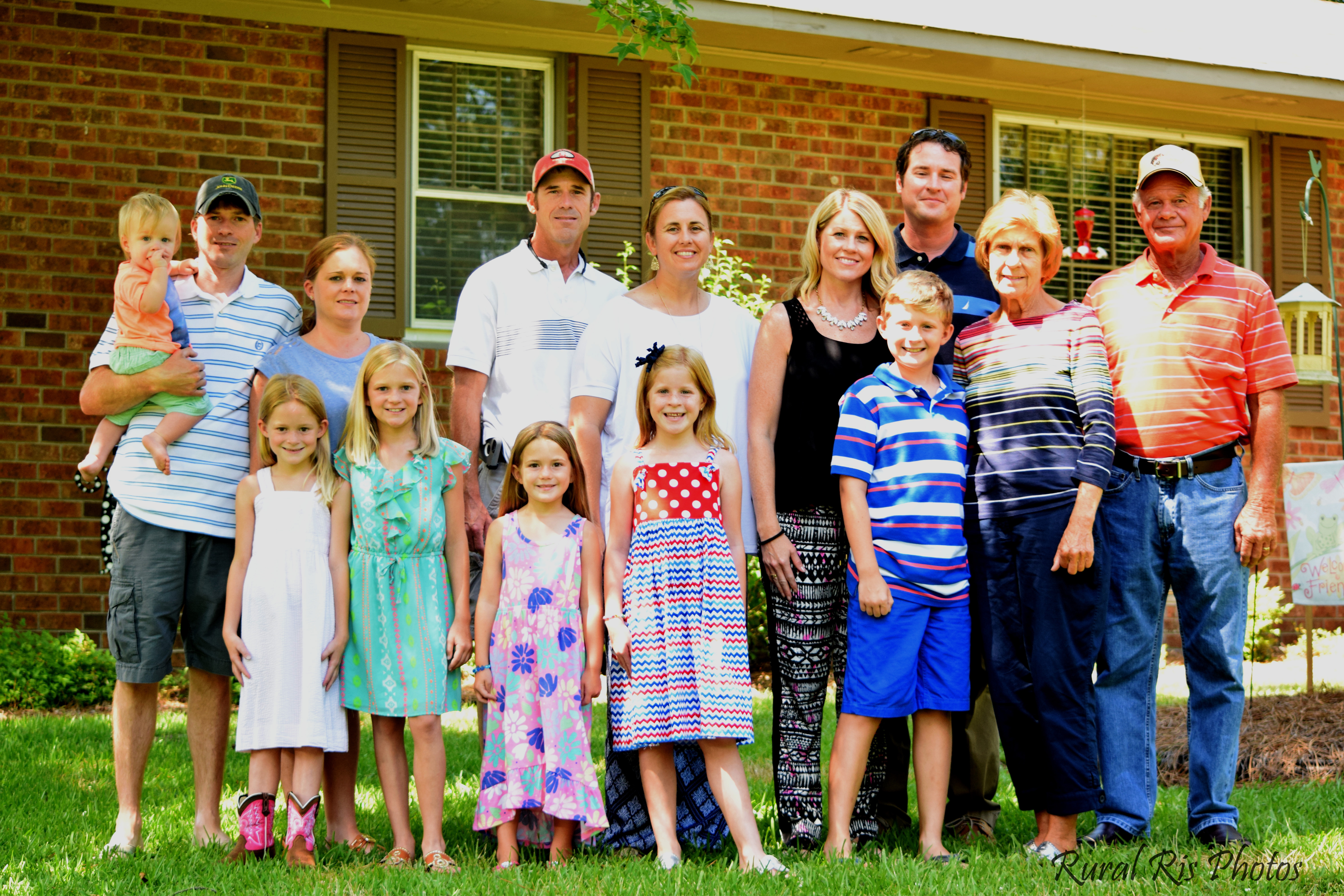
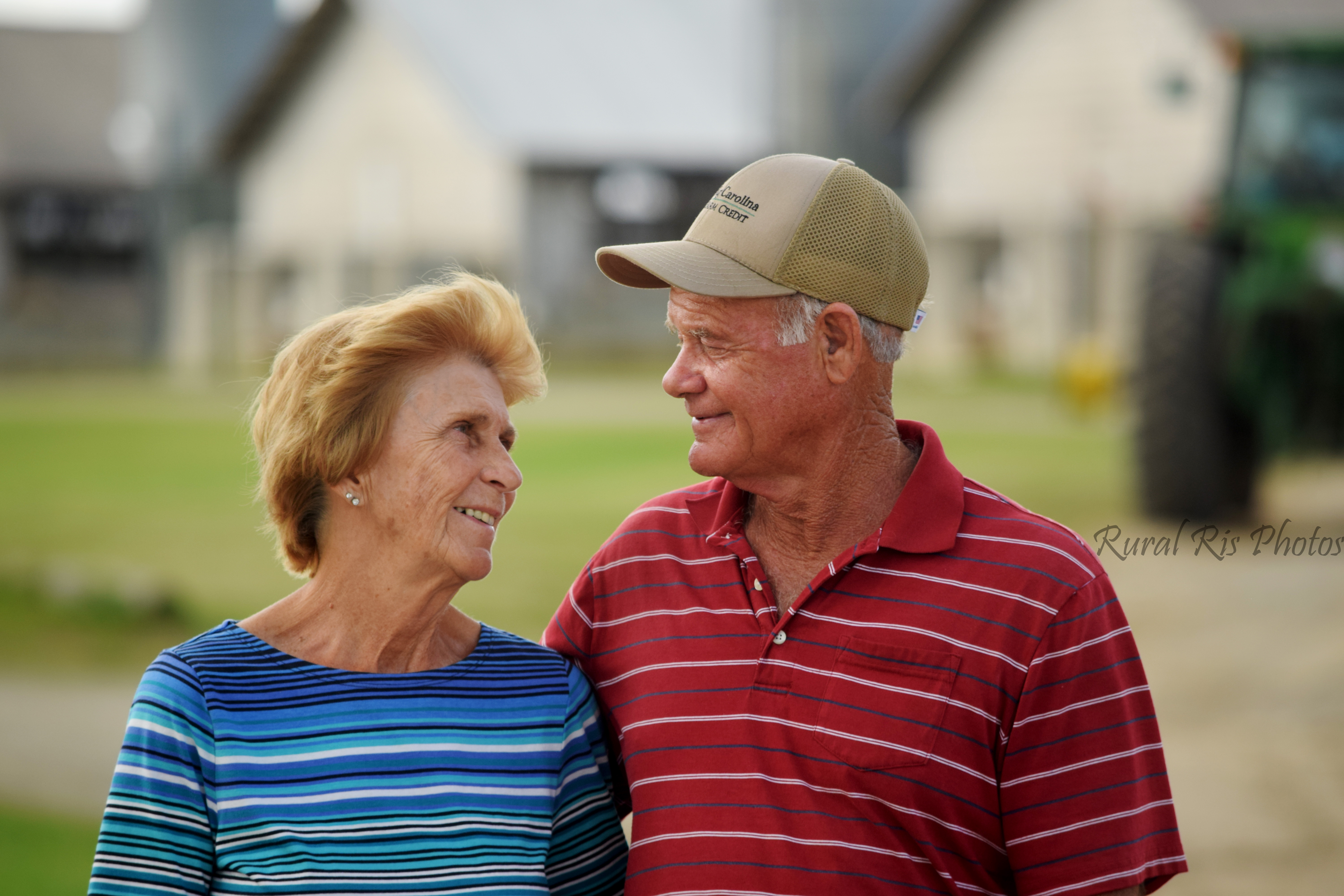
Before going any further, I want to thank Mom, Dad, Grandma and Papa for all they do in supporting us. Without them, we wouldn’t be able to do any of what we do. They opened the door to the opportunities that have become my passion.
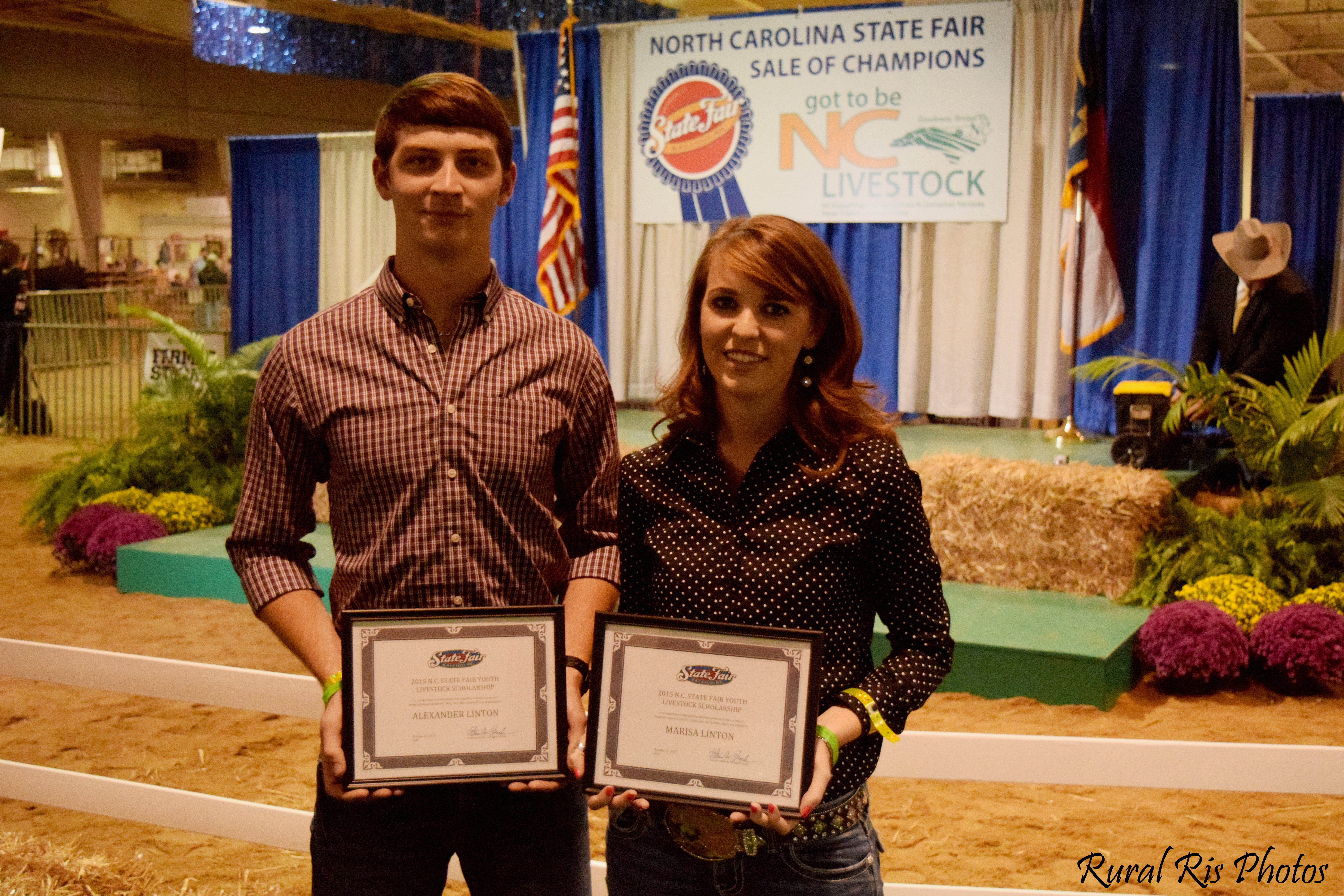
The next day, we went and fed the pigs. Alec and I went to a banquet where we were recognized for receiving a NC State Fair Youth Livestock Scholarship.
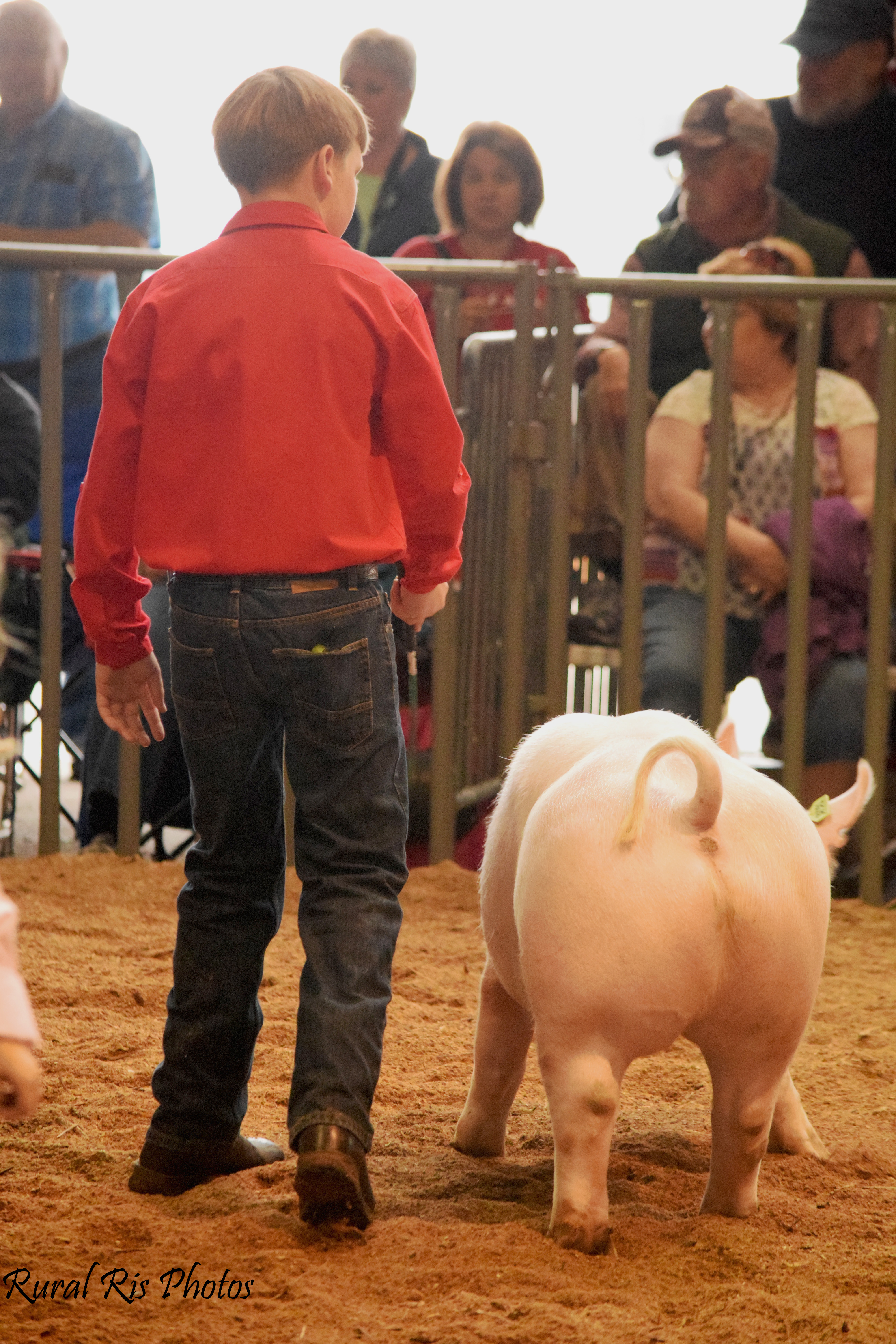
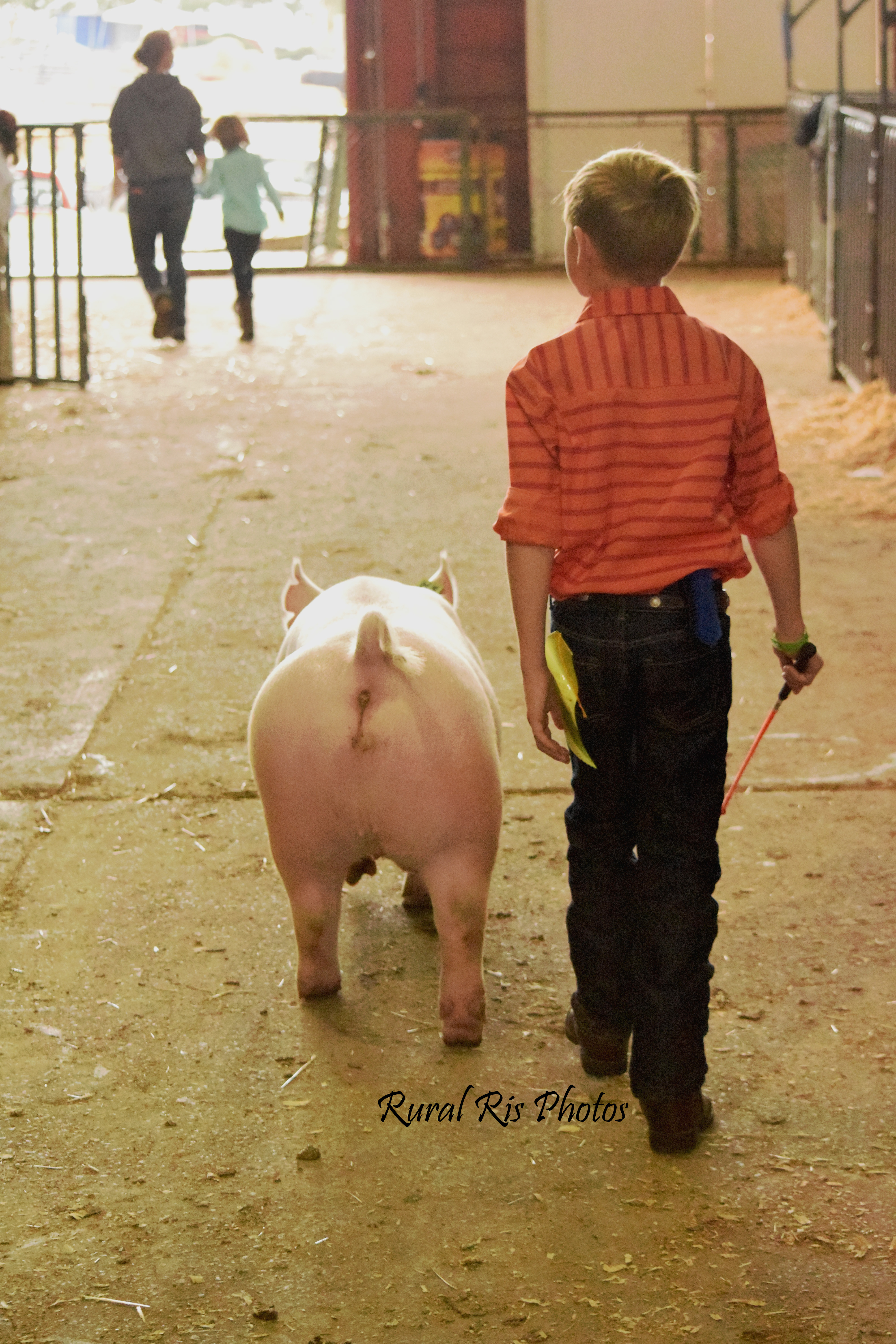
As I was looking through pictures, I noticed a theme–butts. I couldn’t resist sharing.
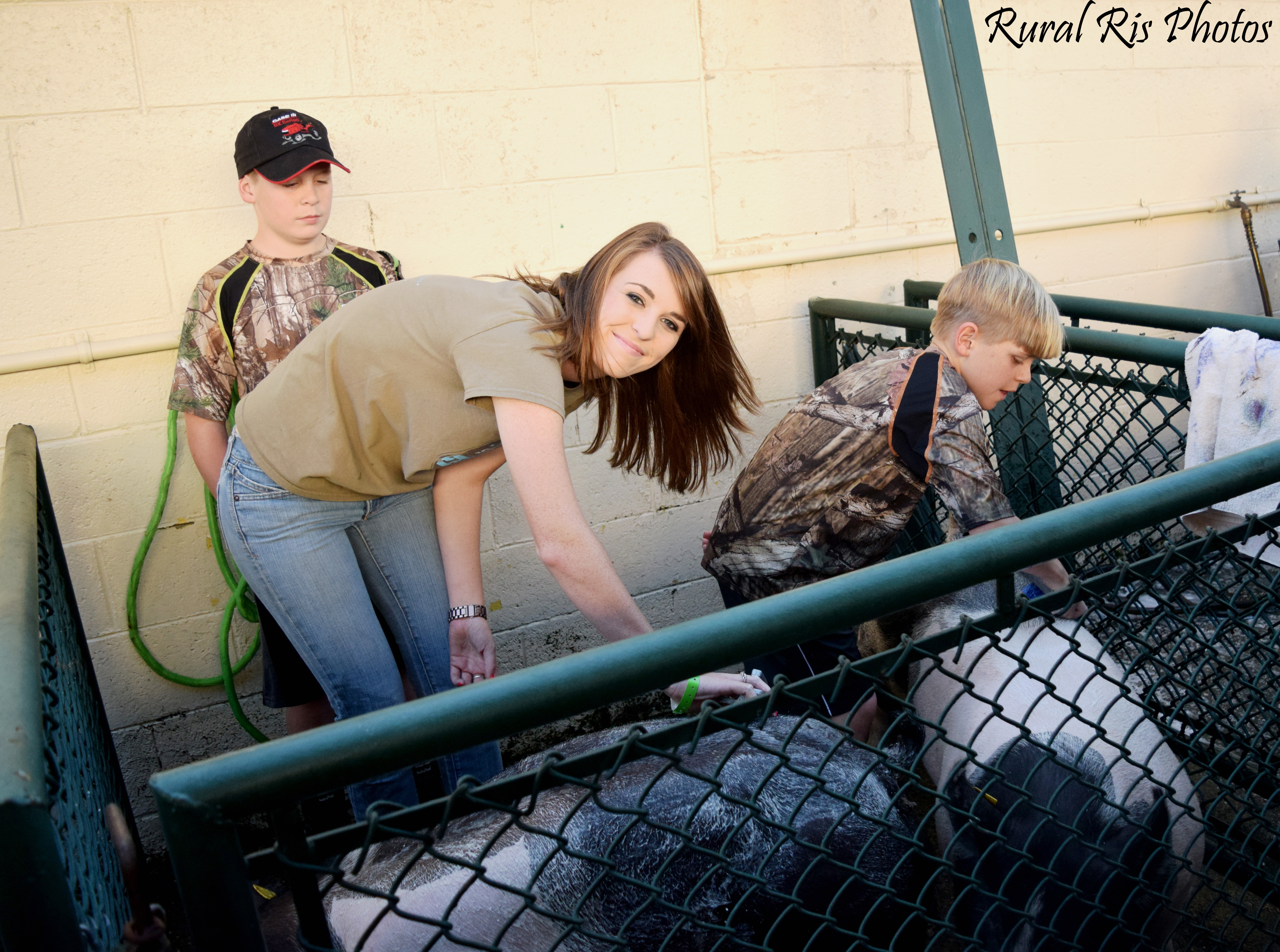
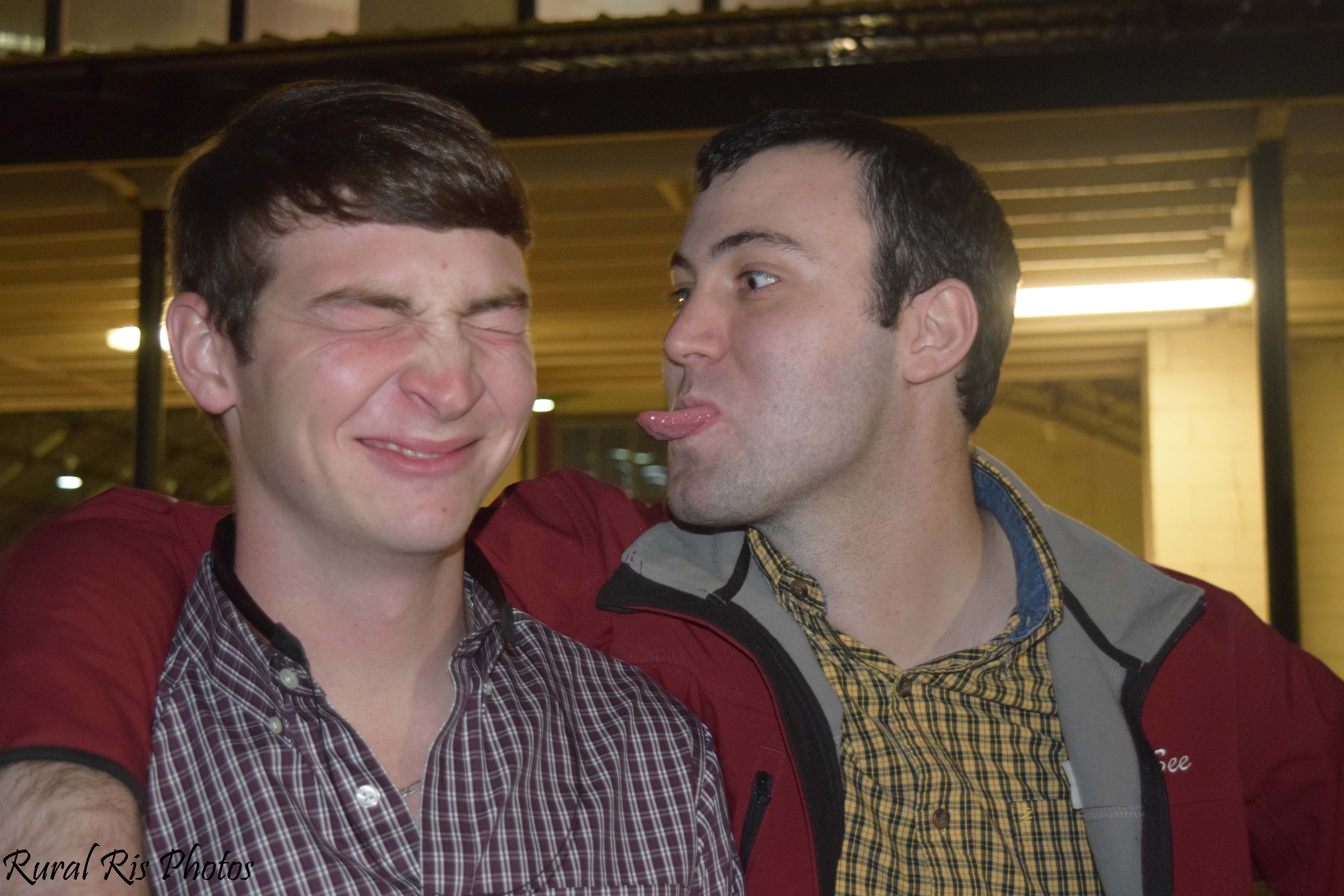
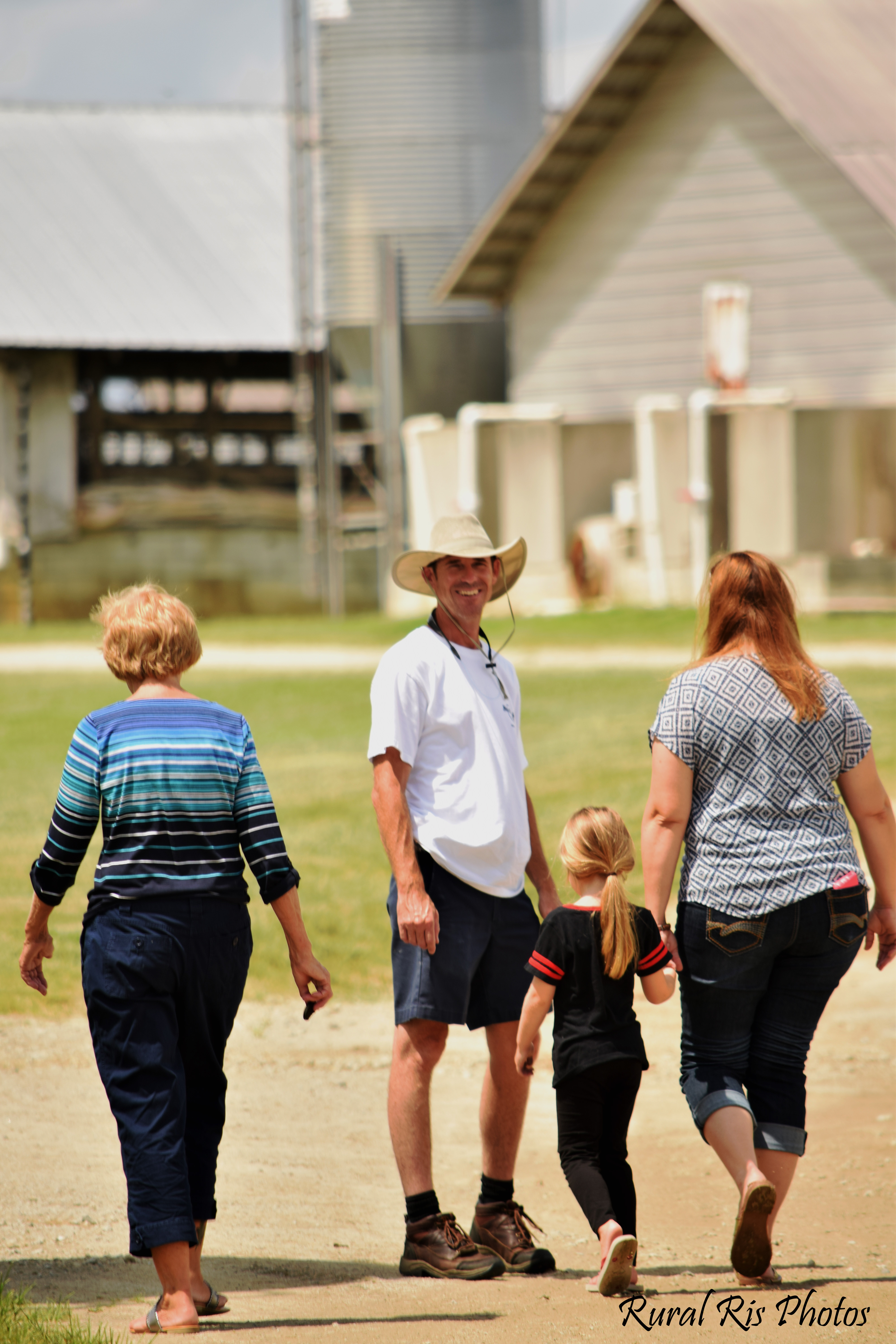
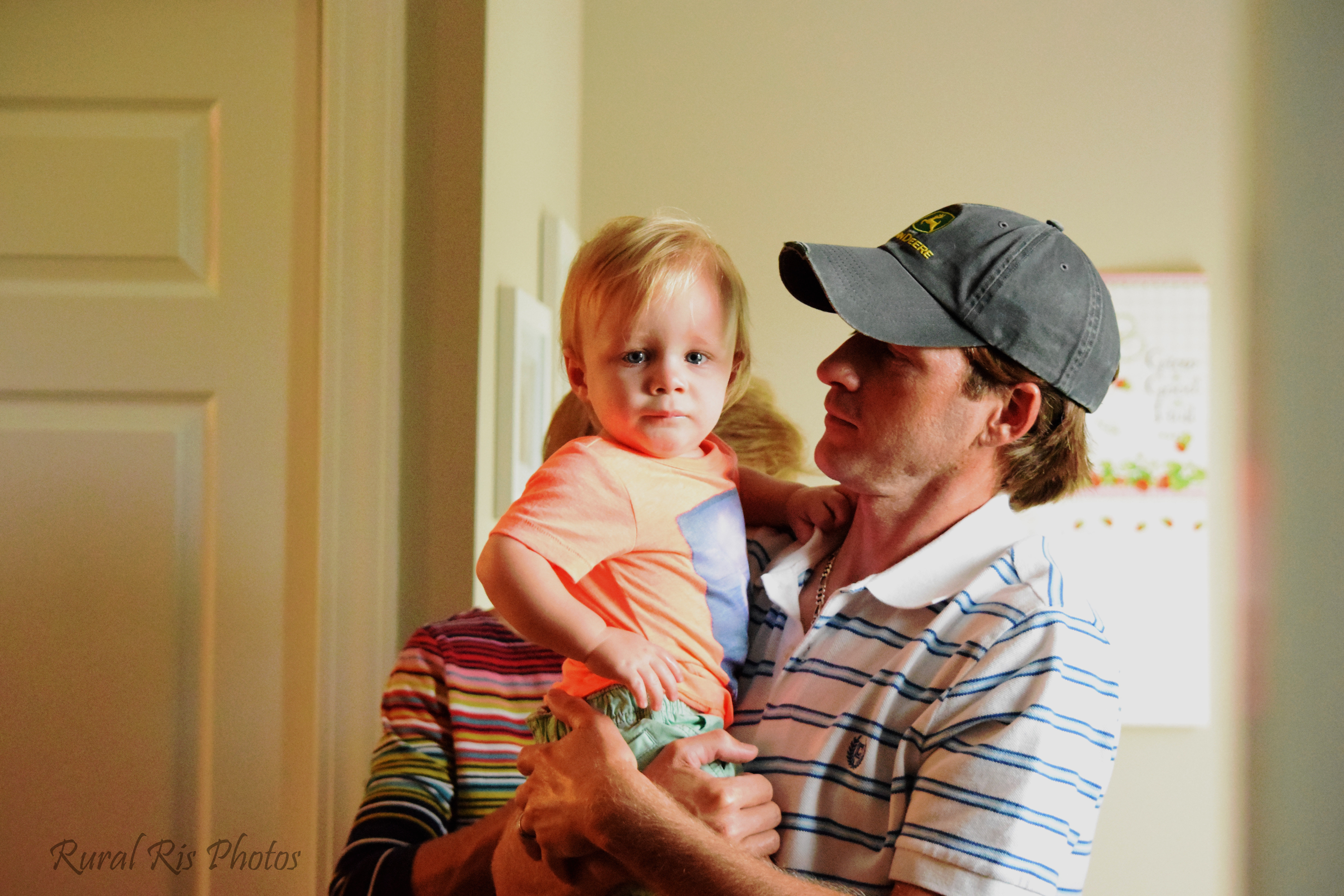
Candid pictures are always the best, and I couldn’t help but include many of them here.
And that, dear friends, is a wrap for the pig show. I’m not responsible for any sudden urges to go and eat a ton of bacon. 😉
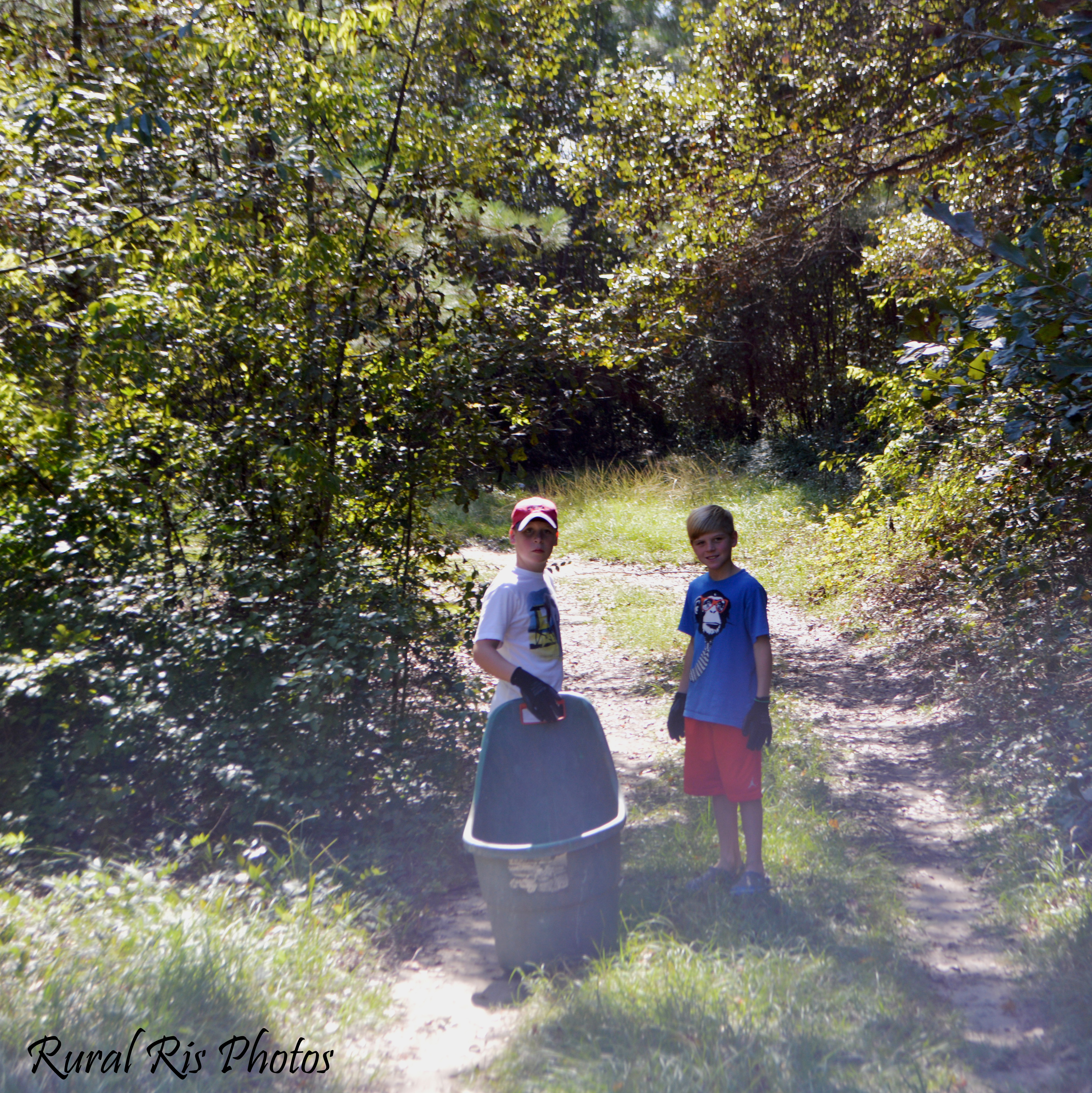
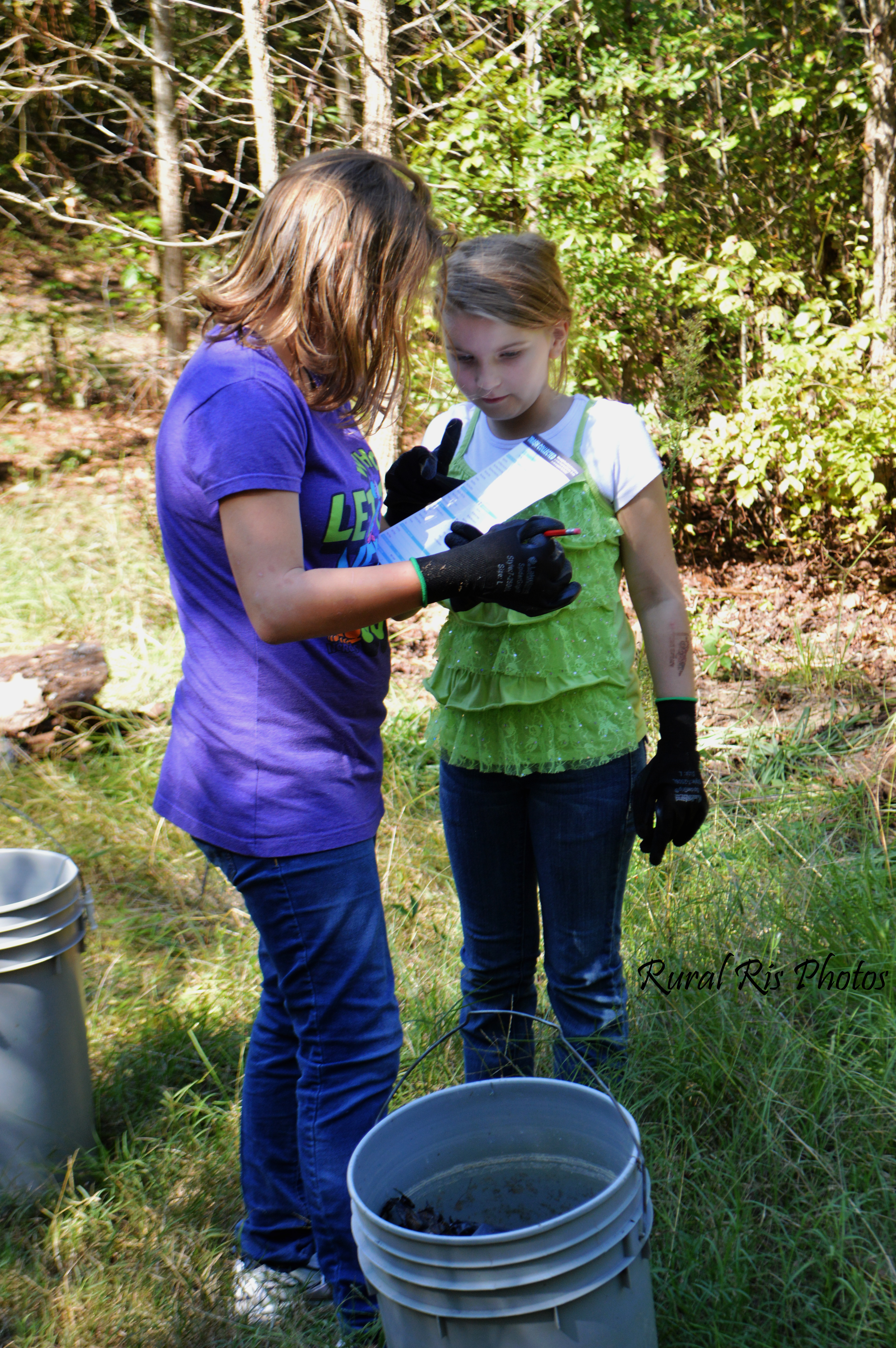
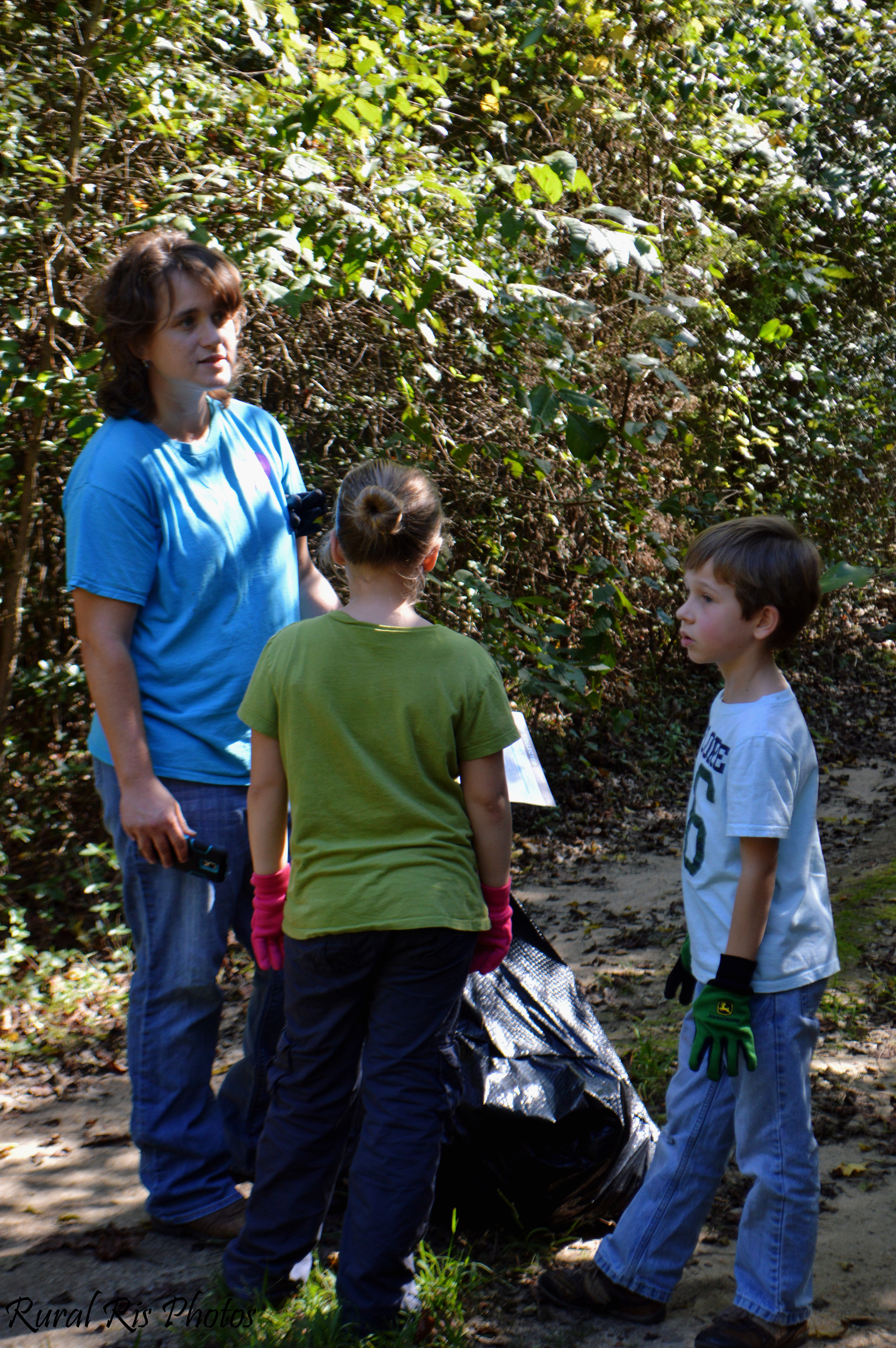
A walk in the woods typically involves peace, beautiful sights, birds, trees, and maybe a deer. That was not the case for us today. Mom’s 4-H club, WHEP, took a romp in the woods; however, it wasn’t what you might think.
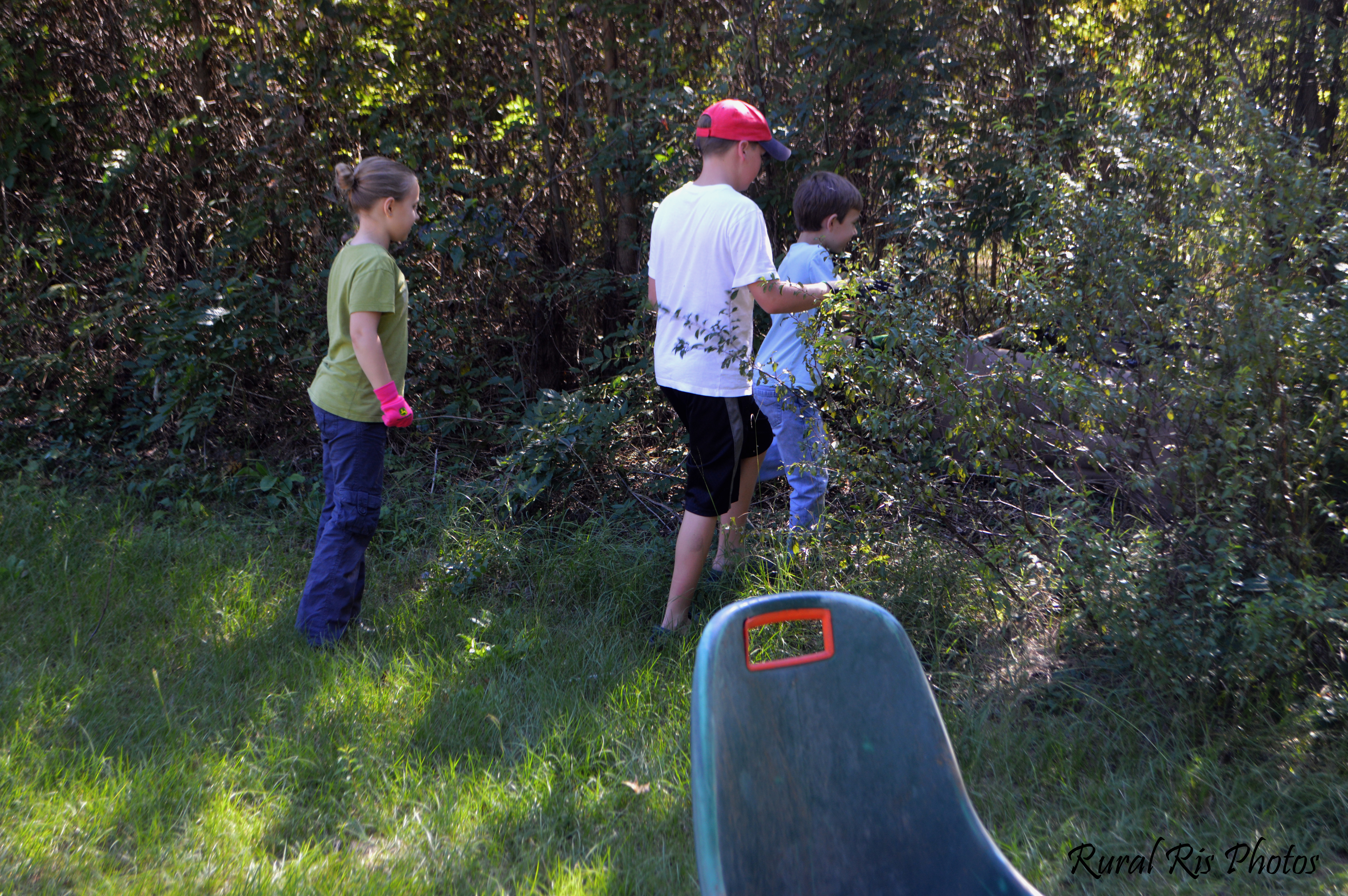
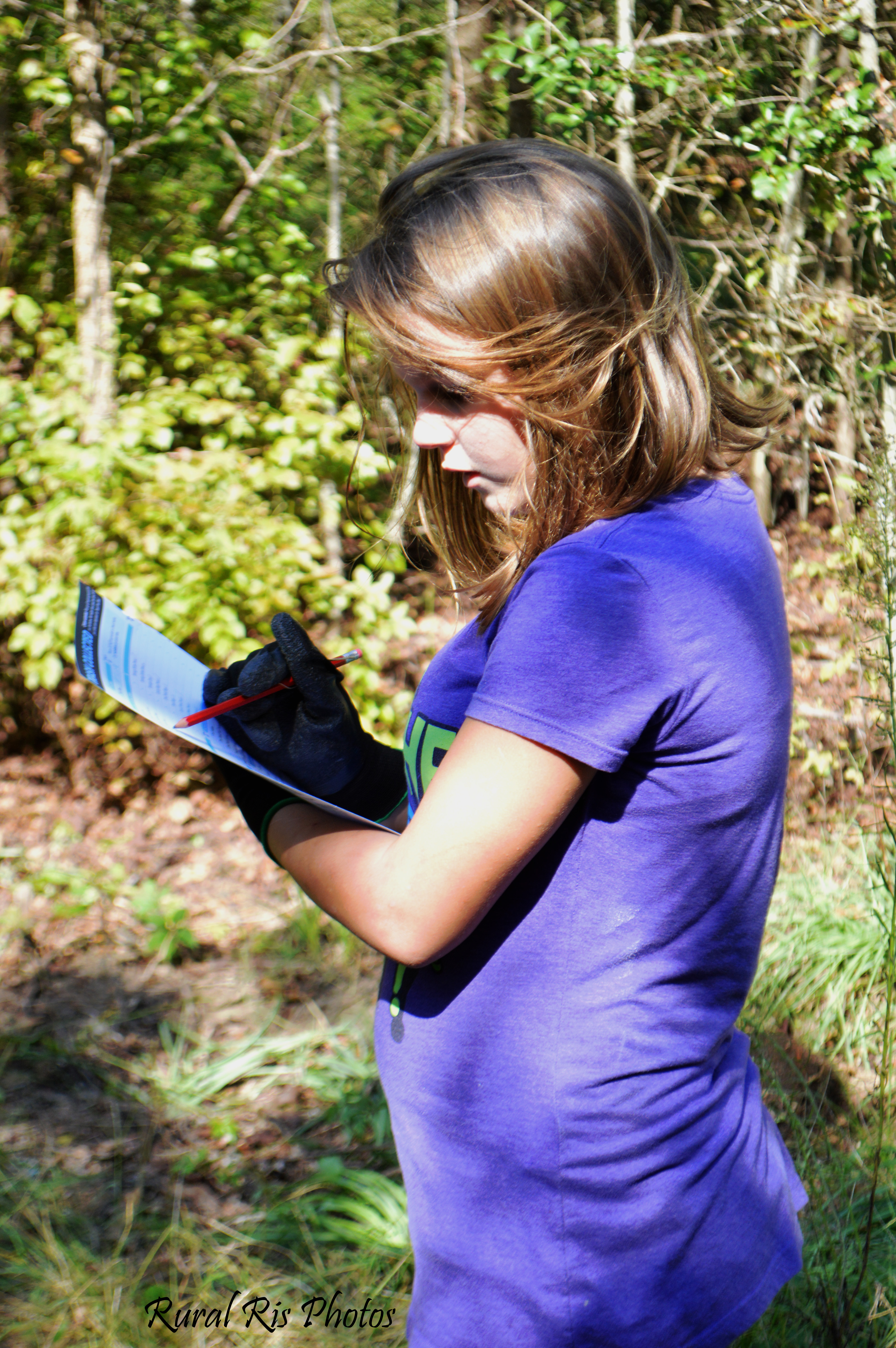
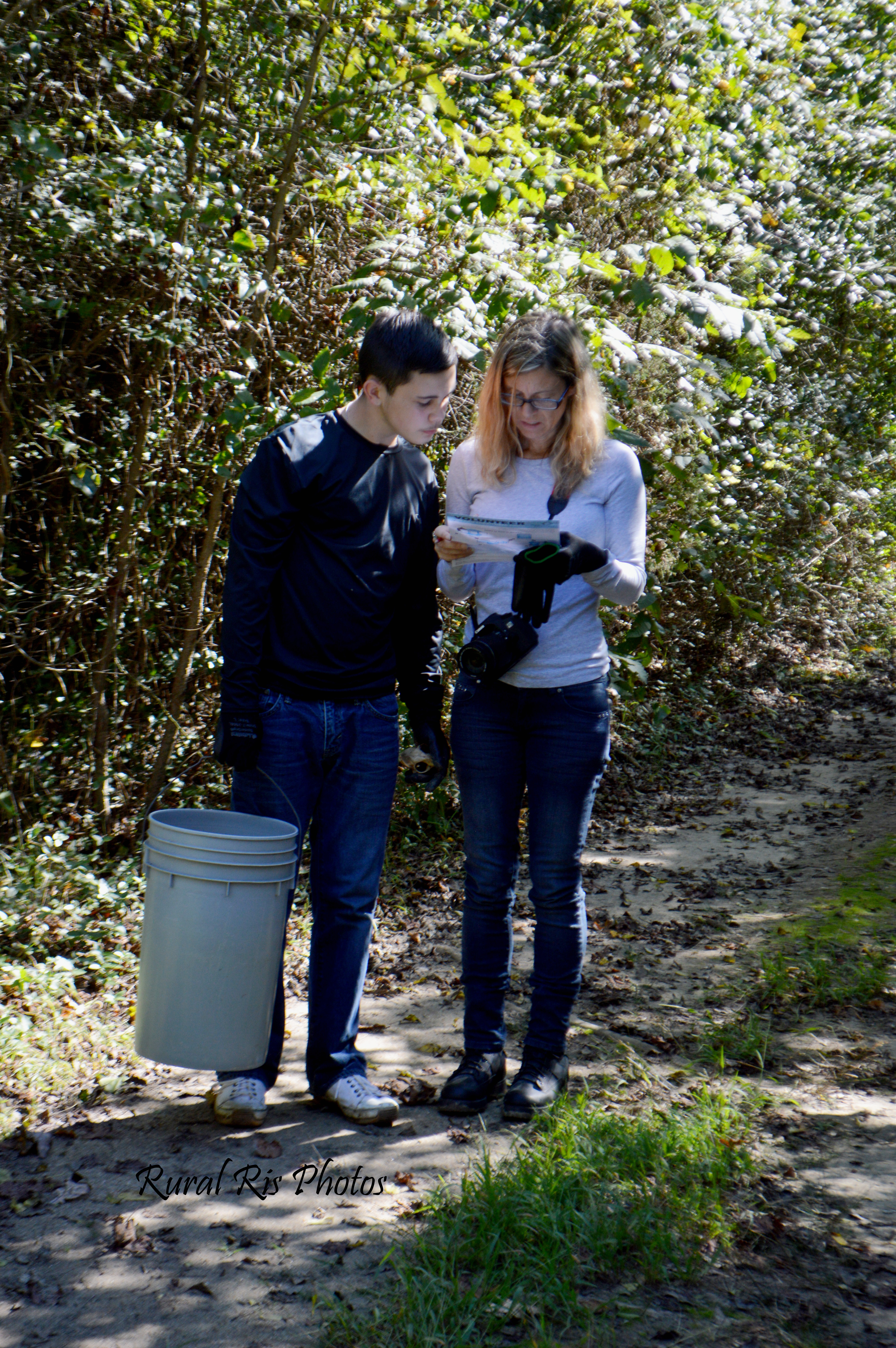
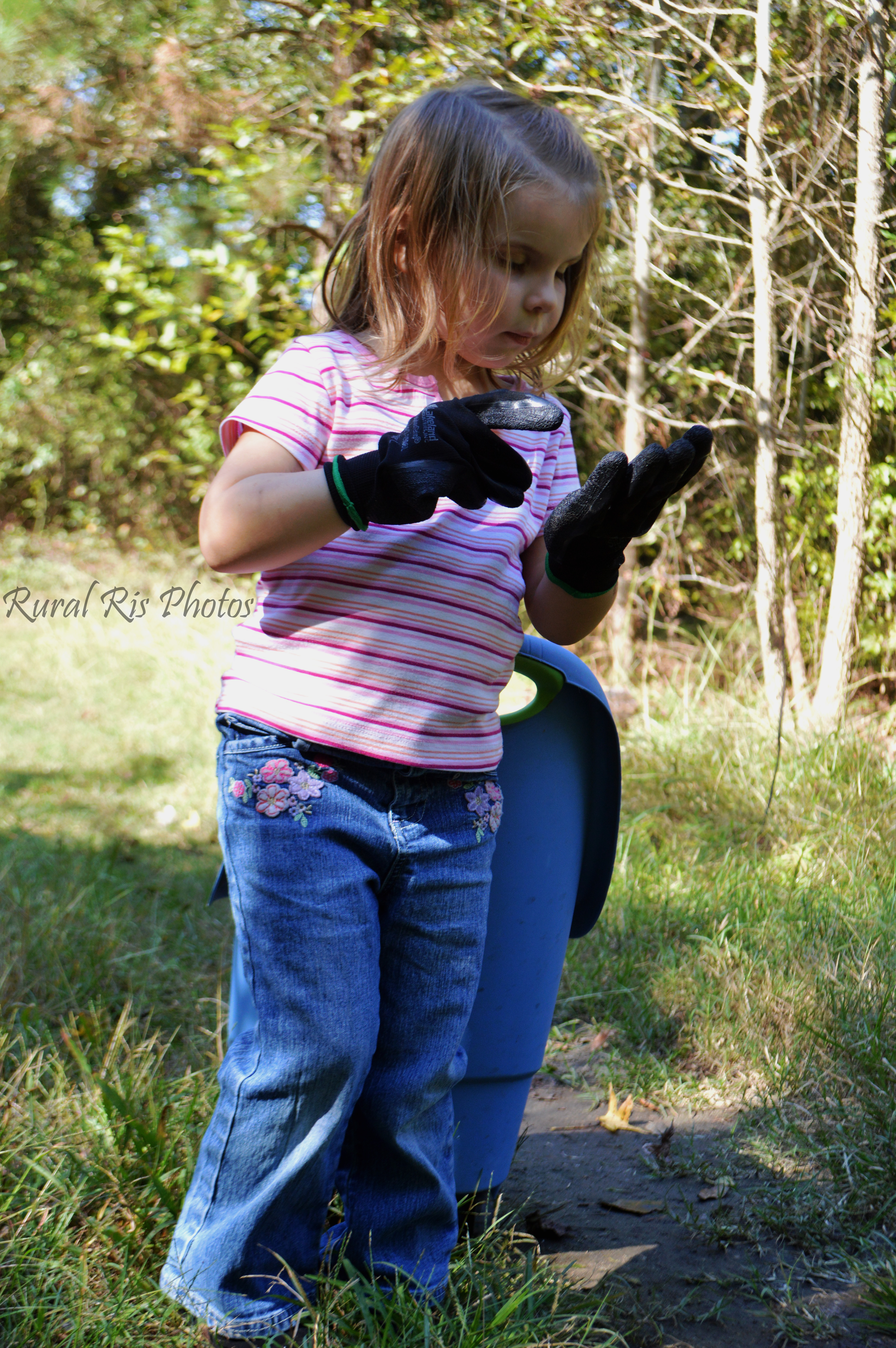
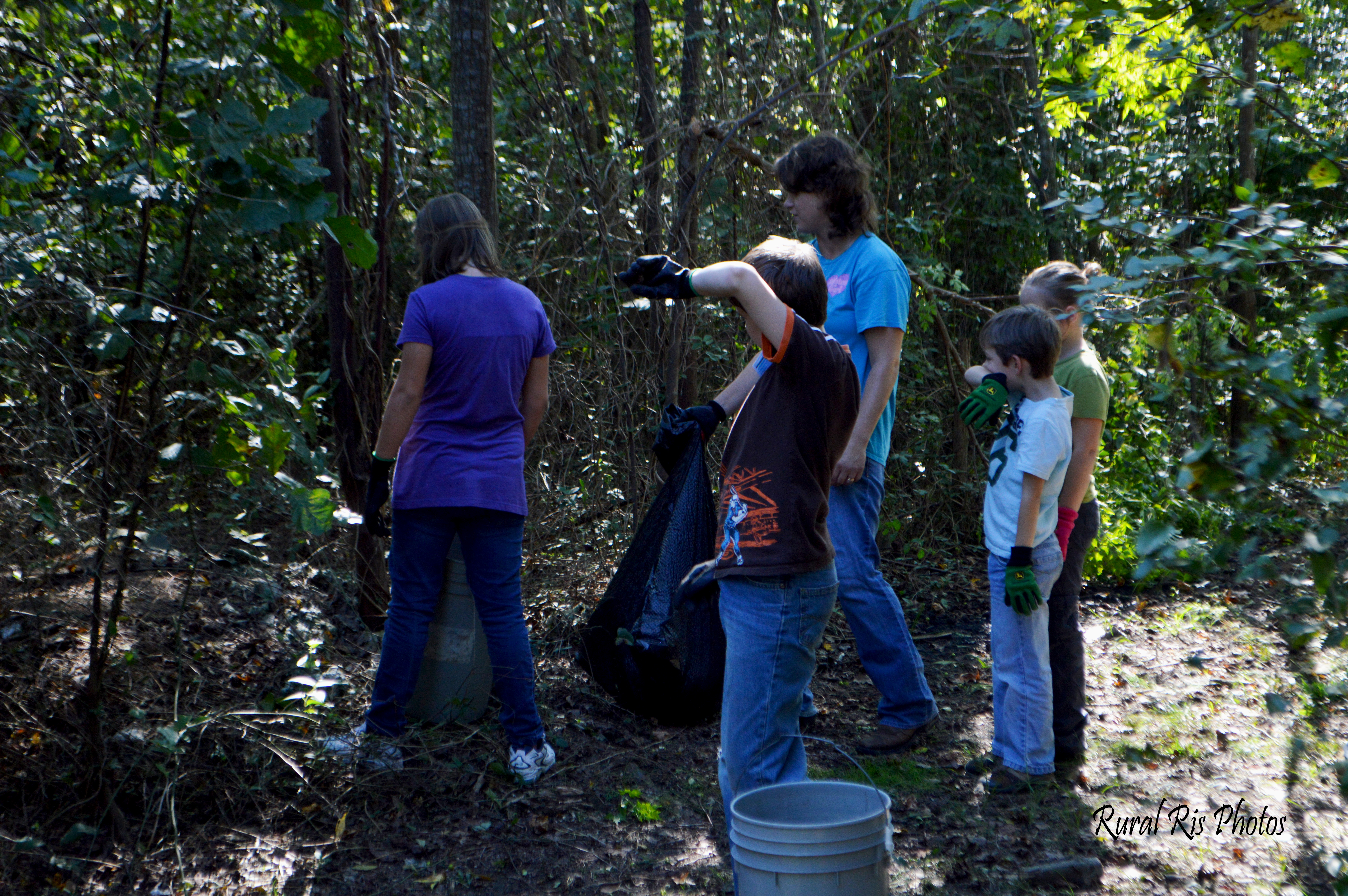
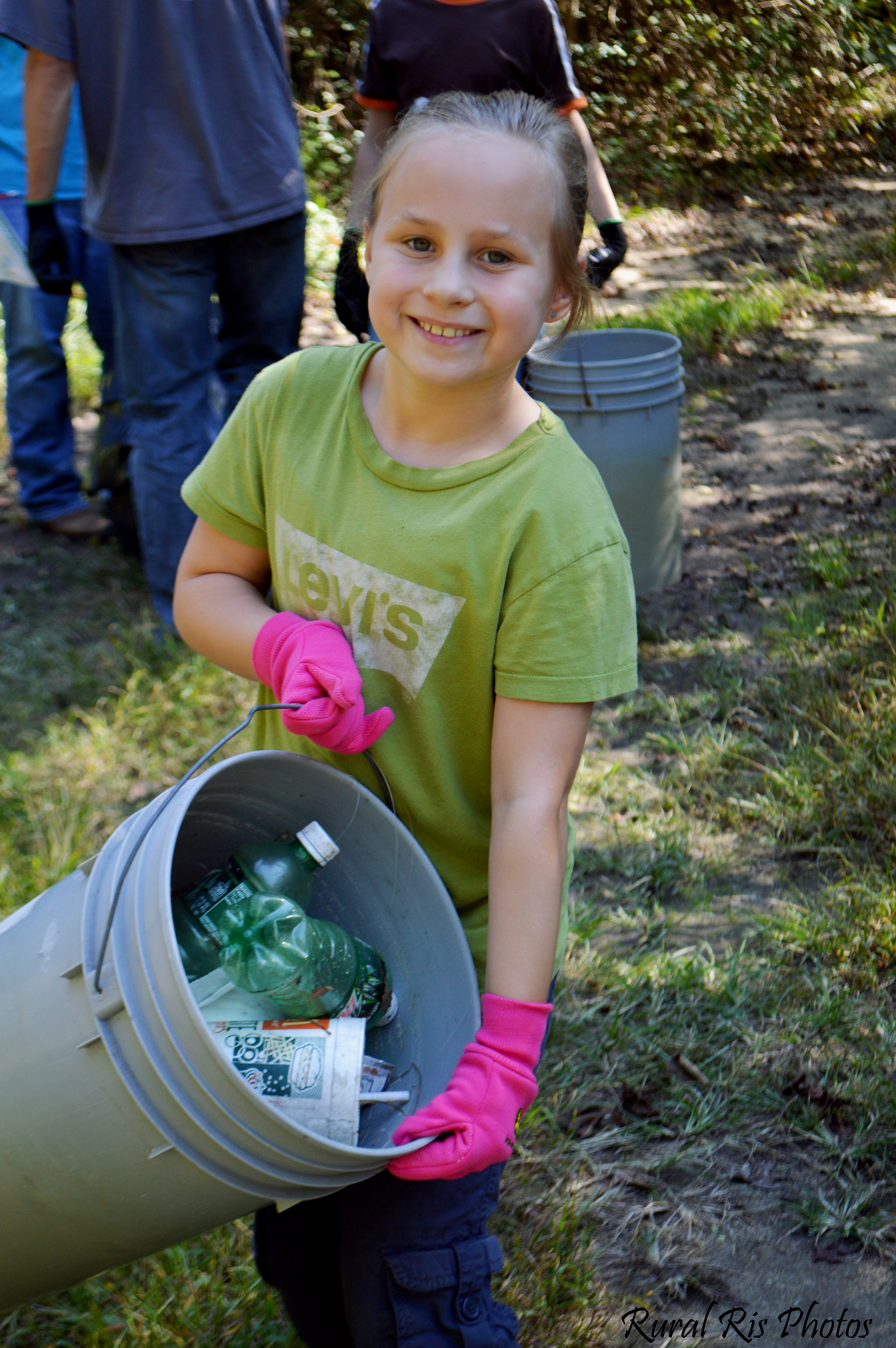
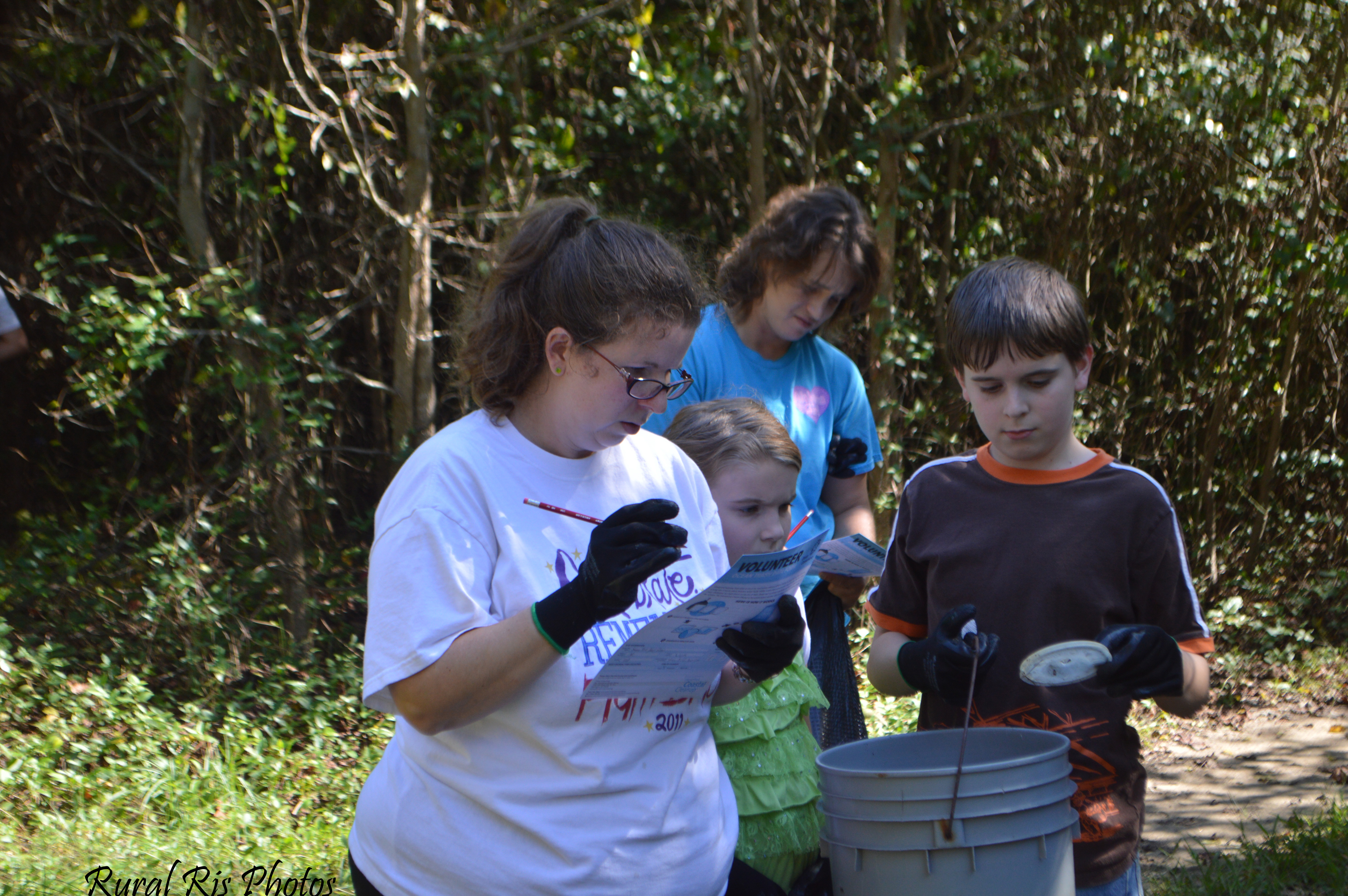
Big Sweep is an initiative in our county where groups collect trash along waterways, and records what is picked up too. For years, WHEP 4-H club has participated in this initiative. We are on our second location (we ran out of trash to pick up in the first area). Last year we started “litter hunting” at a boat ramp along the Neuse River. We thought last year held some interesting finds–a swimming pool– but this year took the cake.
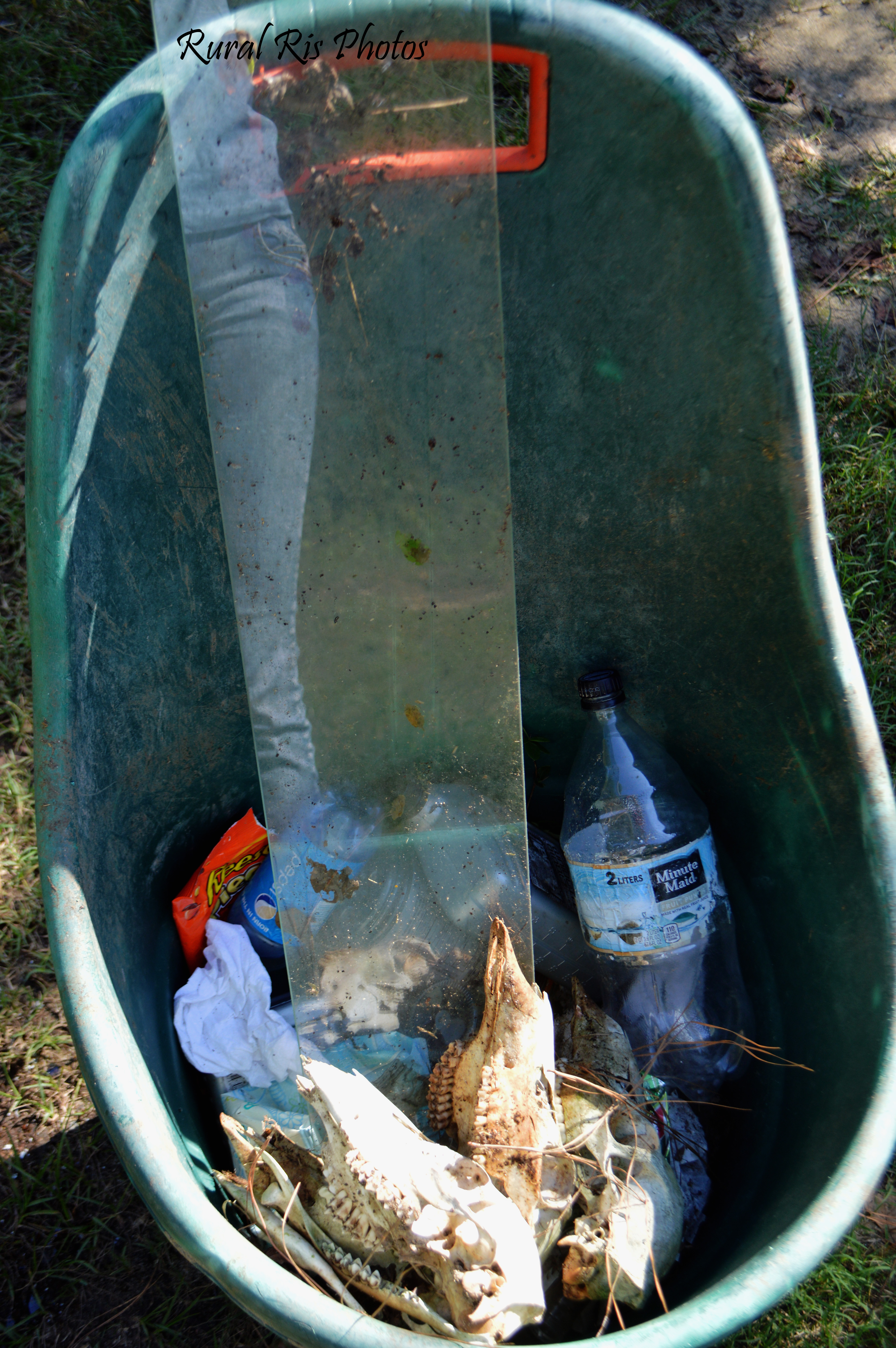
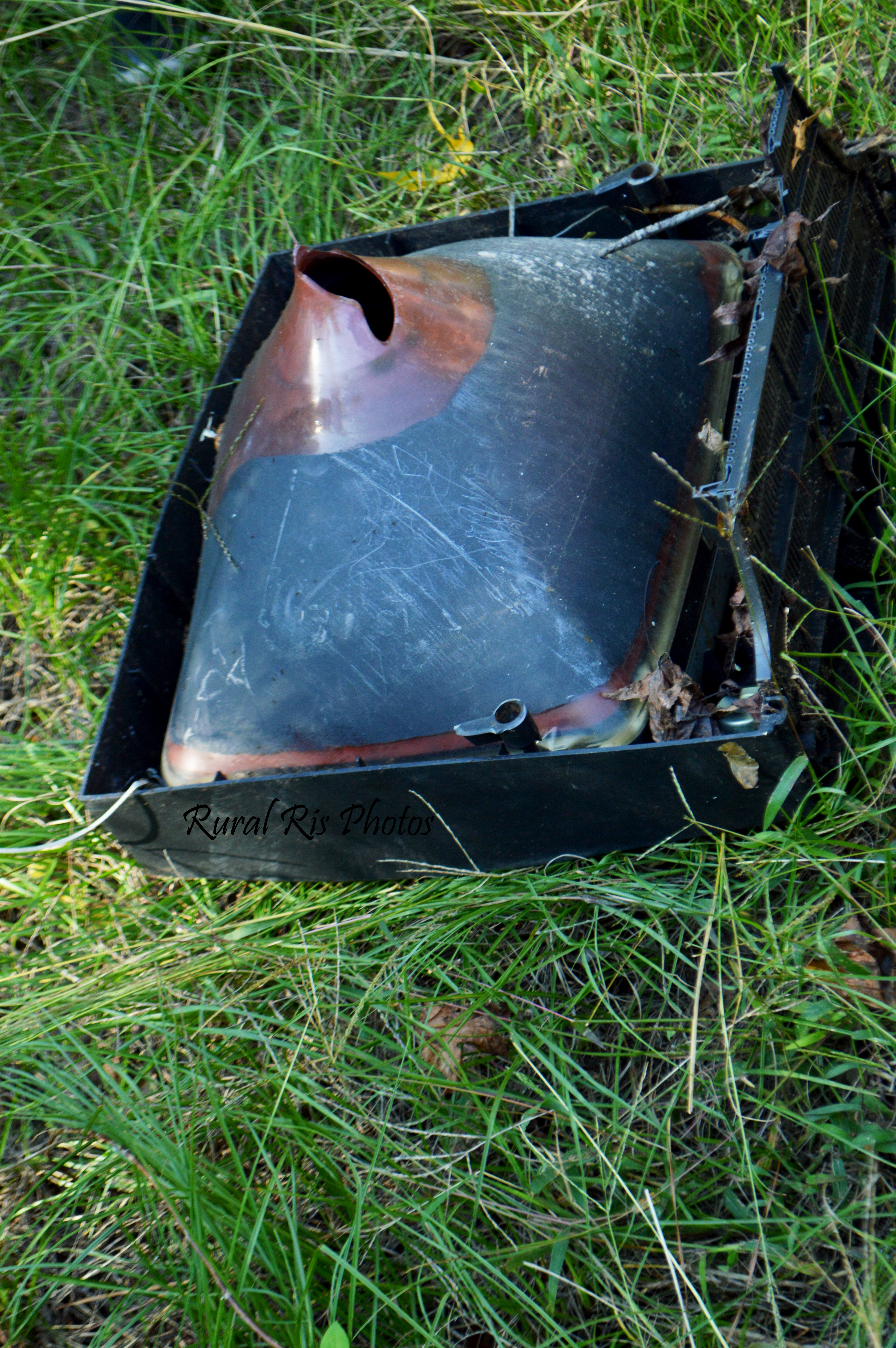
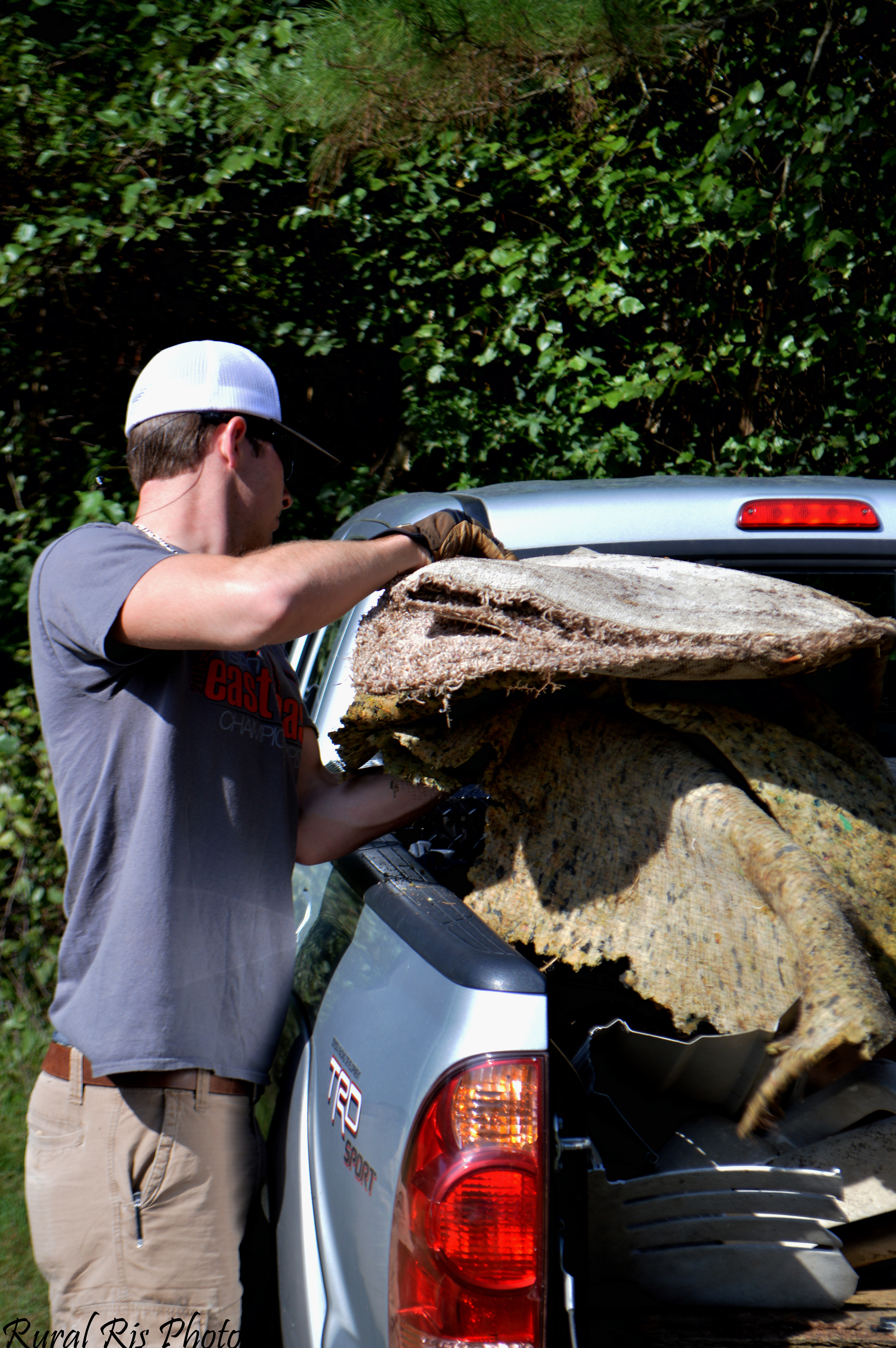
We ended up finding 3 televisions, 1 recliners, a ton of carpet, a nightstand, 12 deer skeletons, like a thousand bottles, a lawn chair, and a host of other things.
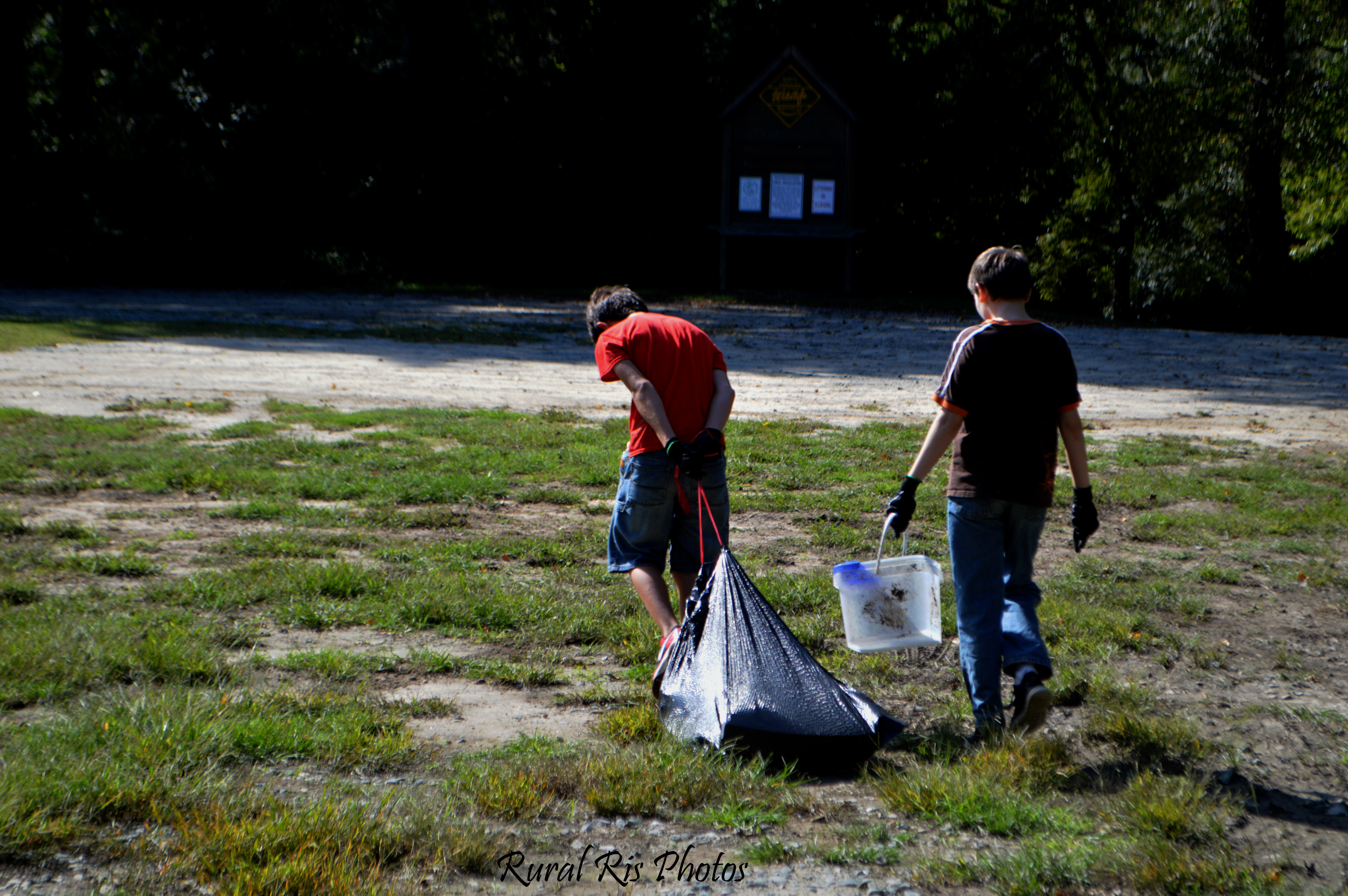
All in all, we collected a grand total of 720 pounds of trash!! Can you believe that?!
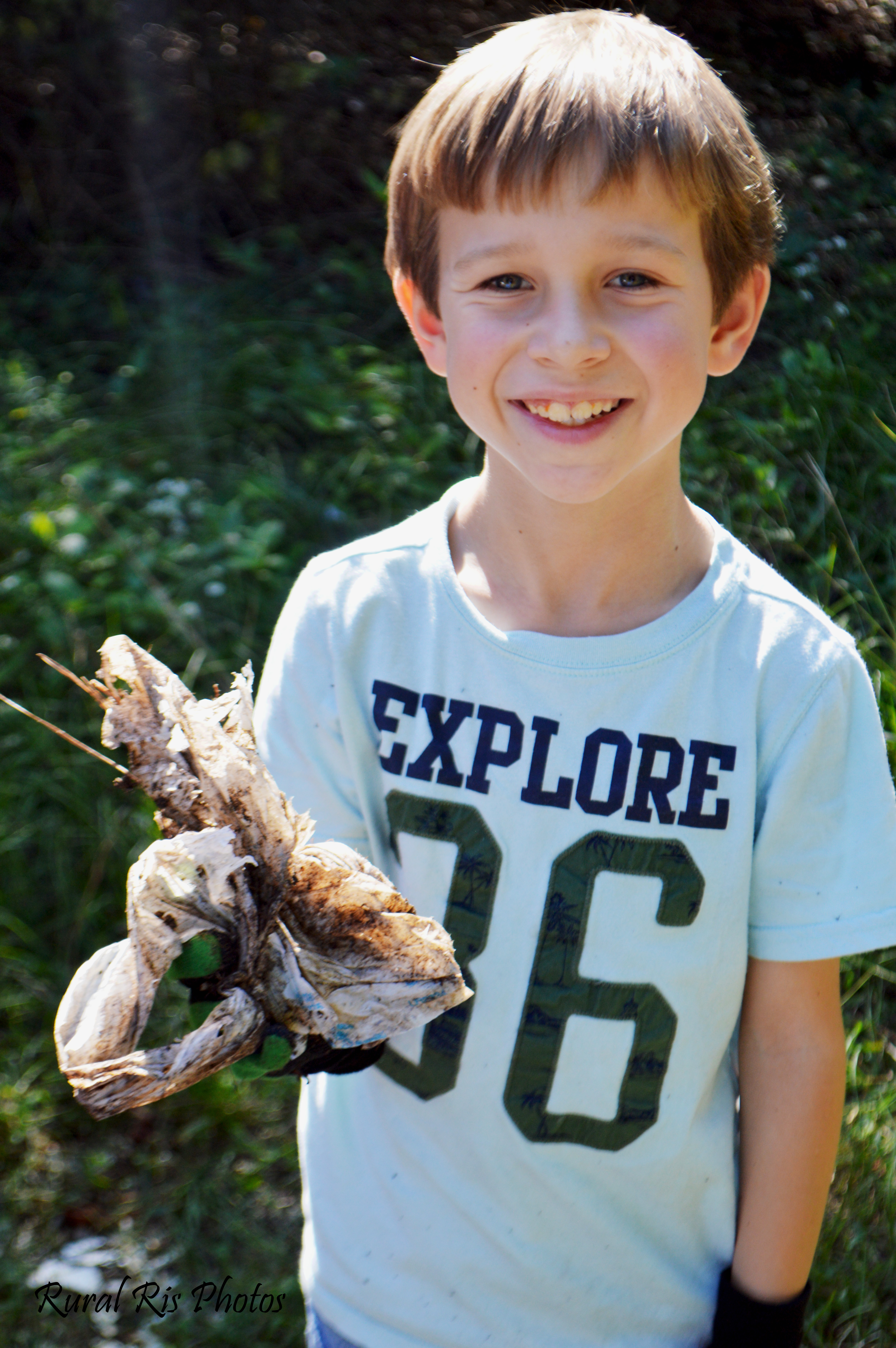
Everyone was such good sports too. The kids actually loved hunting for litter and seeing what they could find. Into the woods they would go, and run out, excited about the virtual living room set they just found.
There was definitely a lot of gross stuff, but in the midst of the trash, there was still God’s beauty. It just needed a little (or rather big) sweep.
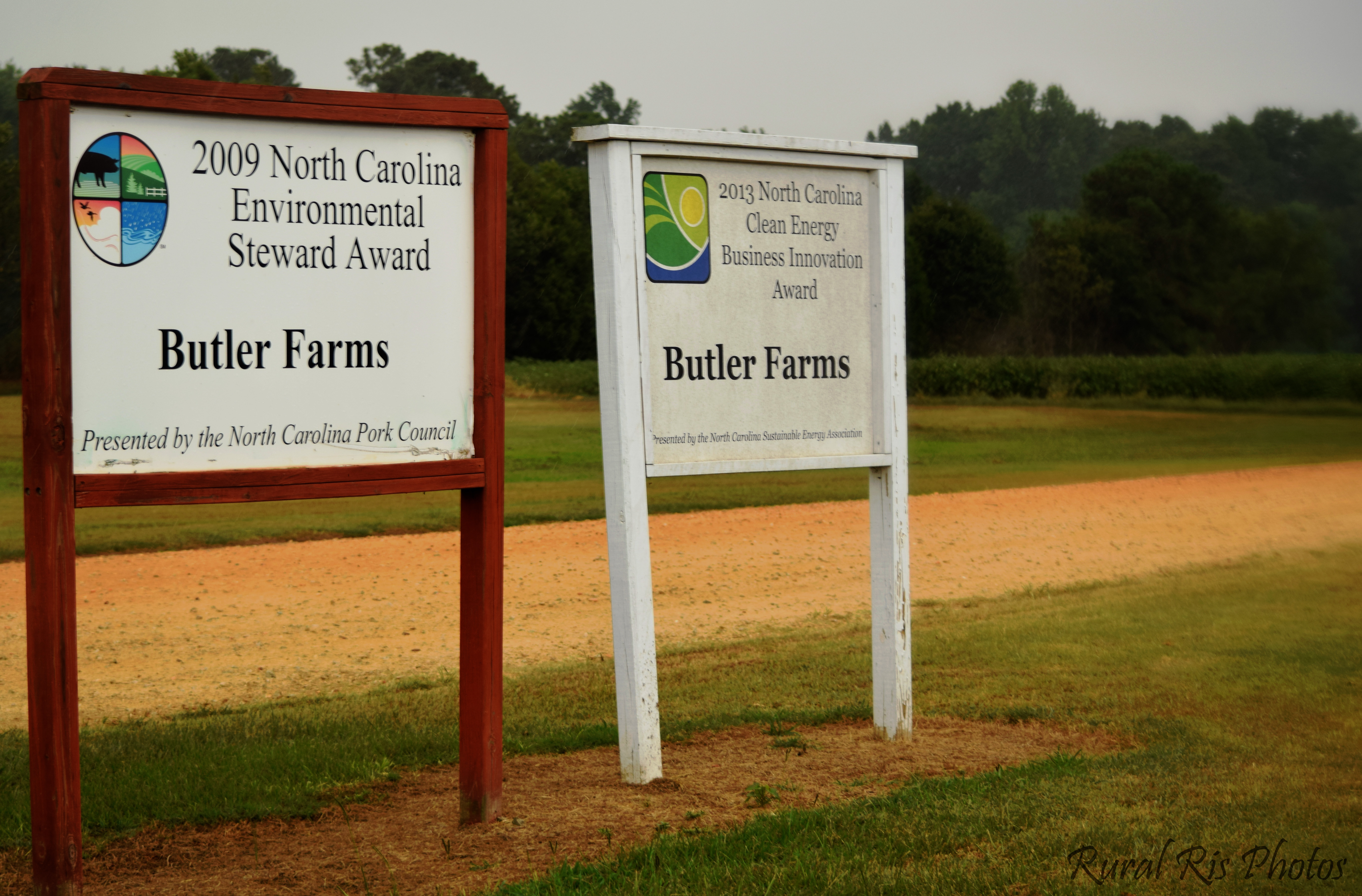
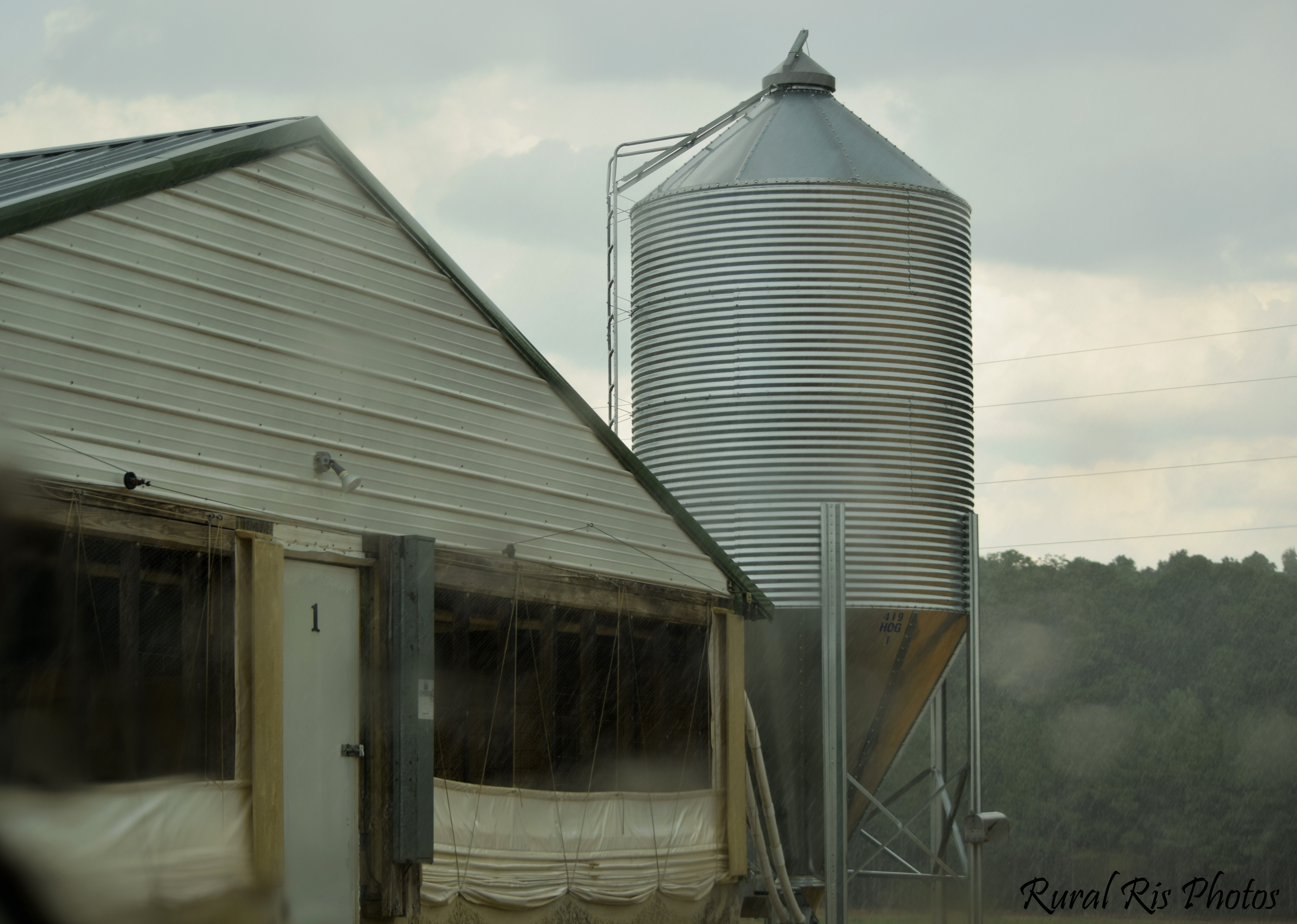
Most hog farms involve a few common key aspects. There is typically a dirt path that leads to hog houses aligned in a row. There are lagoons (waste pits), fields, pumping reels, employees, and of course, pigs! However, I recently visited a hog farm that was a little bit different. It had all the “normals” I would expect in a hog farm– the farmer, pigs, and poop– but there were a few additions too. It wasn’t typical, and yet again it was. The best adjective I could find is futuristic.
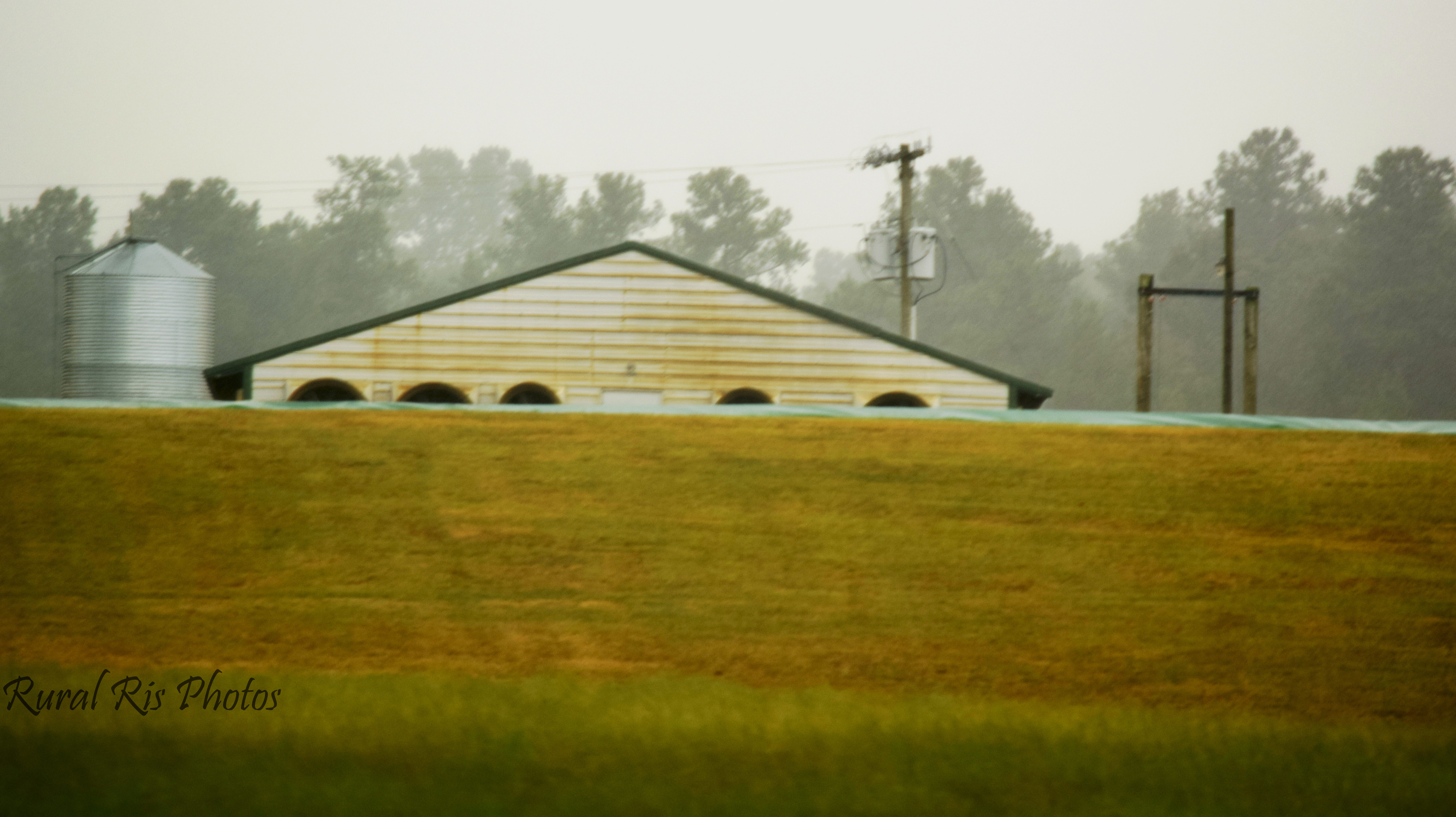
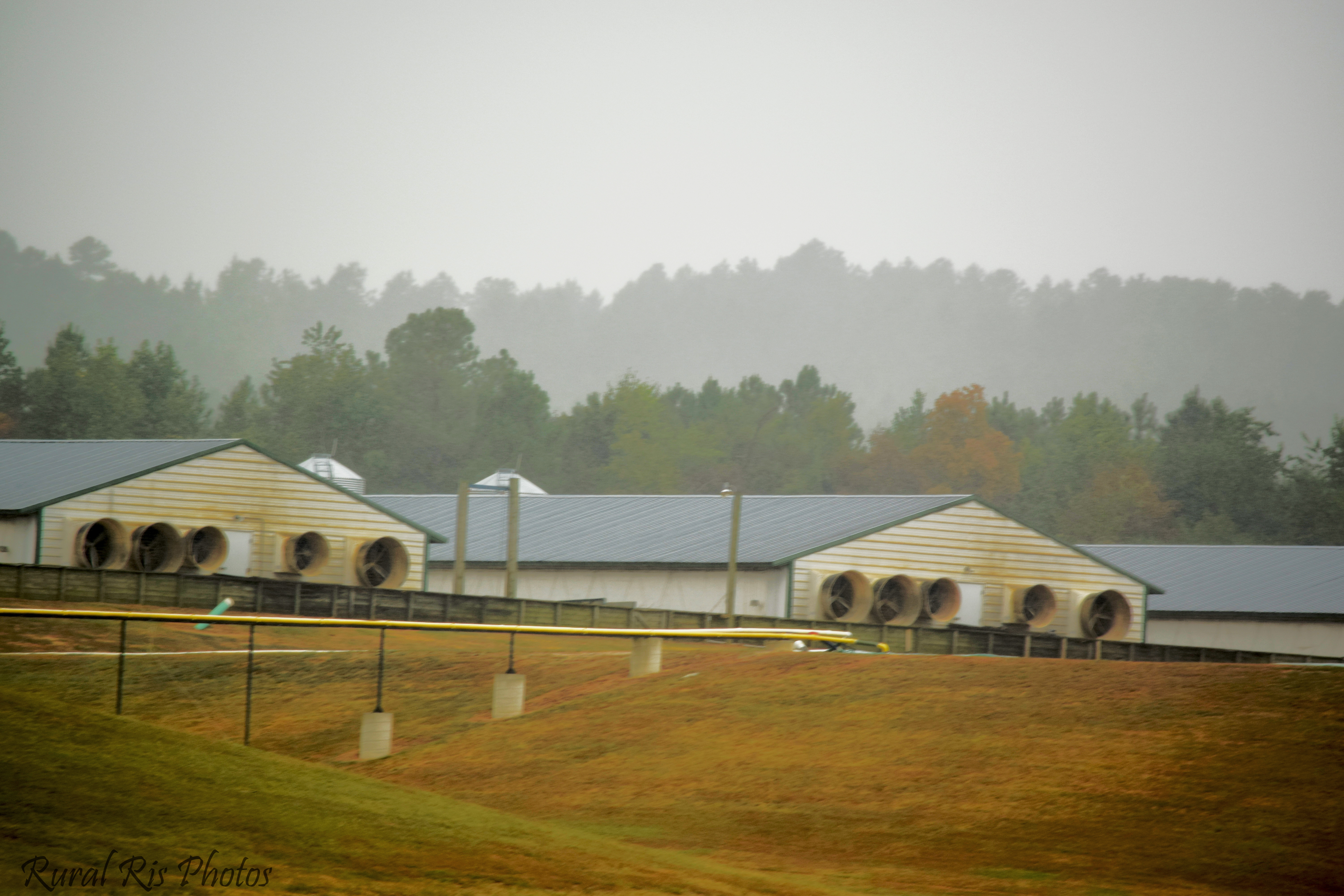
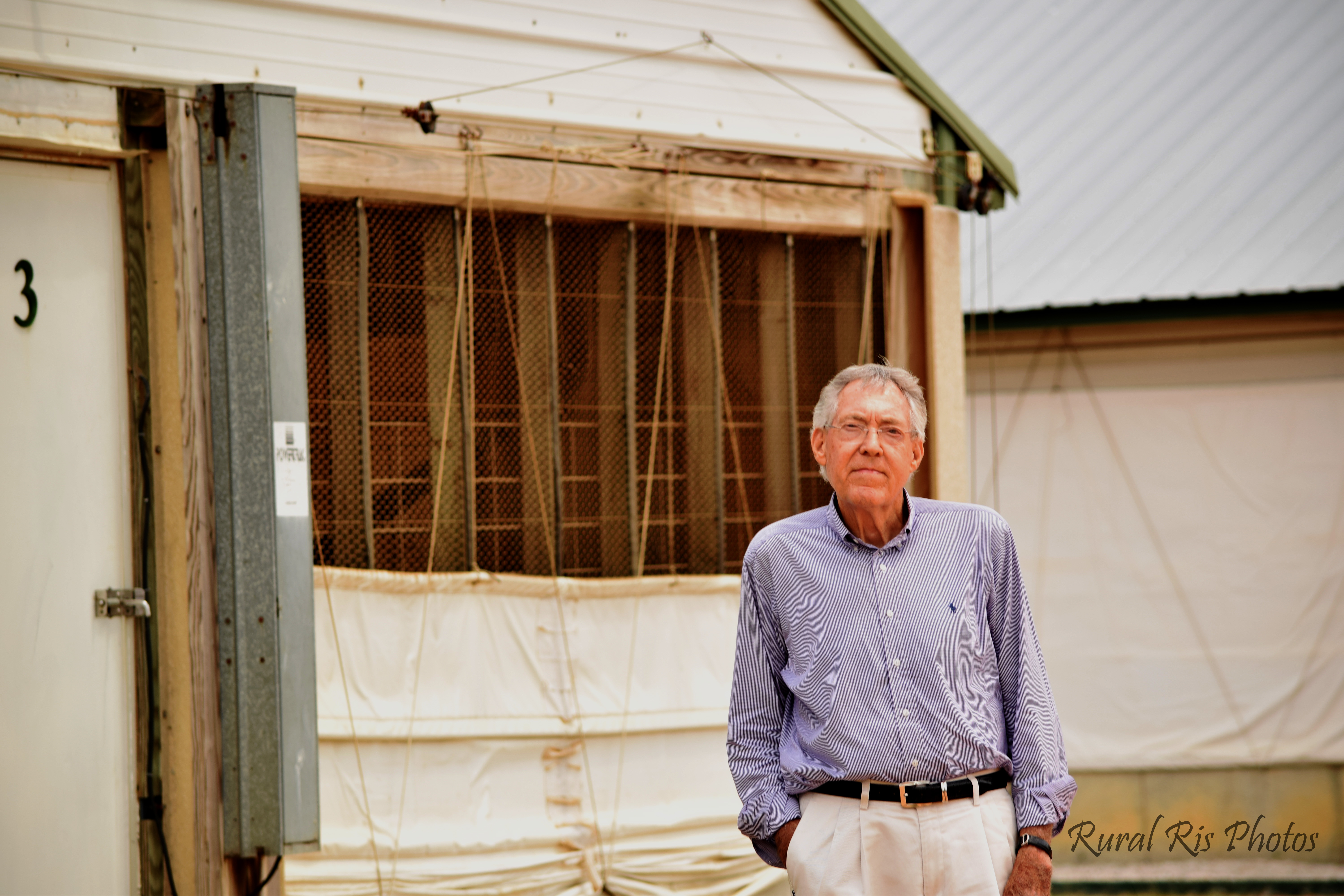
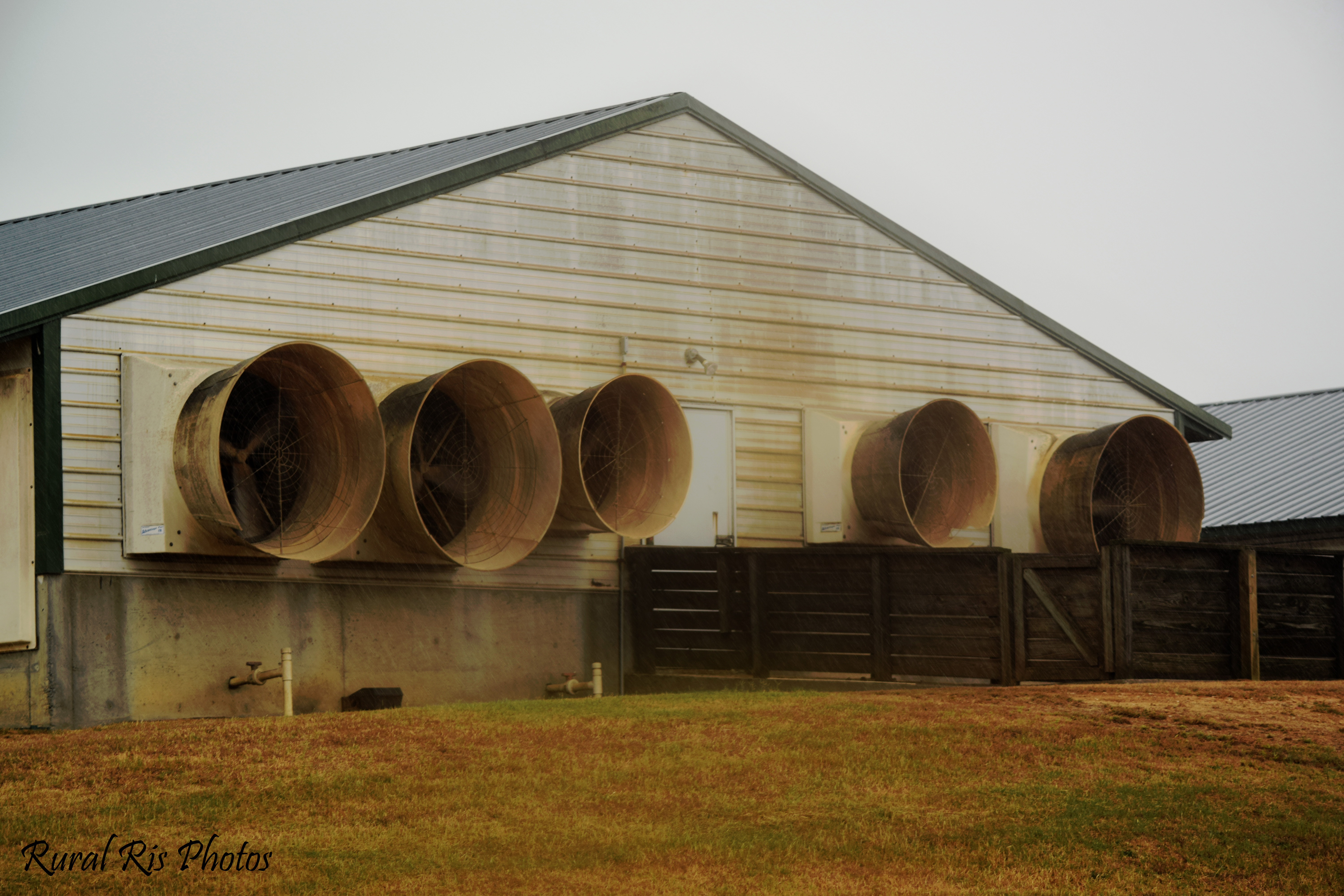
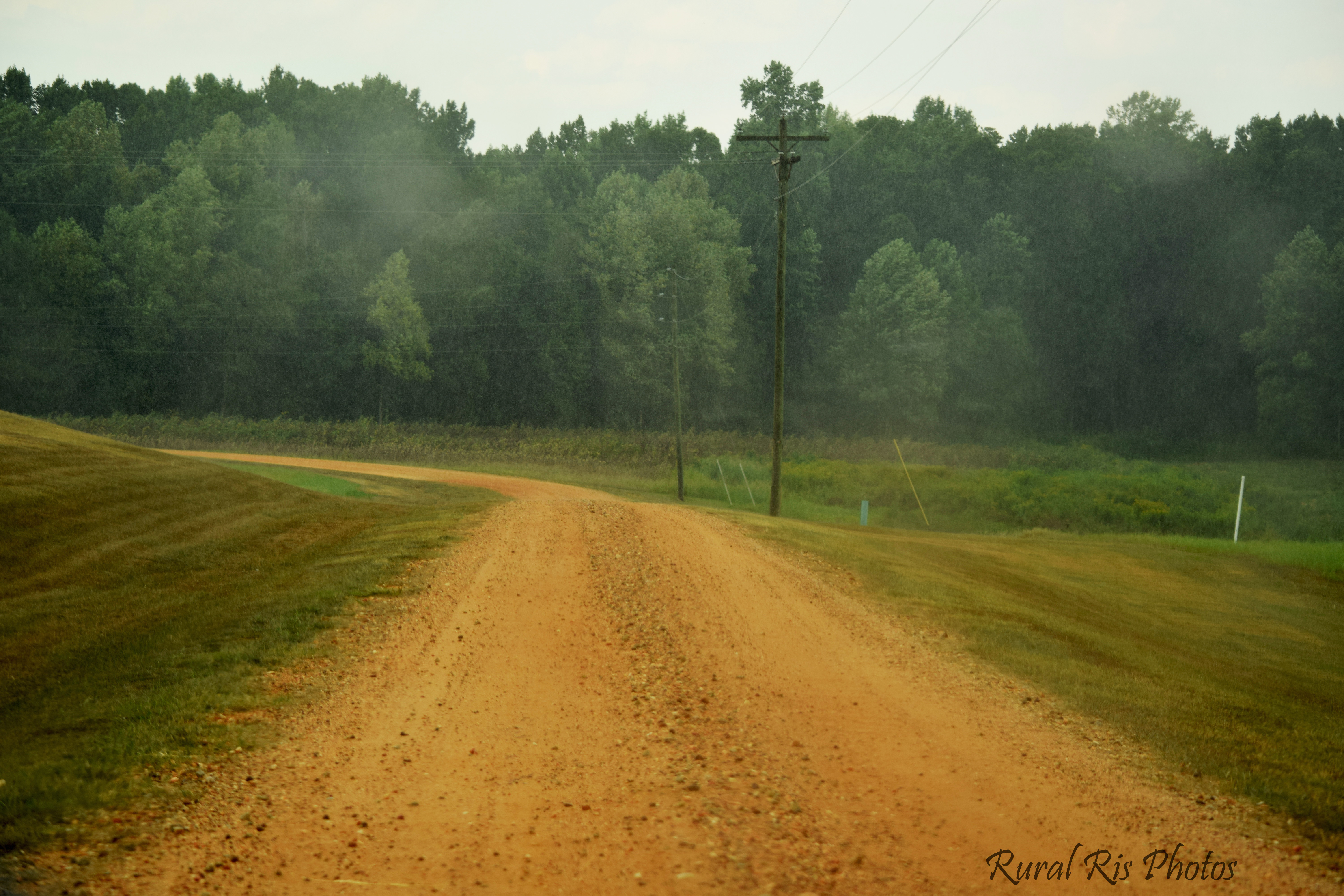
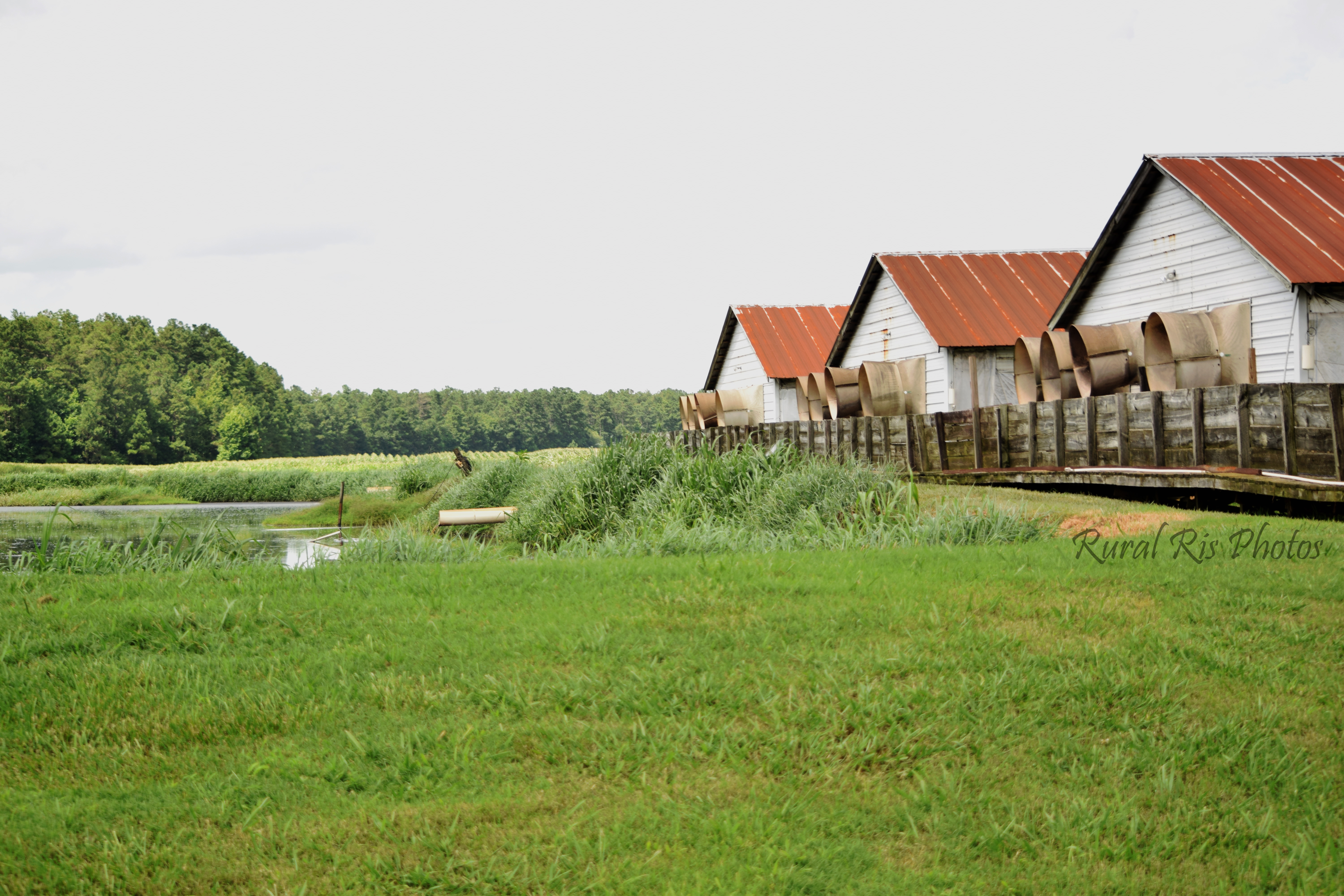
My day started with a drive through my alma mater, Campbell University (always a good day to go through camel country) and then on deeper into Harnett County. I came upon my destination–Butler Farms. Following a long dirt path, rows of hog houses came into view on top of a hill overlooking a field. I pulled in and was greeted by Mr. Tom Butler, the owner of the ten-barn finishing farm.
Originally tobacco farmers, the Butlers decided to build a hog farm. Recognizing the potential for incorporating new technologies on the farm, the Butlers began to research the color green — a greener way of pork production, that is.
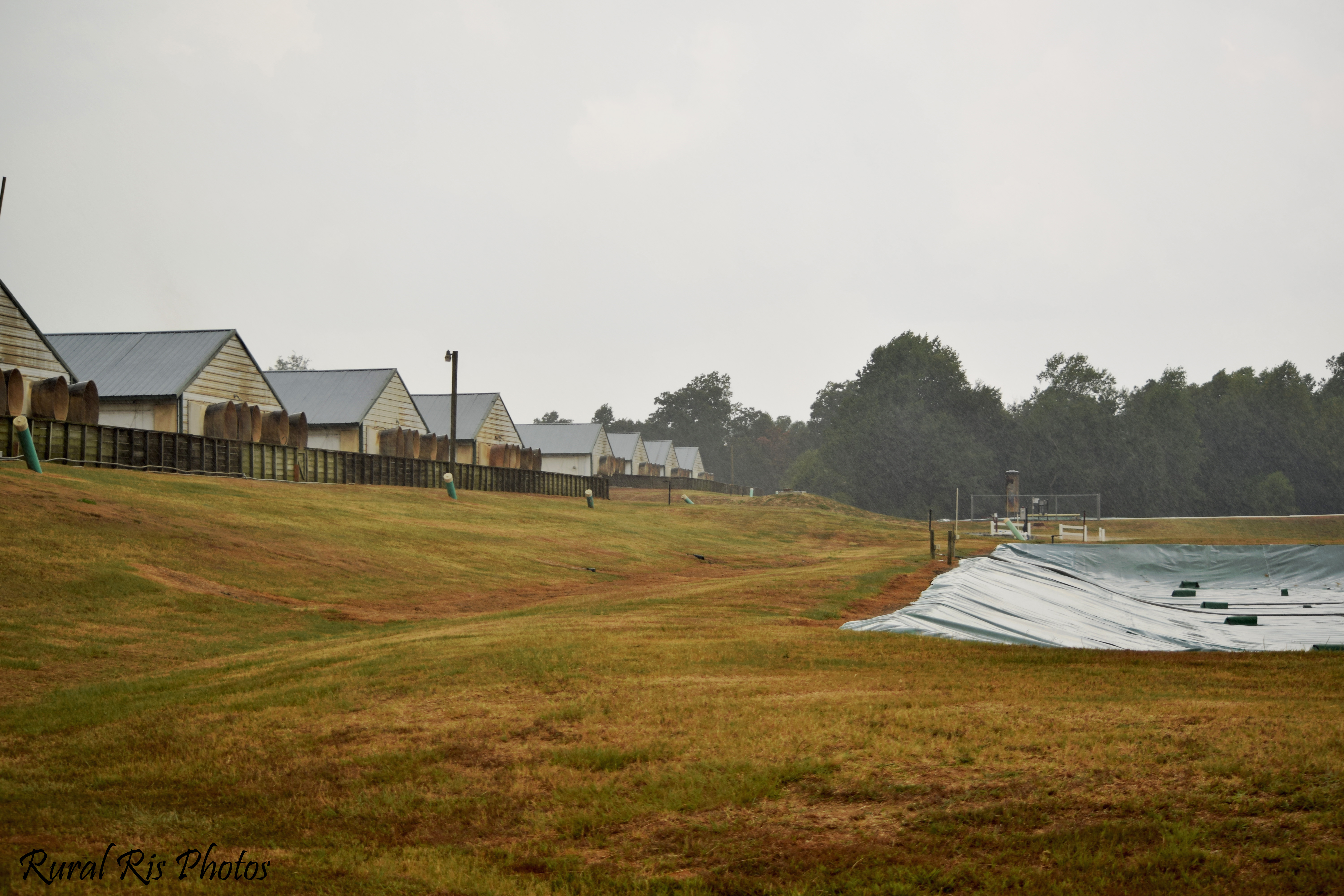
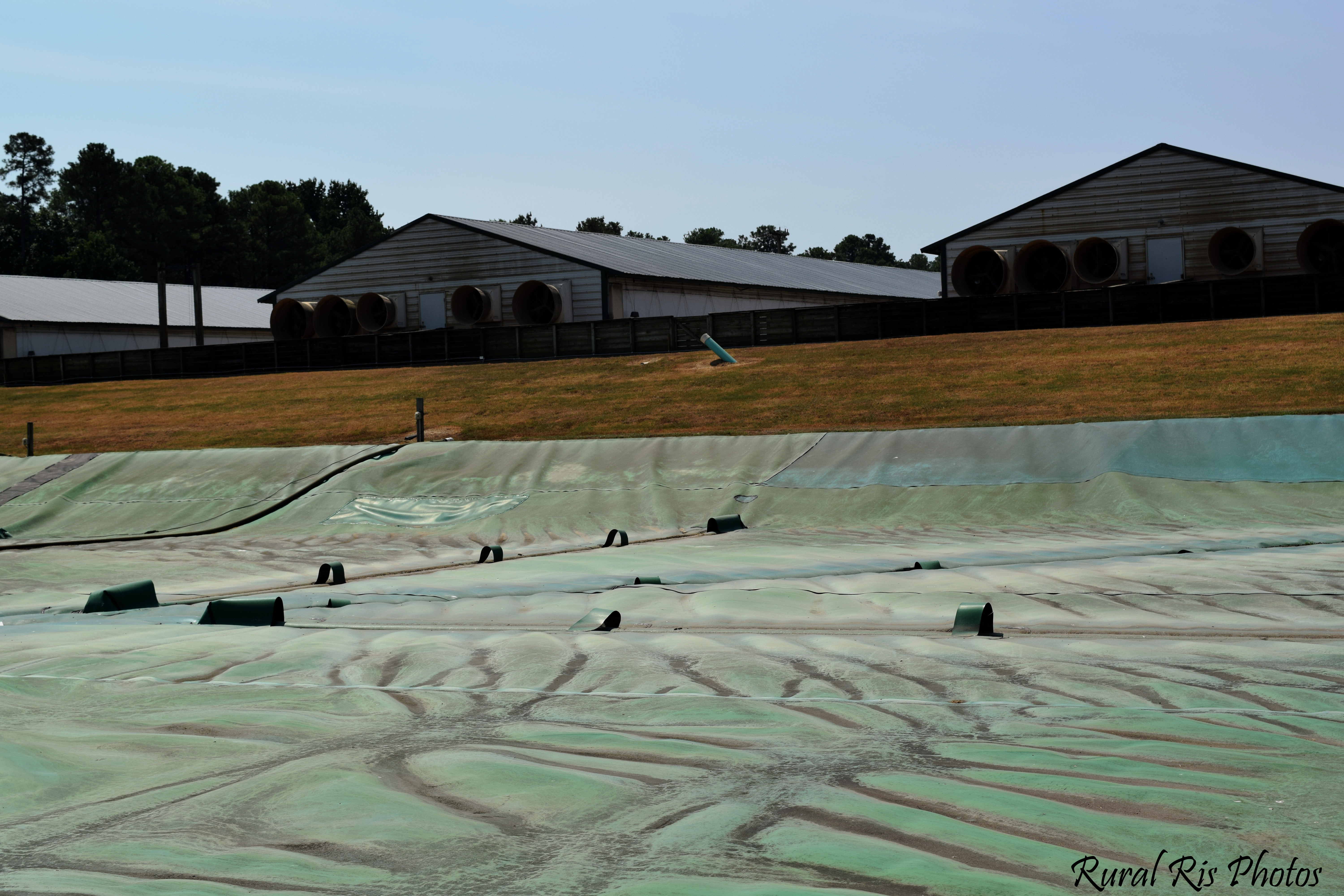
In 2008, the first lagoon cover was installed; a second one was added later. One of the biggest tasks for hog farmers is managing lagoons, especially during wet weather. Lagoon levels naturally increase with the occurrence of precipitation, but lagoon covers help reduce the amount of precipitation that ends up in the lagoons, allowing for more manageable levels. The water that falls on top of the covers can simply be pumped onto crops. Not only do the covers reduce the stress of high lagoon levels, they also reduce 85% of the farm odor. If that isn’t awesome enough, it can also double as a type of trampoline…well sort of. You can walk on top of the cover, which is pretty cool, and yes, I walked on it!
A covered lagoon
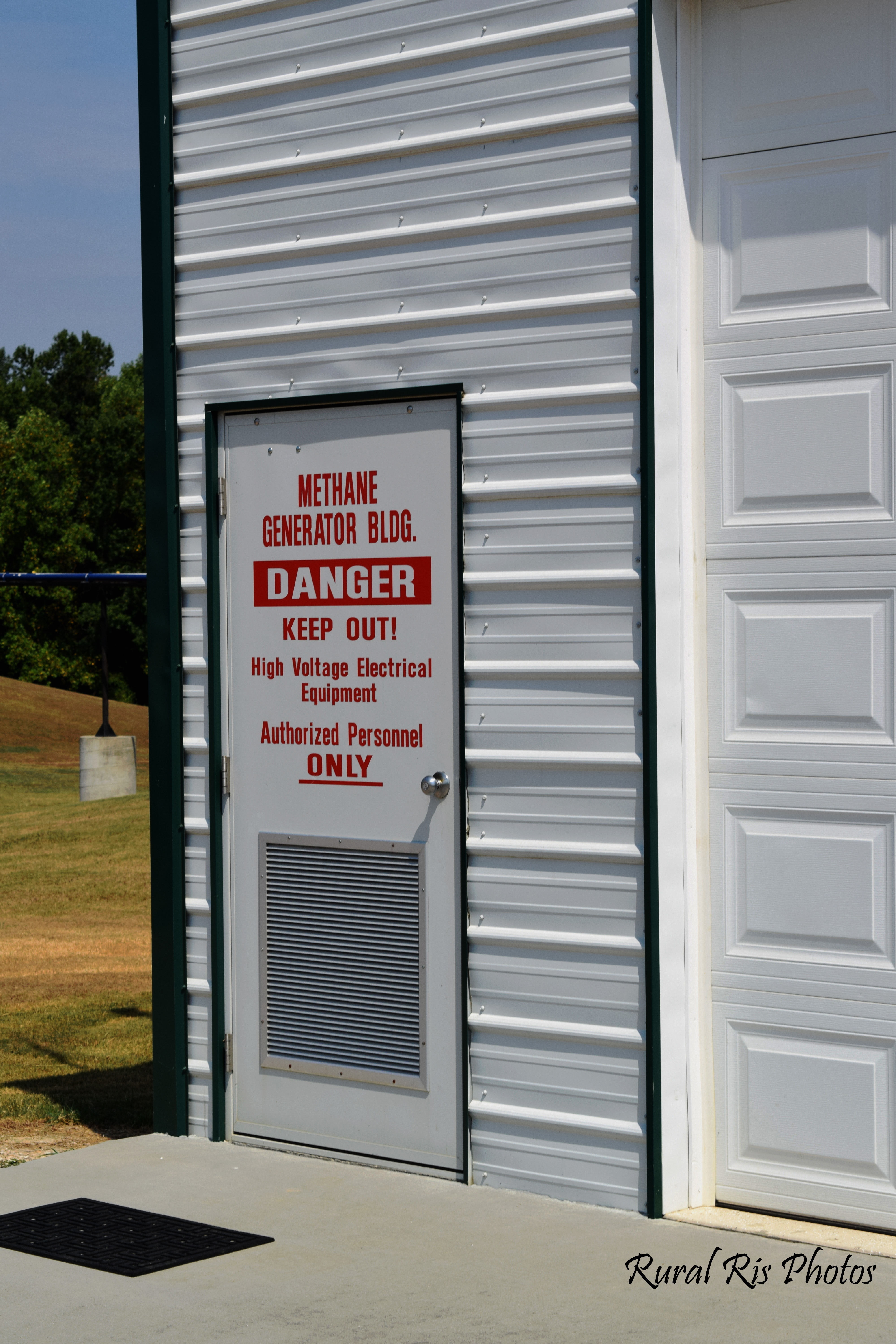
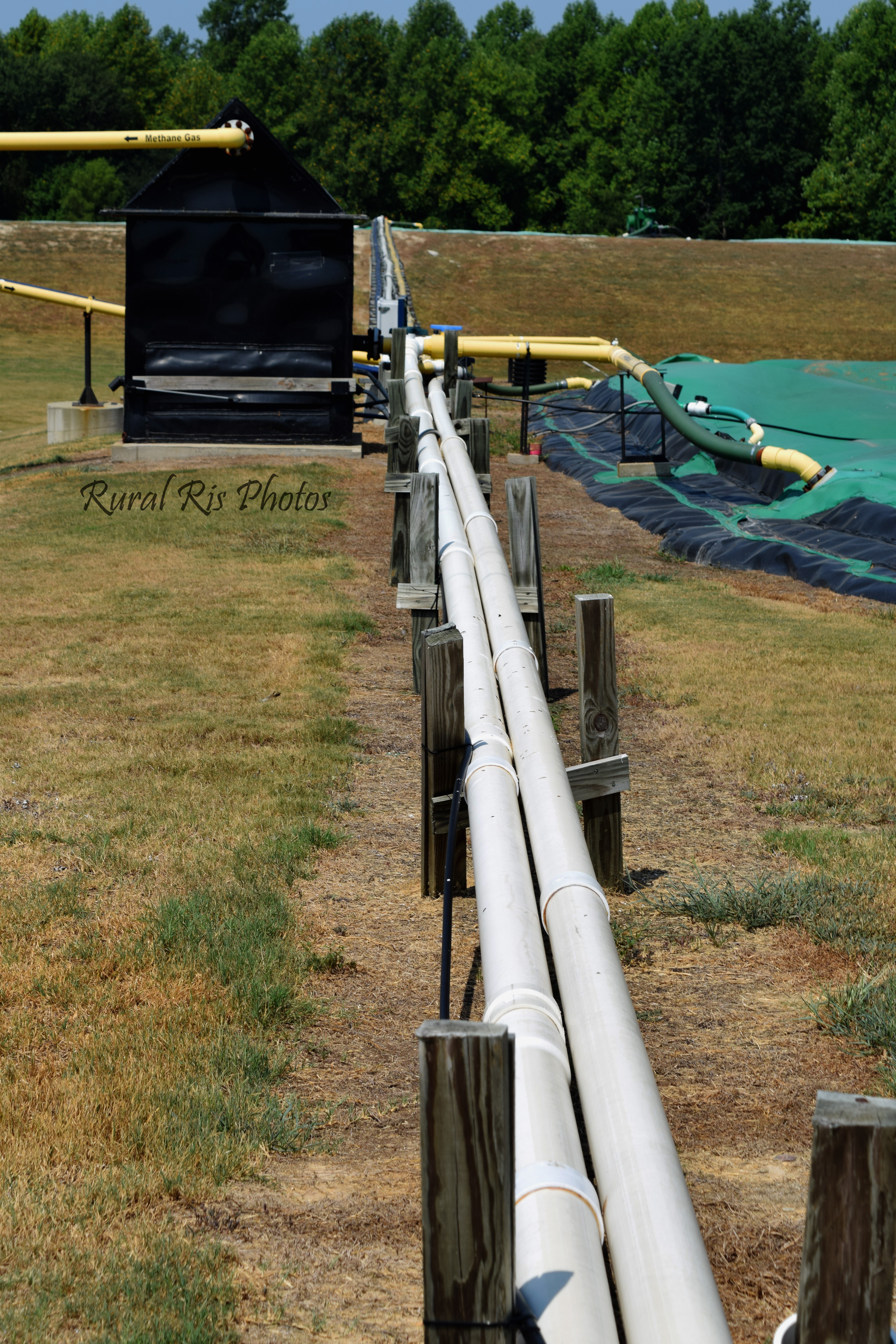
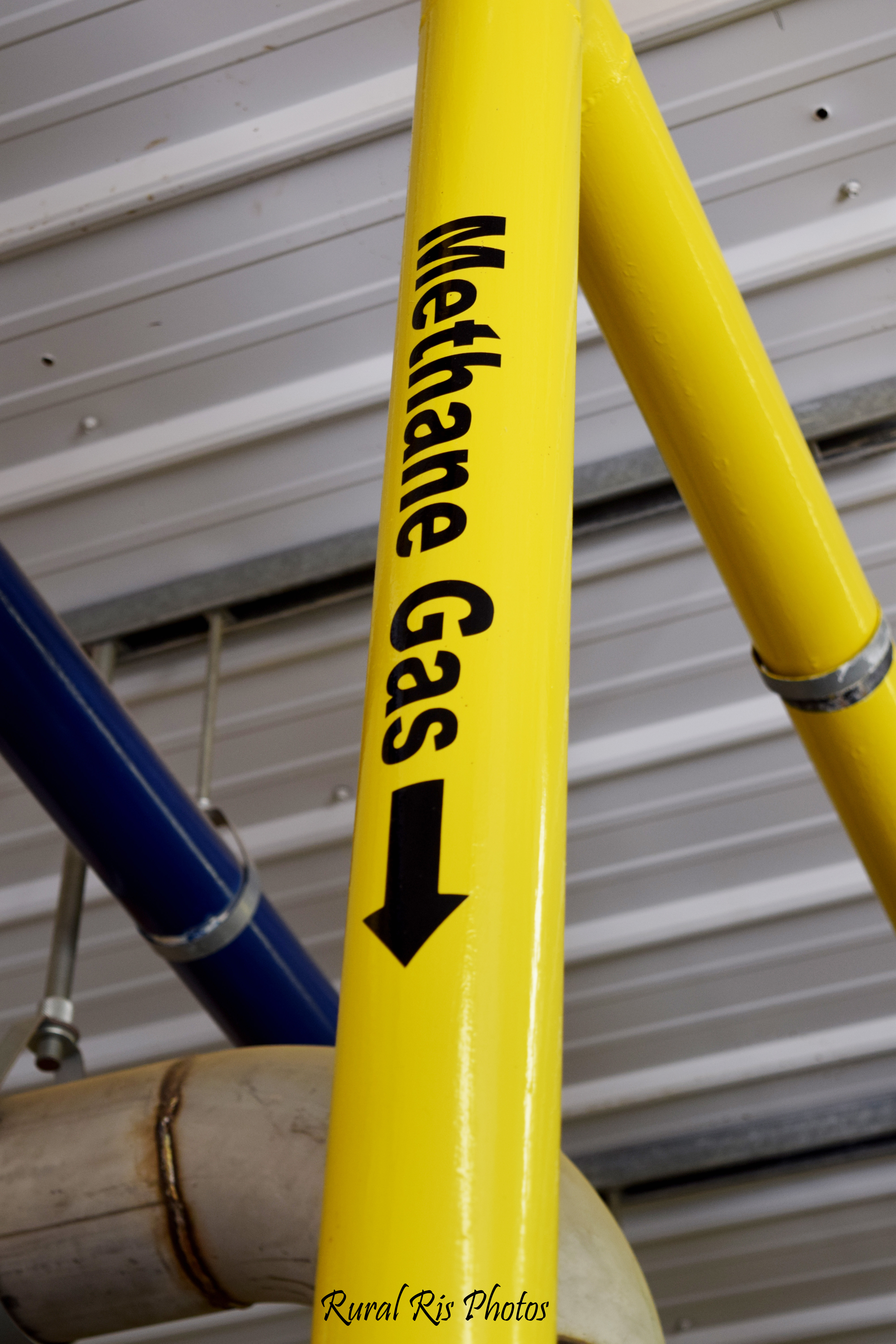
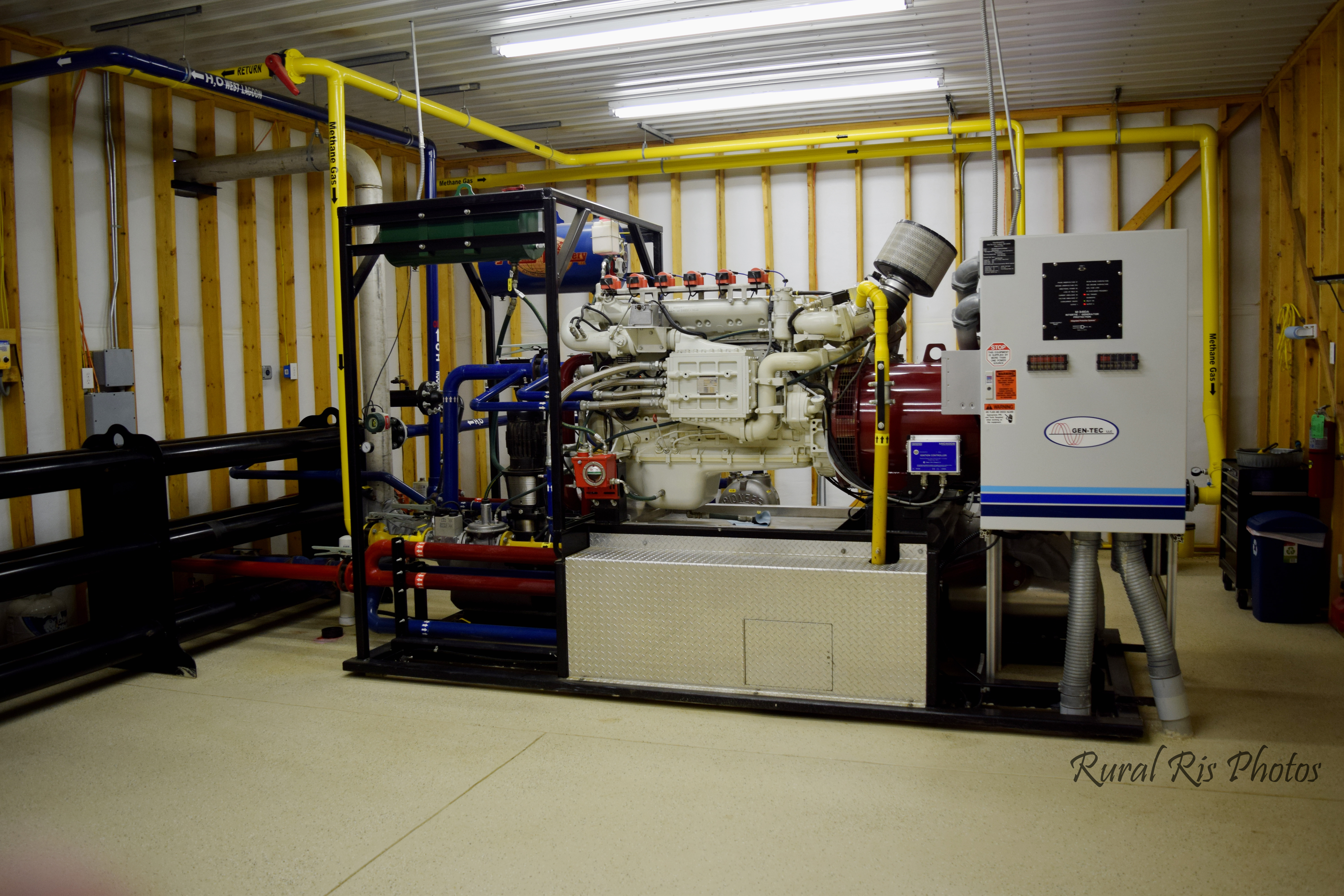
Working in conjunction with the lagoon covers is a digester. The digester stirs waste from the lagoons and builds up bio-gas methane that is then converted into electricity! Pipes take the methane from the digester into a building that houses an engine that runs a 180 KW gen-set. This engine utilizes the methane as its fuel to power the gen-set which produces electricity that is used to power the farm.
In addition to the methane run gen-set, Mr. Butler has also installed solar panels to add to the electricity production. The farm produces enough electricity to not only run the farm, but to also provide excess electricity which can then be sold to South River Electric Membership Cooperation.
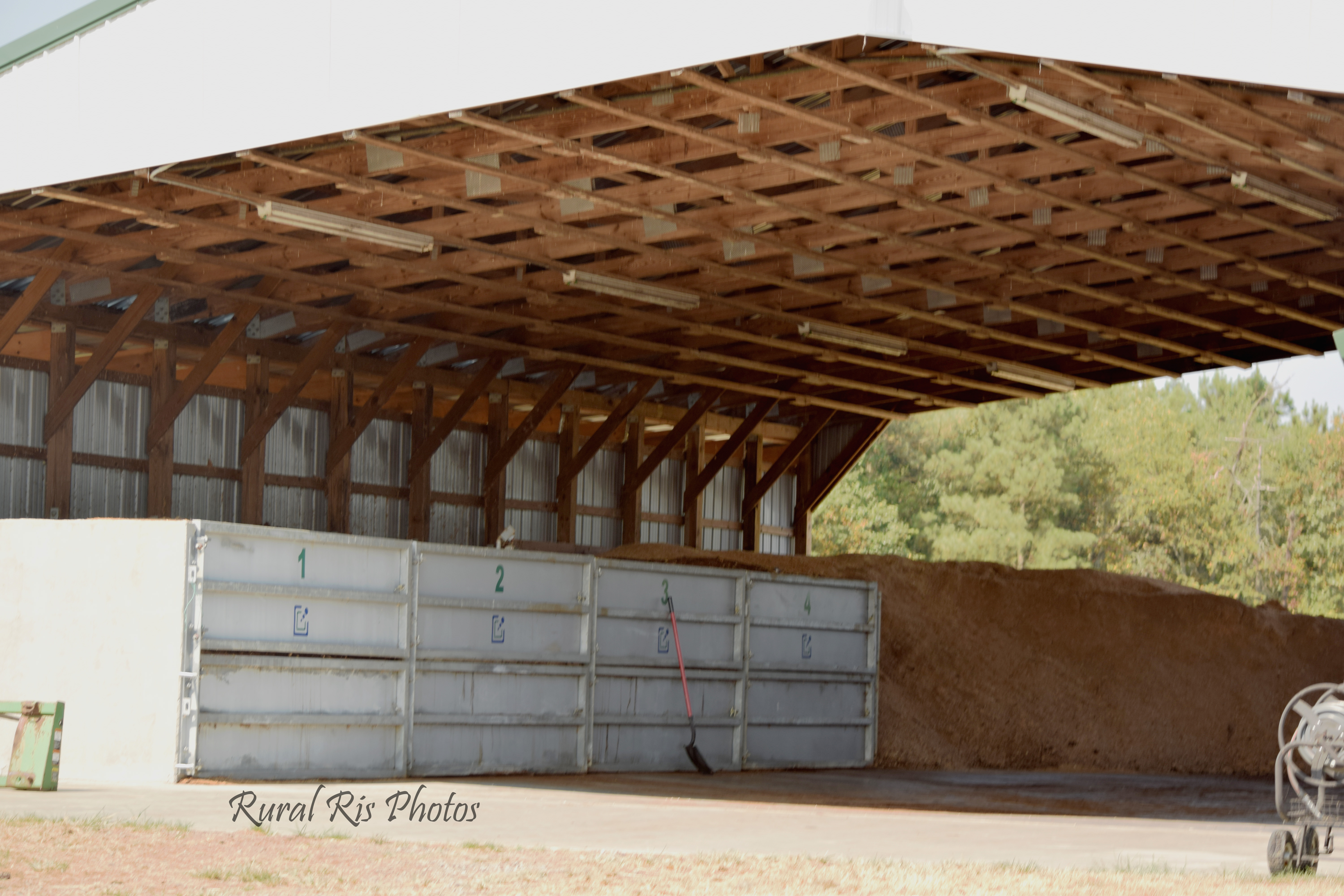
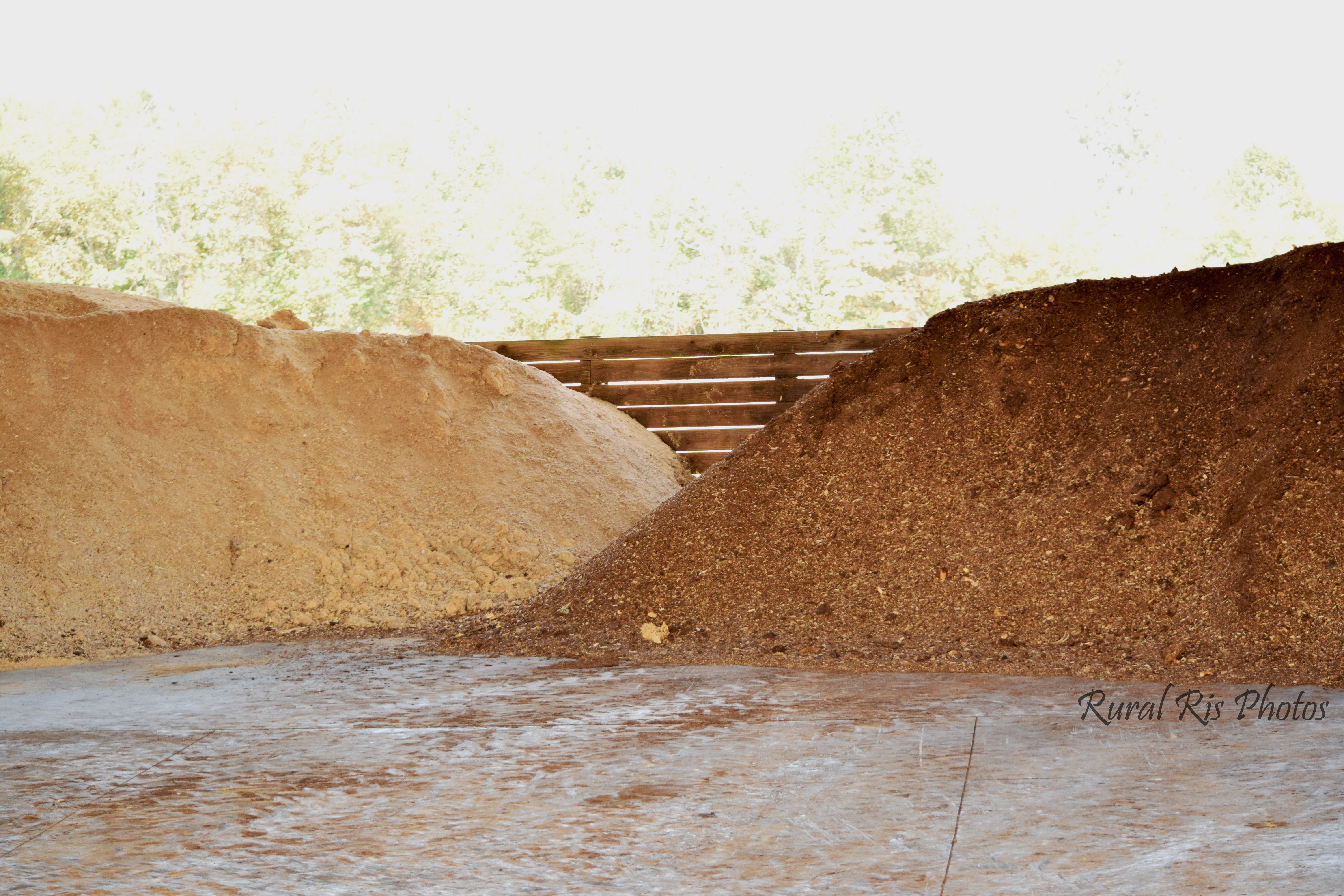
A final section of the farm is the composter. On a farm, it is inevitable that death occurs. On the Butler farm, any mortality is sent to the composter to be turned into fertilizer. The compost is mixed with wood chips to make the fertilizer that is spread on the fields.
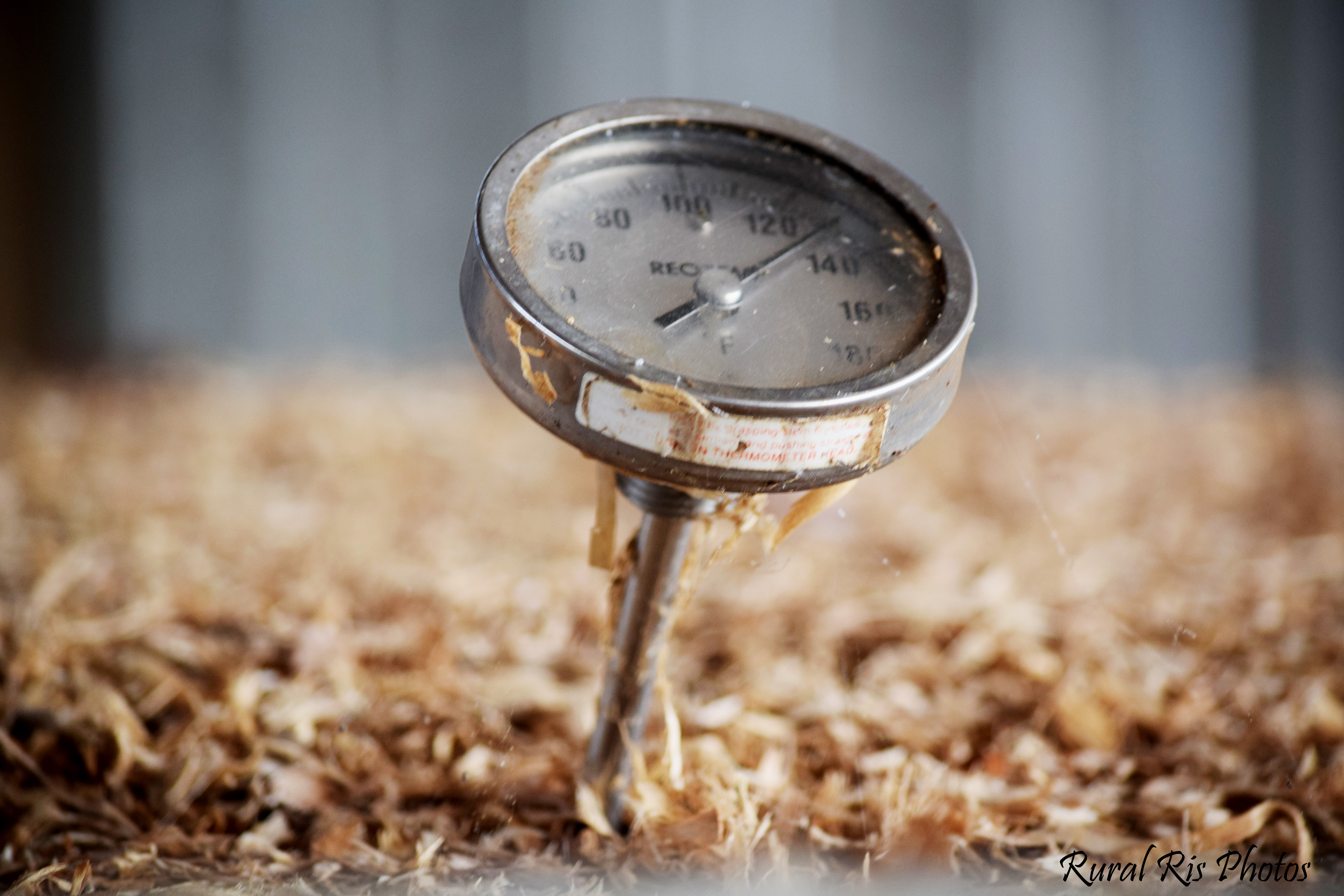
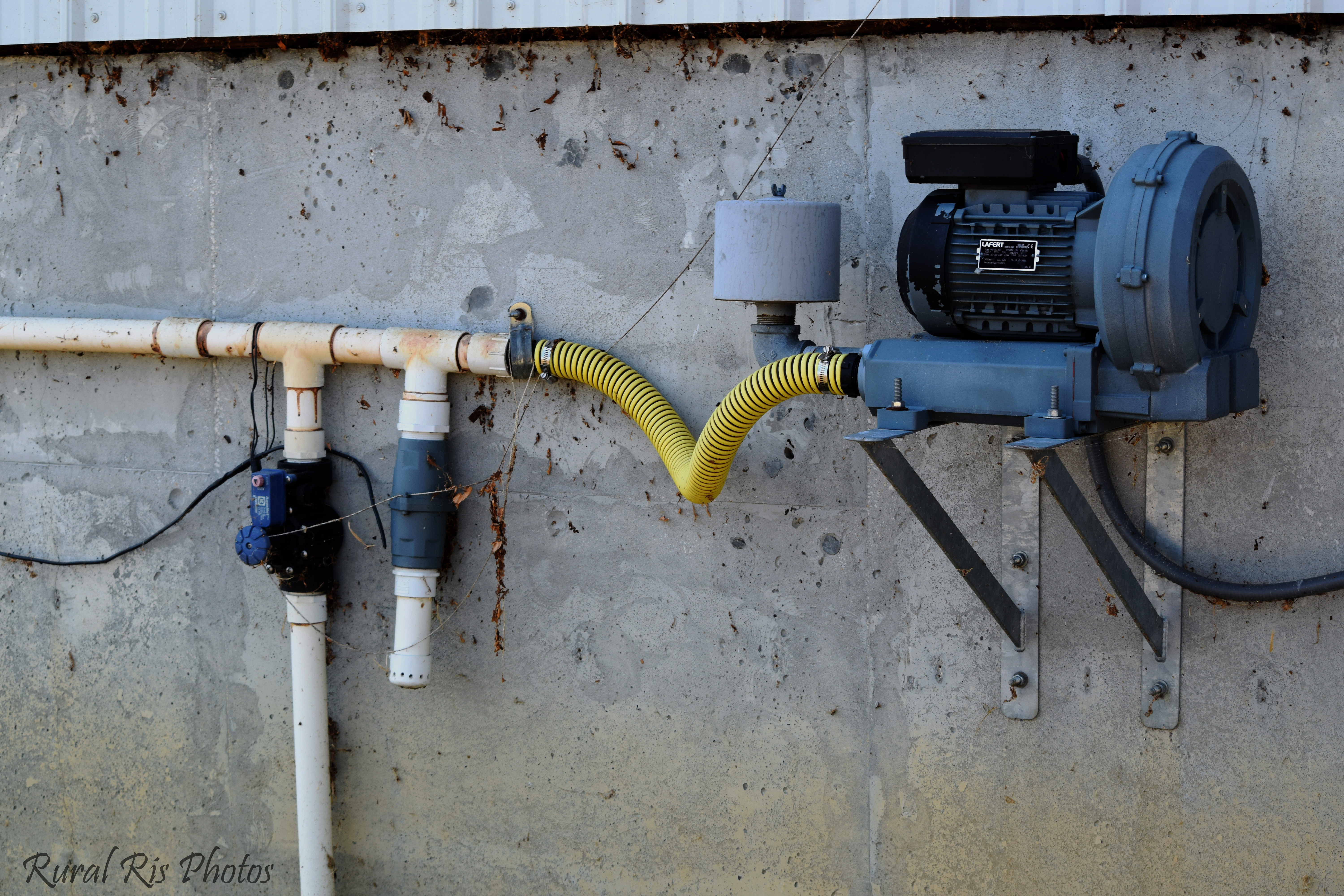
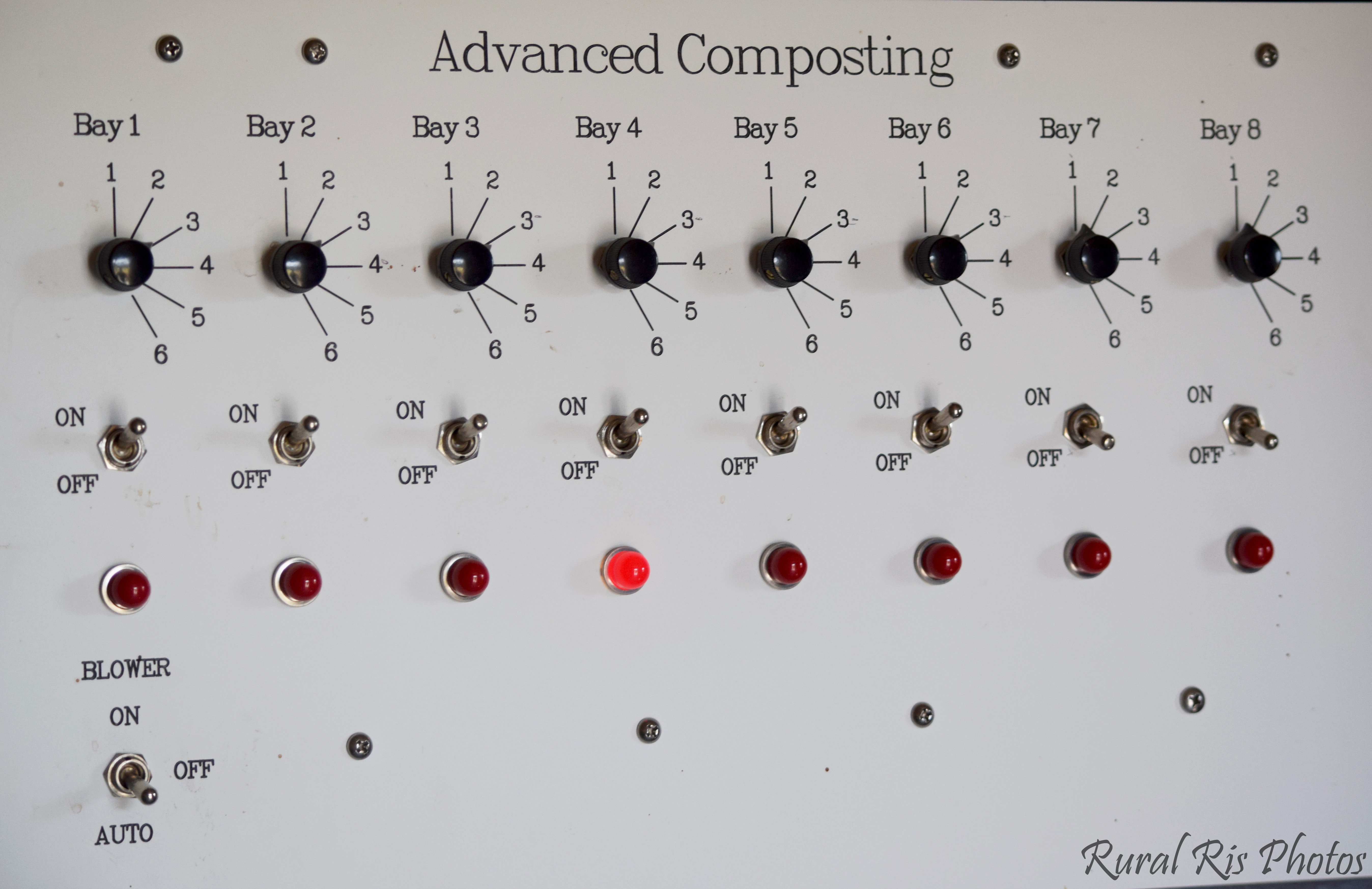
To keep the fertilizer as nutrient rich as possible, it must be kept at a specific temperature. Anything higher than 160 degrees, and the fertilizer will begin to lose nutrients, so keeping a steady temperature is imperative. This is accomplished with air that is circulated through pipes at the bottom of the pile of fertilizer. Not much goes to waste on the Butler farm.
Part of the machinery that runs the air flow in the composterThe control panel that manages the air flow in the composter
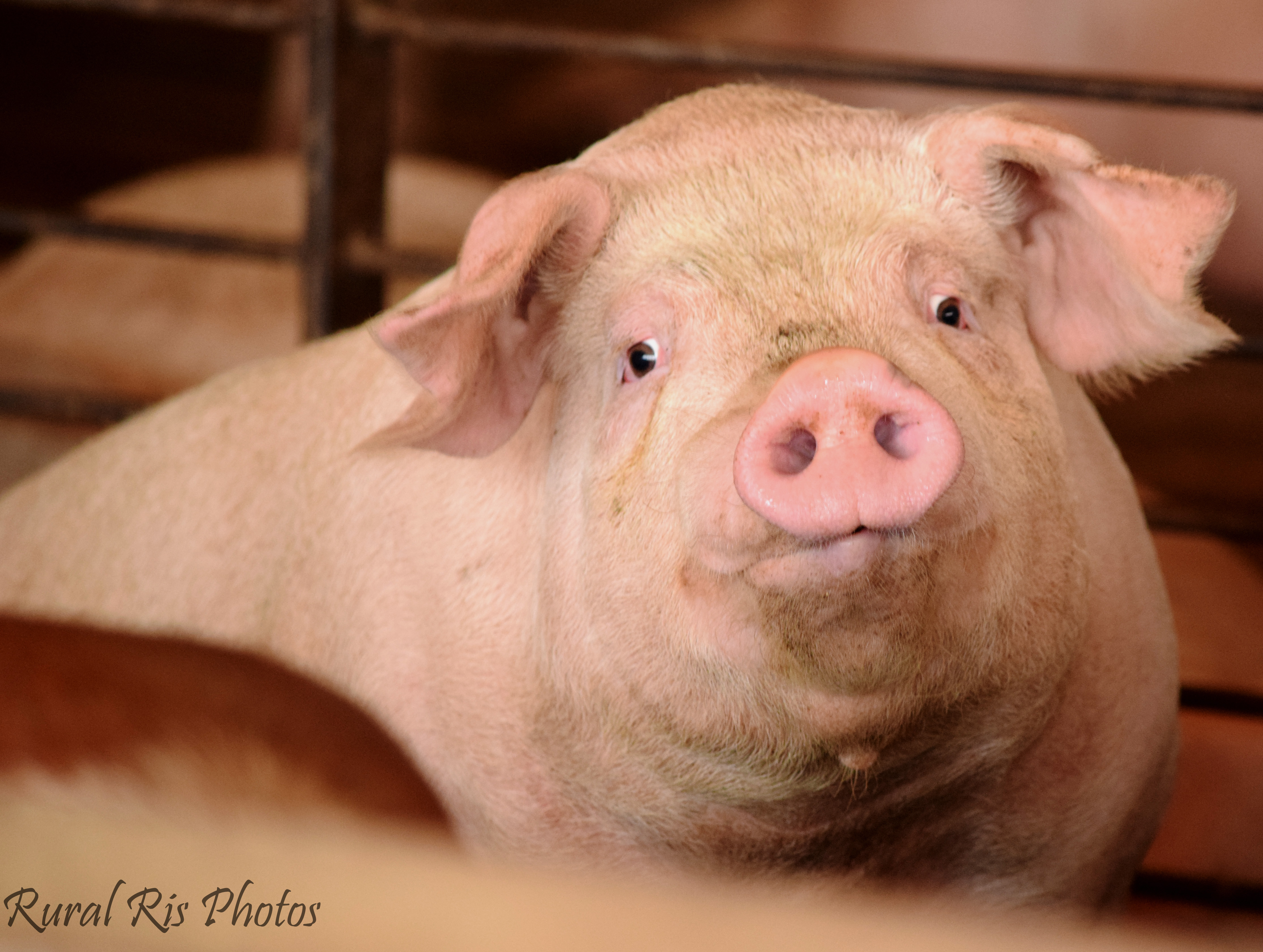
Of course, I couldn’t walk away from the farm without seeing some of the 7,800 pigs on the property. After all, they are my favorite farm animal, not to mention the money-makers. For the Butlers, they are not only the bacon, but they are the “poopers” that make bio-energy.
So, there you have a virtual tour of Butler Farms. What you haven’t seen yet is the passion behind the technology.
I spoke with Mr. Butler about his farm and why he wanted to incorporate so much technology. He shared with me that his motto is “A green farm for a green future.” It doesn’t take long to identify Mr. Butler’s dedication to following his motto. To couple with his desire to be green is his passion for science and technology. I had to frequently stop a discussion to ask questions about some complicated concept , but Mr. Butler knew the ins and outs of it all.
Mr. Butler was able to implement much of his technology through grants. He is a huge advocate of installing lagoon covers and other technological advances in other farms across the state. He hopes to see a day when his farm is not the future but the norm, and he never skips an opportunity to share his knowledge and ideas with others. Mr. Butler is very open to visitors and tours of his farm. University groups have spent a great deal of time at his farm running experiments, and he has spoken with and given farm tours to politicians, international persons, and various organizations.
The Butlers hope to one day see more farms across North Carolina and the nation implement similar technologies; however, it will take time. These new ideas are not perfect and are costly, but they hold much promise. Mr. Butler is dedicated to constantly improving. He researches a great deal and is already making plans for further improvements.
Butler Farms, in many ways, is a typical hog farm. The name of the game is pigs and poop, and doing that responsibly and well. However, Butler Farms is more than typical. They are innovative and, dare I say, futuristic.
I truly enjoyed my time at Butler Farms learning about the technology, walking on a lagoon, and talking pigs in the farm office. A huge thank you to Mr. Butler, his son Will, and the rest of the crew at the farm for sharing their time with me.
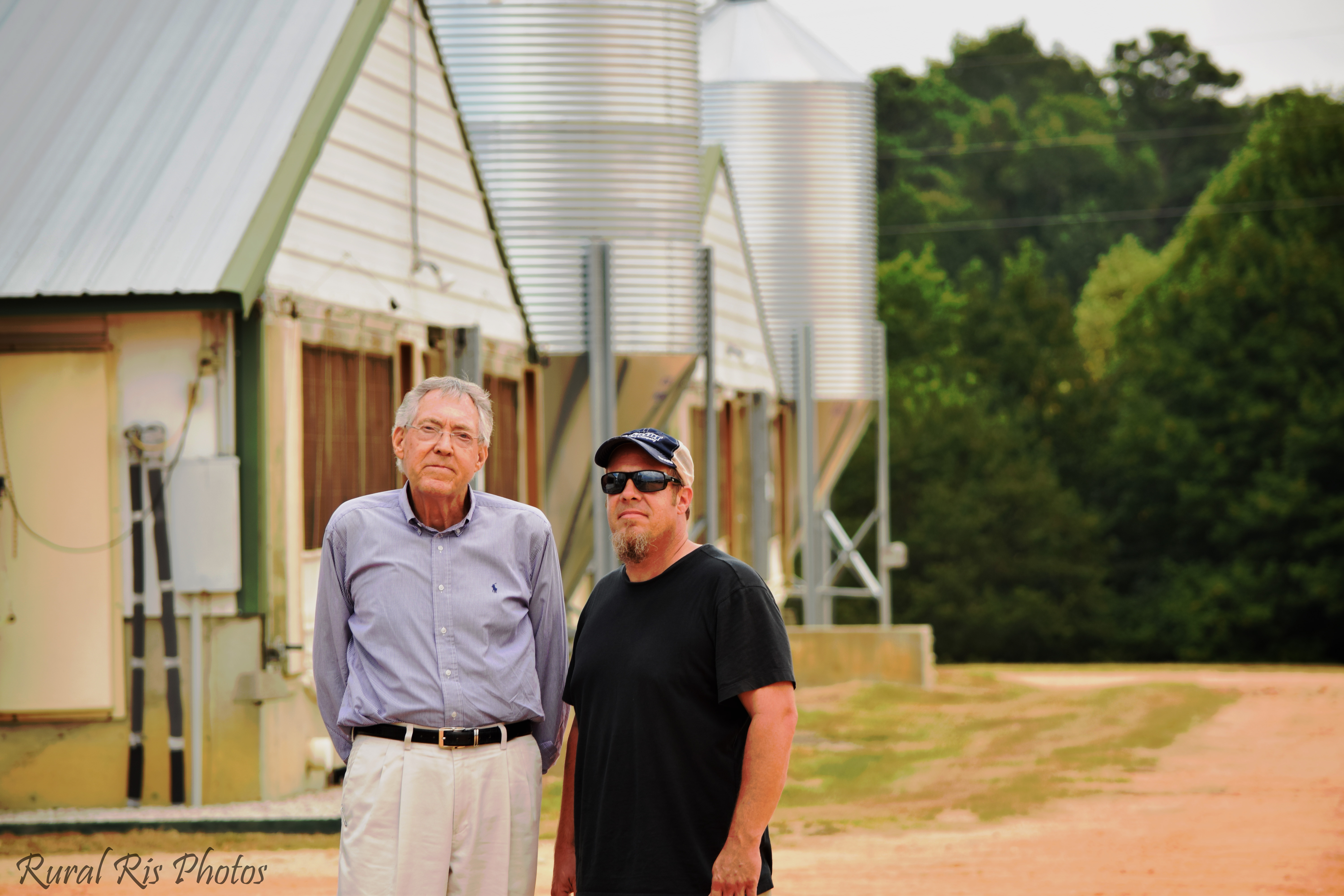
Tom Butler is left and Will Butler is right
As I drove back down the dirt path to leave the farm, it started to rain. I couldn’t help but think of the technology that would provide a barrier between the rain and those lagoons.
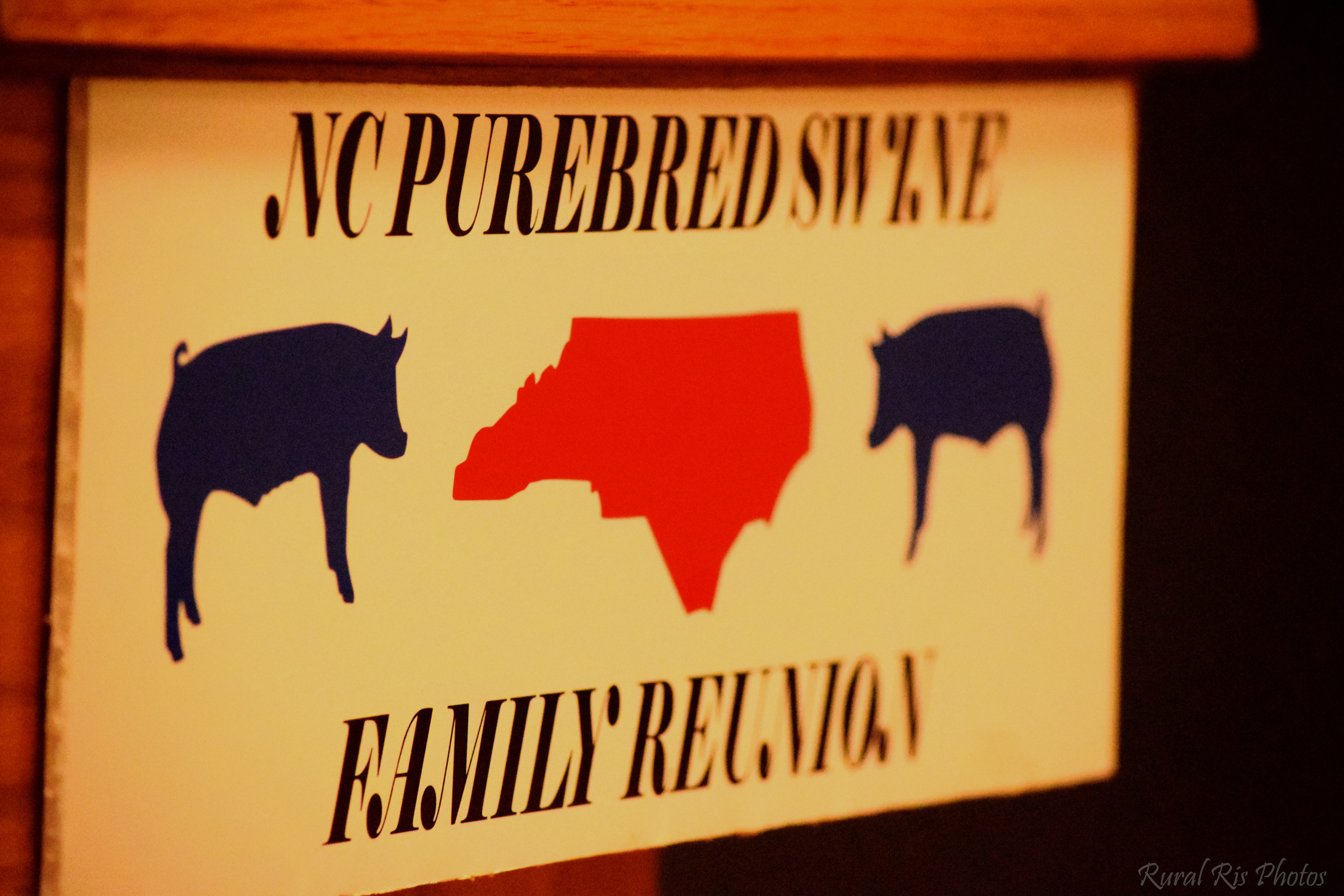
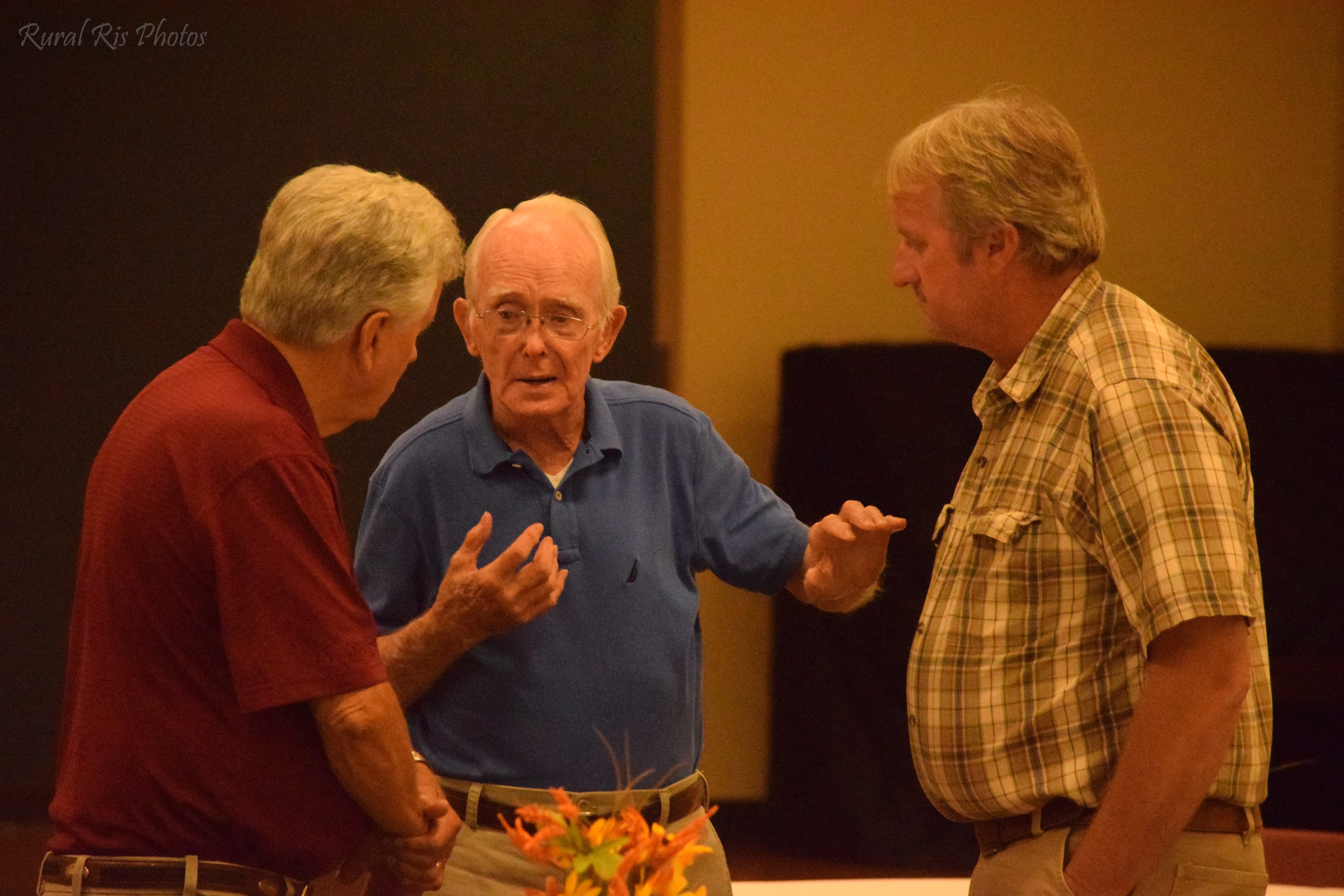
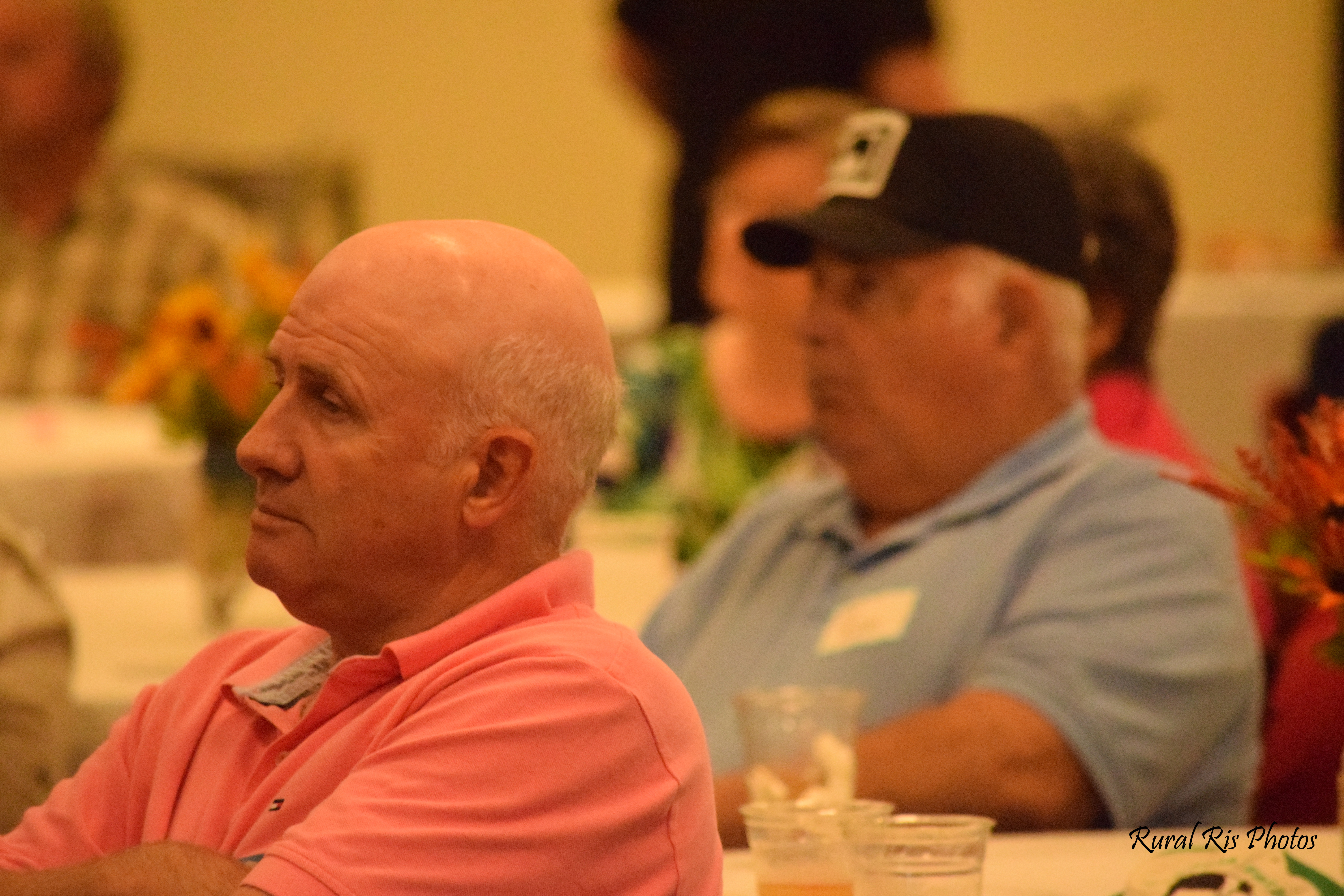
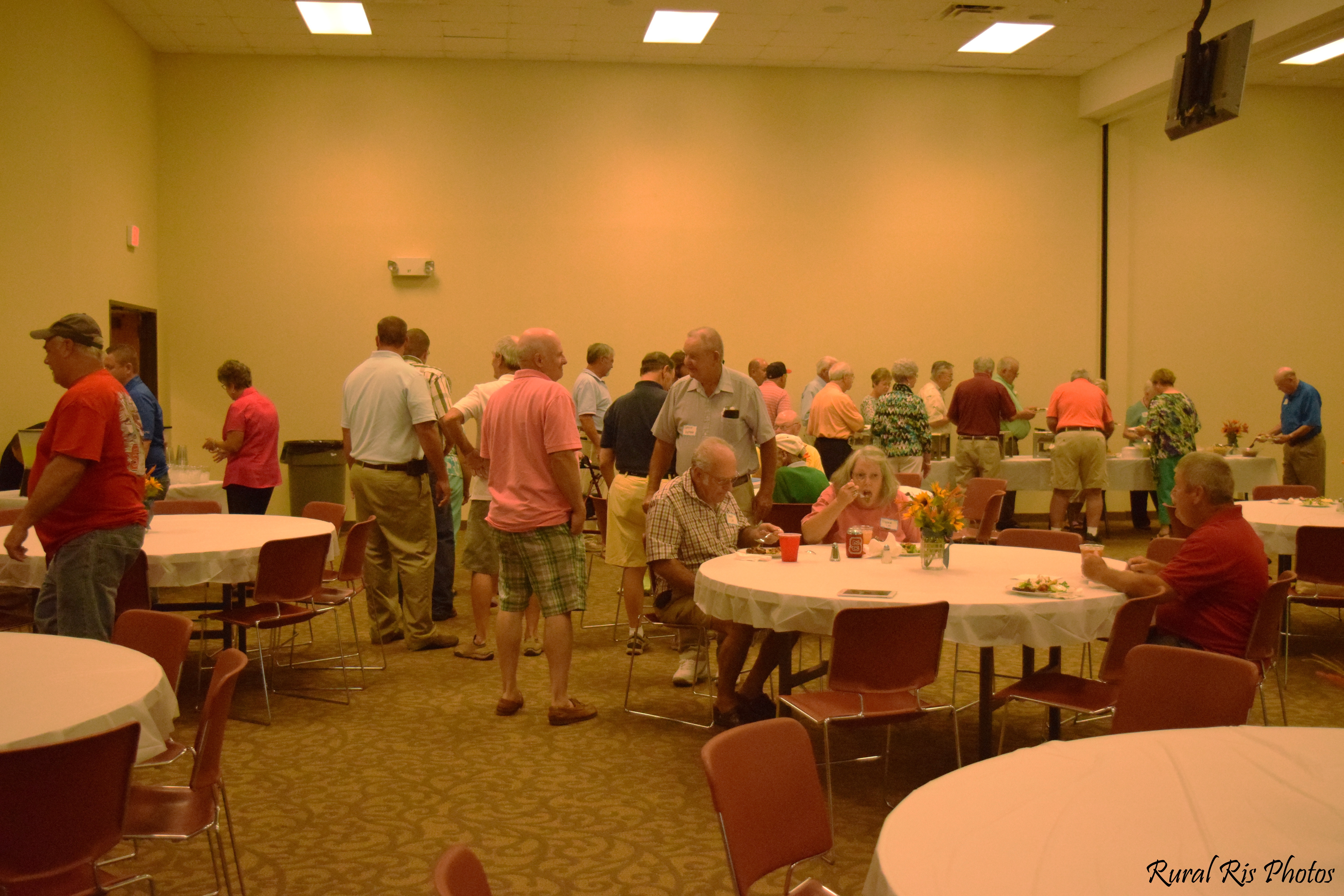
On August 22, the North Carolina Purebred Swine Family Reunion took place where I was able to catch a glimpse of decades of work that not only made North Carolina’s hog industry better, but forged lifetime friendships, created lasting memories, and instilled a great sense of pride and accomplishment in those involved.
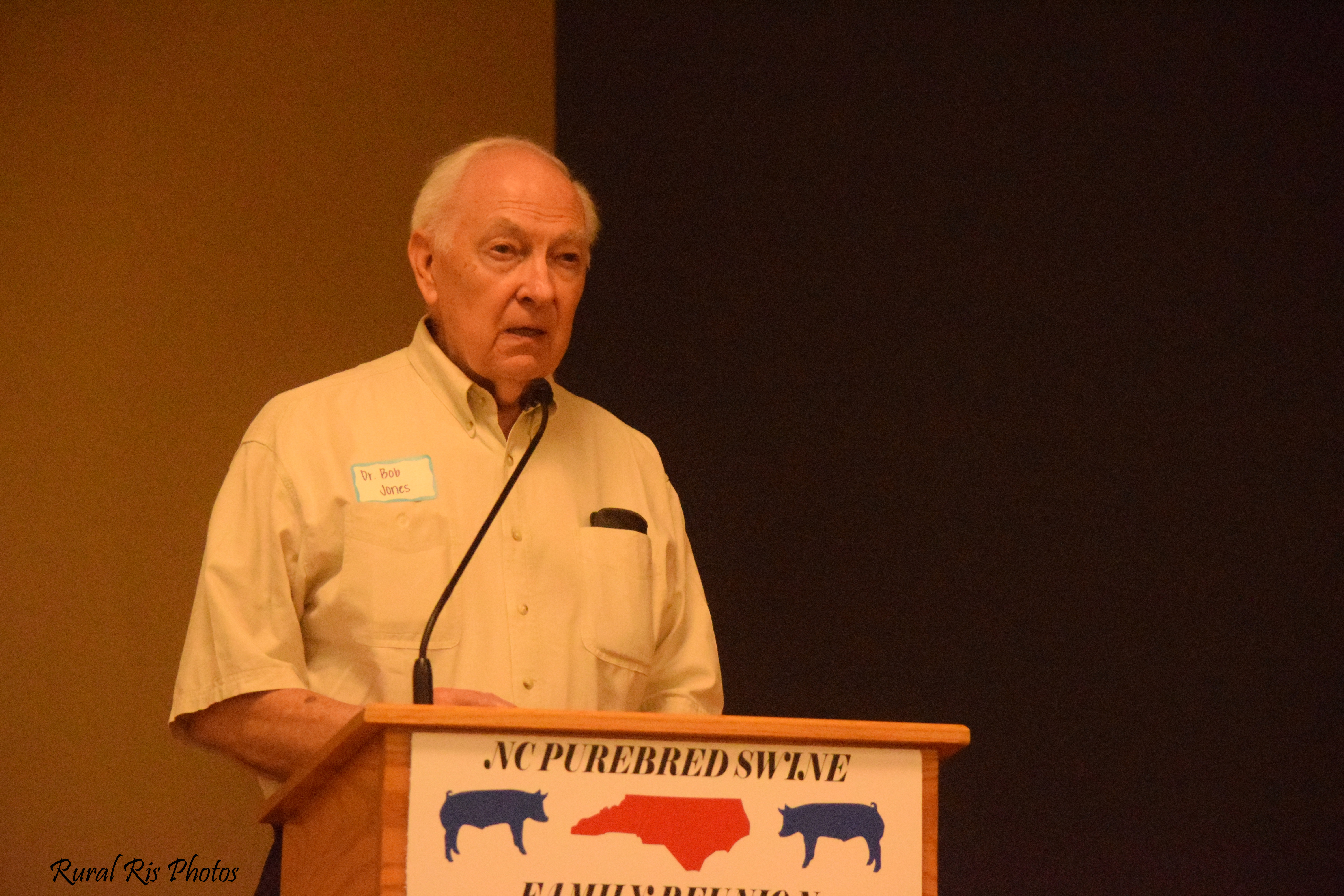
The Family Reunion is a time for those involved in the purebred industry to come together and reminisce. Many of those in attendance were a part of the North Carolina Swine Evaluation Station that operated from 1973-1994, and was headed up by Dr. Bob Jones. It was here that performance testing was conducted that has had a lasting impact on today’s hog industry.
Dr. Bob Jones
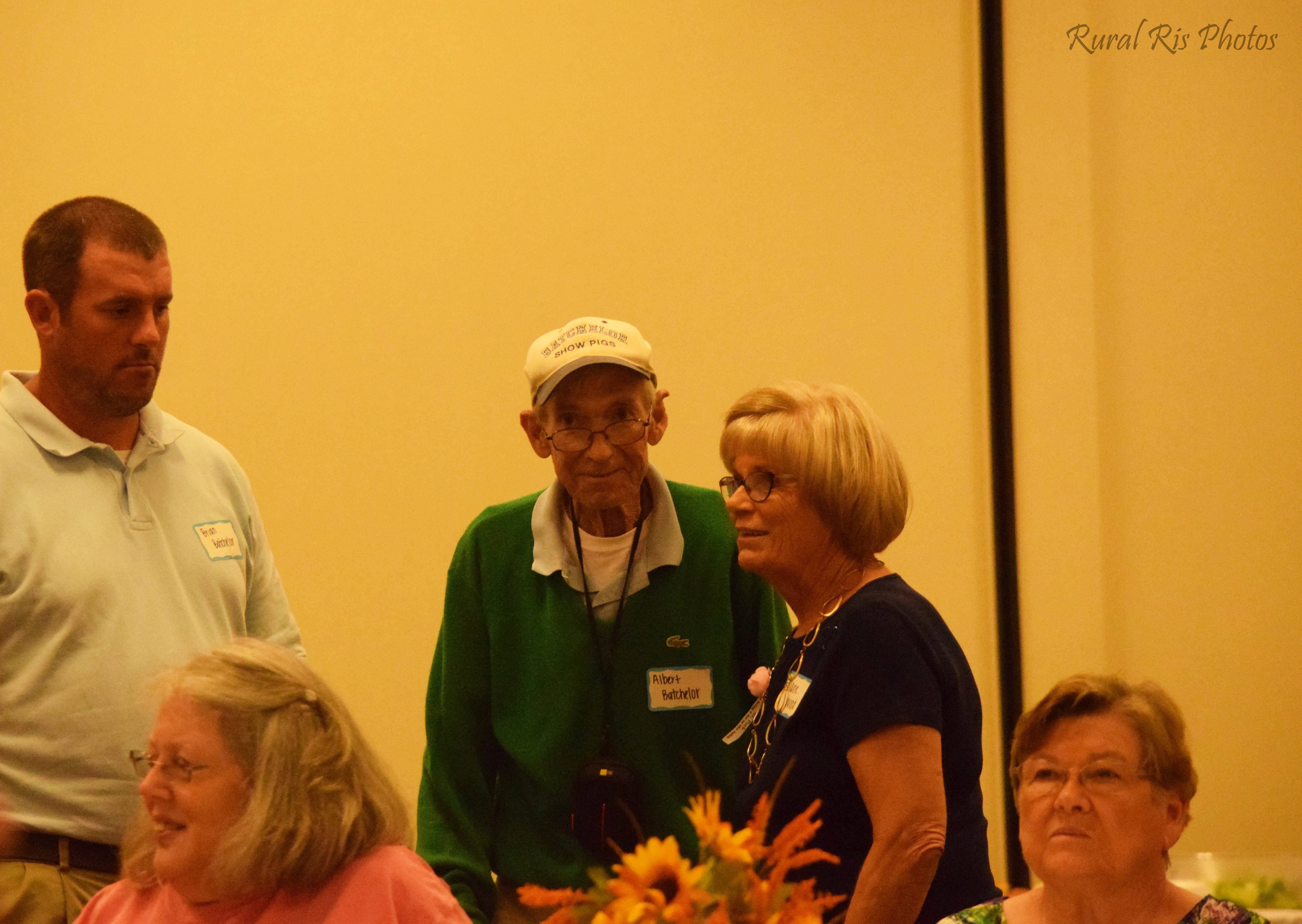
Many stories were told about the “good old days” at the evaluation station–stories of record breaking boars, stories of camaraderie, and stories filled with good humor. The pride of those who had played a part in the station was evident as they spoke. Over 7,000 boars were evaluated during the 21 years with a percentage of those boars selling for a revenue of over $1.8 million. 120 breeders participated in the program during its lifespan.
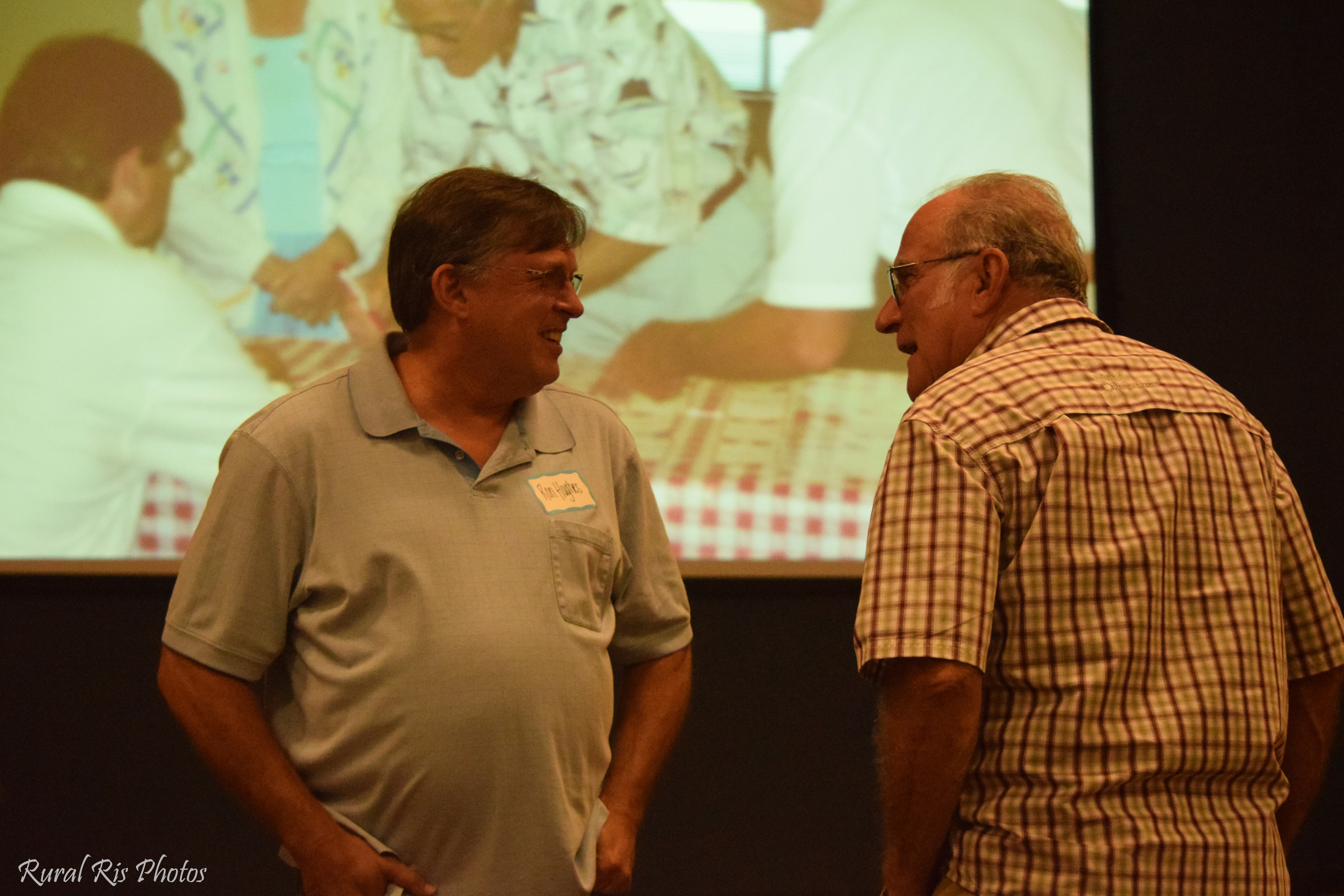
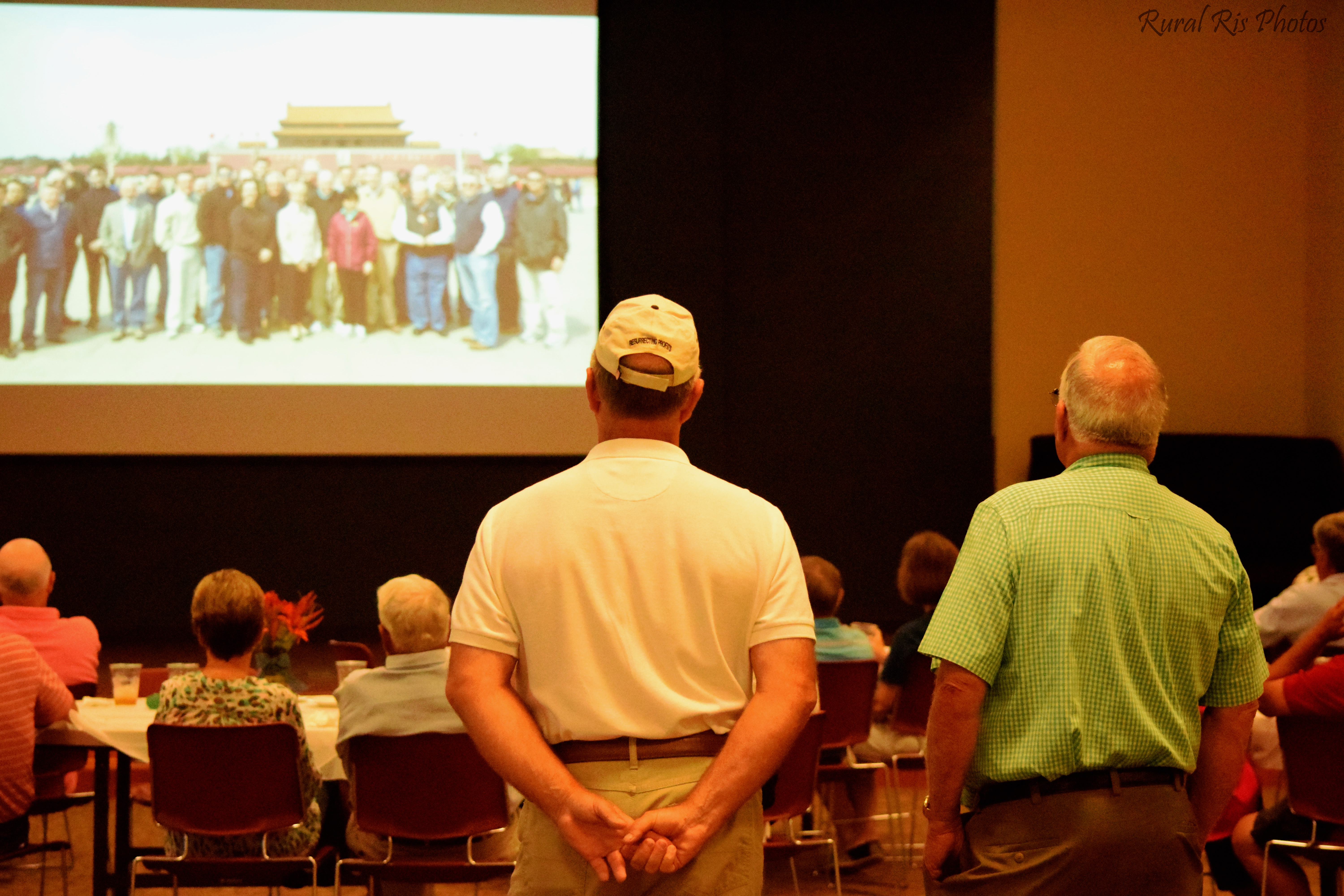
The afternoon also consisted of a moment of silence for those who had passed away since the last reunion and a catered meal. North Carolina Pork Council CEO, Deborah Johnson, and NCSU Animal Science Department Head, Dr. Todd See, spoke on the industry and recent trips to China that gave insight into international pork production. Dr. Bob Jones, former NCSU Extension animal husbandry specialist also spoke about the research station and all of his fond memories. Ron Hughes, former NC Swine Evaluation Station manager wrapped up the reunion.
Ron Hughes
It was a wonderful afternoon filled with heritage, friendships, and of course, pigs!
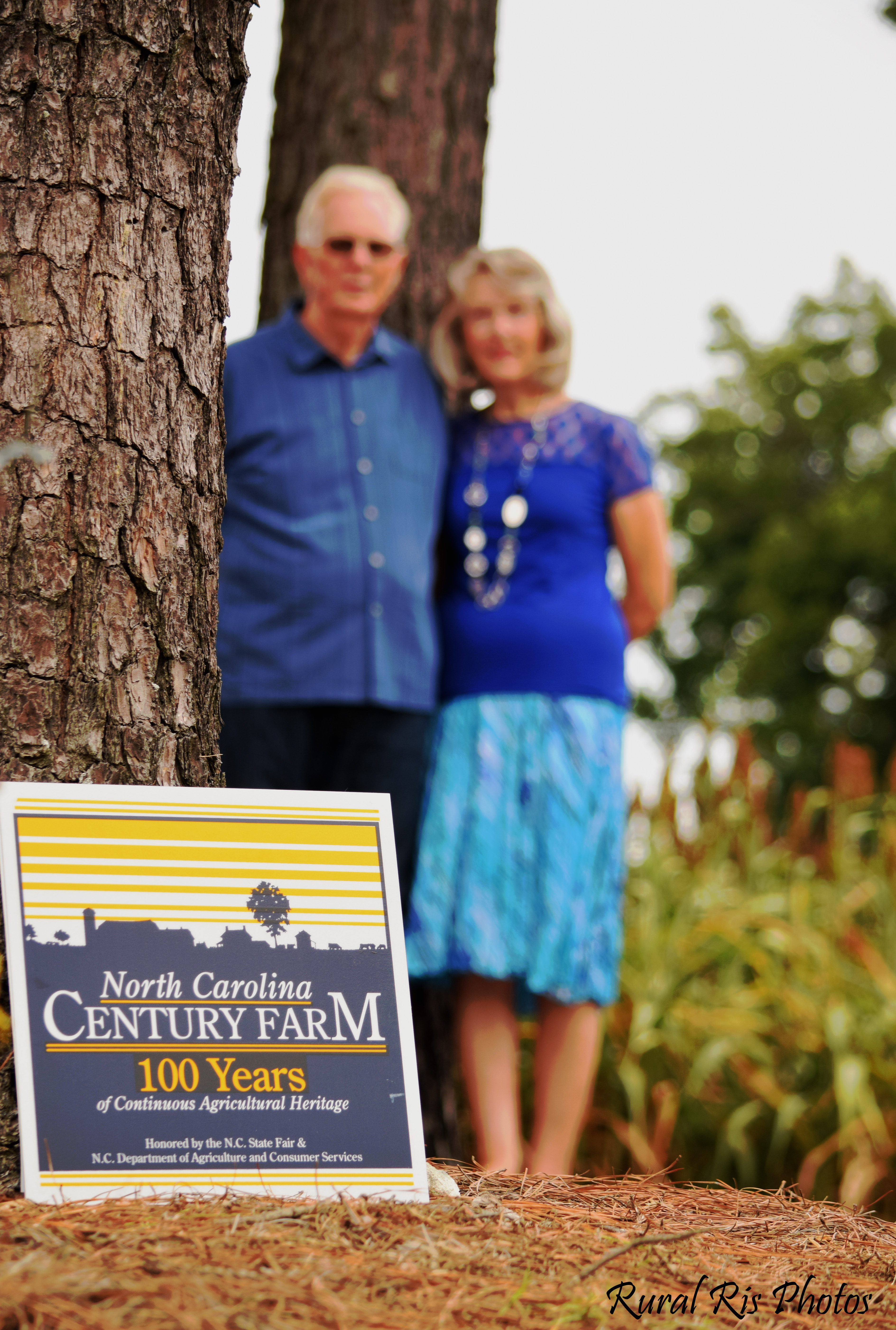
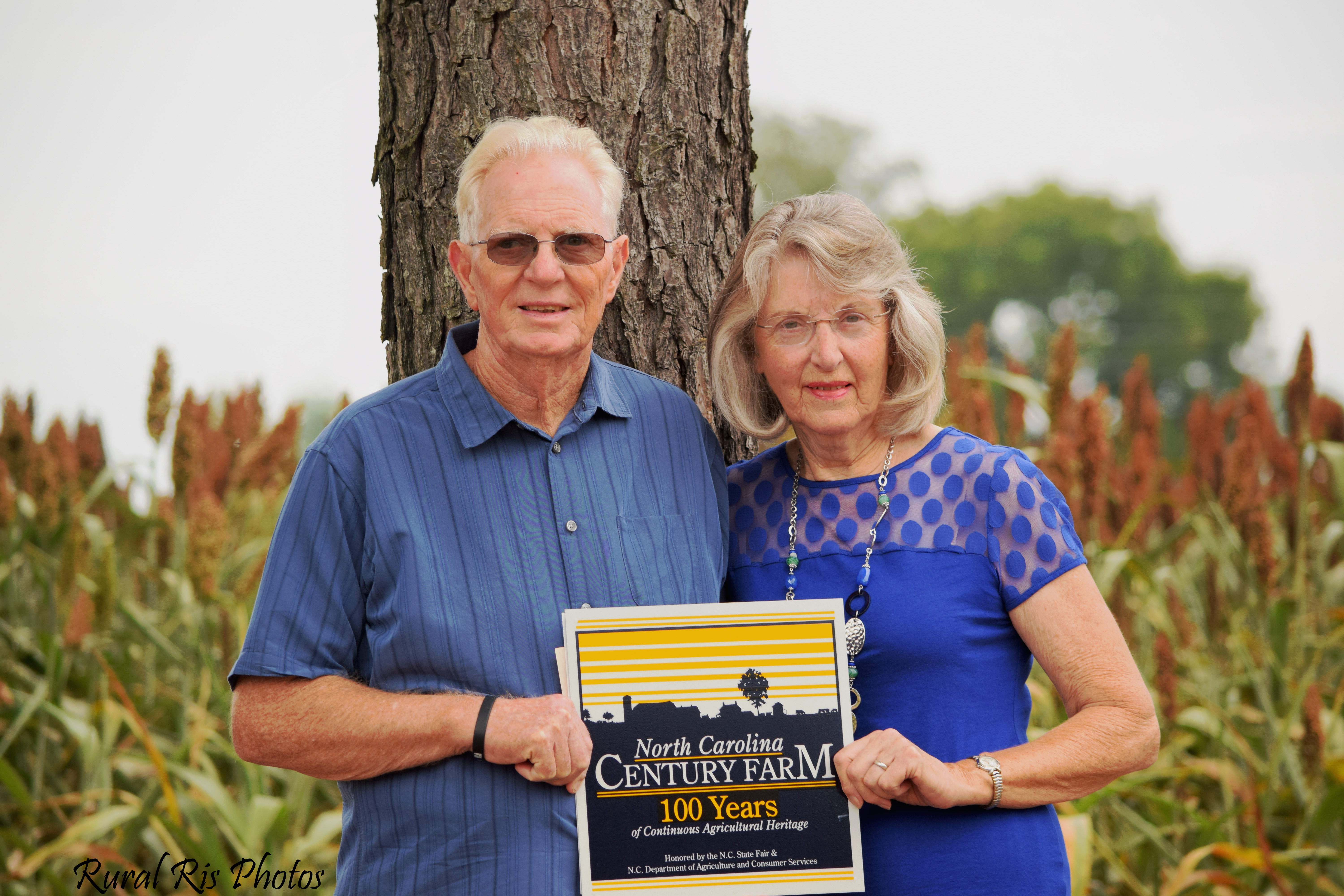
Our farm was recently recognized with something pretty exciting. After some research into farm and land records, we put an application in for the North Carolina Century Farm certification.
The Century Farm designation is in recognition of 100 or more years of continuous family farming. Started in 1970, the program aimed to identify farms that had been in a family for 100 continuous years. To be eligible, records had to be presented that showed that the farm had passed to a blood relative of the original owner for a century or more. Of the 52,000 farms in North Carolina only about 3% of them have been honored with the designation of a Century Farm, and we are one! Isn’t that absolutely awesome?!
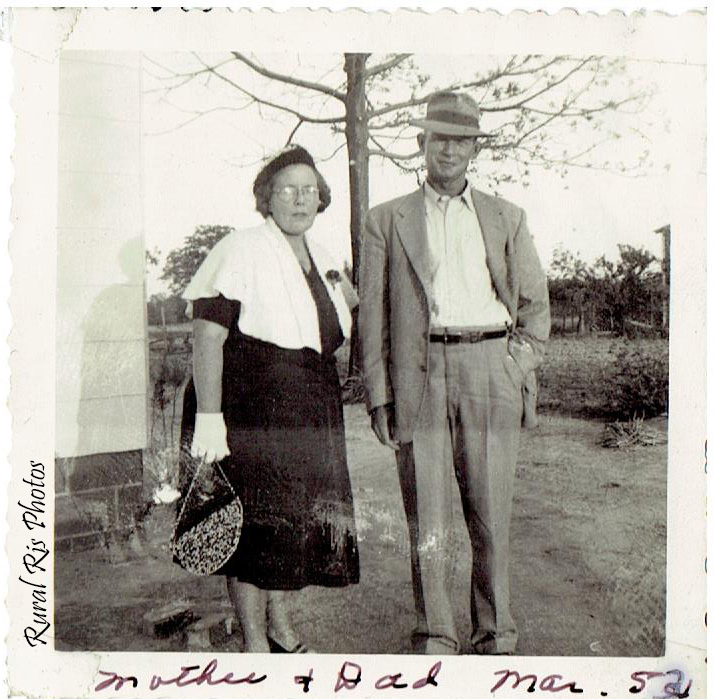
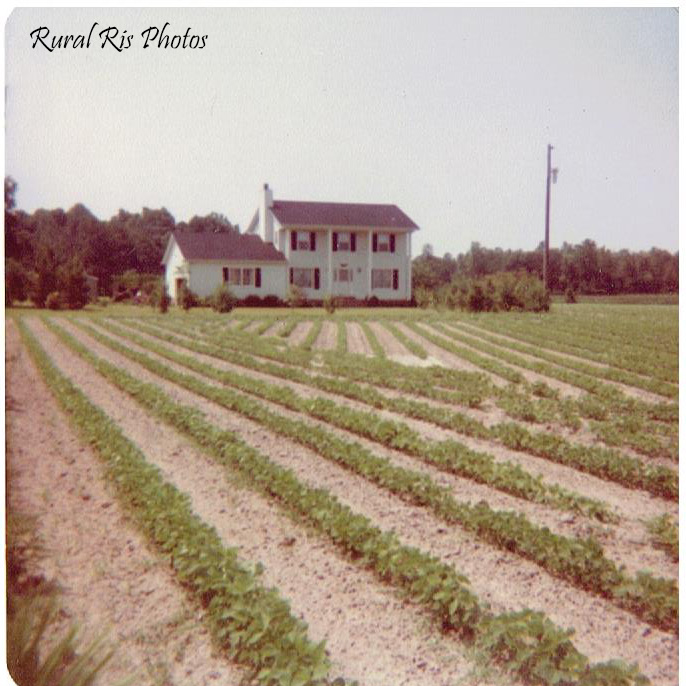
Our farm started in 1895 when Bettie Denning and husband David Jernigan bought approximately 150 acres. In 1909, Dave died. Bettie would later marry his brother, Jim Jernigan. Jim and Bettie never had children, but Dave and Bettie had seven together–6 boys and 1 girl. The girl was my great-grandmother, Harriett Jernigan.
A tract of the original estate was given to my great-grandmother when she married (approximately 45 acres). She and my great- grandfather, Owen Weaver, built a house on this land.
Harriett and Owen Weaver–1952
My great-grandfather cleared a large portion of the land with an ax, by hand. He pulled the stumps up with mules. On this farm land, they grew tobacco, soybeans, corn, and cotton. They also had chickens and up to 100 pigs. Mules were used to plow until 1956 when the first tractor was bought. It would normally take one week to plow 15 acres by mule.
My grandfather, Bob Weaver, and two older siblings, Elizabeth and Nick, were born and grew up on this plot of land.
Bob Weaver (Papa) circa 1949.Papa on a retired US Army Horse.
Papa helped with the farm work until he was 18. At this time, he joined the US Air Force. He would eventually be stationed in Scotland where he met my grandma, Sylvia McCabe.
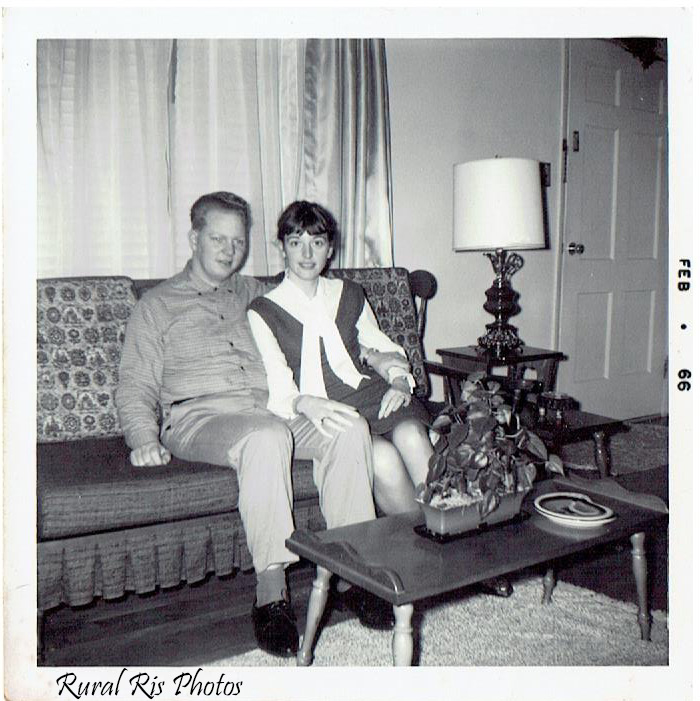
They married in North Carolina in February of 1966.
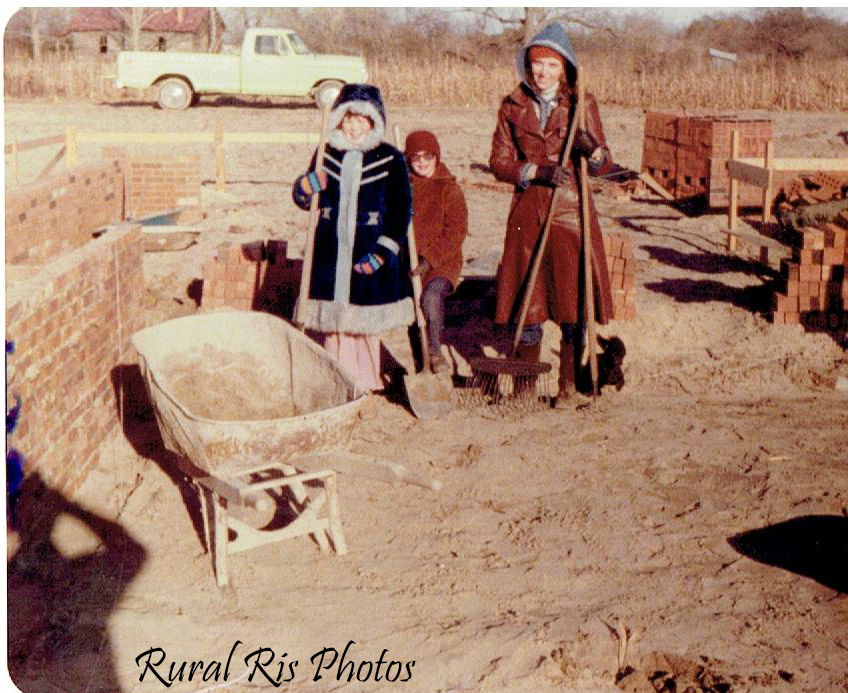
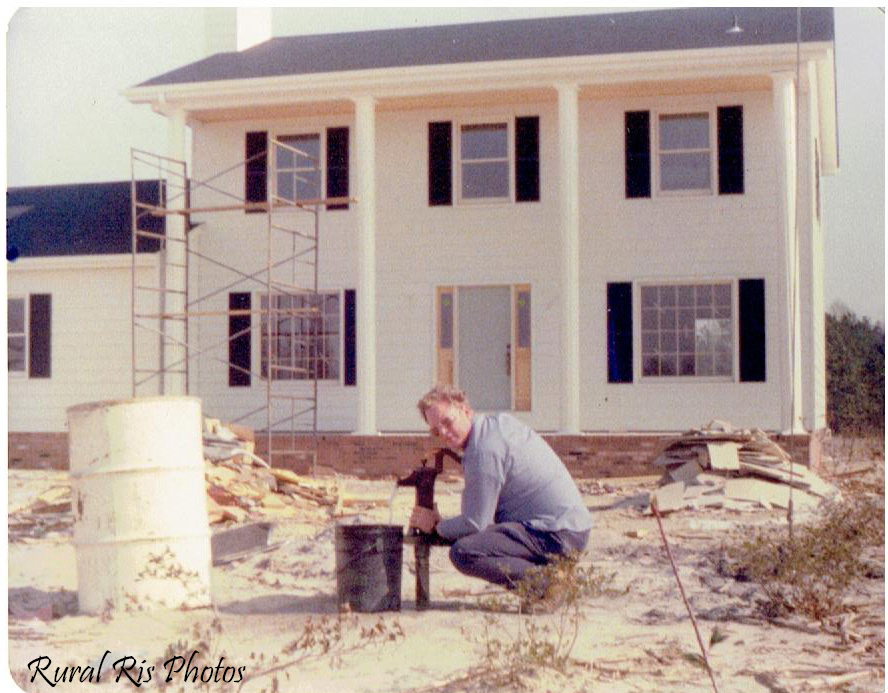
In 1978, they moved back to the family farm land where they built a house. At this point, my mom was 11 years old and her brother, Bobby, was 8 years old. The house was built on 14 acres of the original tract of land.
Grandma, Mom, and Uncle Bobby doing some foundation work on the housePapa pumping water before pipes had been run to the house
My great-grandfather was living at the end of the road, still raising pigs (my great-grandmother died in 1954). The rest of the land was being leased out to a local farmer.
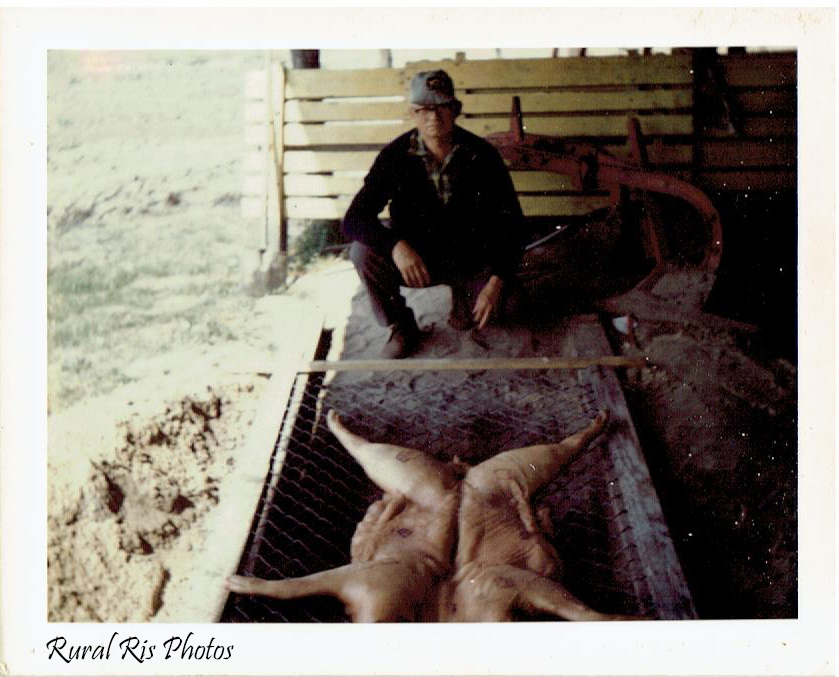
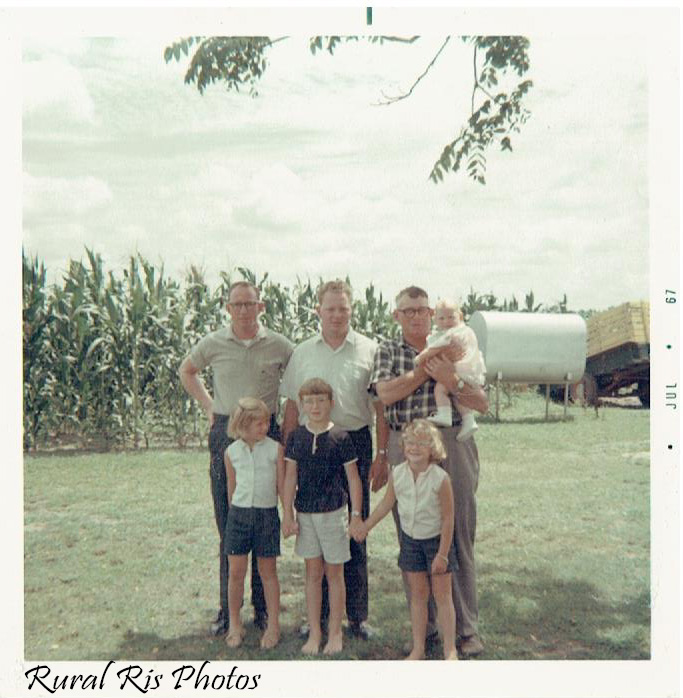
My great-grandfather cooking a pig on an open pit in the late 60’sJuly 1967–Mom is the baby being held by my great-grandfather. Papa is to his left and his brother, Nick, is to the far left.
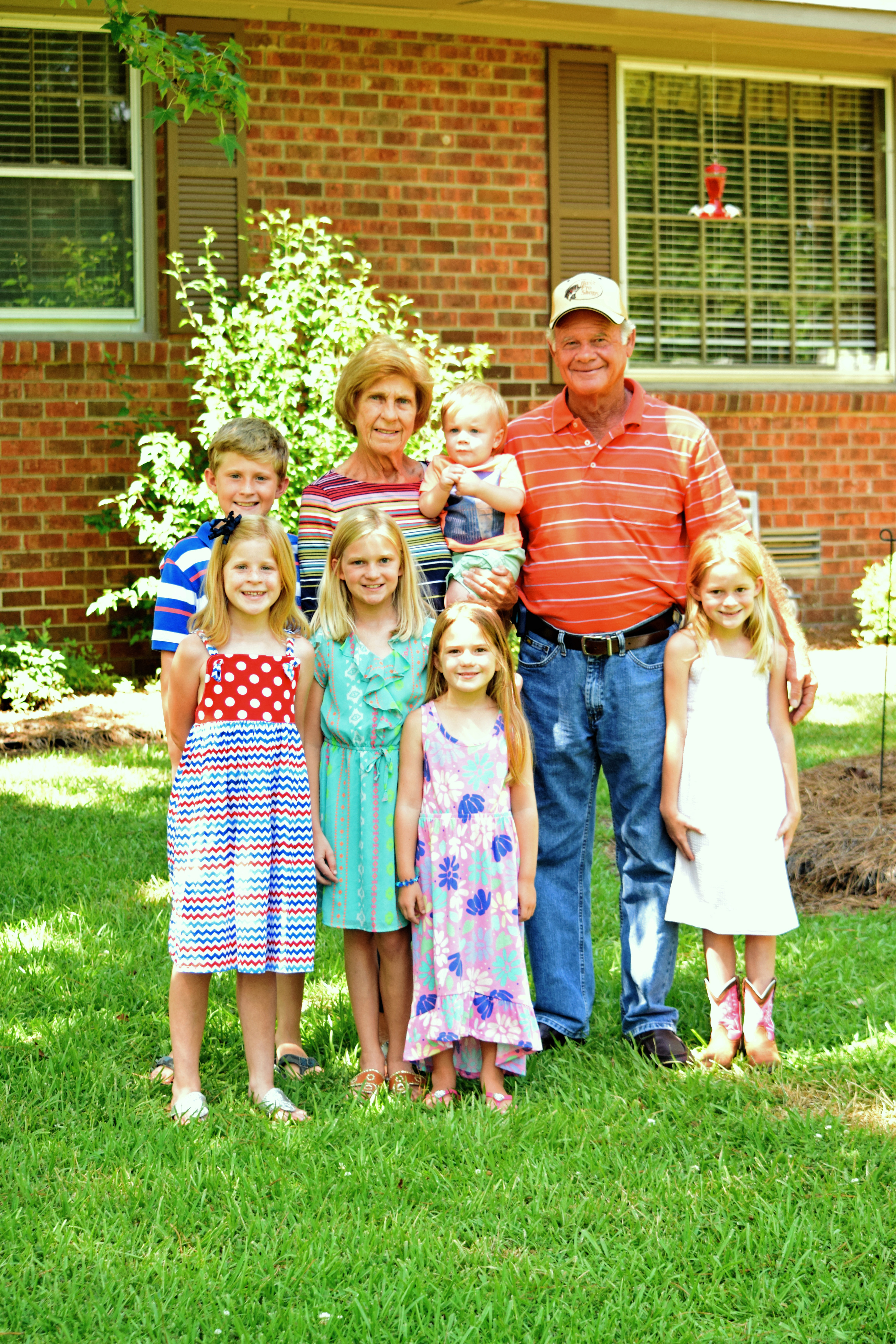
Today, my Papa and Grandma have acquired 40 acres of the original estate, and my family lives on 6 of those acres. Our barn was built by my great-grandfather in the early 1960’s to be used as a pack house for tobacco.
Papa has buildings that are comprised of a tobacco barn built by my great- grandfather in the early 50’s. My great-grandfather died in 1988, but his handiwork lives on.
The next generation of our family is now farming on the same land that has been passed down for more than 100 years. Papa is growing a pecan orchard that has over 50 trees and rents out the remainder of the land for farming. We graze sheep and goats on 10 acres of the family land.
The honor of having a Century Farm is profound. In regards to why it means so much, I think Papa says it best,
“It is important to me to be able to pass down the land to my children and grandchildren, and for my future generations to know their heritage and where they come from.”
I am extremely proud to live on a Century Farm and to have such a rich history. Our roots run deep, and I love it!
Our garden has been struggling hard core this year. Our peppers have consistently done well, but everything else has been a flop. We felt there was still hope for the tomato plants, though. They just seemed to be late producing.
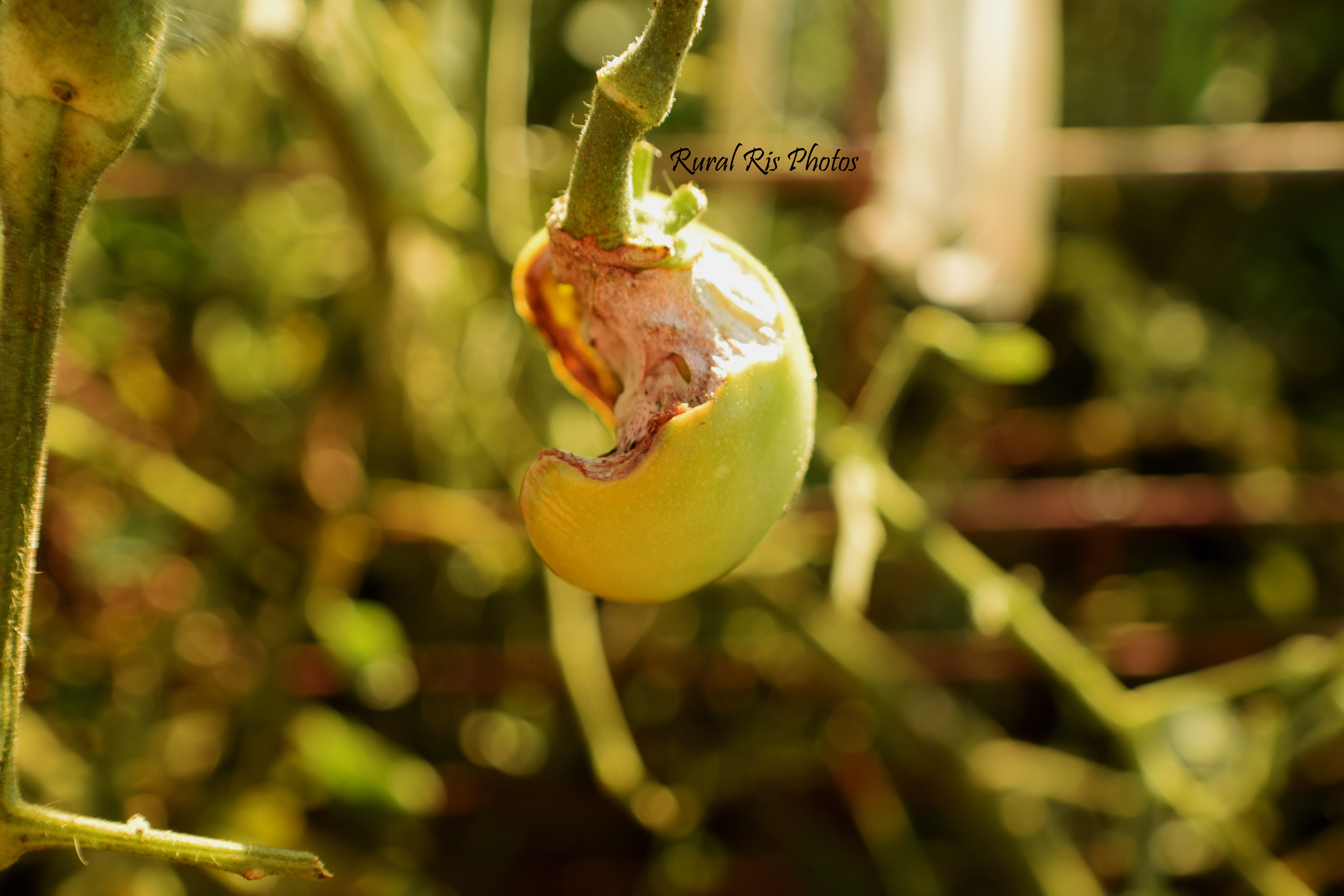
That hope died when we got back from our vacation to the lake. Every single tomato plant we had planted, had been stripped of its leaves.
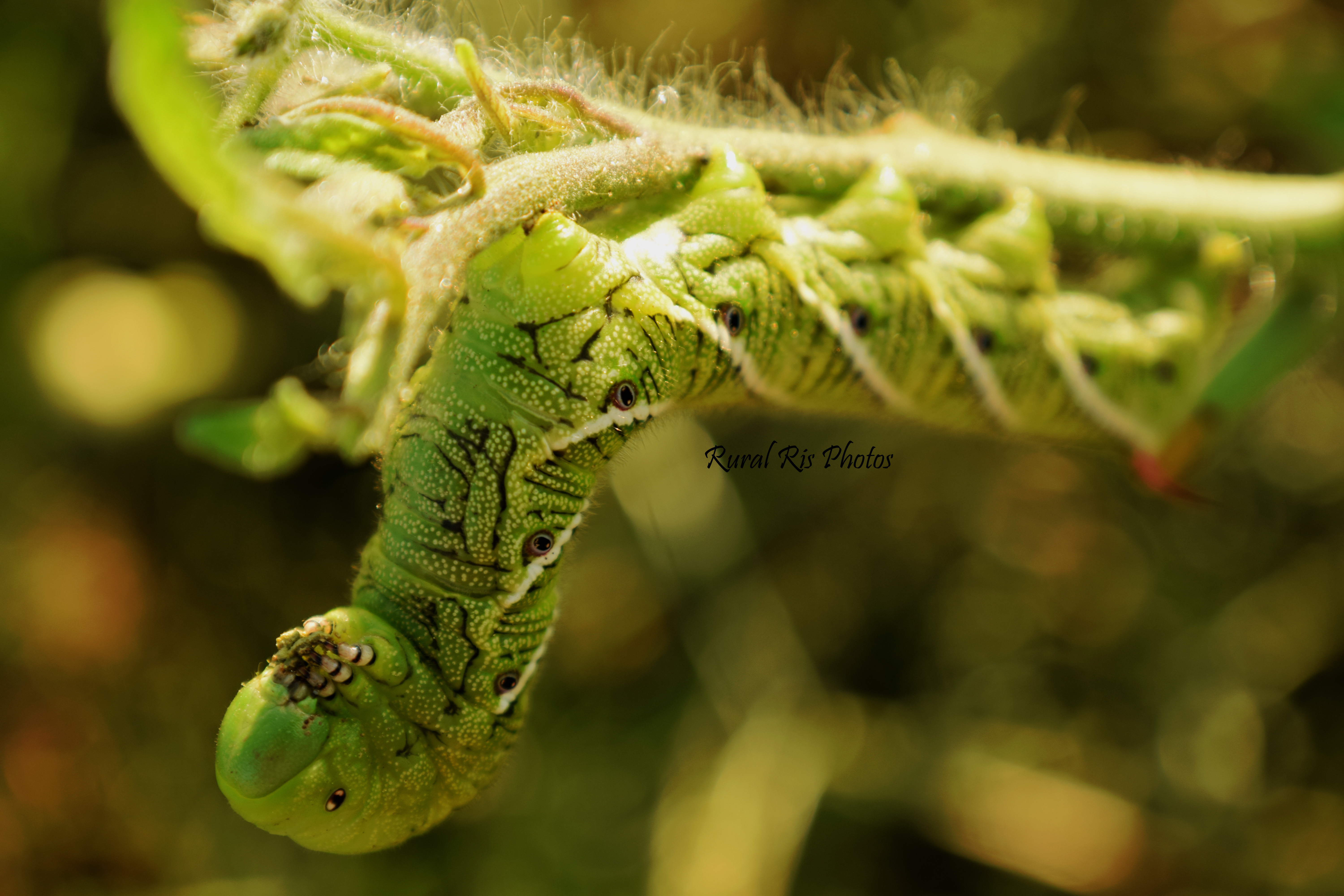
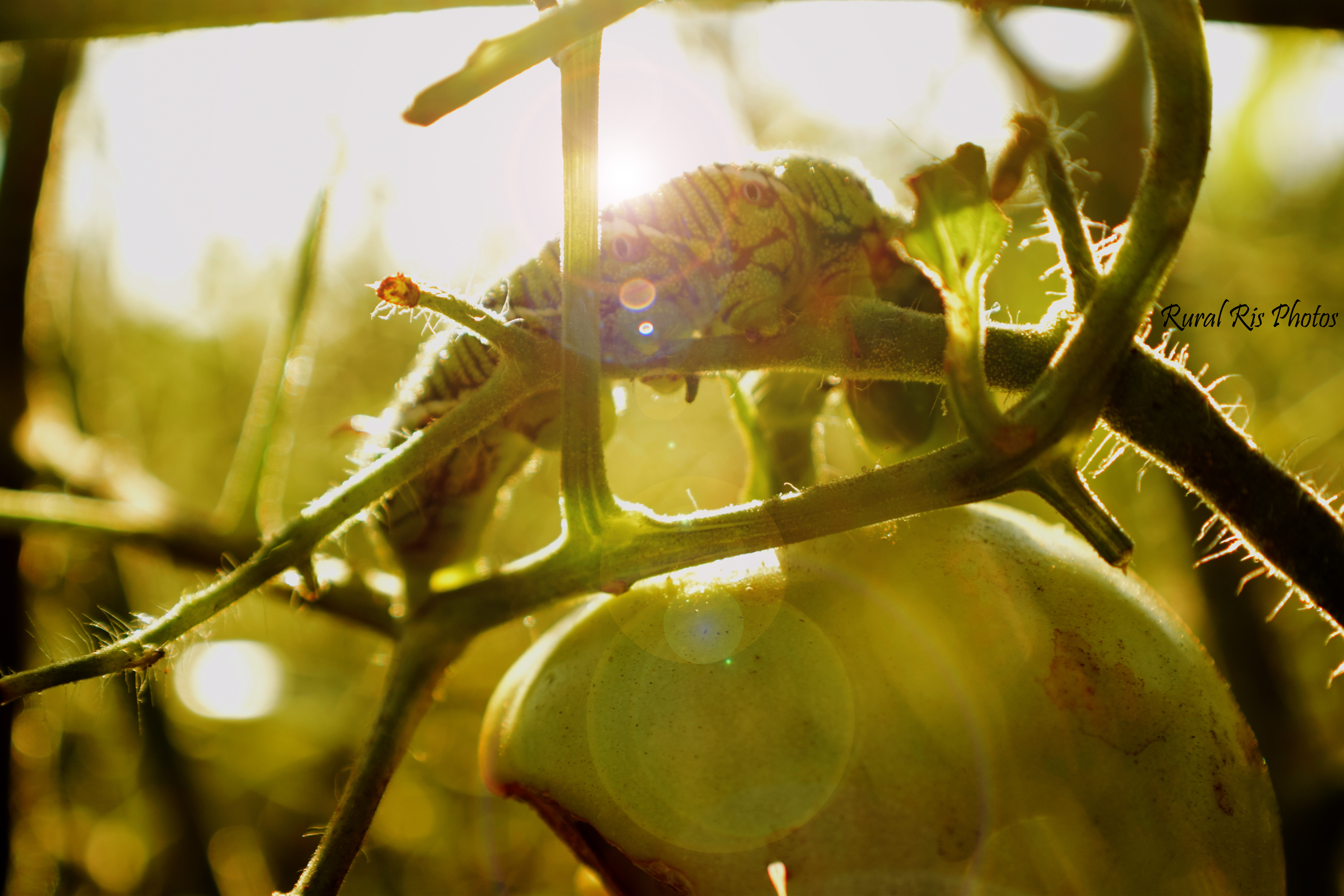
The culprit–hornworms.
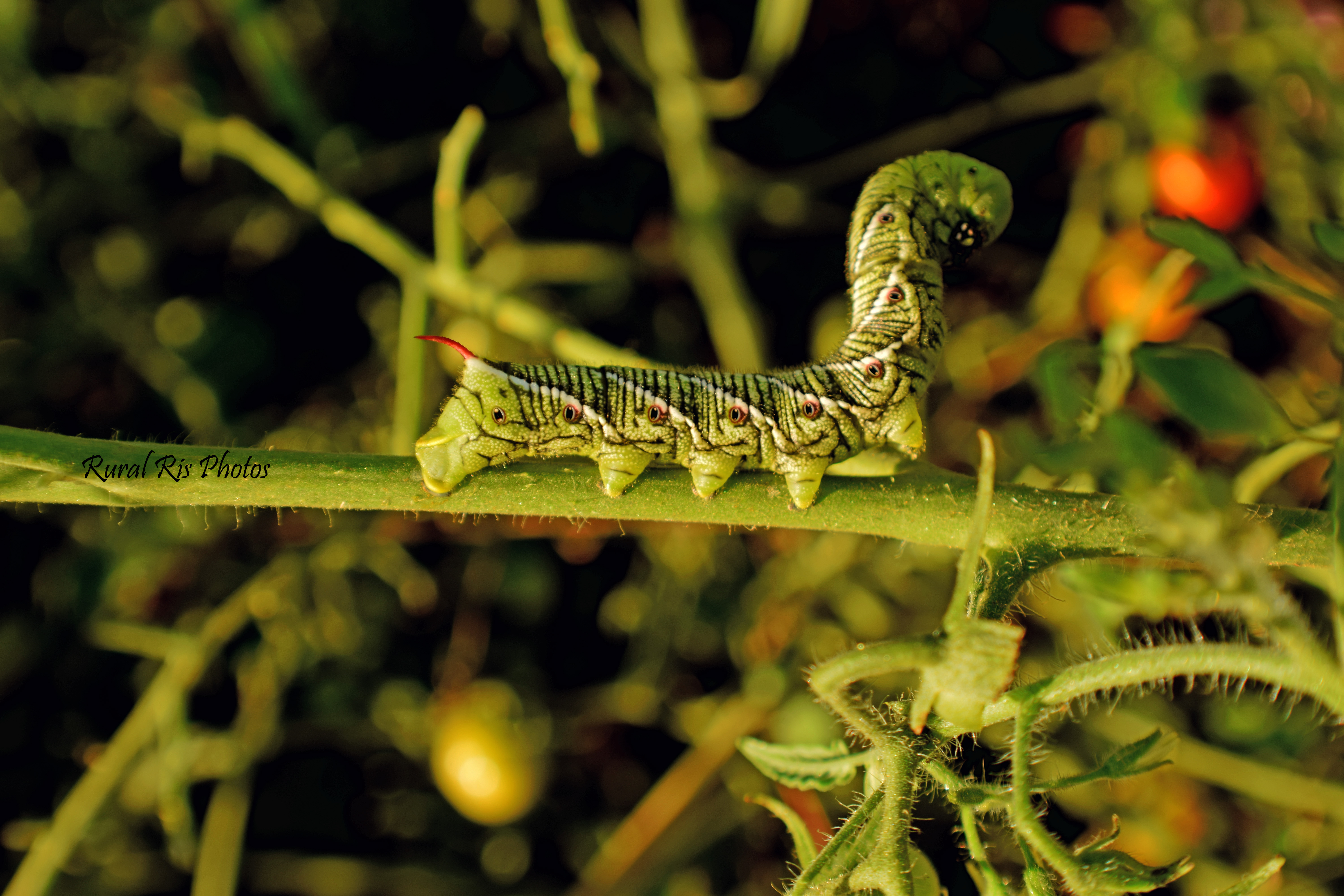
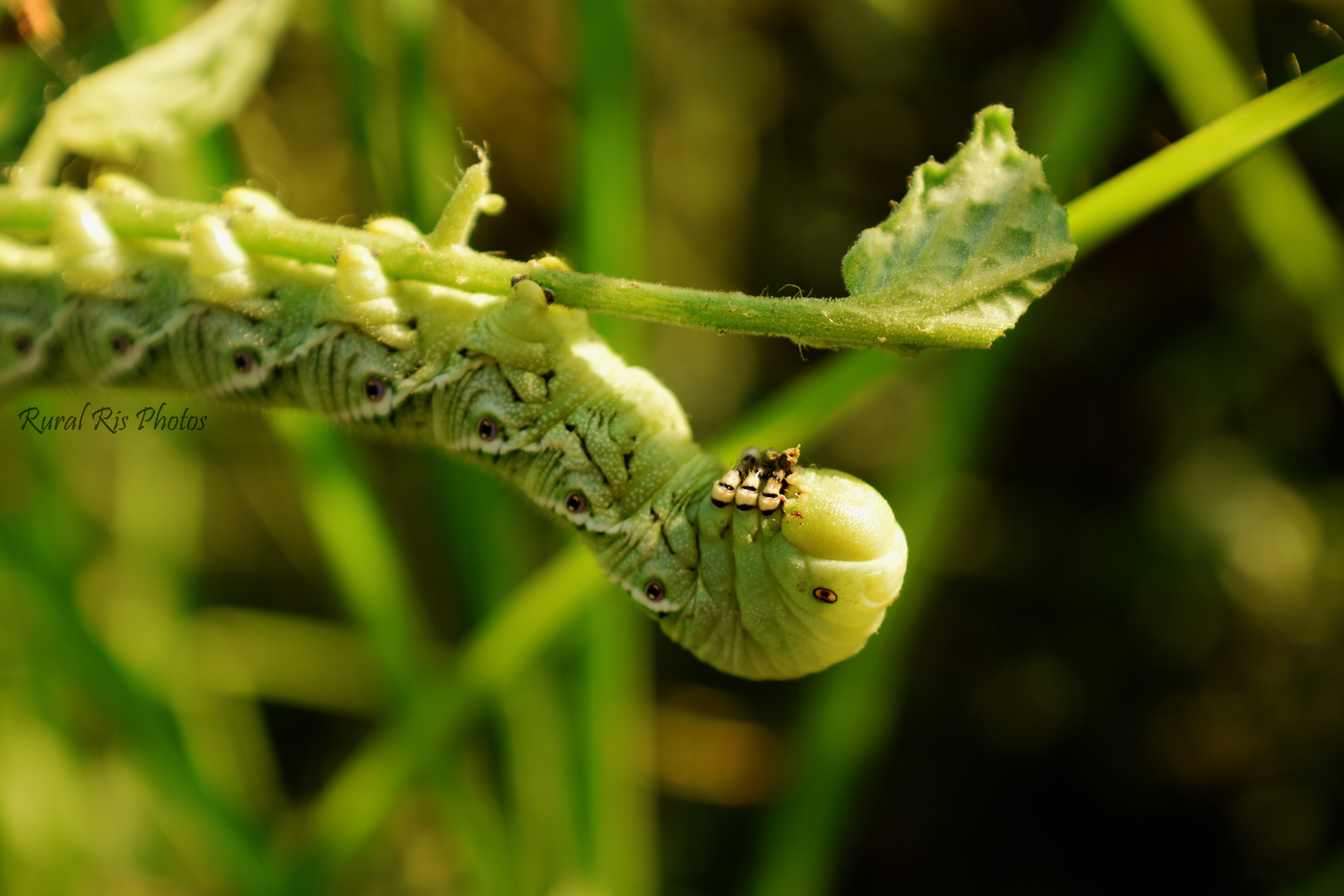
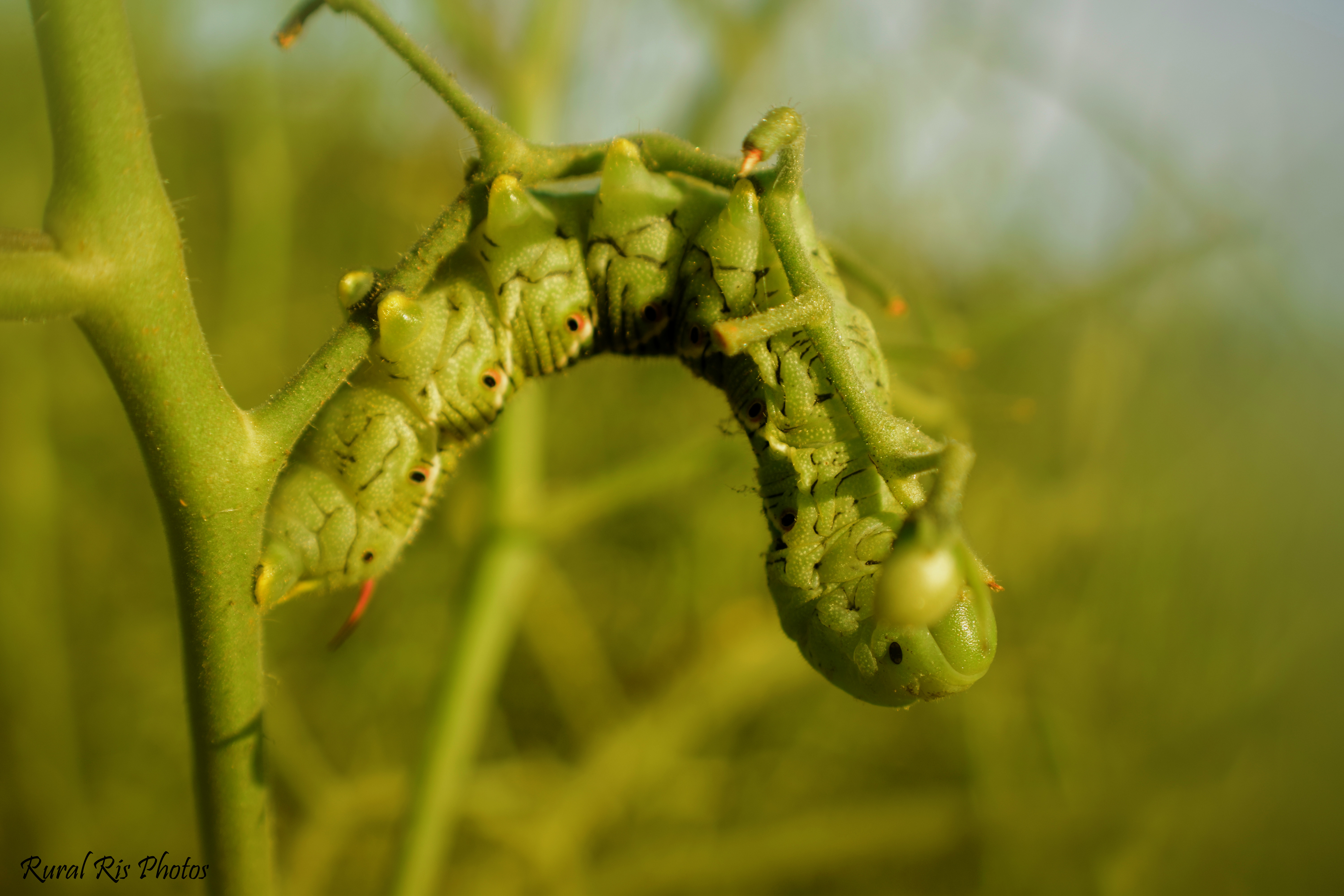
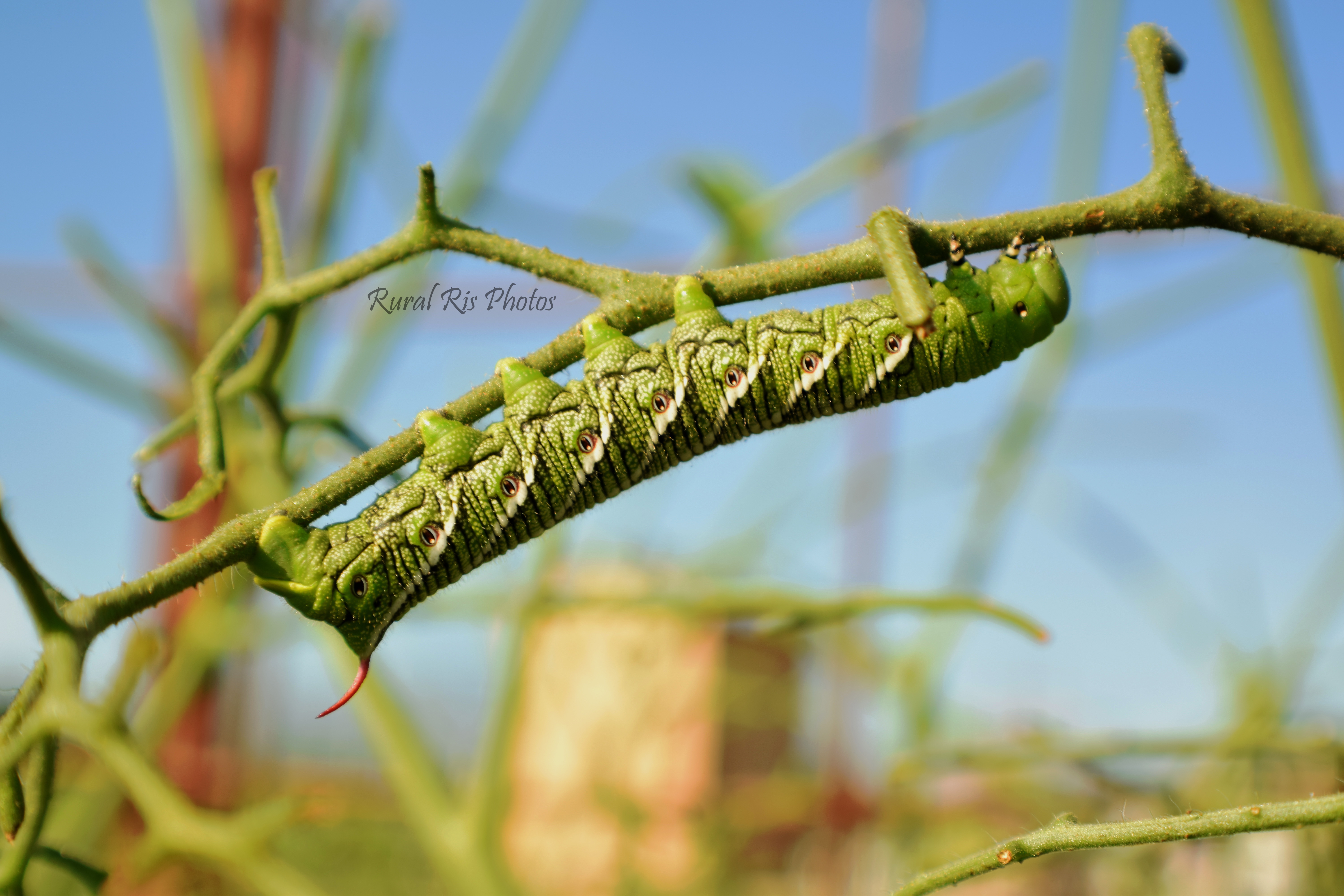
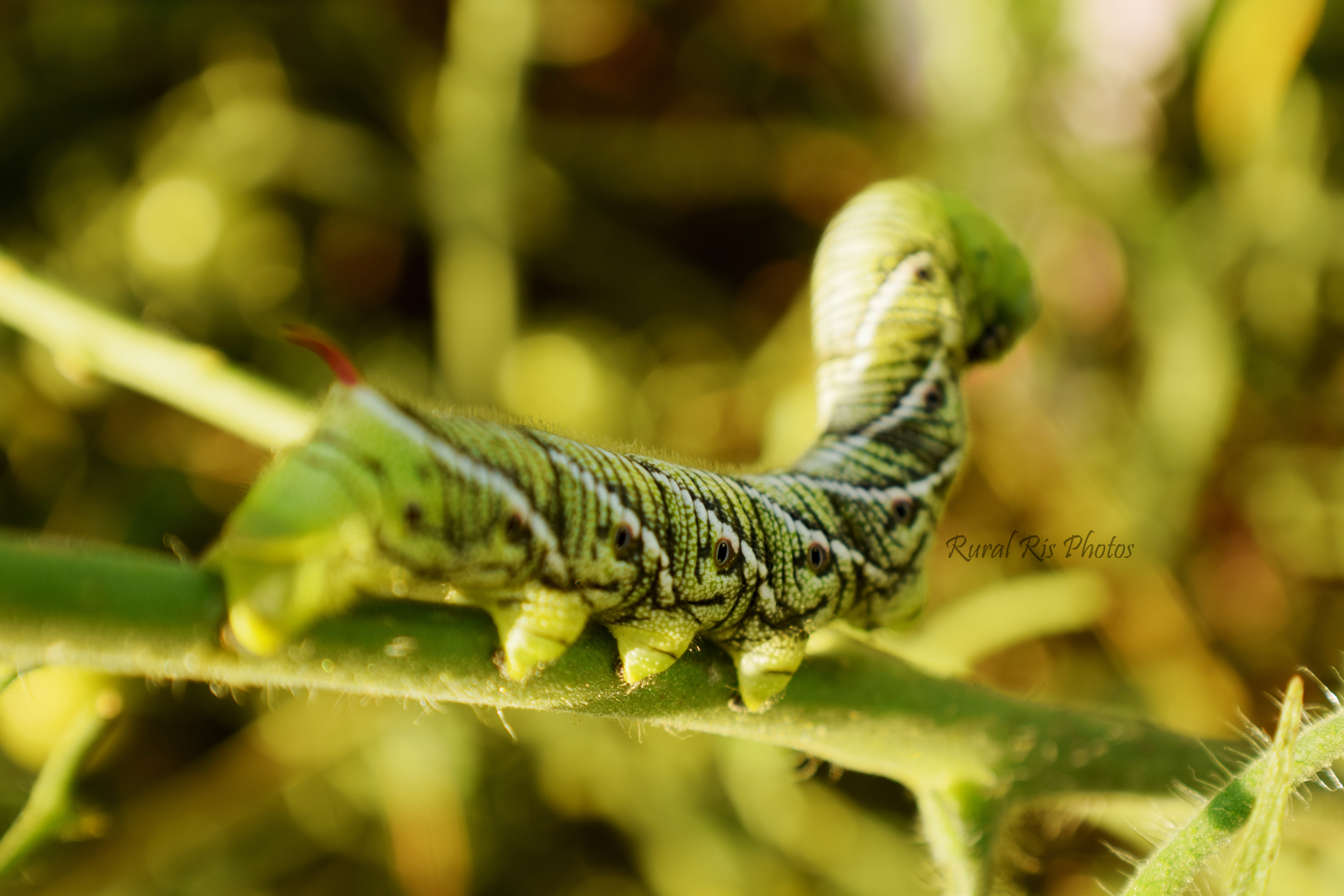
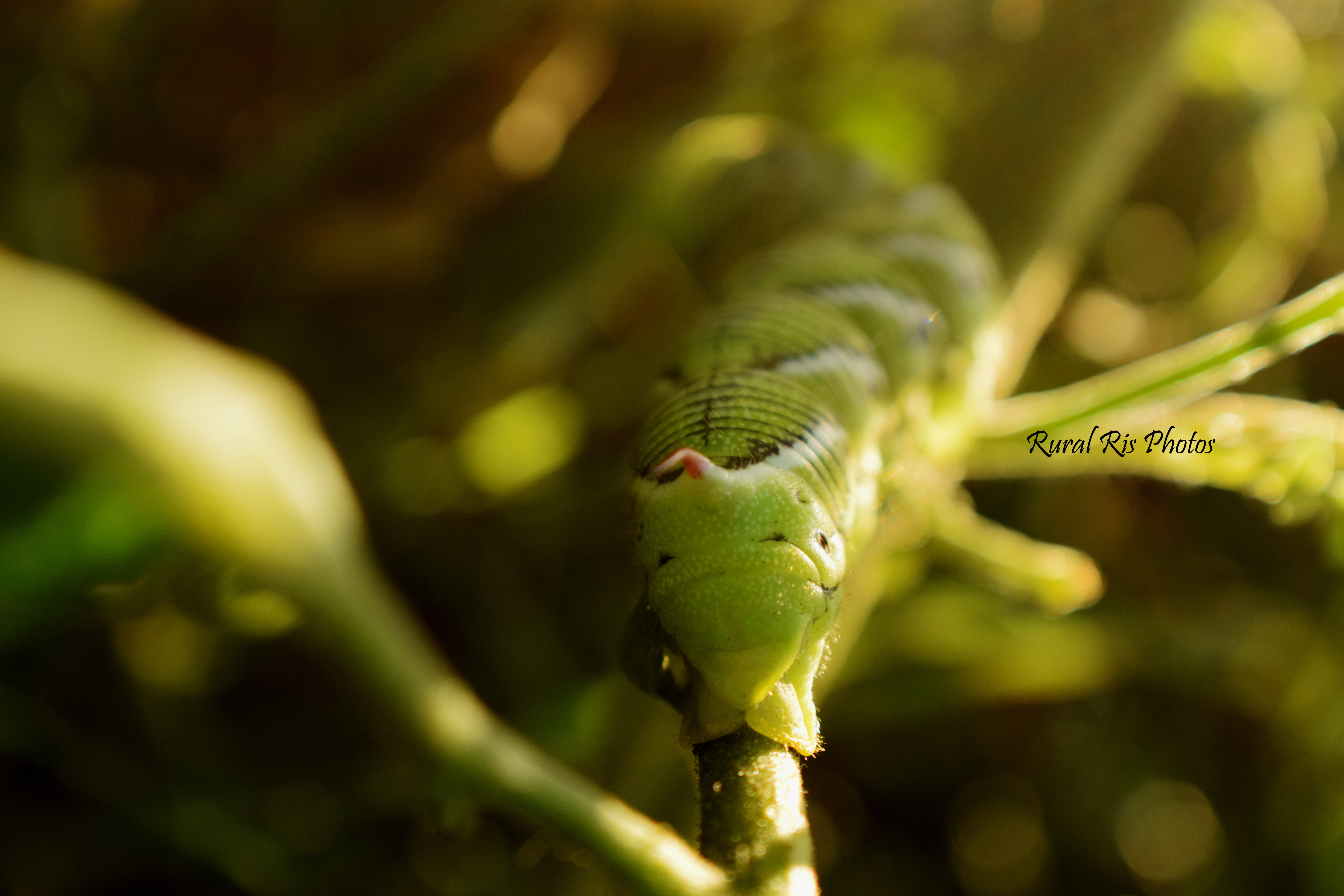
Aren’t they gruesome, yet kinda cool too? They have super good camouflage making it really hard to spot them. We typically don’t even know they are there until our tomato plants start to become naked. Normally, we can catch them before they do too much damage; however, because we were away for a week, our tomato plants fell victim. I guess in this case it is “while the gardener is away the hornworms will play.” They are quite the evil little villain, and have thoroughly shot all chances of anymore tomato sandwiches for me.
Villain Profile:
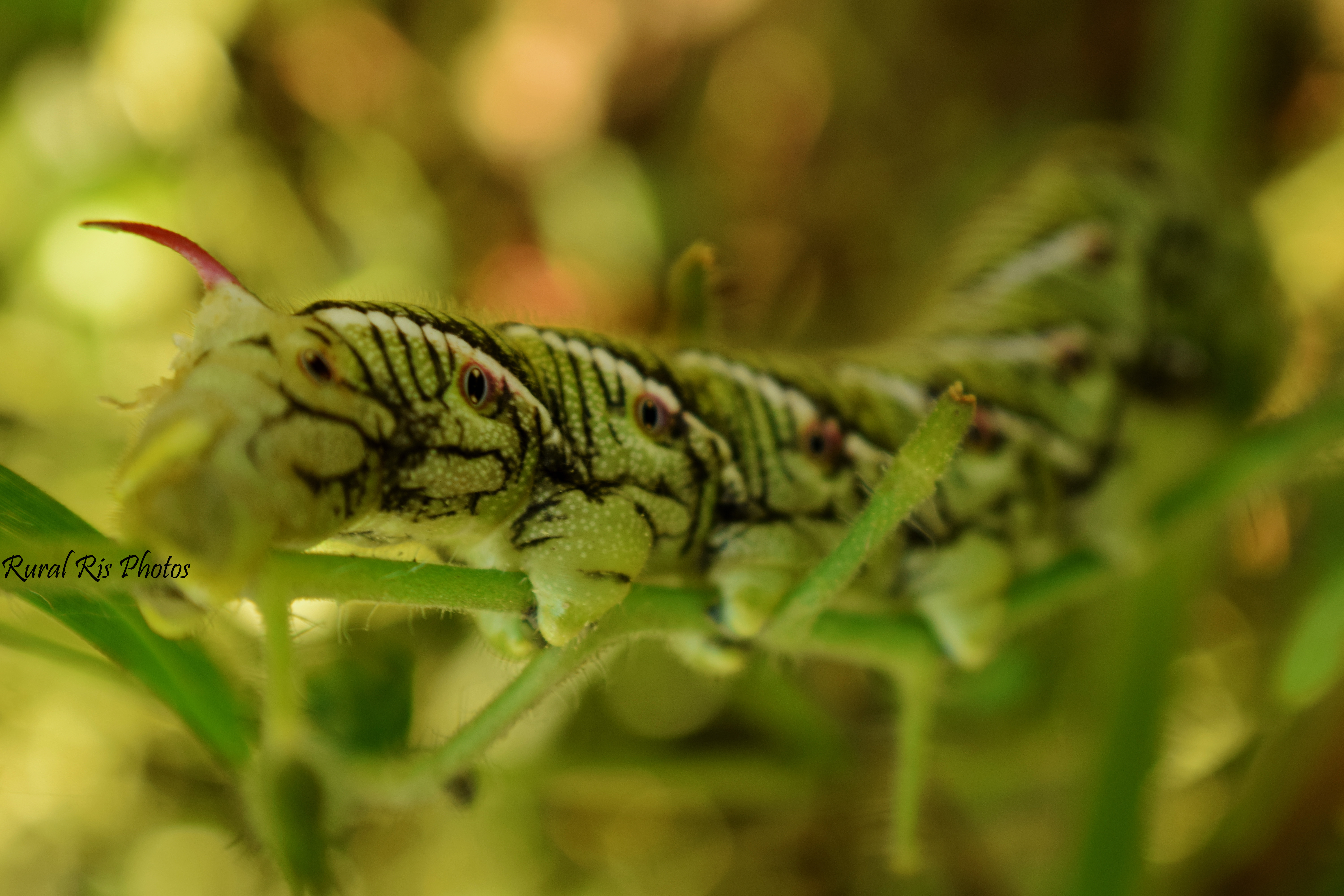
There are 2 varieties of hornworm that can often be seen together on a plant, and they look identical. There is the tomato hornworm, Manduca quinquemaculata, and the tobacco hornworm, Manduca sexta. The biggest difference between the two is the tobacco hornworm has a red horn, and the tomato hornworm has a black horn. Tabacco hornworms also have 7 oblique lateral white lines on them, and the tomato hornworm boasts more of a v-shape in their white lines. We identified our hornworms as the tobacco variety because of their red horn. I will note that some of my research did not differentiate between the two hornworms.
Hornworms are actually caterpillars.They will turn into what is known as the sphinx, hawk, or hummingbird moth.
Photo Cred: University of Nebraska
The adults will lay eggs on leaves, the caterpillars will eat their fill until they are about 3-4 inches in length. After they have matured as a caterpillar, they drop off the plant and bury themselves in the soil to pupate. Moths will emerge 2 weeks later. They do this twice in the summer–once in early summer and again in late summer or fall. Those that pupate in the later half, will stay in the ground until spring.
Photo Cred: UKY
The hornworm gets its name from the horn that is on the tail of the caterpillar.
They are always green with spots, but can range in size.
Criminal Actions:
Hornworms strip tomato plants of all of their foliage, and will even eat the fruit of the plant too.
While tomato plants are their target victim, they like anything in the nightshade family. Peppers, eggplant, and potato are also in danger.
Fighting Back:
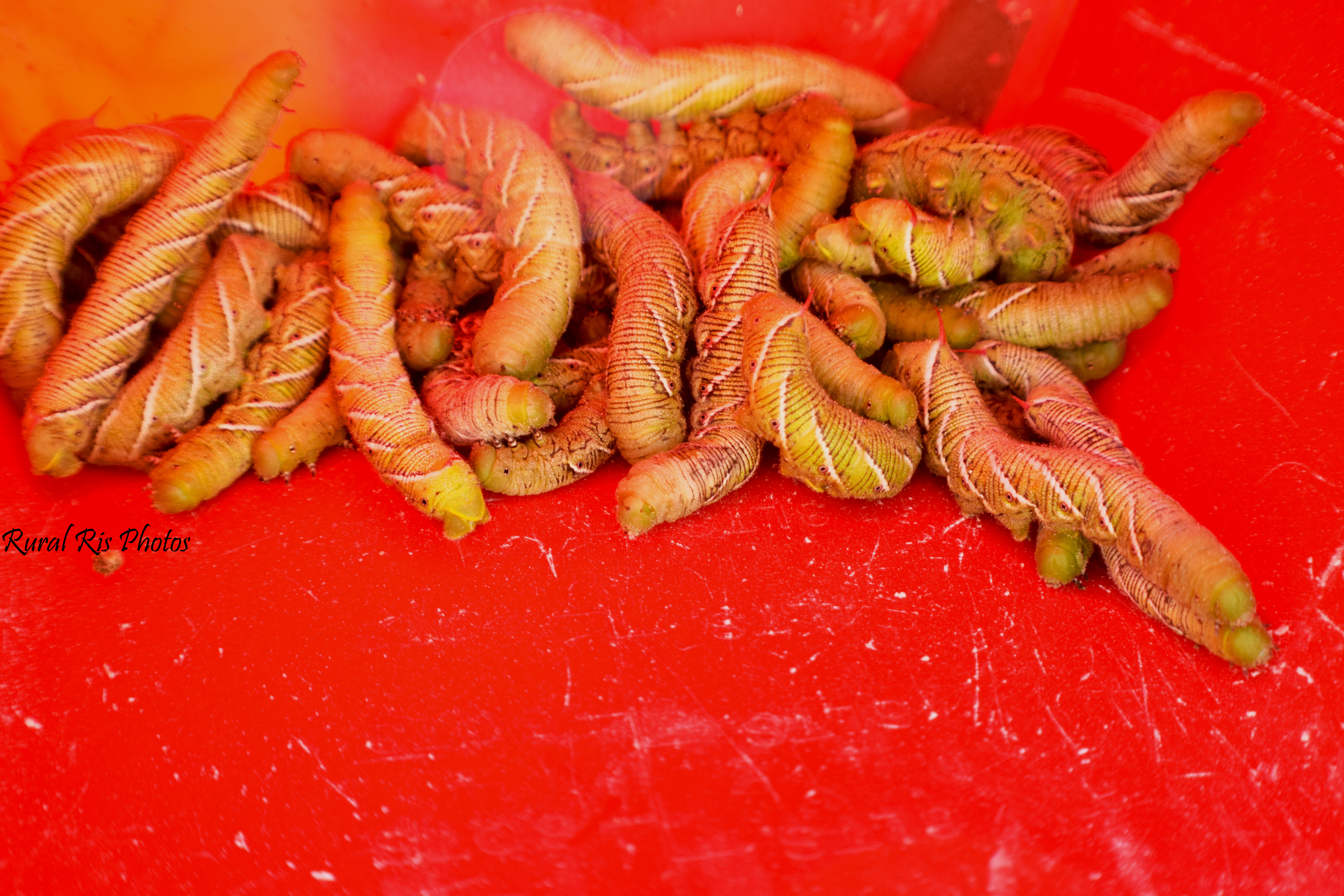
The most effective way to control hornworms is to just pick them off the plant… gross, I know. I wear gloves, because they can pee on you. They can hold on to the tomato plant pretty tight, so you may have to wrestle the dudes off. After hunting for all that you can find (trust me, it isn’t easy spotting them), you can throw them in soapy water to kill them. I just fed ours to the chickens.
These were all of the ones I picked off of our plants
Because the caterpillars can do so much damage in such a little amount of time, it is important to regularly check your plants. Afterall, there is a villain a foot, and they are ready to chomp down on some foliage.
Despite essentially killing our tomato plants, hornworms are pretty interesting. They also make for some cool pics. For the record, though, the pictures I got do not mean I have gone soft. The tomato hornworms are not welcome in my garden.
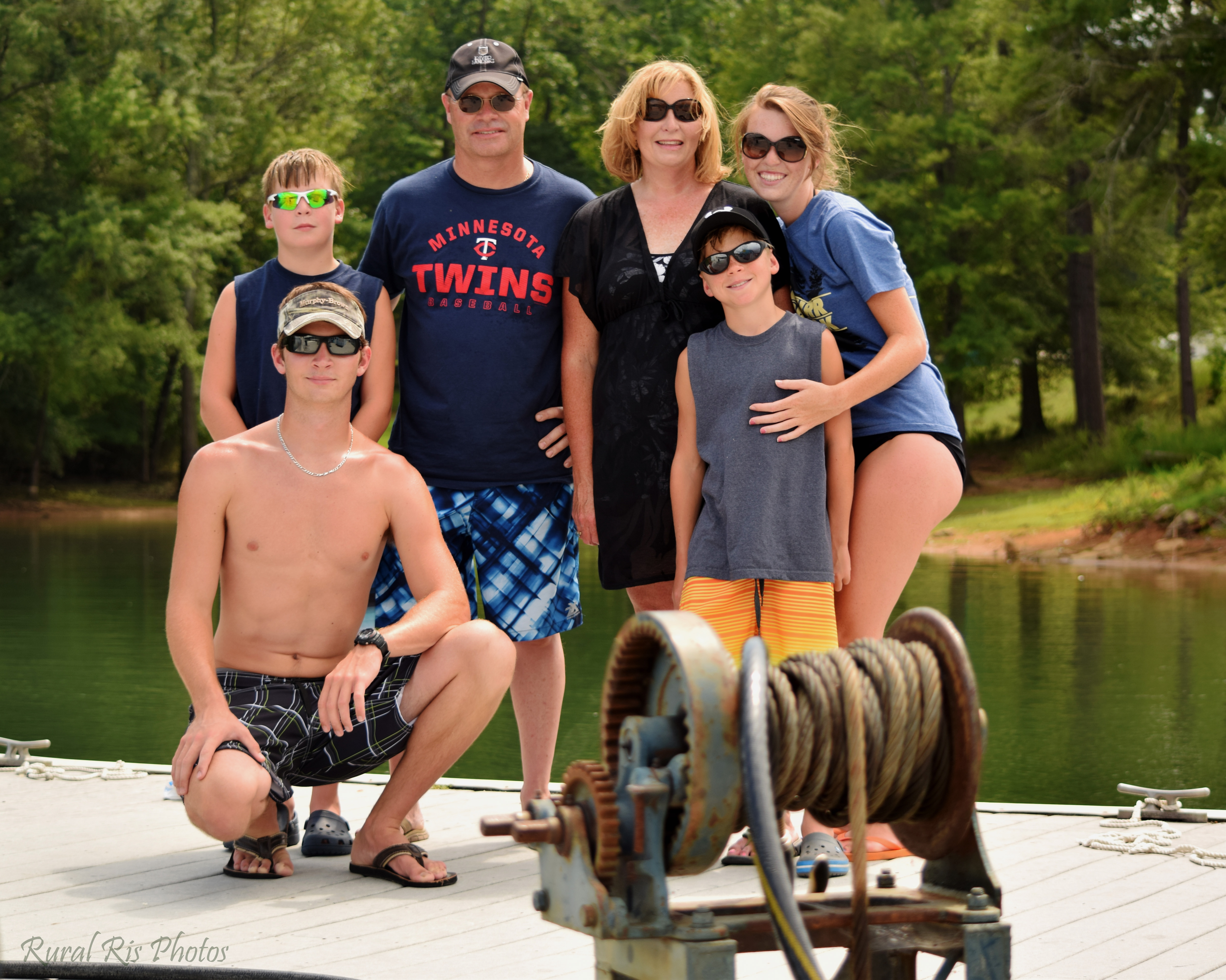
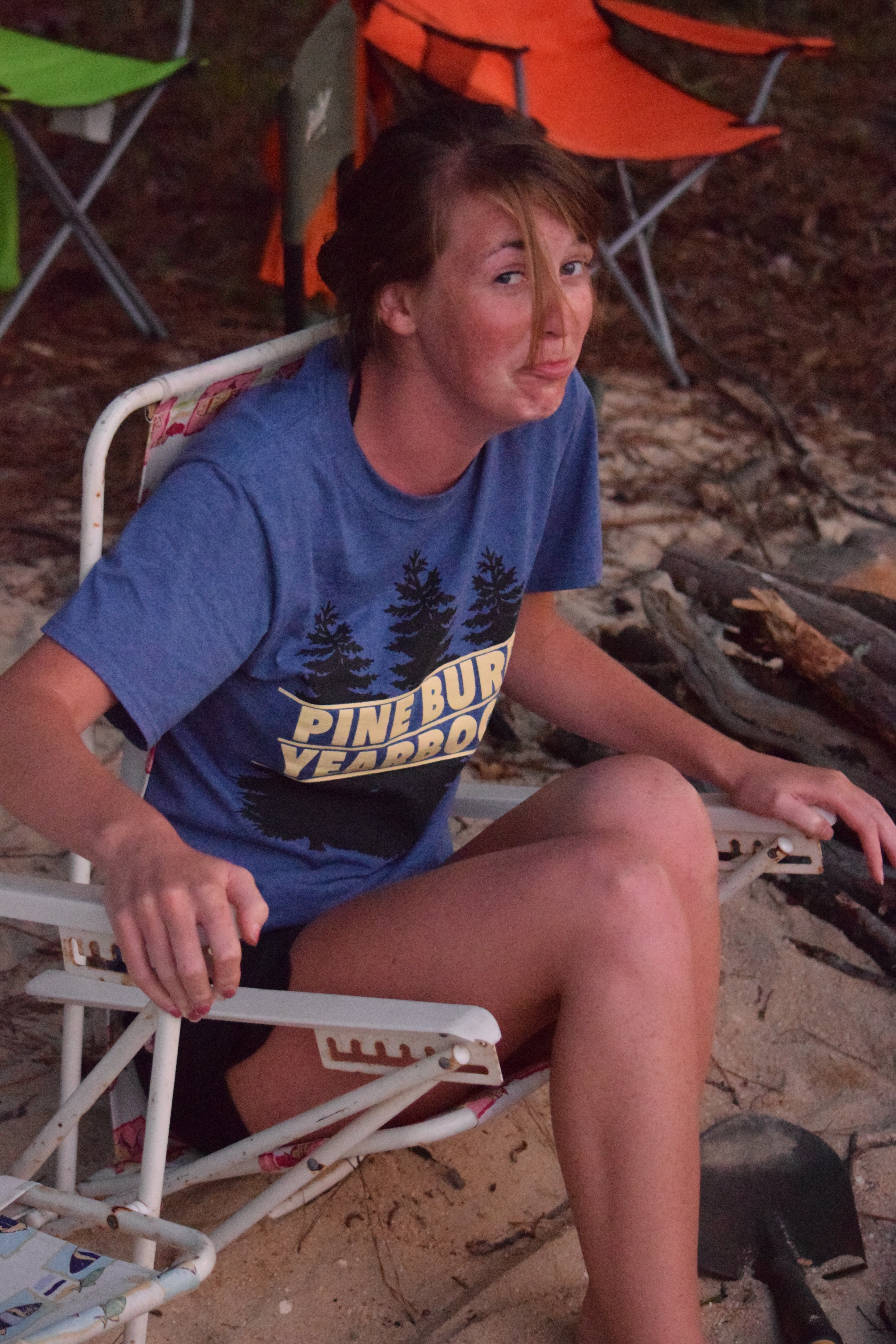
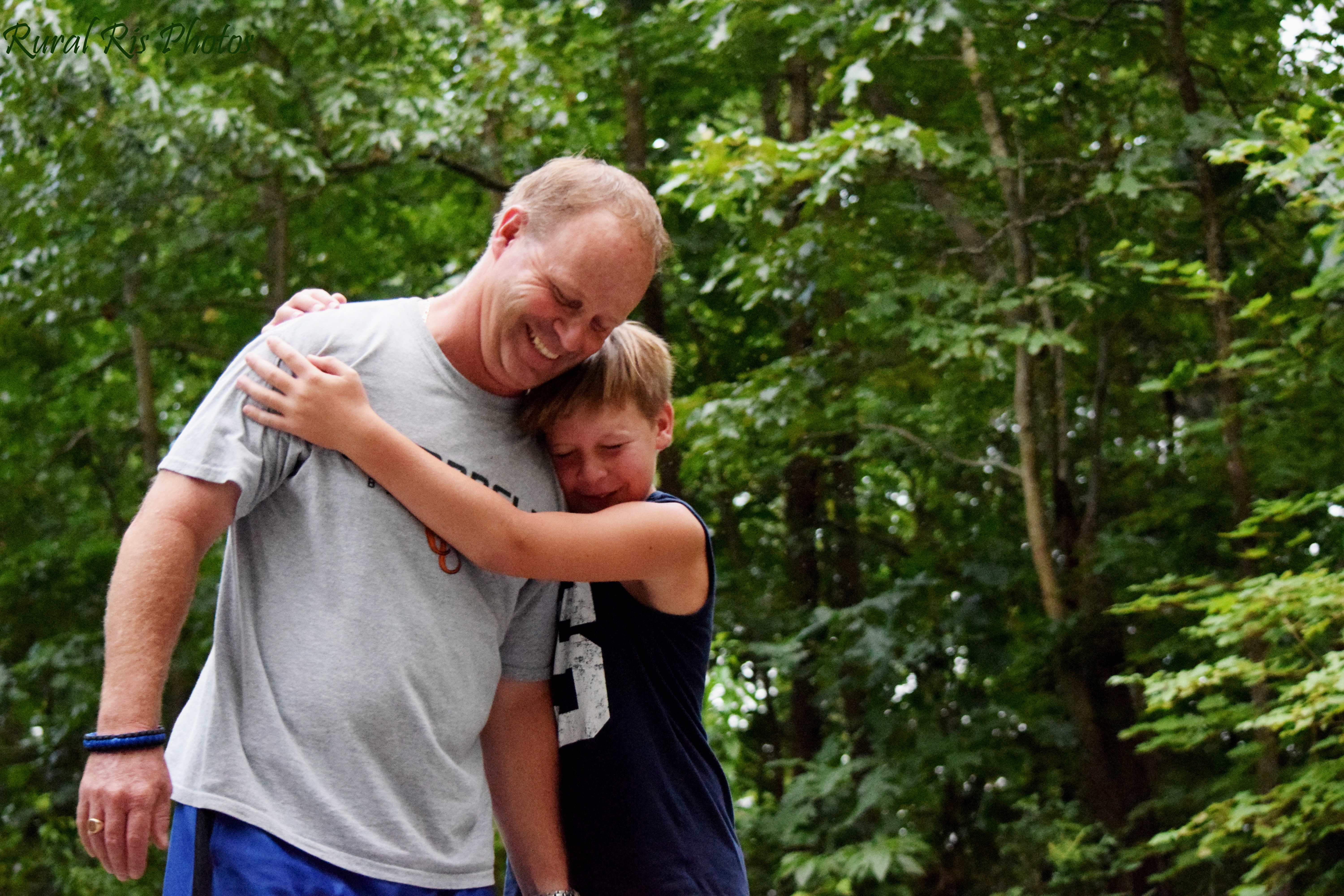
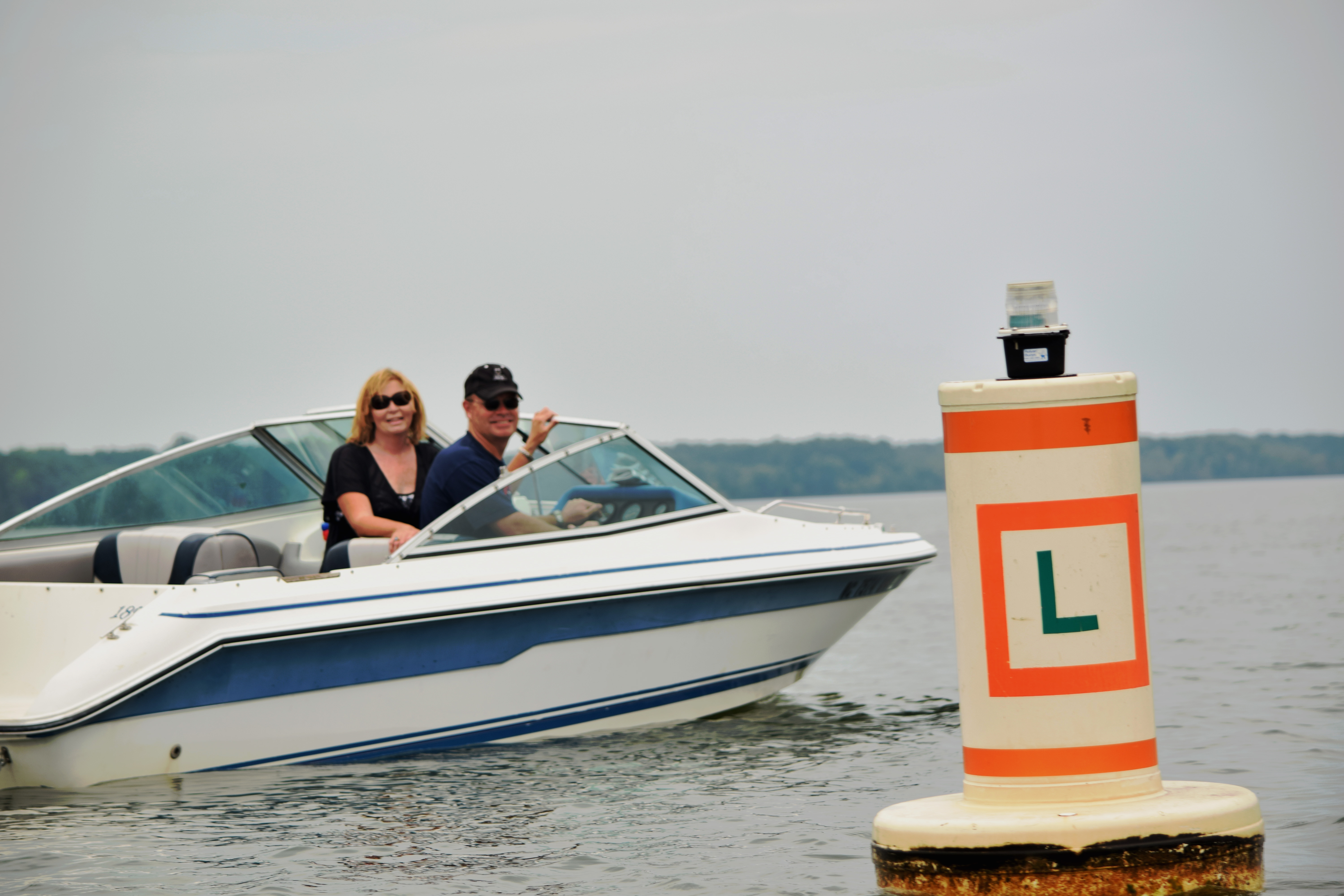
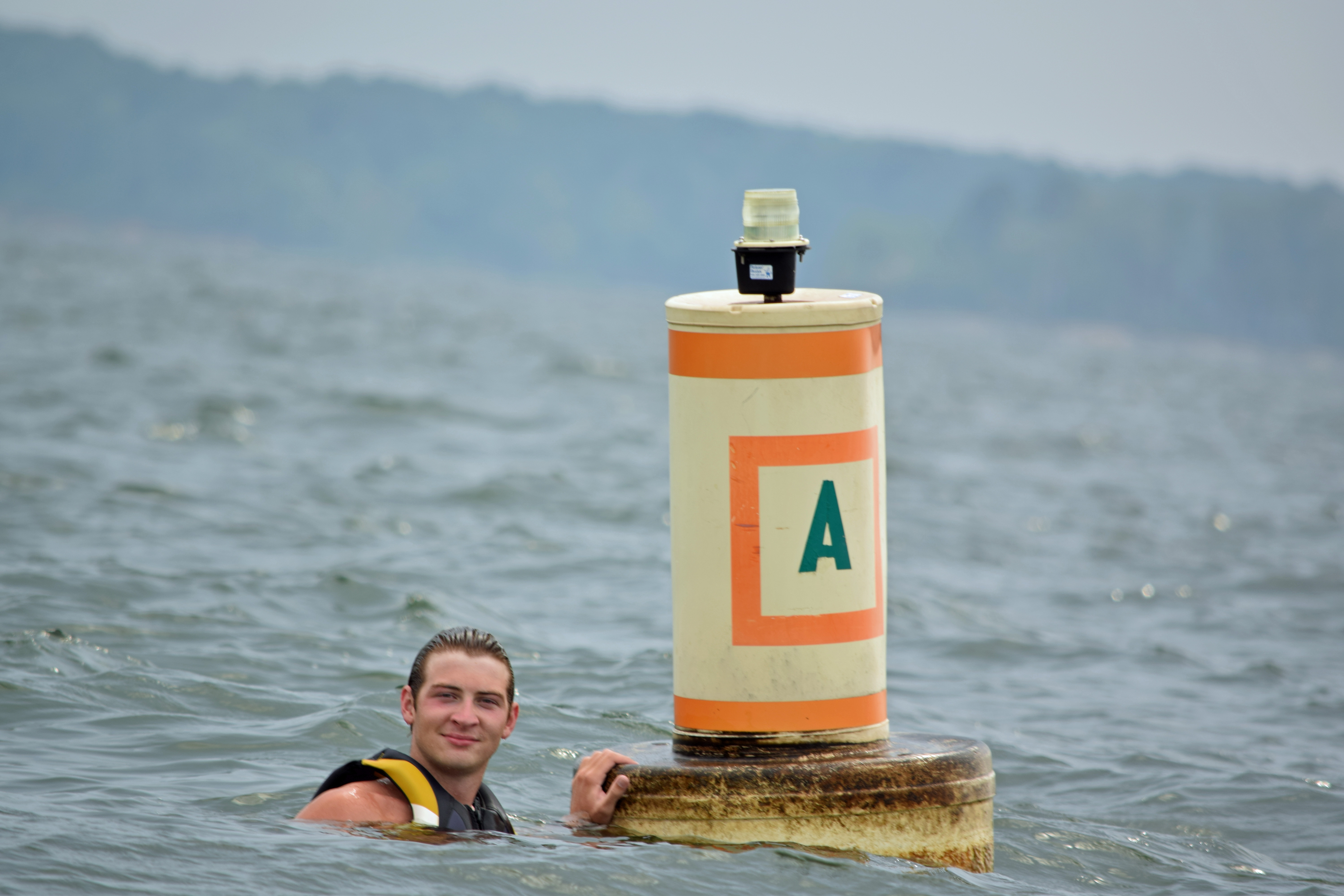
My family just got back from the week we look forward to all year– the lake! We spend a week at Kerr Lake near the Virginia Border with our camper and boat. It is a chance for us to get away and get some family time in. We definitely learn to be close with 6 of us crammed into one camper for 7 days.
During the span of the week, a lot happened. There were the staples of hot dogs and marshmallows over a campfire, hammocks, and fishing, but there was also exploring abandoned buildings, ripped bathing suits, chiggers, thunderstorms, and picture perfect sunsets. All in all, it was the perfect family vacation 🙂
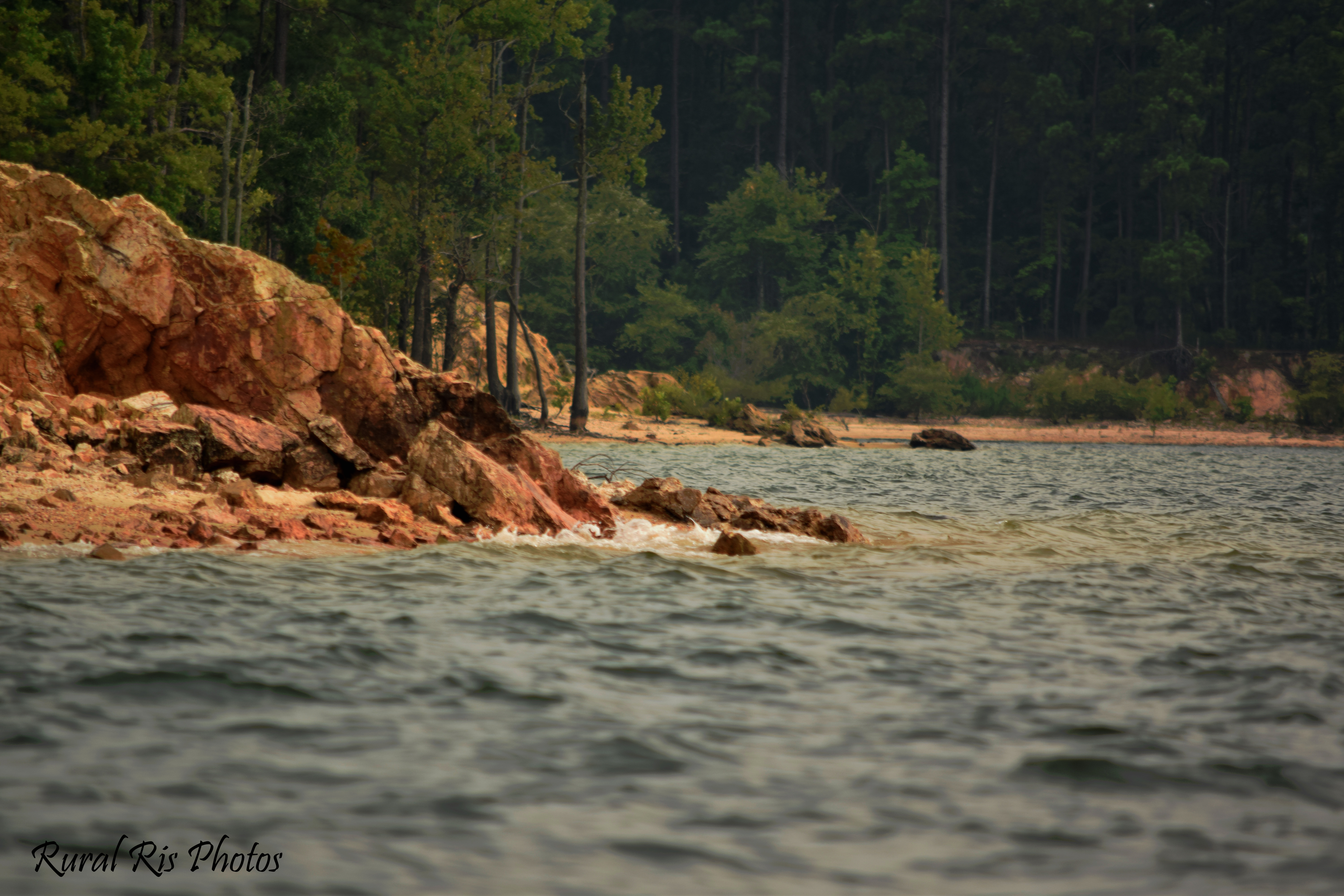
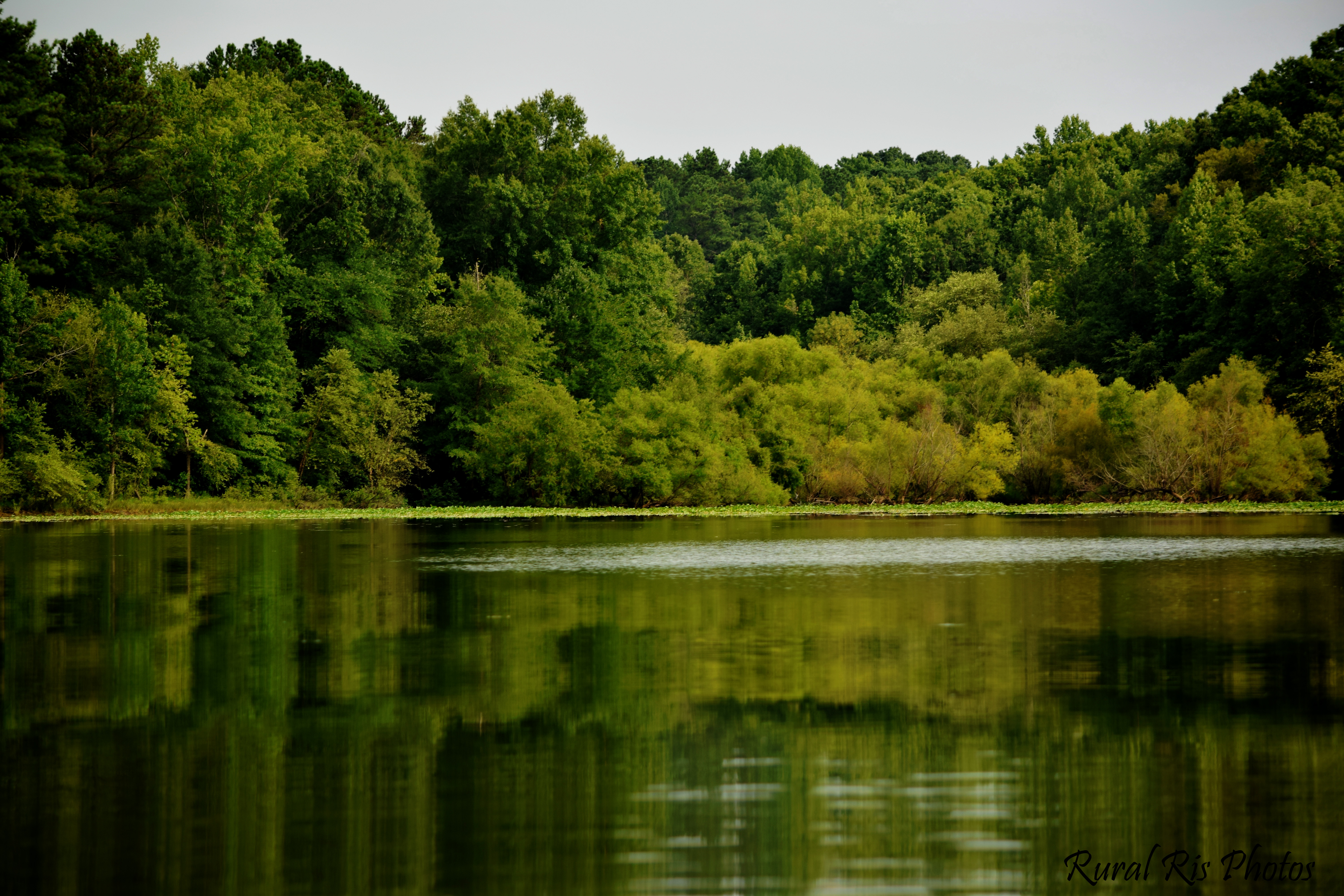
Kerr Lake has been a family destination for my whole life, going back to even when my mom was a girl. With a view like that, how can you blame us?
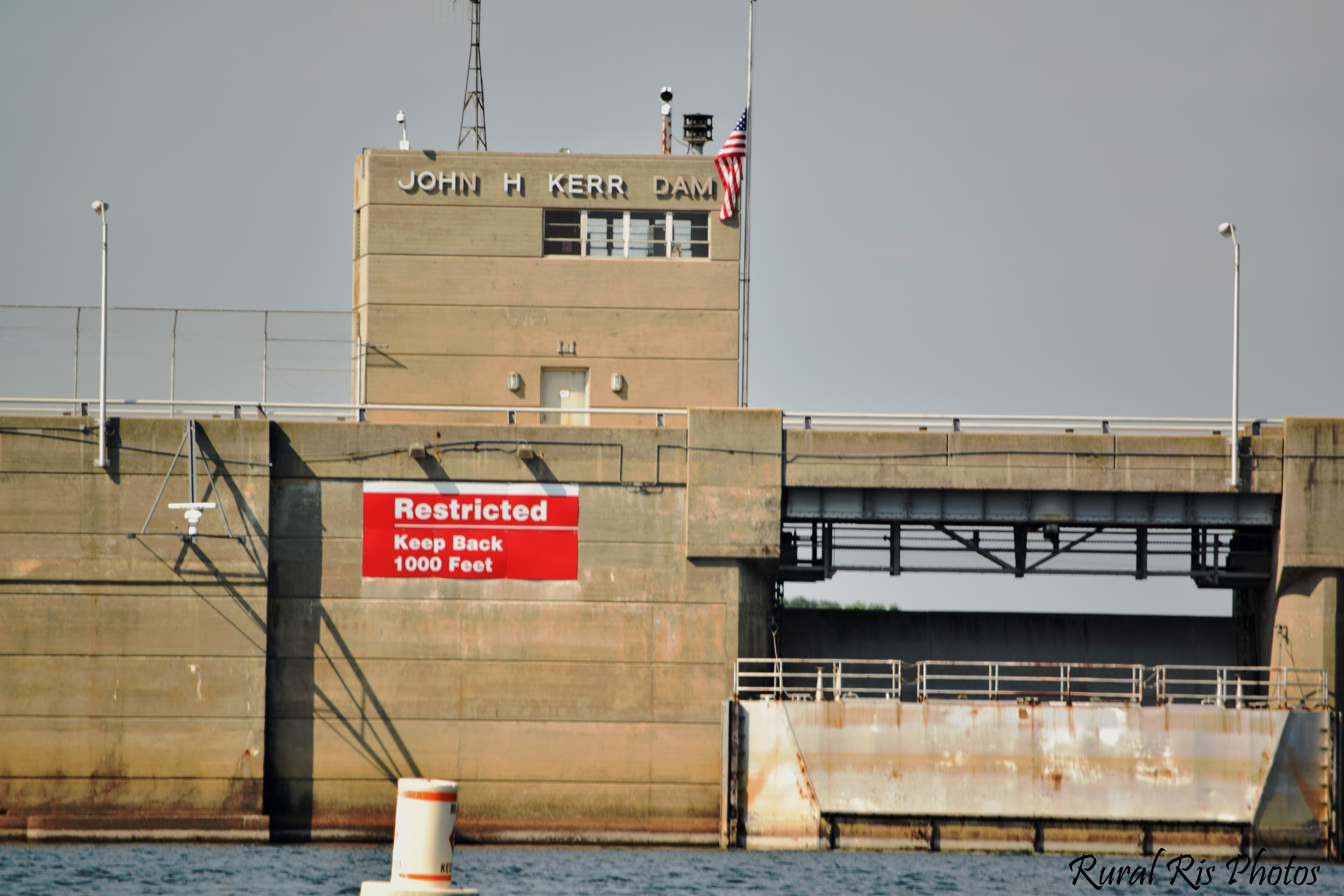
The lake is the result of the John H. Kerr Dam. In past years, we have walked across the dam. On the other side is the Dan River.
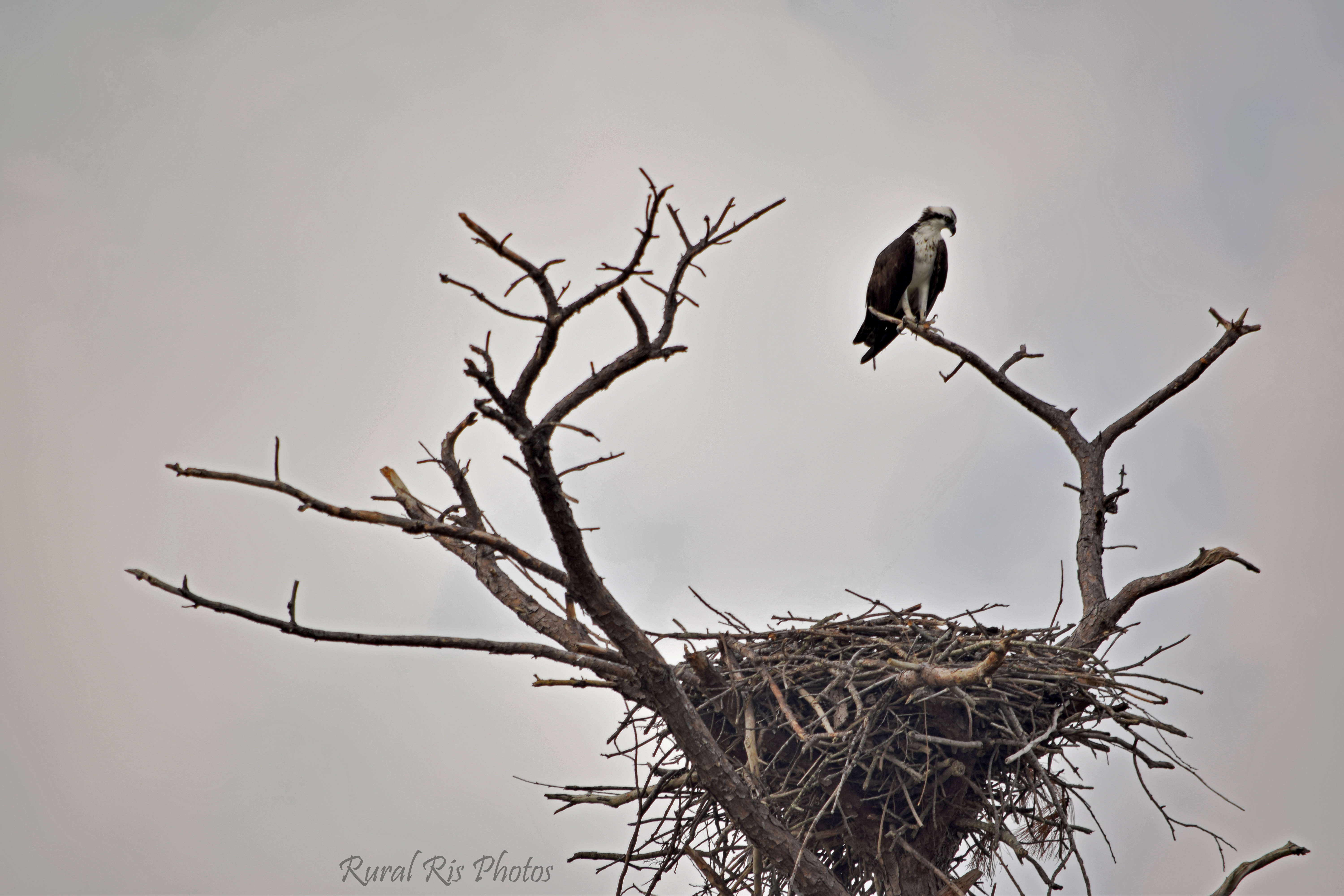
Kerr Lake is filled with all sorts of wildlife. One of my favorites is spotting bald eagles soaring in the sky. While this is not a bald eagle (I couldn’t get a decent photo), the osprey is still an awesome sight!
Geese came right up to the campsite too. Gideon decided to chase them with the kayak once. They did not appreciate it at all.
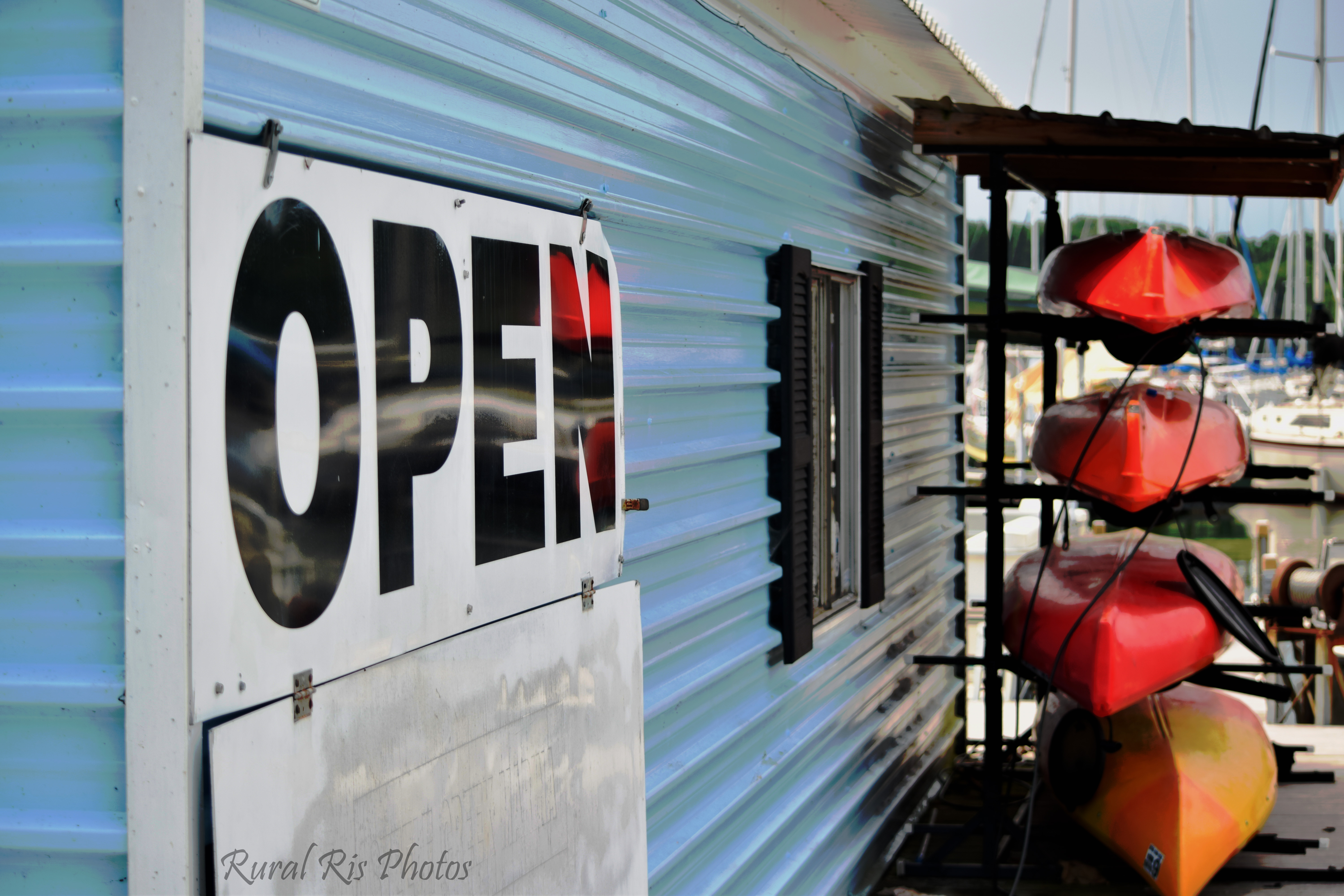
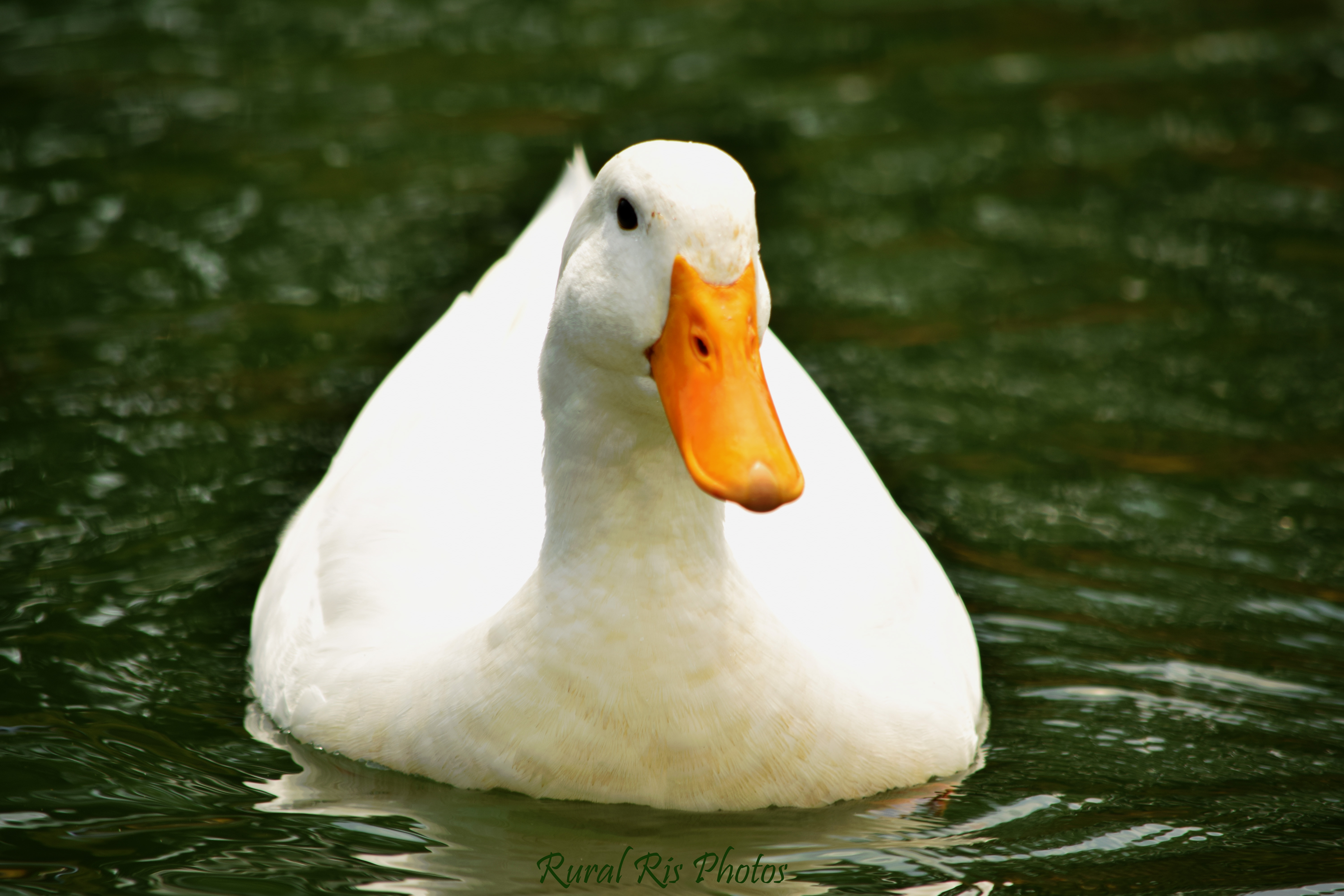
A tradition that we always have is to visit the local marina, grab some ice cream, and feed the fish and the ducks bread.
This guy is just the coolest to me. Dad thinks he is fugly, though.
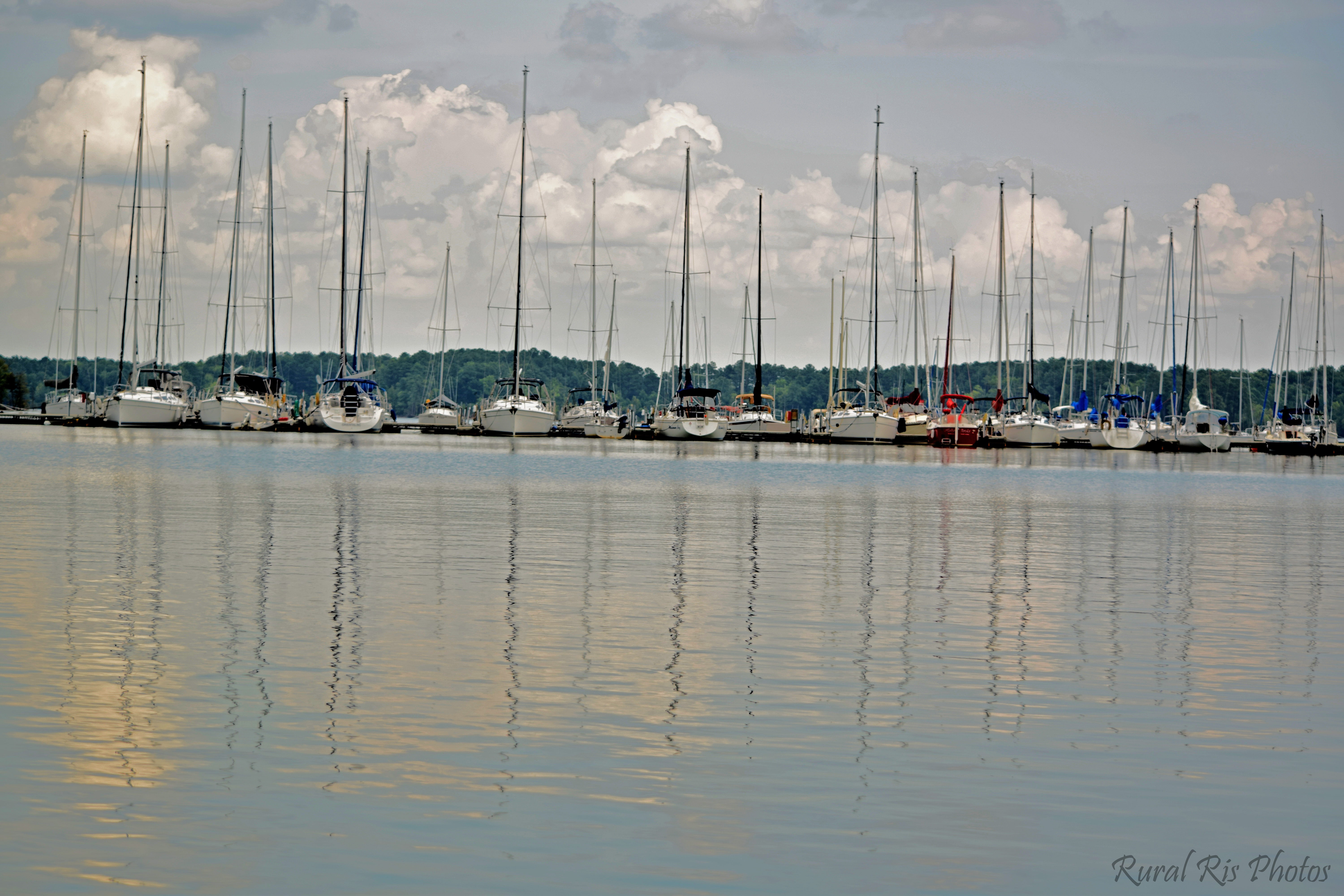
Afterwards, we go and look at all of the sailboats docked at the marina.
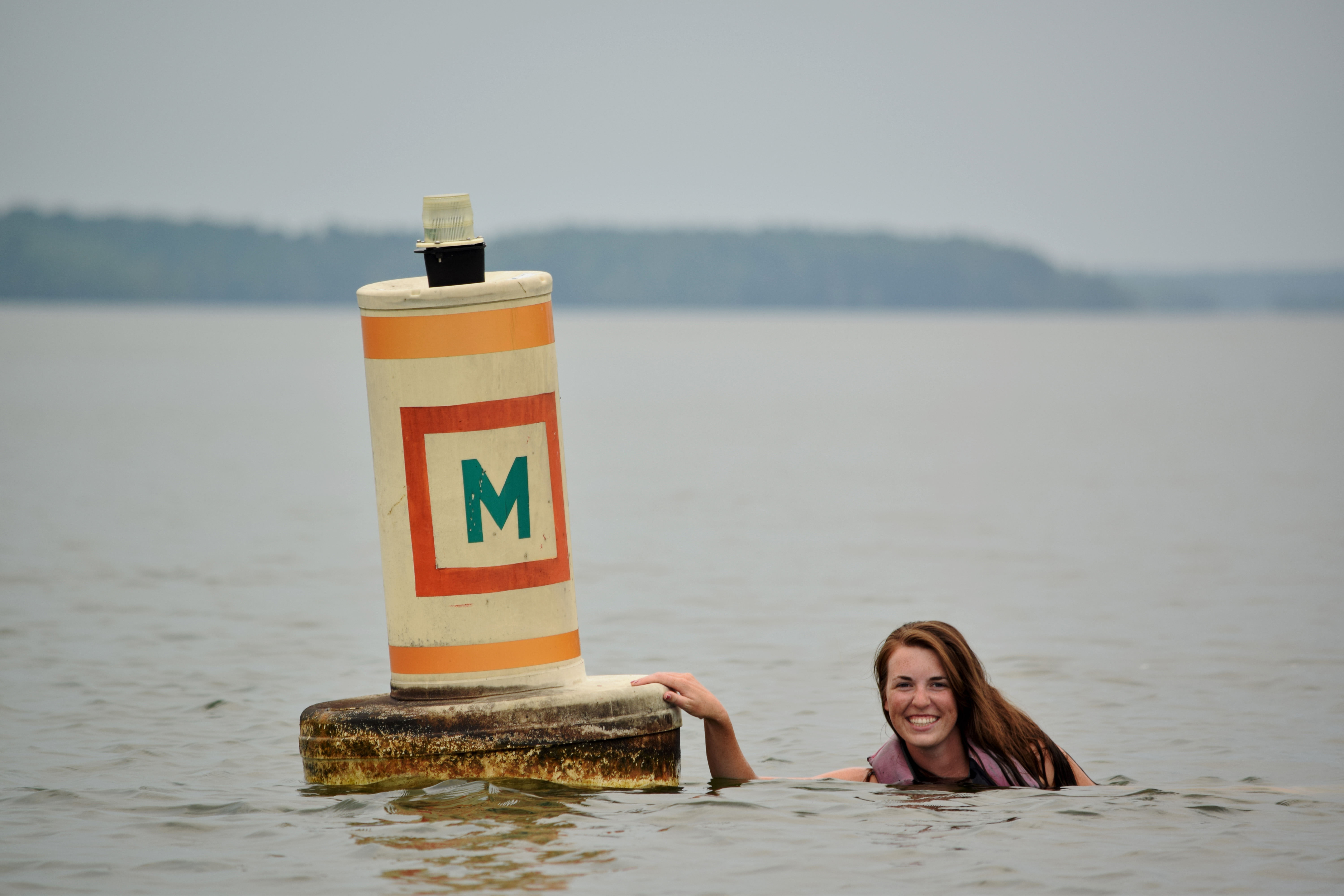
Of course with so much water at our fingertips, we enjoy it as much as possible. That may involve kayaking or swimming.
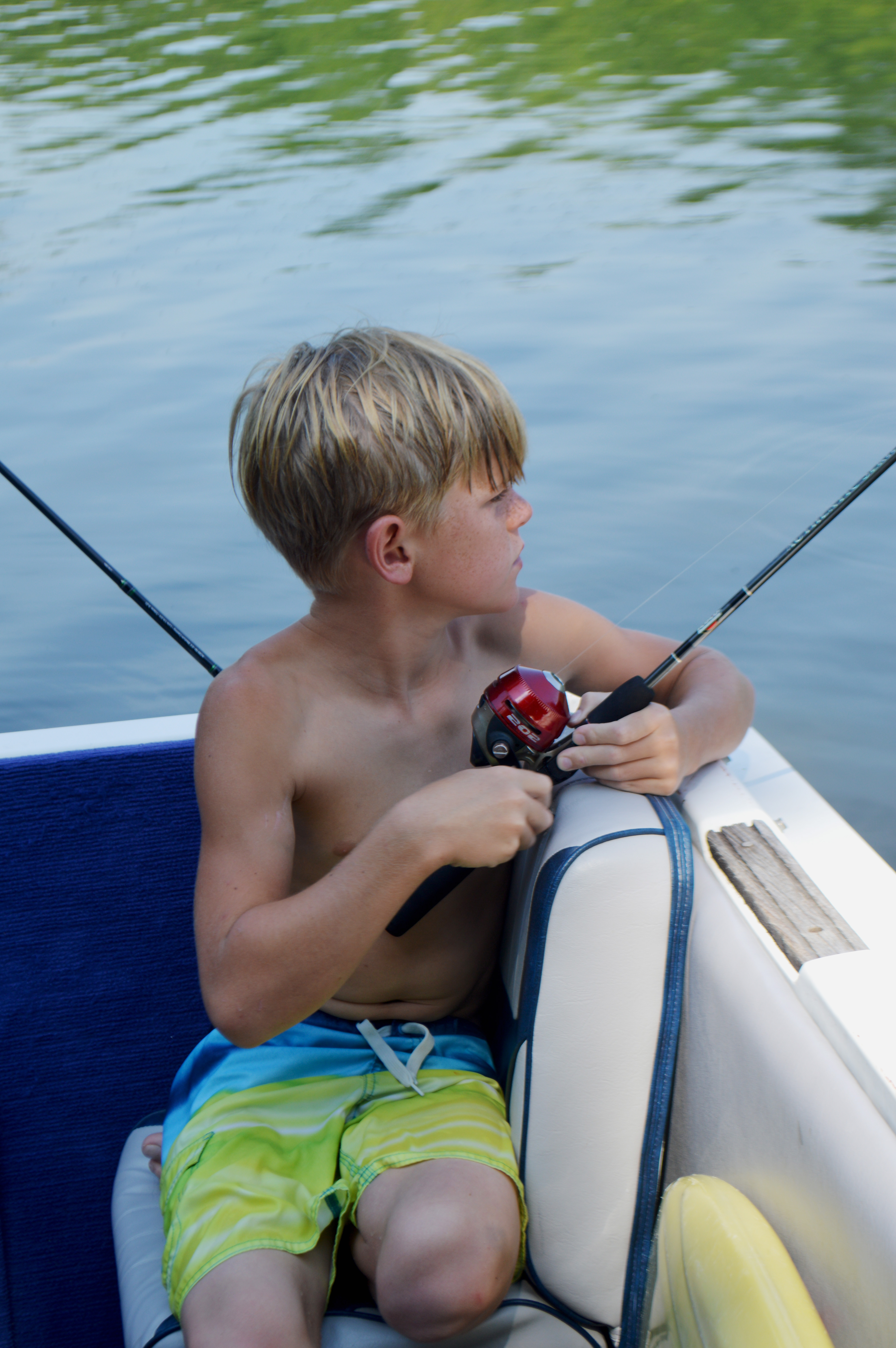
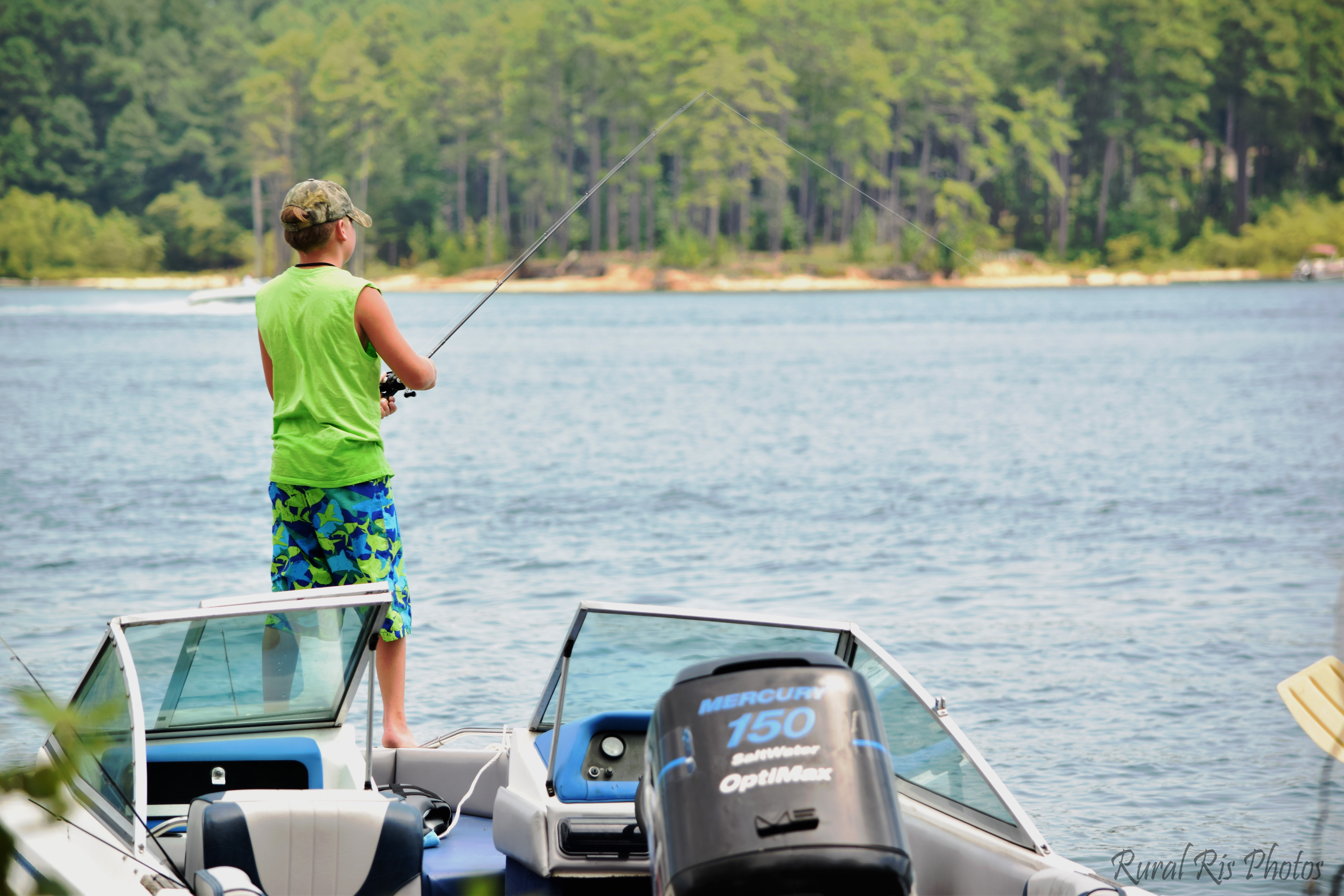
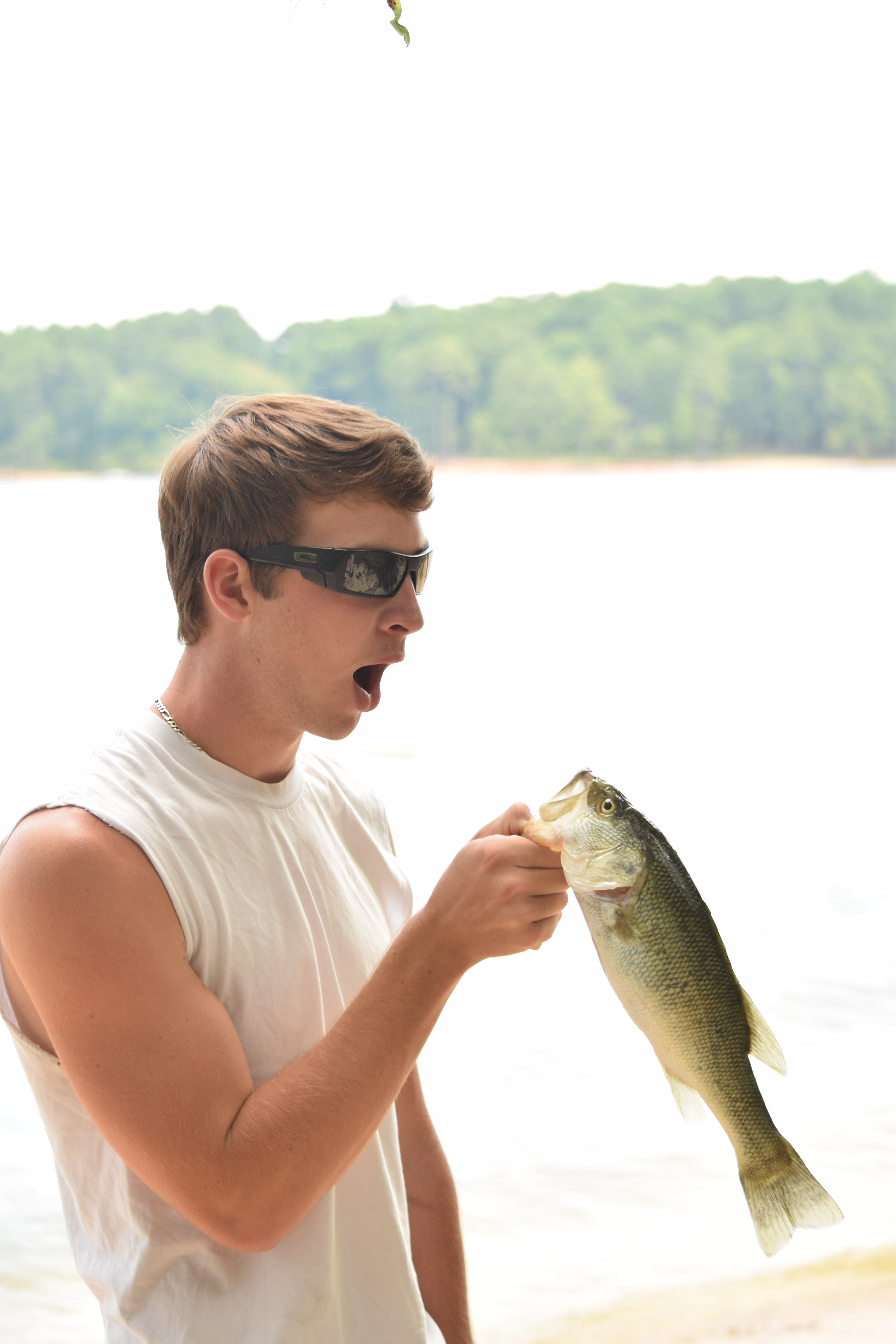
Although we fish every year, we almost never catch anything.
Except for the floating dead one.
We are all about some tubing and knee boarding . We can get kind of crazy on the tubes.
While tubing leaves me sore in the morning, knee boarding does it even worse. As you can see with the following string of pictures, wiping out is not always pleasant.
This picture cracks me up to no end.
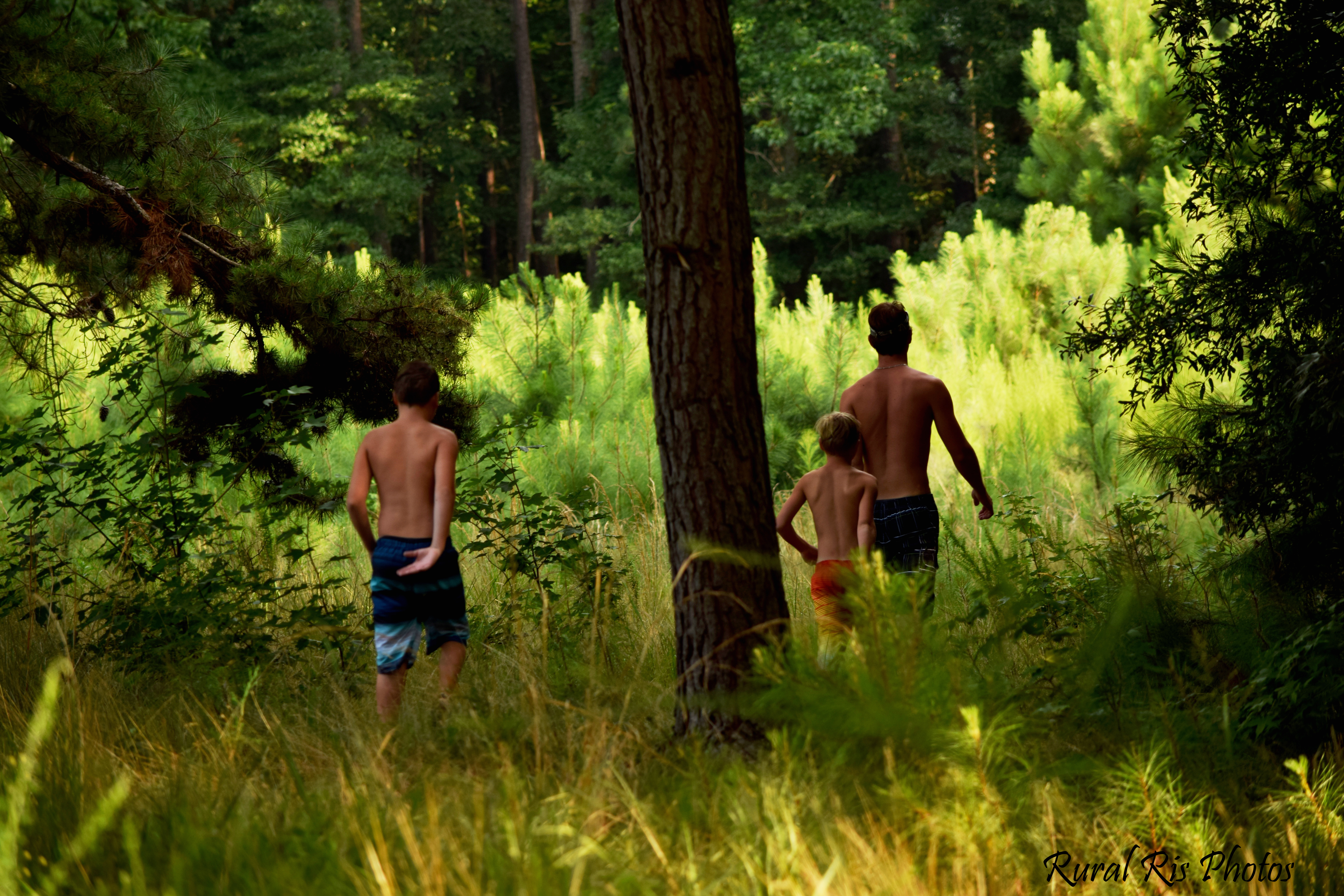
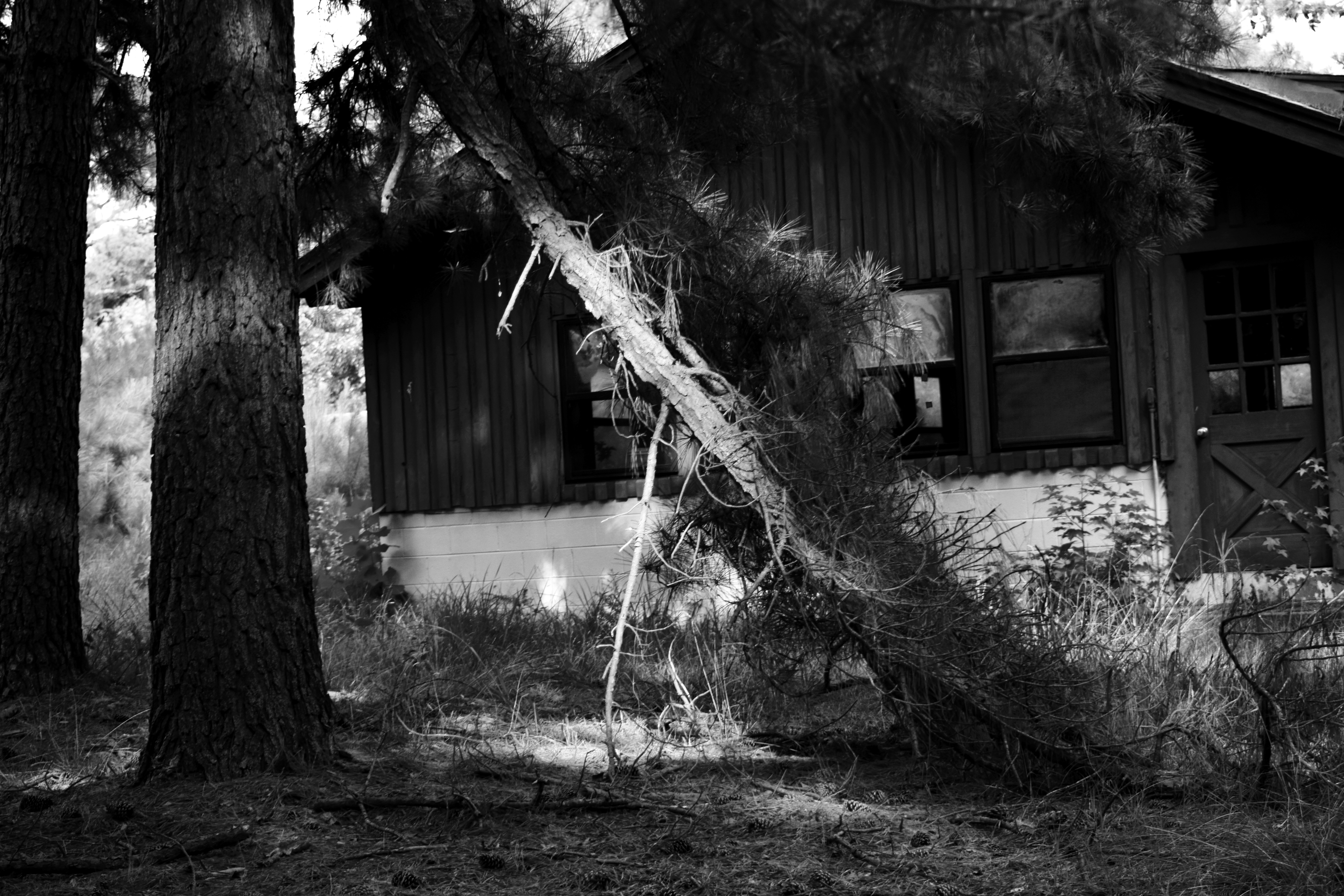
During our water excursions, we typically stop off at different islands to explore. At one we found old abandoned buildings. It was quite mystical.
On our last night, we had a campfire. The boys are little pyromaniacs, but I think their favorite part is dumping water on the fire to douse it.
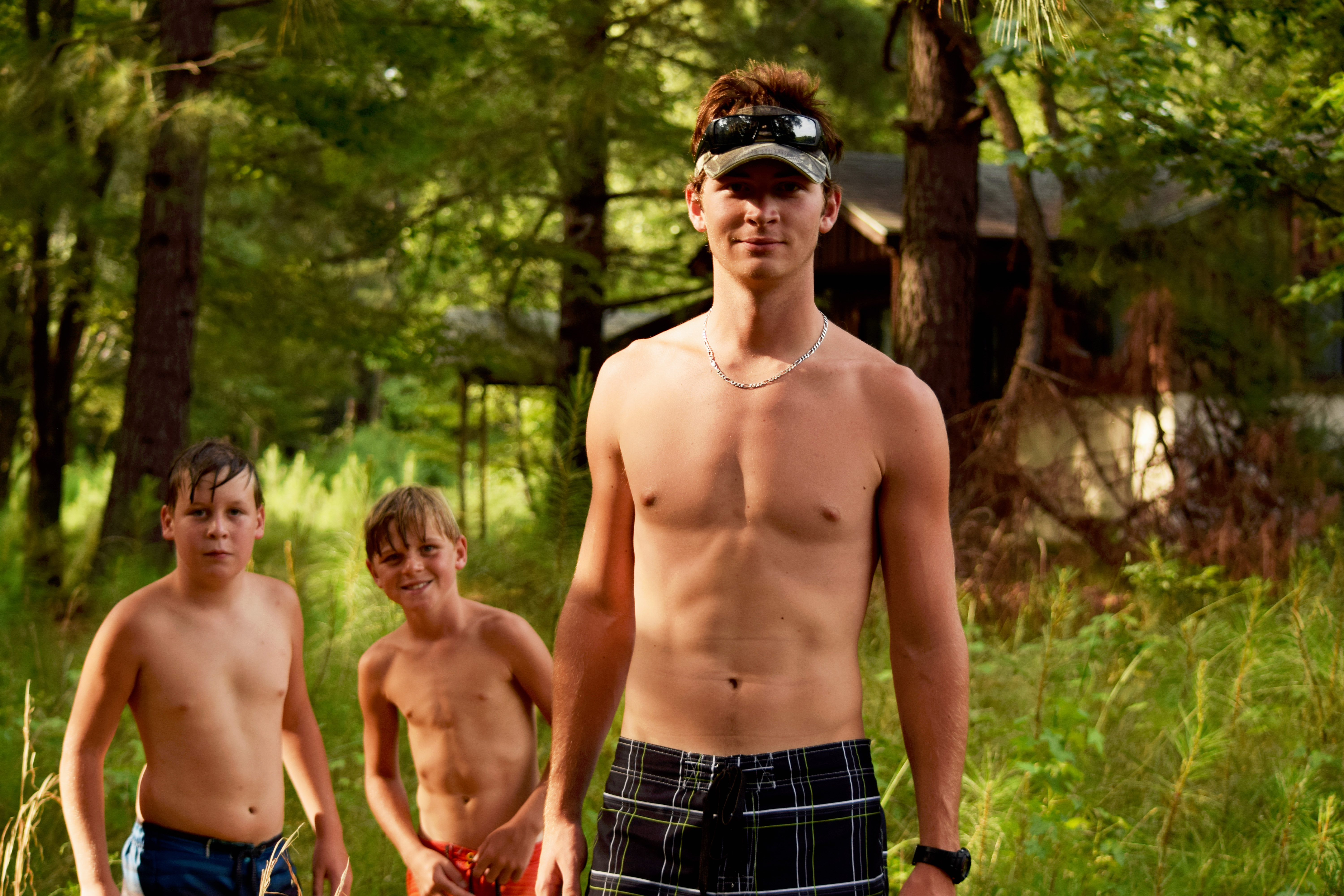
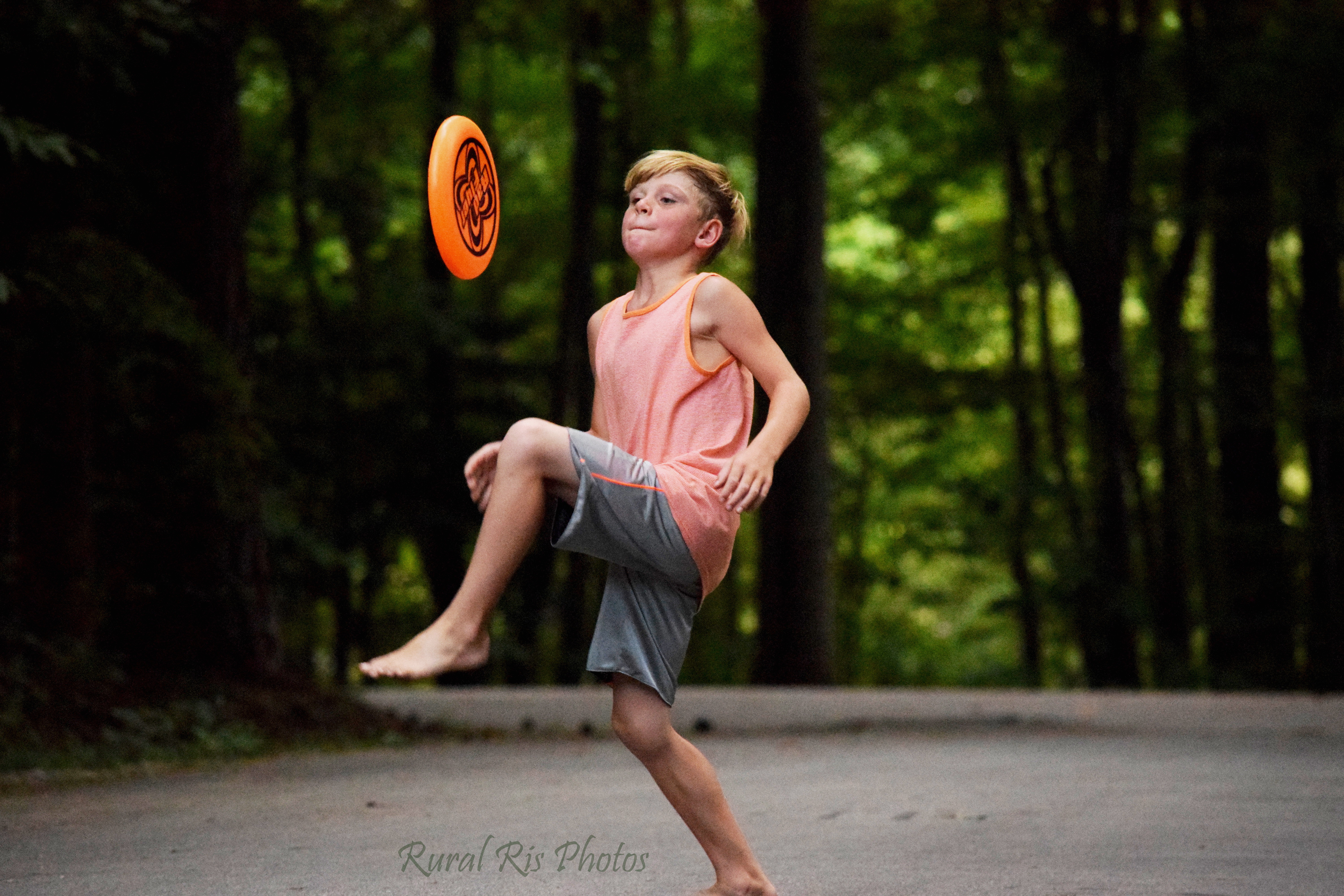
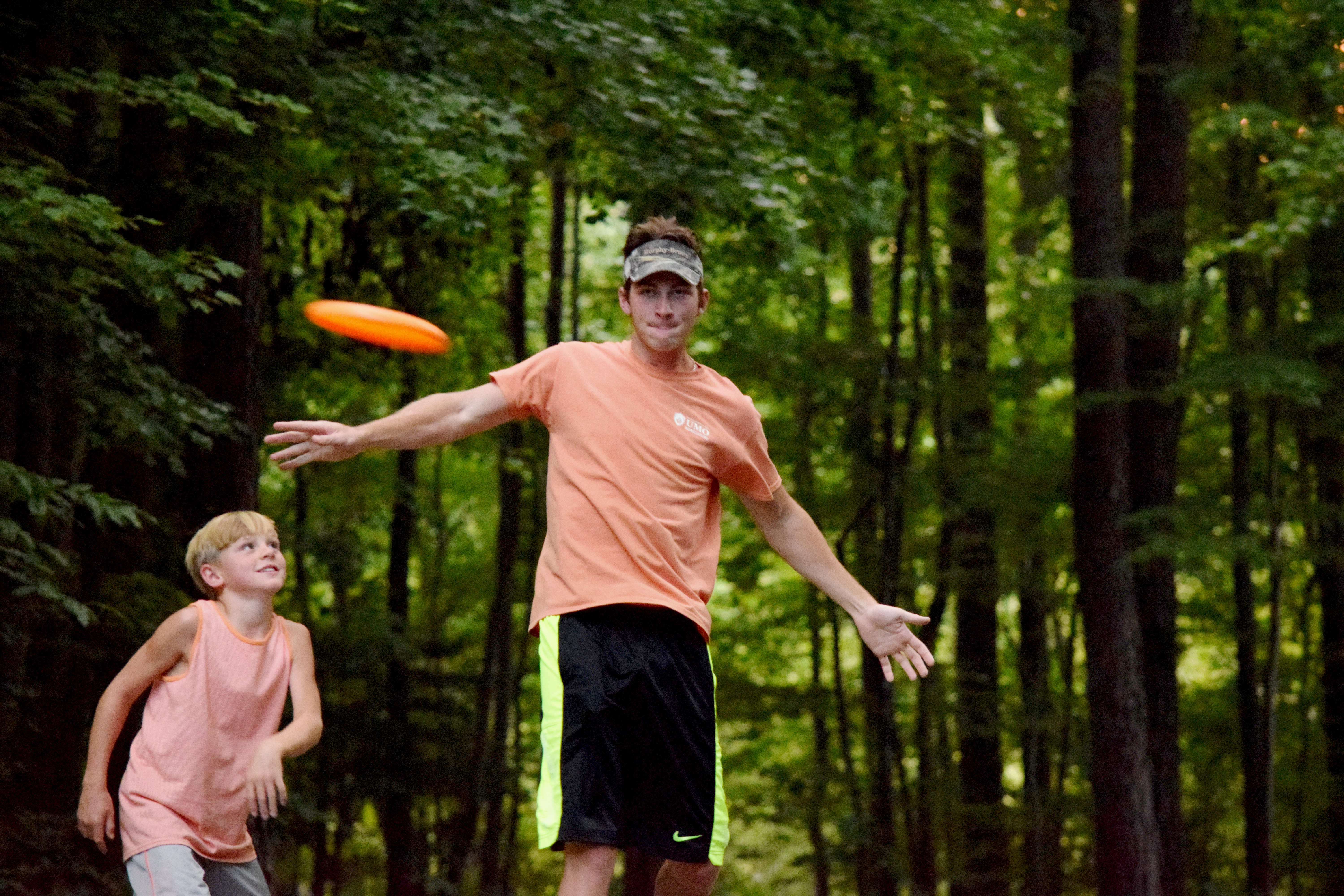
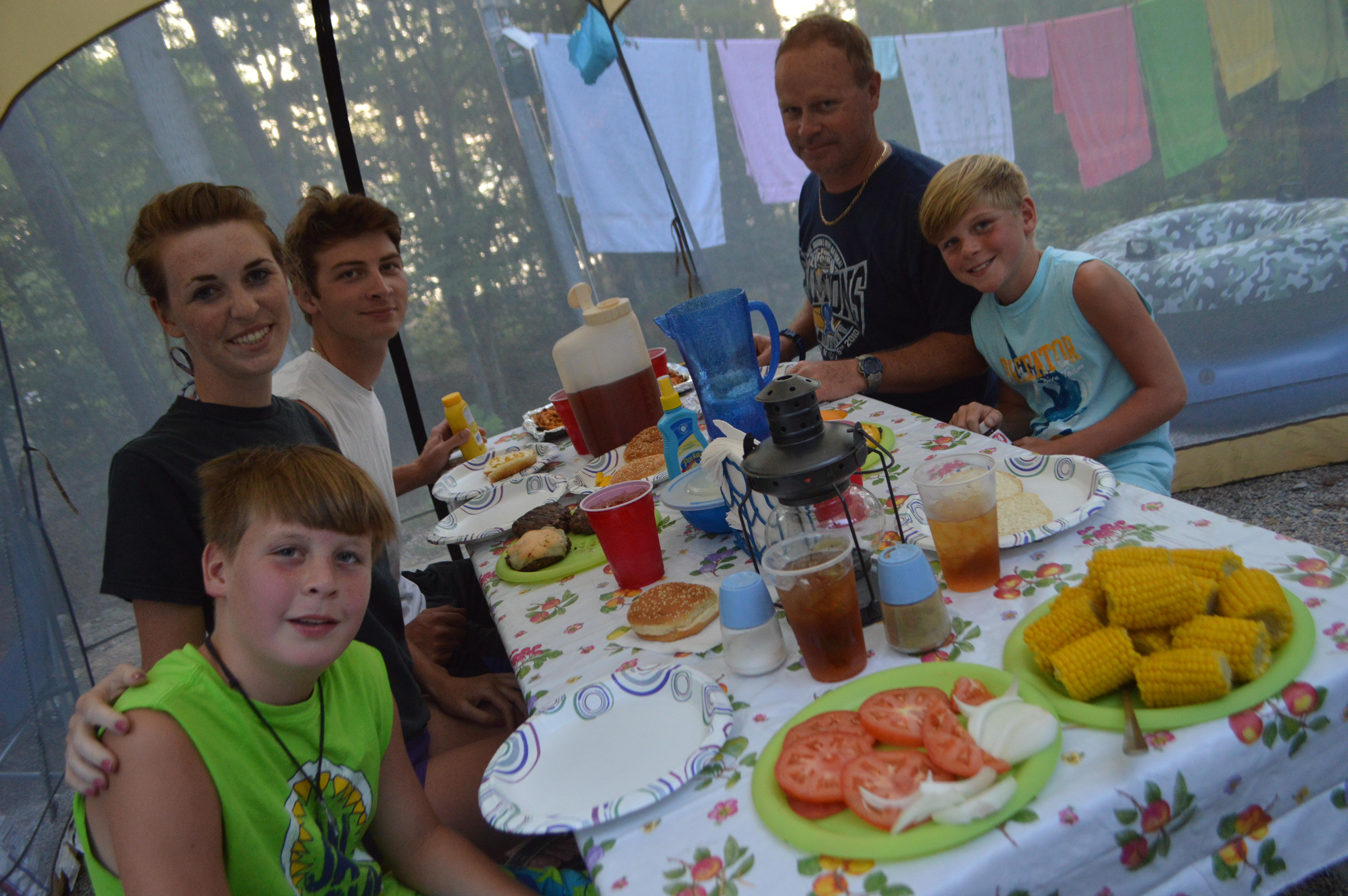
Frisbee, walks, bike rides and of course cooking out are all on the to do list.
Mom and I like to read and bask in the sun.
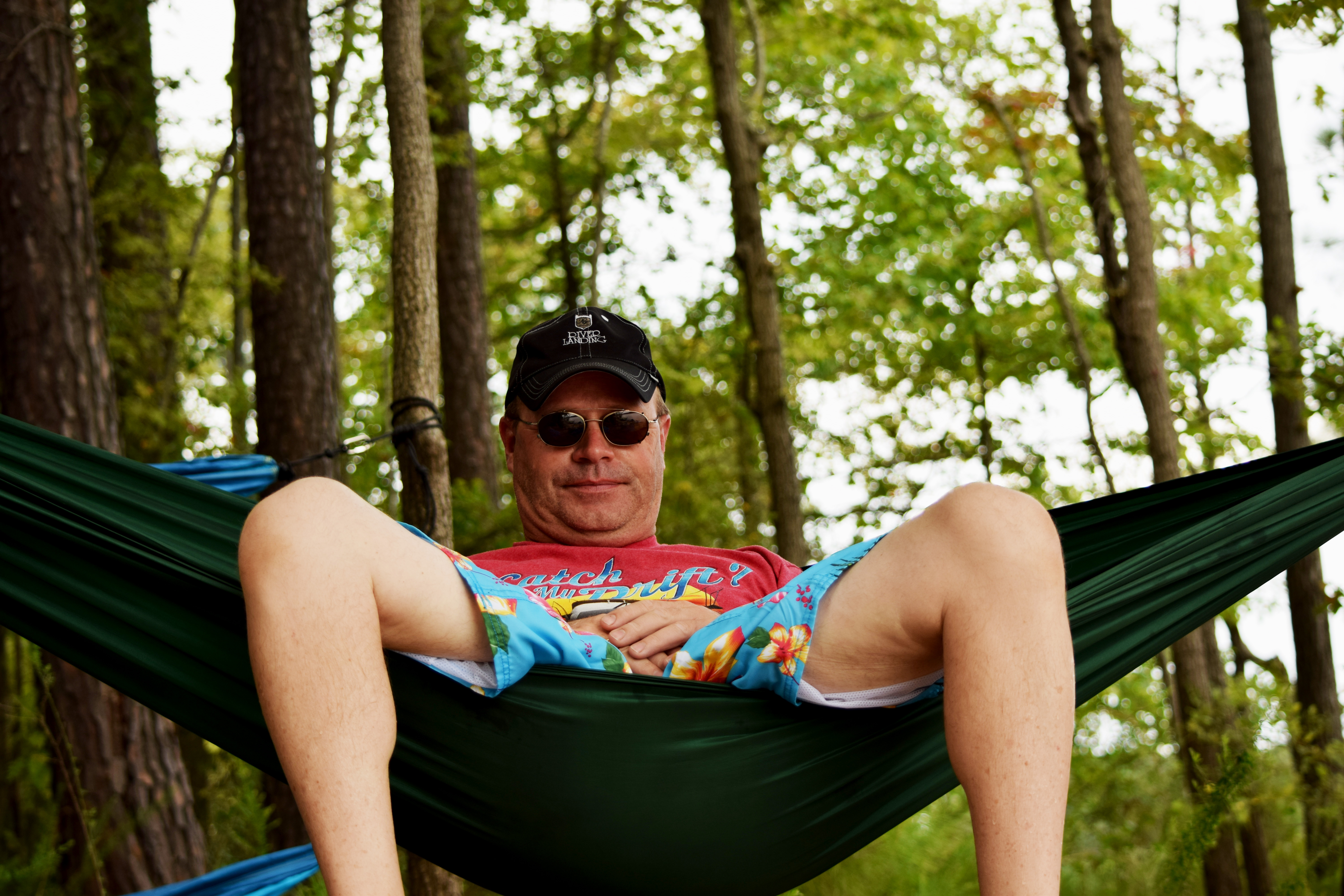
Dad and Alec are basically obsessed with their hammocks.
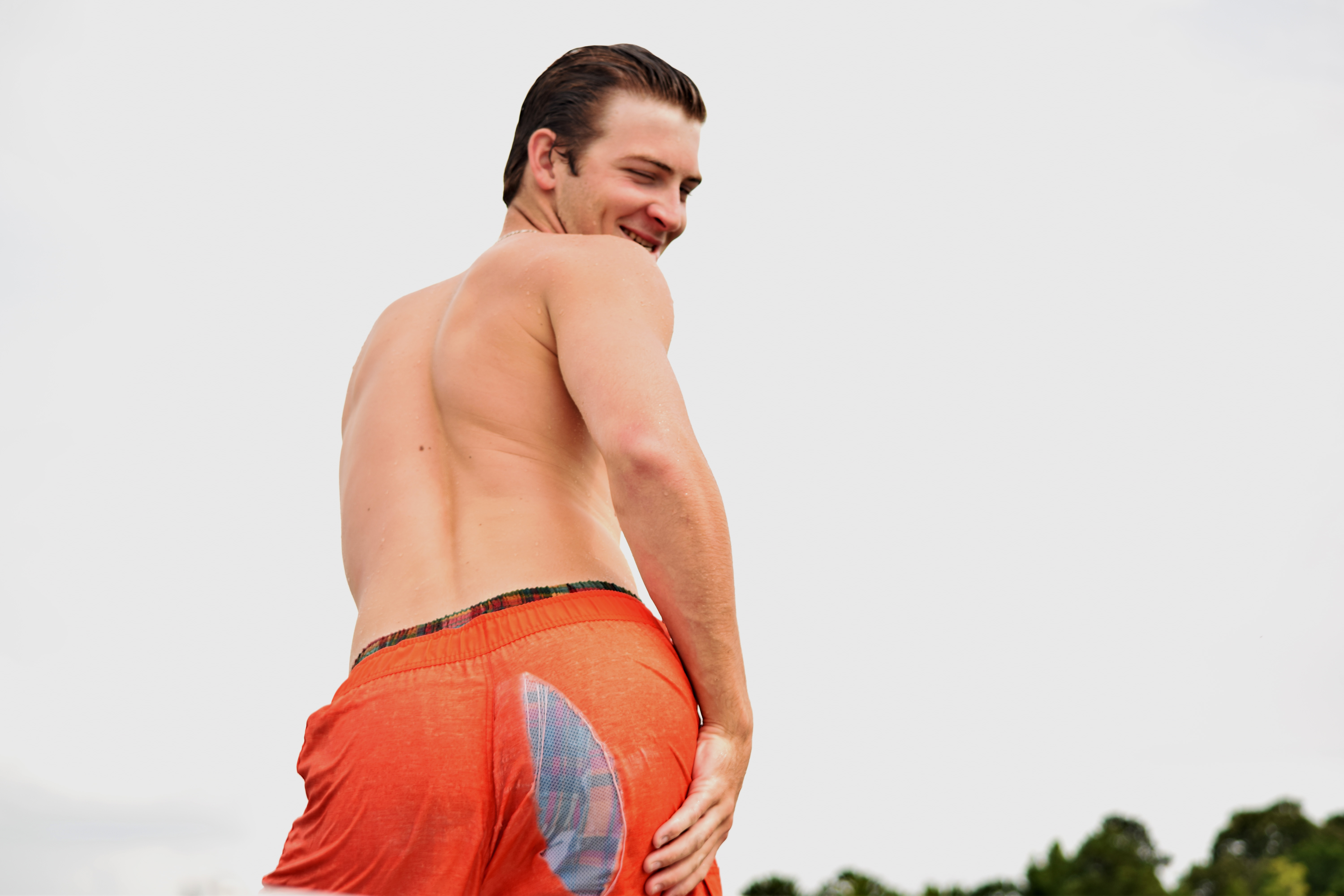
Poor Alec wasn’t just about relaxation. He not only ripped his pants, but he also got chiggers.
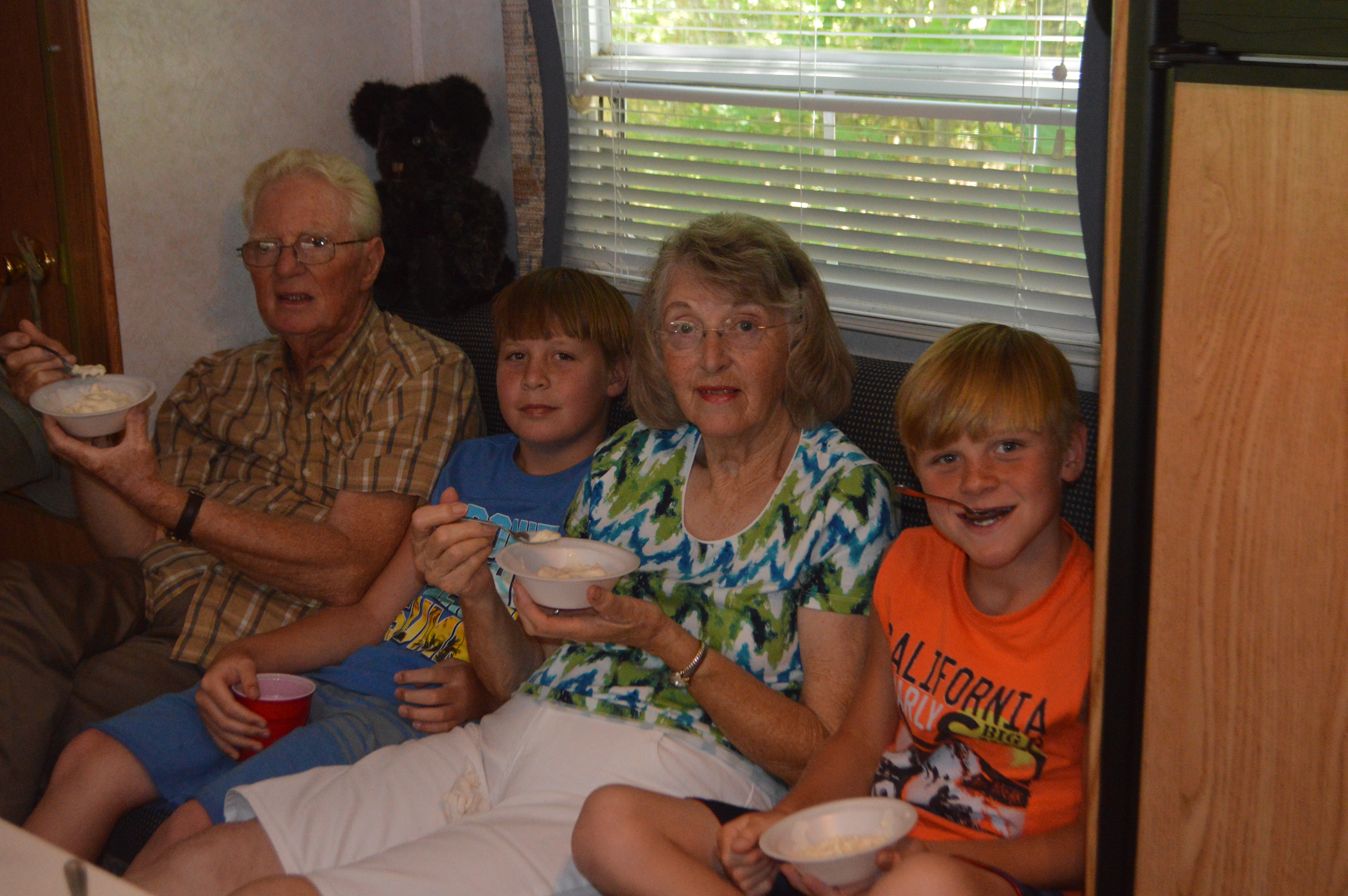
Grandma and Papa always bring Bojangles to us when they come back with the other truck to pick the boat up. It was so good seeing them, and homemade pineapple ice cream made it even better.
Just in case you wanted to see a few more candids… you know, because I haven’t included enough pics as is 🙂
Kerr Lake was the perfect vacation, and might I add, that I love my Linton family time oh so much!
There are bad things in life that happen to good people, and it is completely unfair. Yet out of the depths of bad and unfairness, strength and grace arise to the surface.
Over the past few weeks, I have had the privilege of getting to know the Taylor family. After several e-mails, they invited me to come to their home and talk with them about their story. It was the youngest Taylor’s first birthday, and it was a privilege to be able to take a peek into this special family’s life.
Front, L to R: Brooke, Ivy, Halle, Kinsleigh, Chase, and Mrs. Annie Back, L to R: Kevin, Jason, Angie, Johnnie, Tara, Sheila, Preston, and Mr. Donnie
Donnie and Annie Taylor live in Pink Hill, North Carolina. Married in June of 1968, the couple began their life on the family farm. Donnie graduated from North Carolina State University Agriculture Institute (Go Wolfpack!!).
They had three children– Johnnie, Sheila, and Jason– who are now married and have children of their own. Johnnie, and his wife Tara, have a 5-year old daughter named Halle. Sheila married Preston Sutton, and they have a 9-year old son, Chase and a daughter, Kinsleigh, who is 6. Jason and his wife, Angie, have two daughters, Ivy who is 9, and 6-year old Brooke . They also have a son named Kevin who just turned 1. Johnnie and Jason both work on the family farm with their dad, Donnie, and Sheila works in oncology clinical trials. The whole family spends a lot of time together. They all go to the same church, cook out together, and are big fans of Jenga. They constantly work together as a team, whether they are working on the farm, or tag-teaming to get all the cousins to their many activities. It doesn’t take long to see the bond they share between each other, poking fun at each other, and even finishing one another’s sentences. If they don’t sound great enough already (I mean, NC State alumni, food lovers, and super nice…you can’t go wrong), they are also a farm family.
Donnie and Annie have been farming for 47 years. Throughout that time, they have worked hard to create a farm for their family’s future. They started off with row crops, and in the 90’s, they built three hog finishing houses, later adding 8 chicken houses in the 2000’s. Their oldest son Johnnie manages this farm. In 2010, they made the decision to expand their farm by purchasing a hog farm about 25 miles away that included 14 finishing houses, 6 nursery houses, and over 200 acres. Apart from being a good deal, they chose to buy this farm in an effort to provide the opportunity for their youngest son Jason to come back home to farm. Even though the farm needed cleaning up, they were excited for this chance. Donnie could wind down and retire, while his two sons took over their respective farms.
Mrs. Annie and Mr. Donnie have farmed all of their life.
I wish with all my heart I could stop their story there. I wish I could tell you they did a “farm flip” that everyone loved. I wish I could say they are looking forward to many more great years of farming. I wish I could, but I can’t. You see, behind this smiling family that loves Jenga and cookouts, is something devastating and heartbreaking. I suppose every good story has a villain or some sort of tragedy that must be conquered, and I suppose this is one of those stories.
Just 29 days after closing on the farm in 2010 and a few days before Christmas, Mrs. Annie received a phone call. It was a reporter asking what her response was about the intent to sue she had from the Waterkeeper Alliance, Neuse River Keepers, and North Carolina Environmental Justice Network . In this way, the Taylors discovered that environmental activist groups had filed an intent to sue against the farm the Taylors had just purchased less than a month before.
Being told you are being sued is something I can only imagine. When I think lawsuit, I think of the lady who burned herself on the McDonald’s coffee– not this, and yet here it is. The Taylors were sued for violating the Clean Water Act because of accusations of being irresponsible with the hog waste from the farm.
*For those who do not know, most hog farms house their pigs in large barns. The floors of the barns have small slats in them so the pig poop can fall through and be flushed into a pit called a lagoon. These lagoons are lined and have to meet special regulations. Part of those regulations are to keep them at certain levels. This is done through pumping. Special machinery pumps the hog waste, a.k.a. fertilizer, onto crops. This also involves regulations. No pumping is allowed if it has just rained as this will cause run-off into ditches and waterways. While it may sound super gross to have a “poop pond” it provides crucial fertilizer for plants.
If you remember, this suit happened within 29 days of buying the farm. The Taylors had to do a lot wrong in such a short amount of time, but the thing was, they hadn’t. They had not even pumped yet when the lawsuit was announced. They knew the farm needed some work, but they were willing to do that themselves. They decided to sit down with the groups who had filed the intent to sue and find out 1) what they had done and 2)what the groups wanted them to do. At the mediation, they were told to get a lawyer. The groups stated they had enough evidence to bring them to court that day.
The Taylors were taken aback, but still shared with the environmental groups the 5-year plan they had set up that showed how they planned to fix the farm; however, it didn’t matter. The lawsuit persisted.
Fast forward to today… 5 years later. Since the day they found out about the lawsuit, it has seemed that the family has been in a constant state of rough waters, but they have continued to plow through their daily life (no pun intended).
They have cleaned up the farm by mowing around the hog houses, hired someone to haul 5 tractor trailer loads of trash from an open dump that the previous owners left, and repaired parts of the farm that had become run down. Many have noticed the improvements on the farm to the point that neighboring farms have gotten the family to include their land (a total of 500 additional acres) in their waste management plan (a plan that maps out where they will apply the hog waste). Neighbors have told them what a good job they are doing.
“Everyone wants cheap food, and I think we do a really outstanding job of that here,” said Mr. Donnie.
I visited the farm and was impressed myself with how pretty it was. The farm is down a dead end road. If you can imagine over 200 acres surrounded by trees, planted with tall corn, hog barns on a hill, and a dirt path to reach it all, it sounds pretty picturesque.
Apart from making the farm pretty, they have also had many officials test their facilities to make sure there was not any environmental damage occurring. The farm has been inspected by the Environmental Protection Agency (EPA), Department of Environment and Natural Resources (DENR), Division of Water Quality (DWQ), and Carl Dunn, a state engineer; all have found the farm to be in great working order, with no violations occurring. The Waterkeeper Alliance was even allowed on the farm by a judge on four separate occasions to take soil, water, and lagoon samples. They were even allowed to enter the hog barns. I’d like to stop here, and express how upsetting this is. Farms are an extension of a person’s home. They are where they work day in and day out. It is where memories and lessons are learned. Can you imagine people coming onto your property (after accusing you of something), taking “evidence” and then actually going into your house when the supposed “crime” happened outside? It is tough. Compound that with the fact that the hog industry is facing a lot of disease right now, and introducing people is a bio-security hazard that may spread even more disease. I, for one, would be turning 50 shades of red, having to watch it occur. Not only that, but the activist groups fly over the farm multiple times a week, often flying very low. They also go up to the gate of the farm to take pictures. A family lives at the gate entrance of the farm (they also work on the farm), and they have to endure the constant cameras and planes at their home, and there is nothing that the families can do about it.
“You think you have a lot of rights. You think you can keep them off your property. You cannot,” said Mr. Donnie.
I should note here that despite being on the farm 4 separate times and being inspected more times than that, there has yet to be any evidence that shows the Taylors have violated any regulations. This is perhaps the most frustrating part of it all. While the activist groups are searching for evidence against the Taylors, the family is having to pay 5 year’s worth of legal fees plus deal with the emotional stress of it all. As Jason put it, “We are guilty until proven innocent.” To show just how much the activist groups are searching for any kind of evidence, the Environmental Justice League backed out of the lawsuit because they felt there was a lack of evidence.
The Waterkeeper Alliance won’t tell the family what they want. They won’t say what they want changed.
“They’ve given us nothing that they really want. There is no way to fix it. You’re just in limbo,” said Mrs. Annie.
Mr. Donnie added, “They won’t give you an answer back. They won’t meet with you or talk to you.”
It is terribly frustrating to want to mediate and want to put it behind them, but are not allowed to. The Taylors would love to mediate and fix anything that is wrong, but they first have to be presented with that.
“The thing that bothers me most, is where are the facts? Give me the facts. Show me that I’m ruining the environment. You know?” said Johnnie.
More than this, if there was something wrong that was causing environmental damage, would it not make sense to go ahead and fix it rather than drag a lawsuit out for years? The Waterkeeper Alliance had been watching and investigating this farm 3 years prior to the Taylors buying it. For a total of 8 years, these so-called environmentalists have been making plenty of accusations but doing nothing to make a difference. Would it not make more sense to work with farmers, rather than tear them down? I understand that there should be consequences for violators, but I also think a helping hand goes a lot farther than a slap in the face. It makes it worse that the Taylors haven’t done anything–insult to injury. In my opinion, the real environmentalists are the Taylors. They are the ones who have fixed anything wrong with the farm with their hard-earned money. They invited people to inspect them. They have a passion for the environment. When I was visiting with them, they showed me countless photos of bear, turkeys, and deer on their farm. They are avid fishermen, hunters, and outdoorsmen.
Get this…. at little Kevin’s party (which the Taylors so graciously invited me to) his cake was a fish cake! Do they seem like big bad polluters to you? I didn’t think so.
The lawsuit is not the only thing (I know give these folks a break for Pete’s sake!). Hurricane Irene blew through 10 months after buying the farm. This took some of the barn roofs with it. It, along with all the other wet summers did nothing for the efforts in keeping the lagoons at a low level. There were times where they had to hire honey wagons (trucks that haul the waste away) to keep the levels low. This cost over $100,000. In addition, Mr. Donnie has had to have a pacemaker. The stress has not helped his health.
The last five years have been extraordinarily hard.
“We are just small, simple-minded people that have worked all of our life to try to have something. You know, right or wrong, that’s all we’ve done. We’ve worked hard for it. No one has given it to us, and for them to come along and if they would just say ‘hey this is what we want you to do, we would have done it,” Mrs. Annie said through tears.
They live with it every day, working harder than ever, even though they still may lose the farm.
“You still have to go to work. You still have to do everything you always did, knowing, that hey, you worked all your life for this to try and support your family and help everyone along and now it comes to this,” Mr. Donnie said.
More than costing them sleep, it has also cost them major bucks. Legal fees have cost them over $600,000 on top of the costs it took for them to repair the farm. The family has now had to file bankruptcy, and the lawsuit continues. They aren’t sure if they will have a home next year and may even lose the entire farm. This weight is evident:
“We filed bankruptcy. We still can’t get away from it. We still might have to fight this case, and it is going to take everything we got. We’ve been married 47 years, and it is going to take everything we got, and it’s just not right. I feel like I have pulled a 5 year sentence…for nothing. I feel like I’ve been in prison, and every day I get up I feel like I am bound. I can’t get released from it. It’s just not fair, and I know life isn’t supposed to be fair all the time, you know?” said Mrs. Annie.
They have recently started a Go Fund Me account to help them cover the legal costs. If you would be gracious enough, I know they would love any help you could give them. You can go here to donate:
In addition to donating, you can also become aware and spread this story. Unfortunately, the Taylors are not the first to endure such troubles with the activist groups.
The Taylors are a family, much like yours or mine. Mrs. Annie loves being a Nana to all of the grandkids.
The whole family is involved in their local church, as well as their community. Despite this lawsuit, they manage to laugh and find reasons to smile.
“We do all we can for as long as we can. It doesn’t cost much to get together as a family, so that is what we do. We will be fine. We have three kids we can rotate living between if we have to,” joked Mrs. Annie.
This storm will pass, but in the meantime, family is what anchors them during these rough waters.
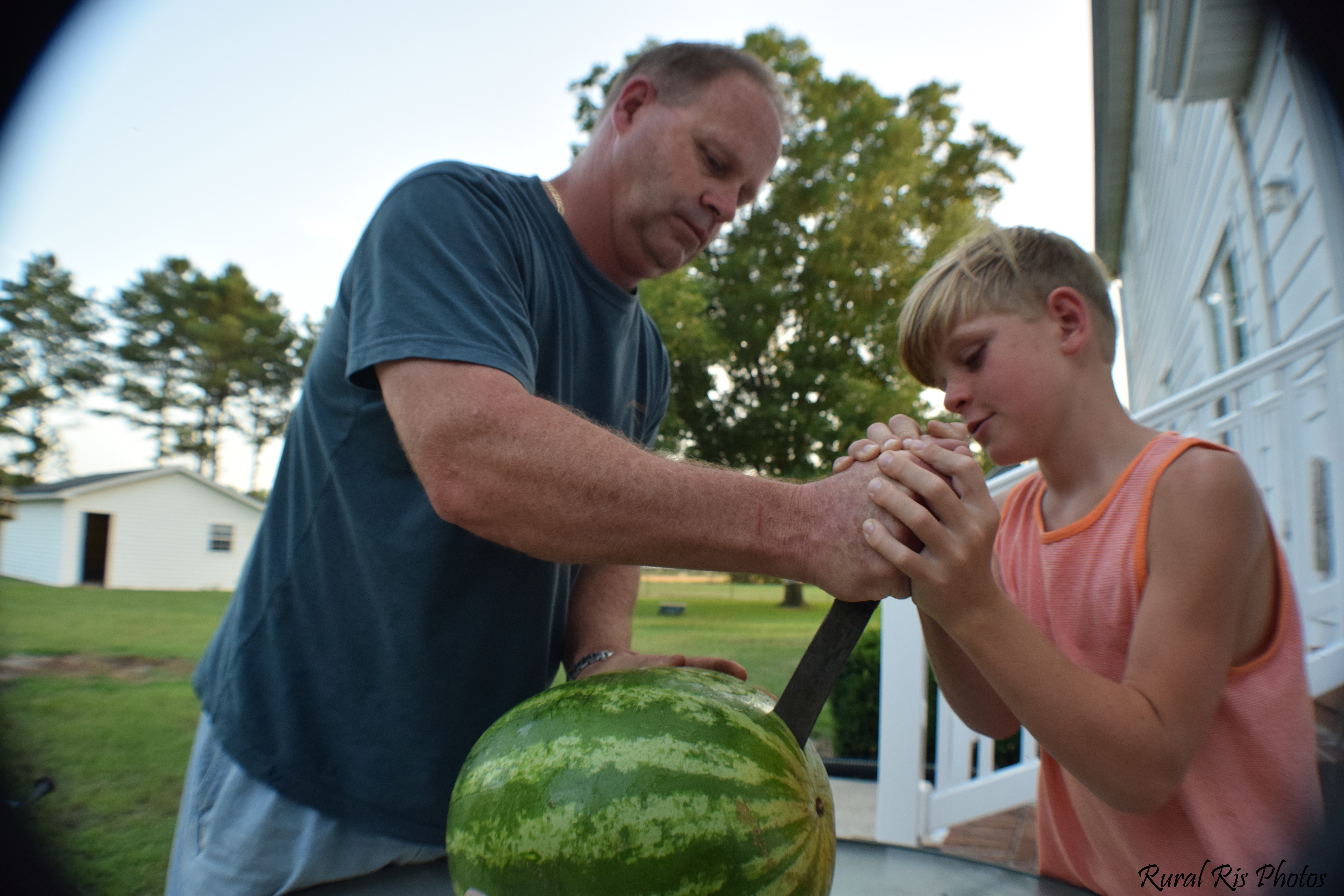
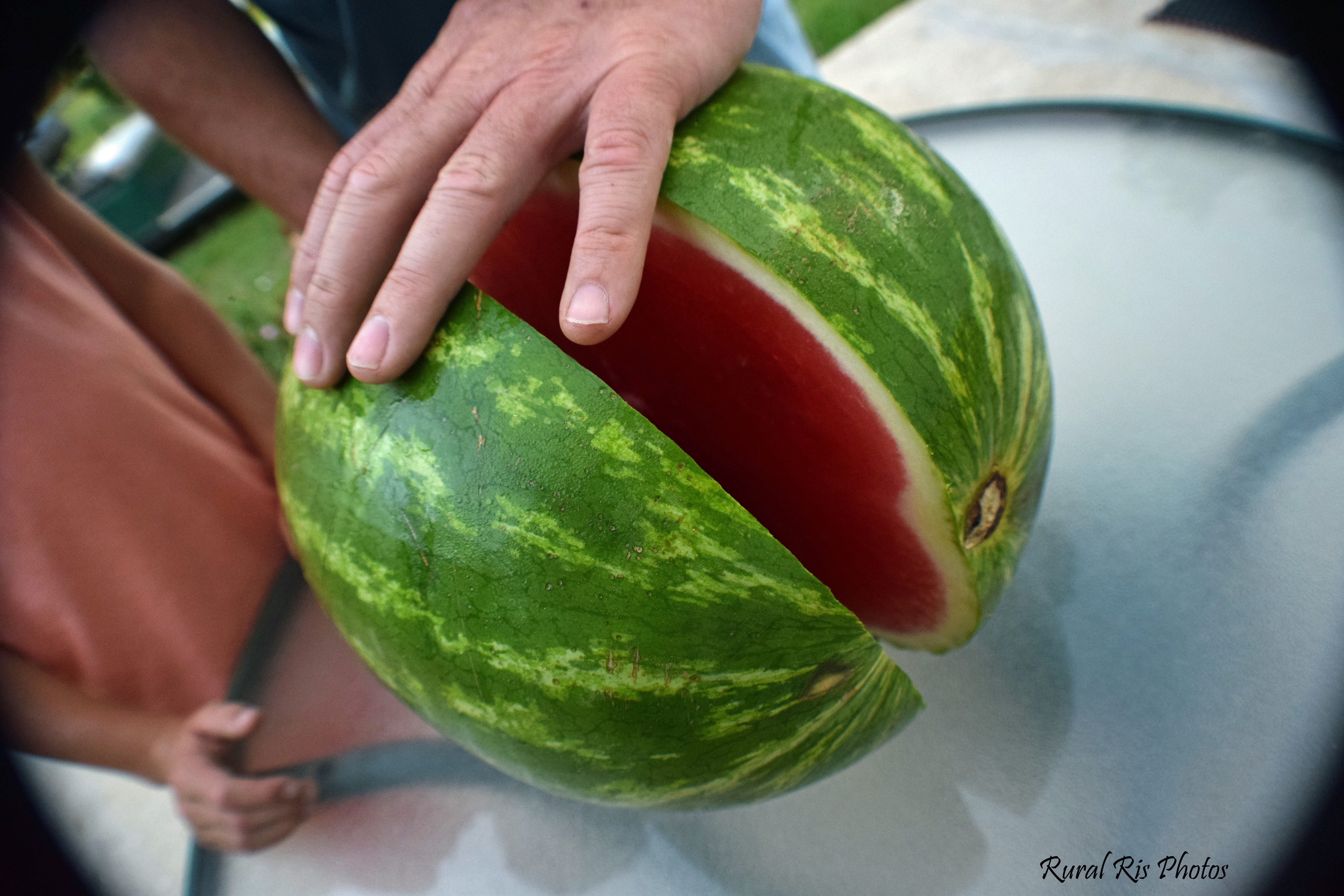
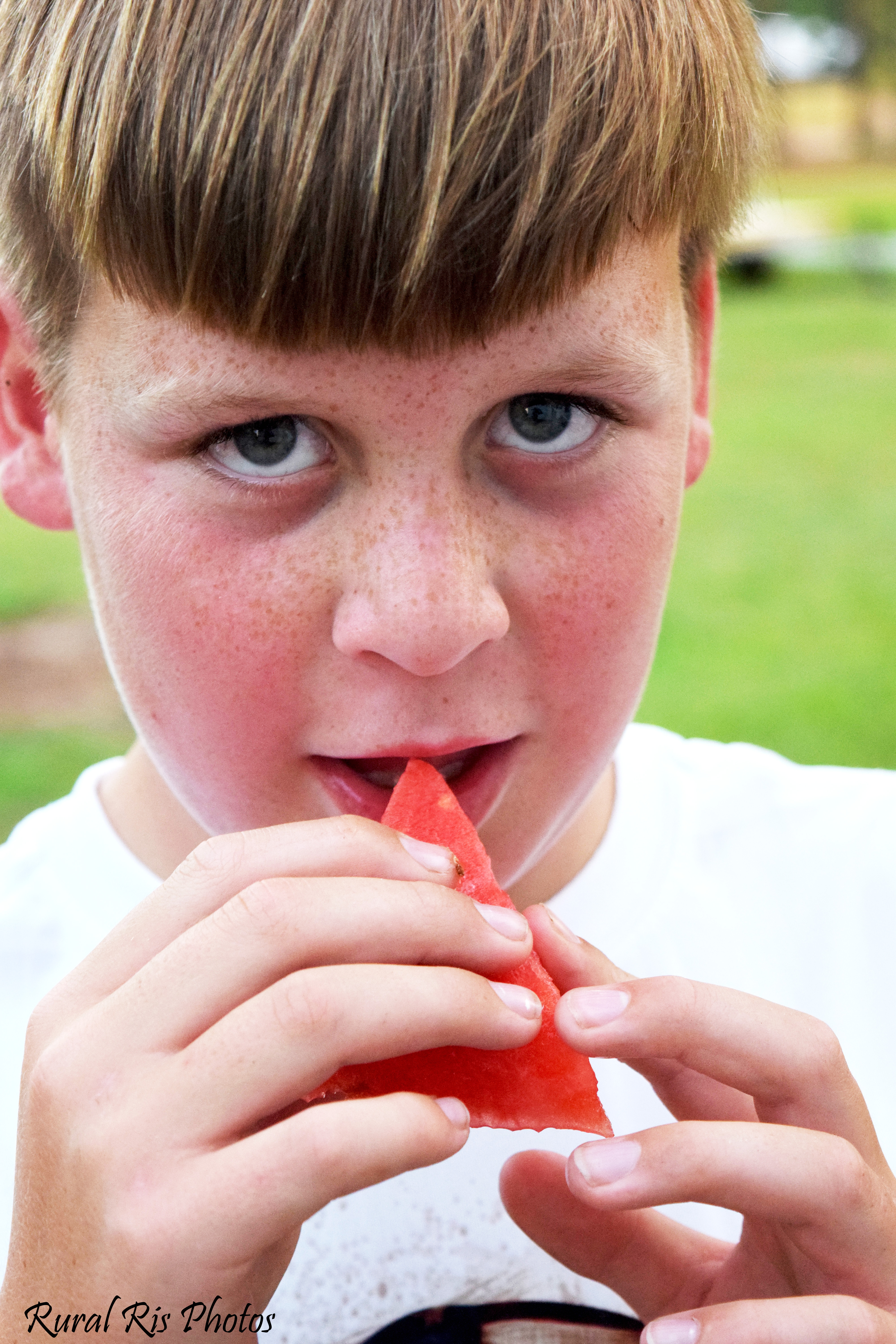
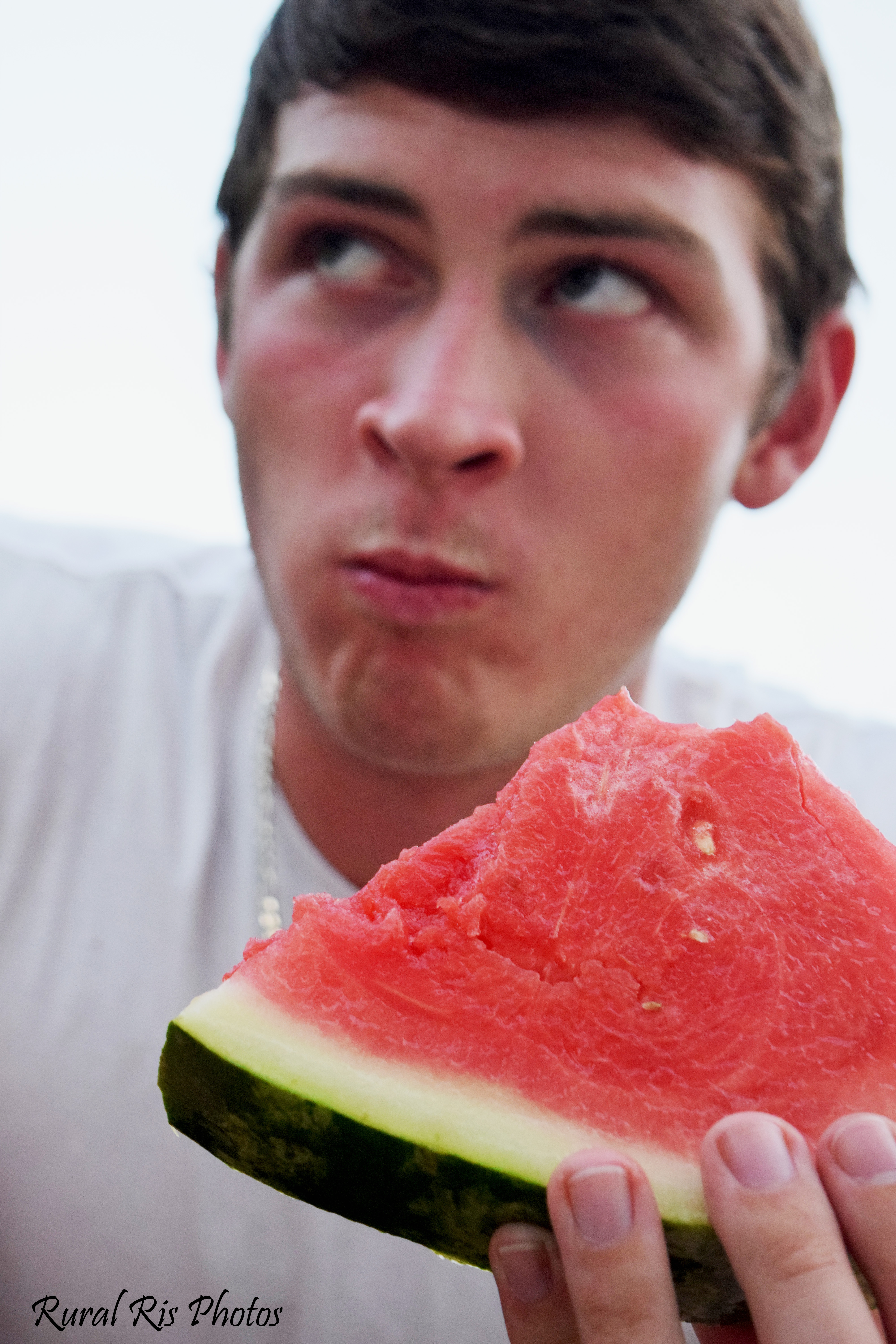
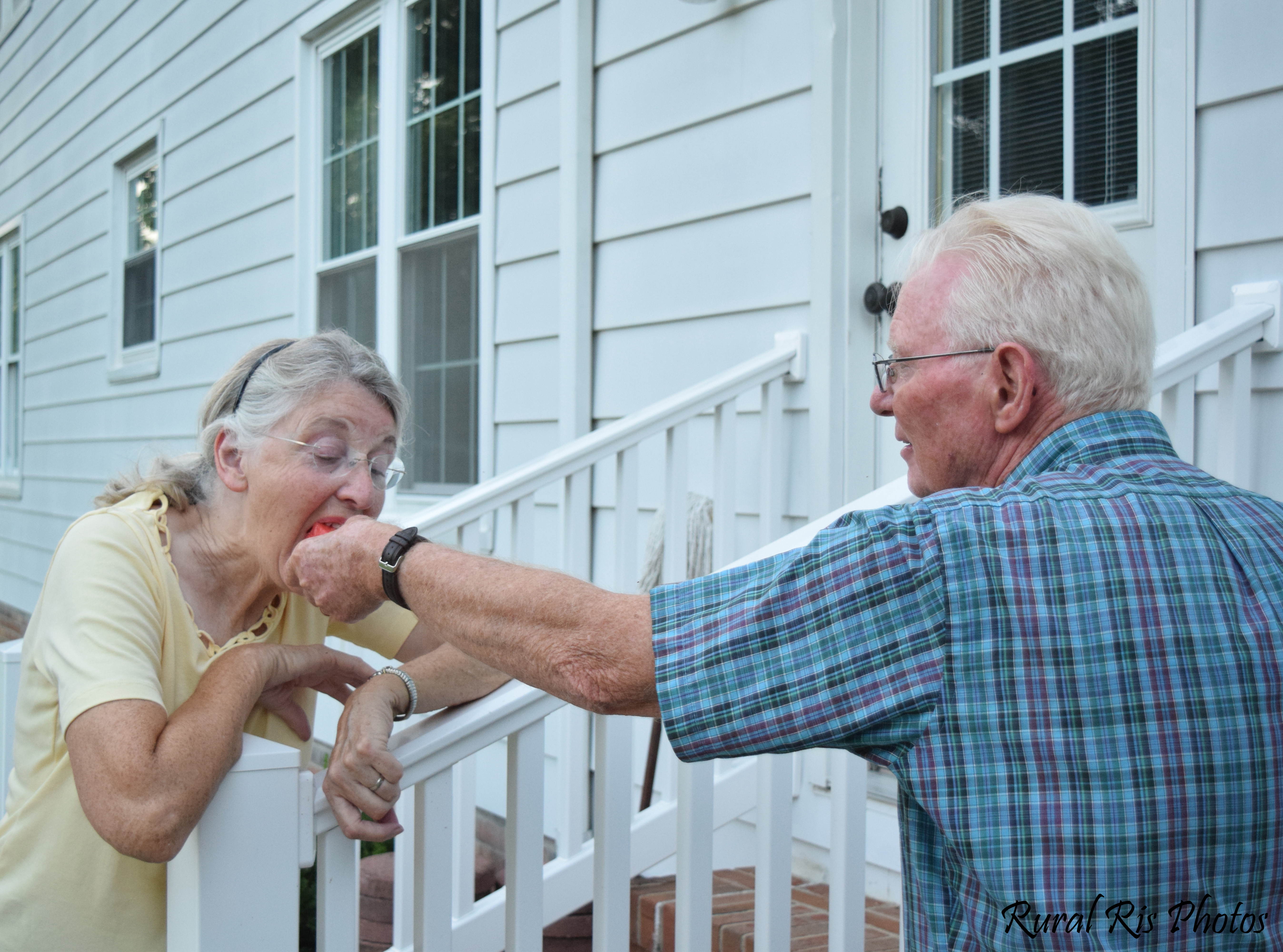
It makes sense that one of the hottest months of the year would be recognized as National Watermelon Month. July has been designated as an entire month just to celebrate the wonders of watermelon since 2008, and I must say, it was a brilliant call.
Watermelon is my very favorite fruit. I’m not really a huge fruit person (I know not very healthy) unless it is in dessert or smoothie form. However, I must say that watermelon is something I get terribly excited for. I don’t recommend freezing one, though. We accidentally did that and had a sort of watermelon sorbet. It was super weird. I suggest making sure your mini fridge isn’t cranked to Antarctica standards.
Anyways, here are facts and interesting information about watermelons, and of course, pictures. 🙂
History
Watermelons came from the Kalahari Desert of Africa, and has been seen on Egyptian hieroglyphics. It was thought to have come over to America by African slaves.
Variety
There are over 200-300 varieties of watermelon grown in the USA and Mexico, with 50 of those being the most popular. Seedless watermelons are sterile. They were developed roughly 50 years ago by crossing male pollen that has 22 chromosomes per cell with a female watermelon flower that has 44 chromosomes per cell. Voila! You have the mule of the watermelon world.
Factual Stuff
USA ranks 6th in watermelon production. China is number one.
The scientific name for a watermelon is citrullus lanatus and are cousins to squash.
Leading watermelon states are Florida, Texas, Georgia, Indiana, and California.
Explorers used watermelon as canteens.
Watermelon is the most consumed melon in the USA
Watermelon is 92% water, making it a great source of hydration for many.
The Perfect Melon
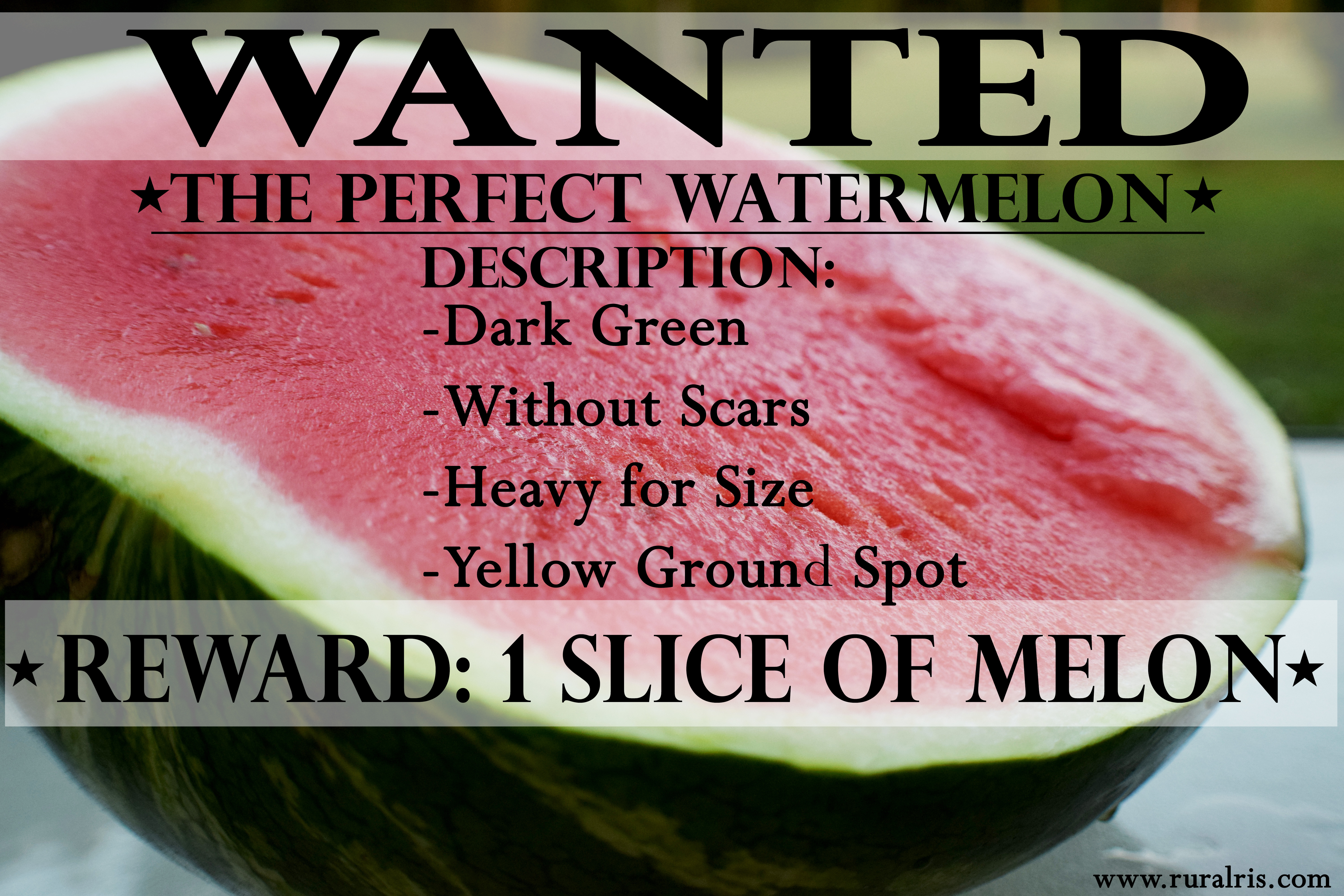
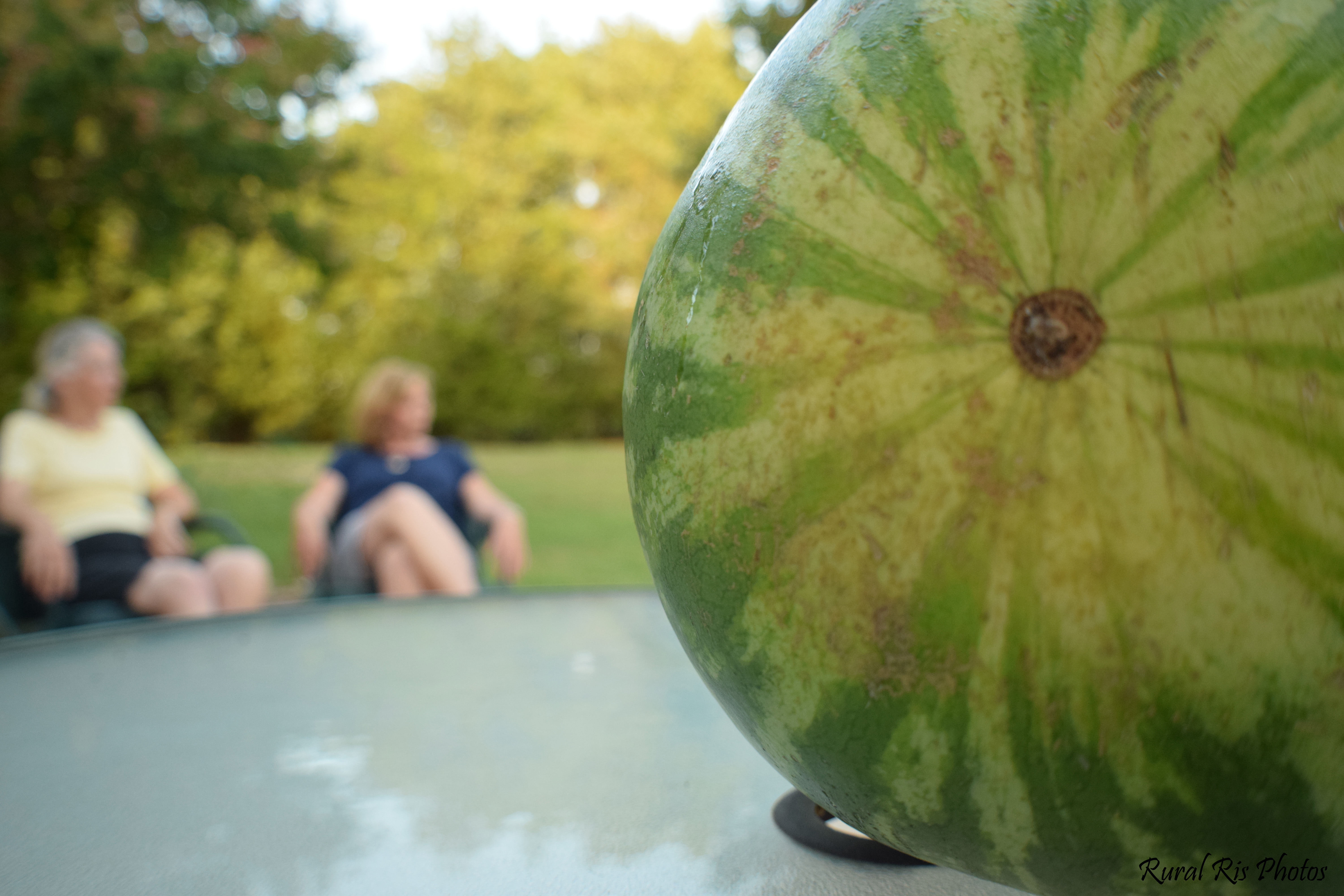
Worse than a whole frozen watermelon is probably a bad watermelon. Picking the perfect watermelon is crucial, and can sometimes seem illusive. Follow these tips for the perfect melon:
Now that you know what the perfect melon looks like, go forth and find it. We sure found a good one! Happy hunting!
Today is National Tapioca Pudding Day (who knew!). That I’m aware of, I have never tried tapioca pudding. I’m not a pudding person to begin with, and when you throw texture in pudding–I’ll pass. What I do think of every time I hear tapioca is the movie New in Town. I had to watch it in one of my communication classes to write a paper on it. Although, it was an assignment for class, it was a good movie. Blanche, a character in the movie has a killer Minnesota accent and is obsessed with tapioca, so I always hear her saying it when it it is mentioned.
Anyway, since it is National Tapioca Pudding Day, I was curious as to what tapioca really is. I found some pretty interesting stuff.
Tapioca Roots
Tapioca’s roots literally come from roots–the cassava root to be exact. This root originated in Brazil and is mostly grown in Africa and South America.
Photo Source: Permaculture Research Institute
The cassava root, like a potato, is a tuber. It is also called a yuca root. The root is heavily relied on in communities that are impoverished and is a staple food item for them. Interestingly, the cassava root can also cause harm to those who eat them in many of these countries. If the root is not prepared correctly, it can produce cyanide. Yikes! They are working on creating a version of the plant that does not produce the cyanide. I wouldn’t worry too much about your tapioca, though. It is processed in a specific way to avoid any hazards.The issues typically happen in very rural areas in Africa where processing happens at home. It should never be eaten raw, so when it has not been given enough time, bad things happen. After boiling the root, it is safe to eat.
From Root to Tapioca
To turn the root into tapioca, the root is ground to a pulp. It is then squeezed to get it dry. This makes a sort of flour from which we get the various types of tapioca from.
Tapioca Pudding
Everything I could say about tapioca pudding is written on my face:
I don’t know what to do with this stuff. Perhaps I’ll start with tasting it–bucket list status. Happy Tapioca Pudding Day!!


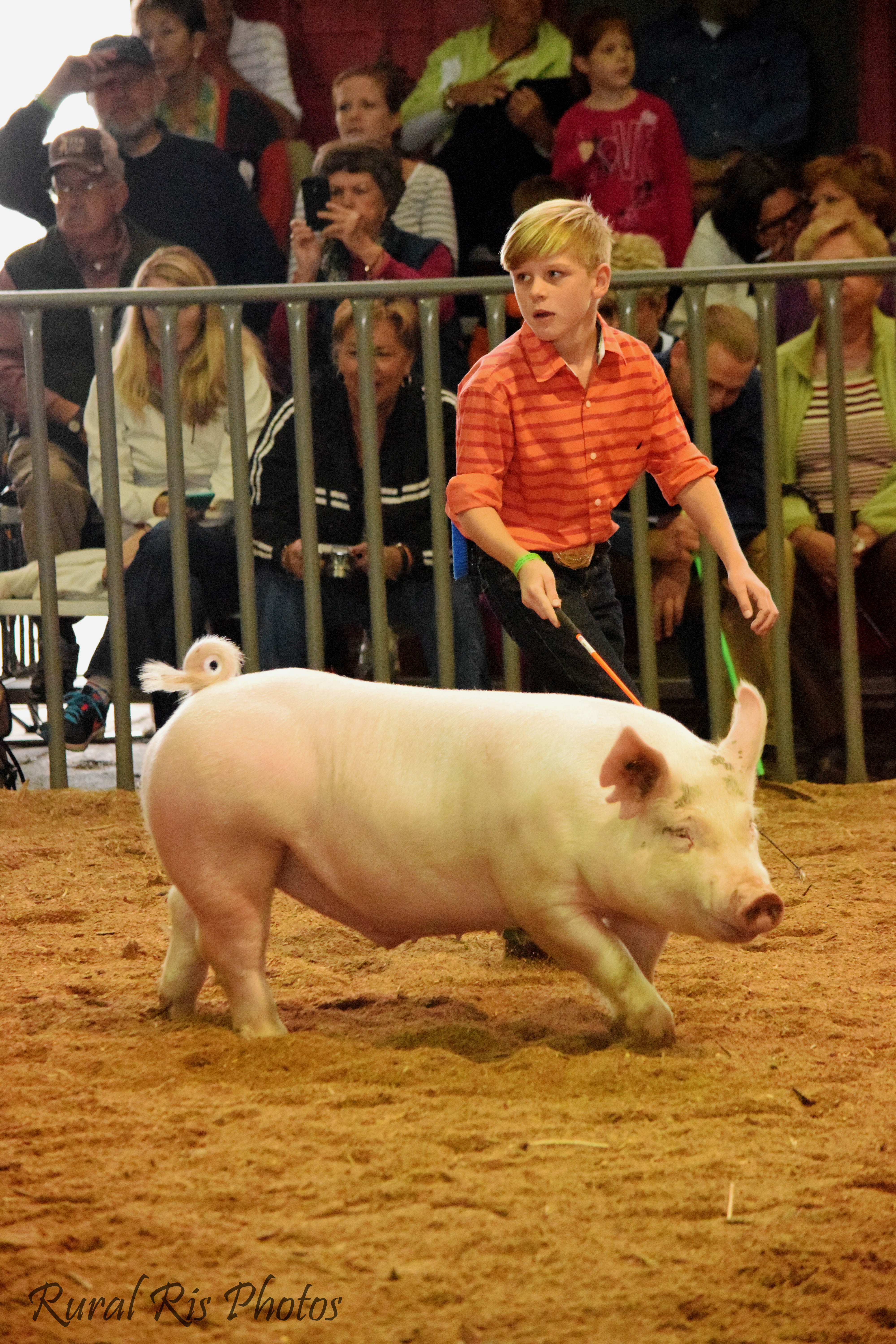
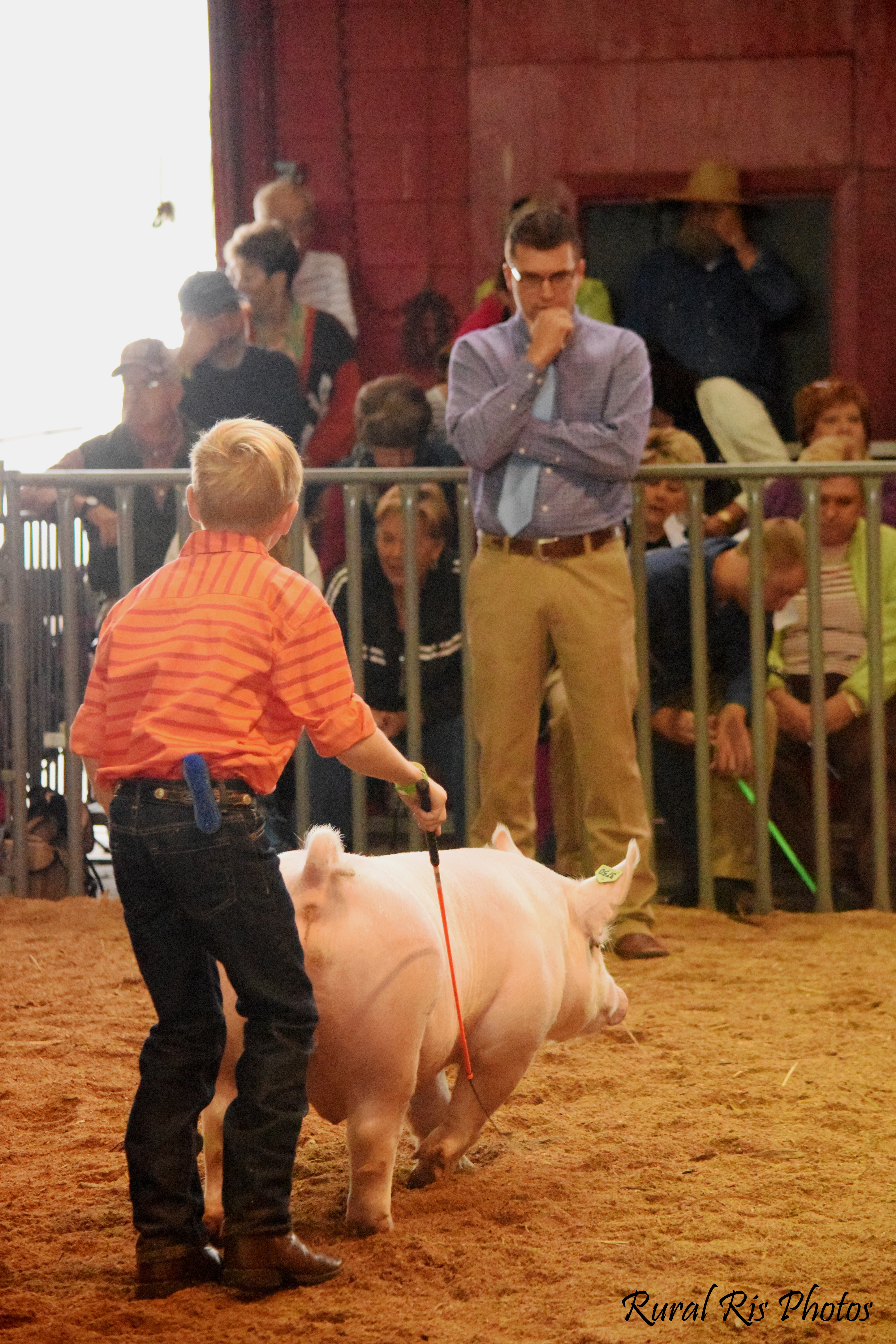 Watching Isaac show is completely different than Gideon. Isaac is laid back and oh so chill. Despite the style difference, he also won a belt buckle in the circuit in the junior division. This is a tough category, because he is 10 and is up against 13 and 14 year olds, but he won! At the fair, he made the cut, and was so close to getting placed. Making the cut was major in itself, though. There was double the kids compared to the circuit shows. He and Legalus, his pig, did so good! Legalus got 3rd place in his market class, and won first place born an bred.
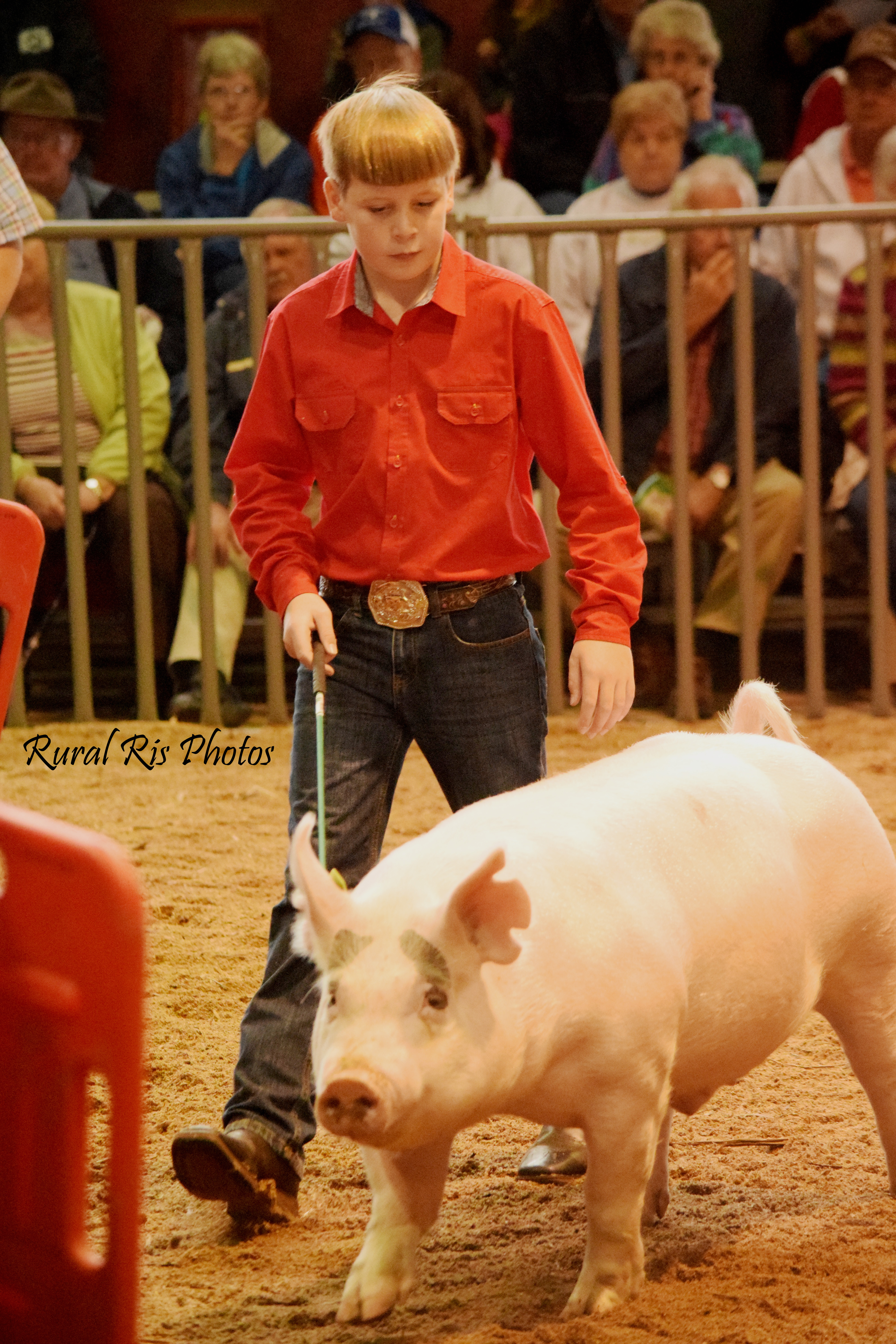 Isaac has been dying to show a red pig, so he was super excited to help another showman out and show his red pig.
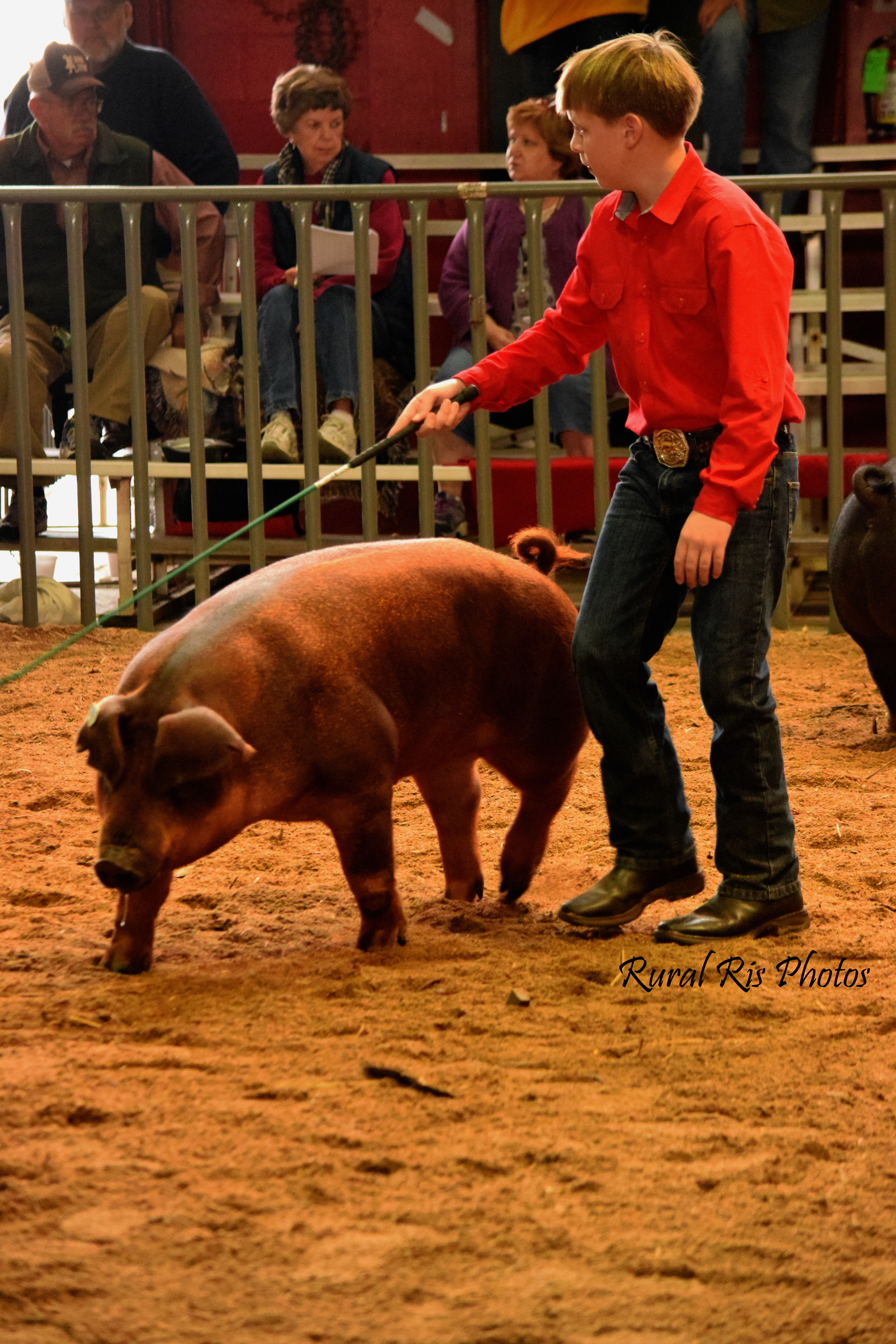 I loved watching Alec, and his pig, Gus show. Alec really enjoyed showing Gus-Gus, but they’d butt heads at times. Ultimately, Alec won 3rd in the senior division of the circuit. He also made the cut at the fair. All during the pig shows, Alec struggled finding the perfect height to stand while showing. I think he finally found the right bend.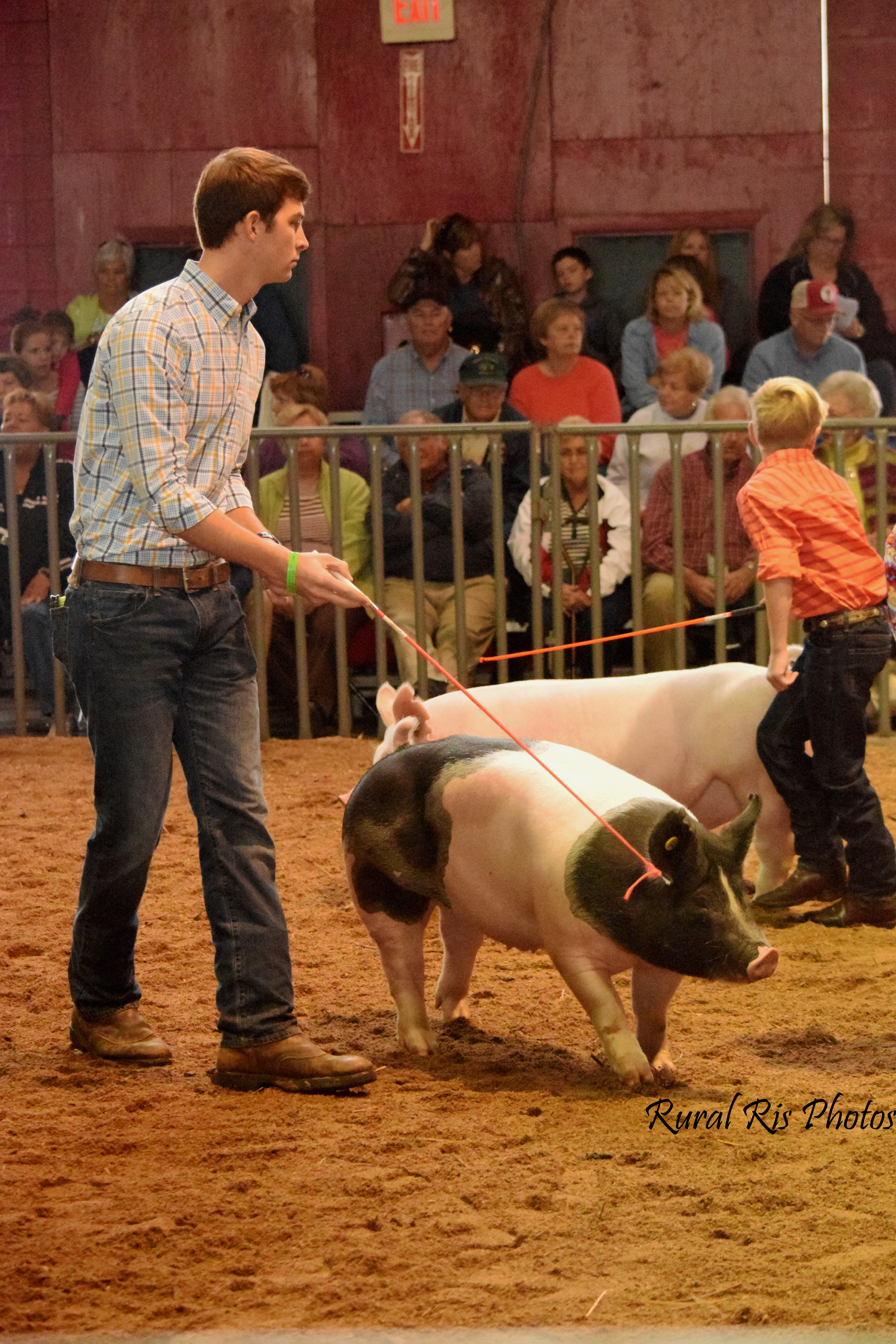

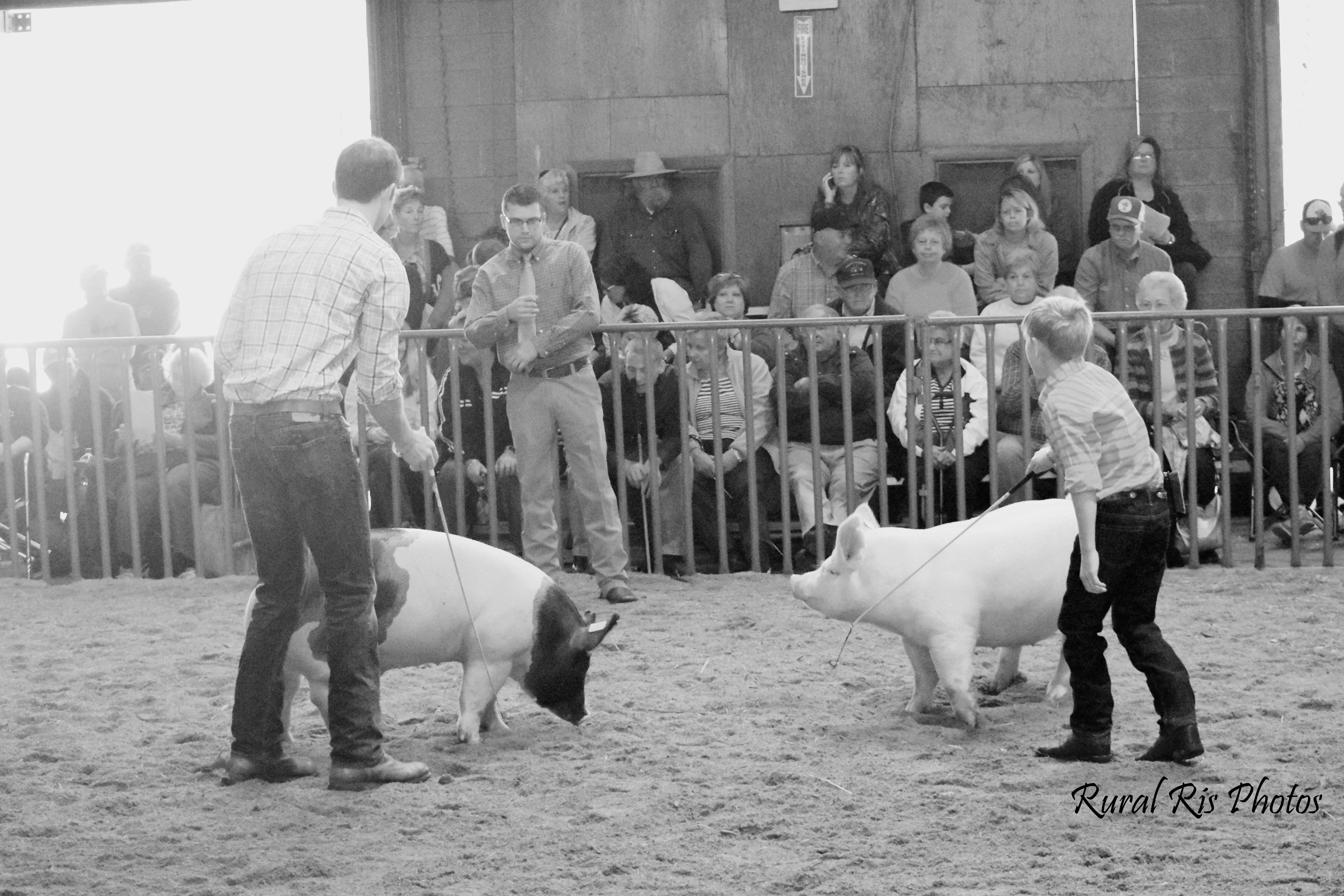
 I went back to showing Alice. At this point she is getting super cranky, and I am convinced I’m done.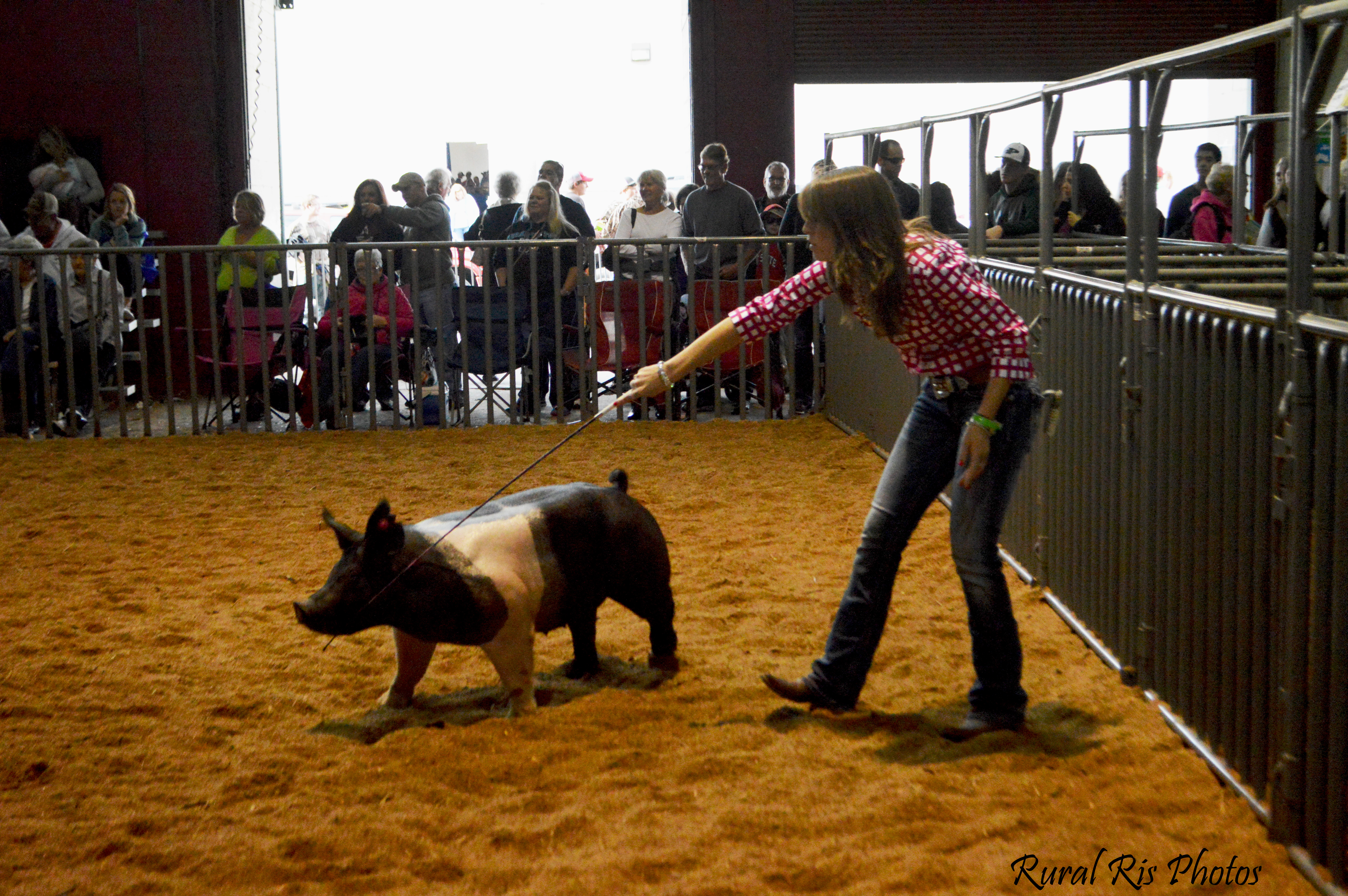

 Before going any further, I want to thank Mom, Dad, Grandma and Papa for all they do in supporting us. Without them, we wouldn’t be able to do any of what we do. They opened the door to the opportunities that have become my passion.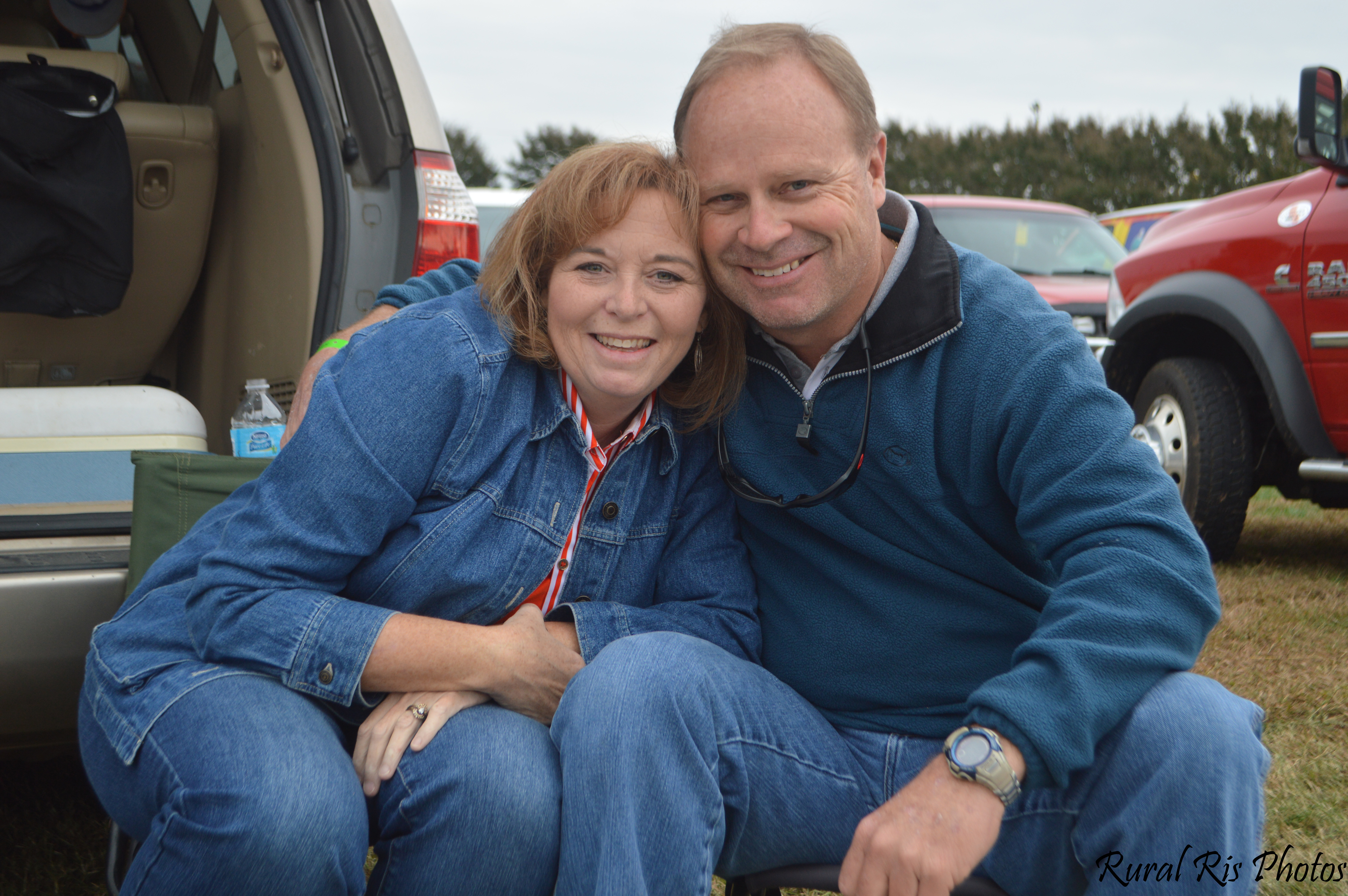

























































 Rural Ris
