We shouldn’t have to have Ag Awareness Weeks–Living in an ag illiterate society

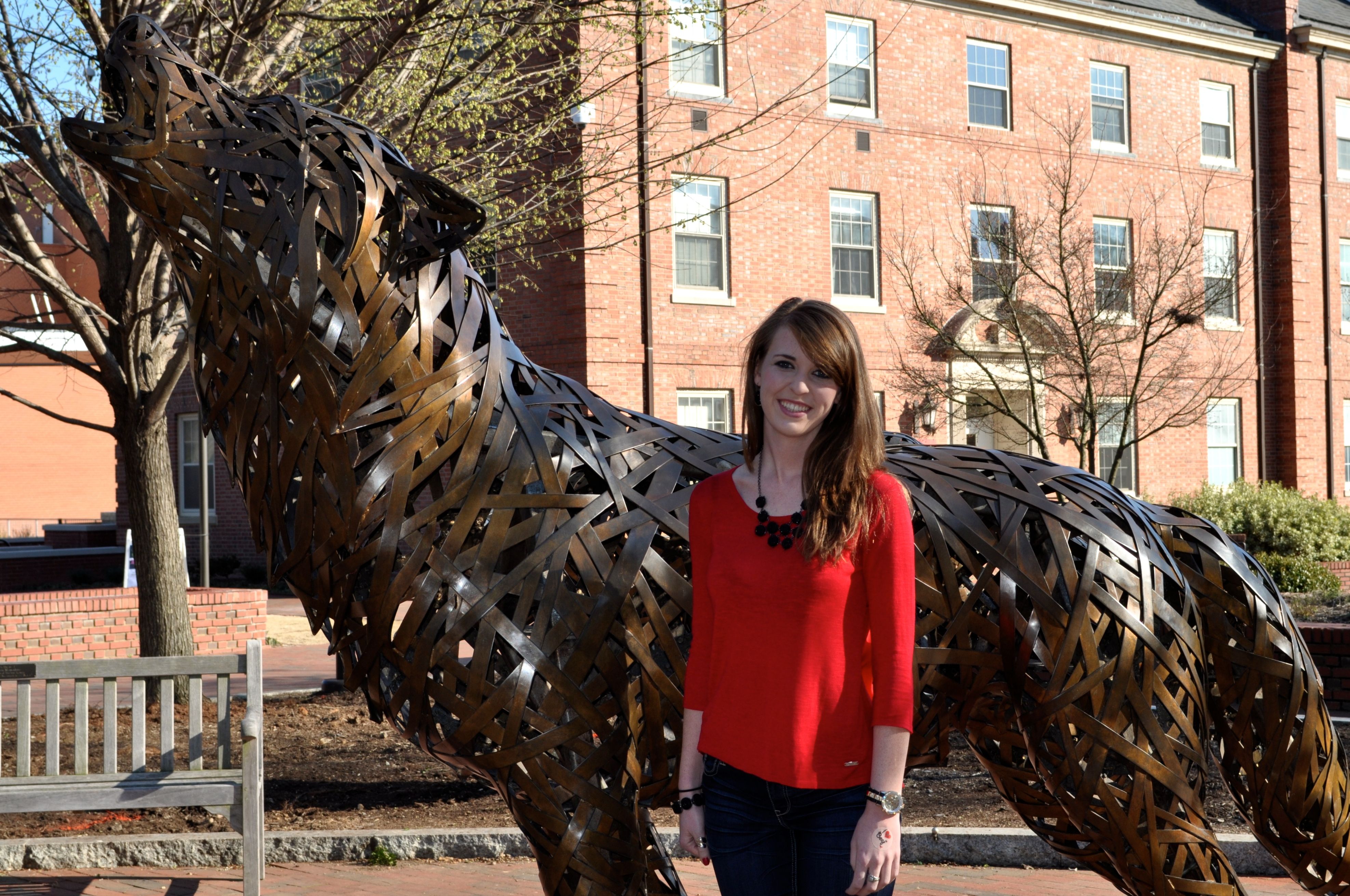
This week was Ag Awareness Week at school (NC State University). In the common area of the brickyard, where a lot of students congregate, were booths and displays set up spreading awareness about agriculture. There were live animals, tractors, and ag students available to answer questions. It thrills me that this event takes place. What a great way to educate and advocate for agriculture!

Photo by Terri Leith http://www.cals.ncsu.edu/agcomm/news-center/perspectives/panelists-talk-sustainable-agriculture-at-ag-awareness-week-forum/


But, I have an issue with Ag Awareness Week. There shouldn’t be a need for awareness about ag. Let me say that again. There should NOT be a need for ag awareness. Sure, less than 2 % of the population are farmers, but those are not the only ones who should know about ag.

Why is it that in today’s society, school systems require kids to take mandatory classes in English, math, science, art, and history, but not agriculture when they partake in it 3 times a day at the table? Elementary and beyond, even in universities, agriculture is not among the forefront subjects of education. This is truly bizarre to me if you consider the prevalence that agriculture plays in our day to day lives, community, and economy. Think about this:

  • Food, regardless of type, is needed for human survival. That food comes from some type of agriculture (large or small).
  • America’s net farm income for last year, 2014, was $108 billion. (source)
  • 22 million people work in agriculture related fields. (source)
  • There are over 200 available careers in the agriculture industry. (source)

Aside from the fact that food comes into play in our day to day lives, the influence that agriculture has on our economy and the job market is pretty astounding, and yet, we are not doing a sufficient job in our education system of educating our kids about these opportunities nor its impact. We are failing our kids in the ag literacy front. They may be able to read, but they can’t read ag.

Yeah, sure, schools have classes available for students to take about agriculture. We have ag teachers in schools and whole ag degrees in college, but it is optional for kids. English, math, history, art, and science all have special teachers for their respective subjects, and you can major in them in college, but they are also mandatory at some level in our kids’ education. The previous subjects like math and English are so valuable to a child’s proper education because they will utilize most of it on a day to day basis. So, why, if agriculture is enjoyed at least 3 times a day, is it not mandatory for a child to learn about where their food comes from and how it is made? In my opinion, this is a serious oversight and tragedy that our society is experiencing.

kids

Because so many students go through elementary school, middle school, high school, and even college without gaining much of an understanding about the agriculture industry, they are missing out on valuable job opportunities, career paths, and the foundations of making educated decisions about what they eat. They never go through life appreciating what farmers do to feed a growing population. People grow up either not thinking about where the food they are consuming comes from, or developing misconceptions about farming in their heads. If and when they are finally exposed to real agriculture and farming, they are often shocked, and this has led to a lot of controversy.

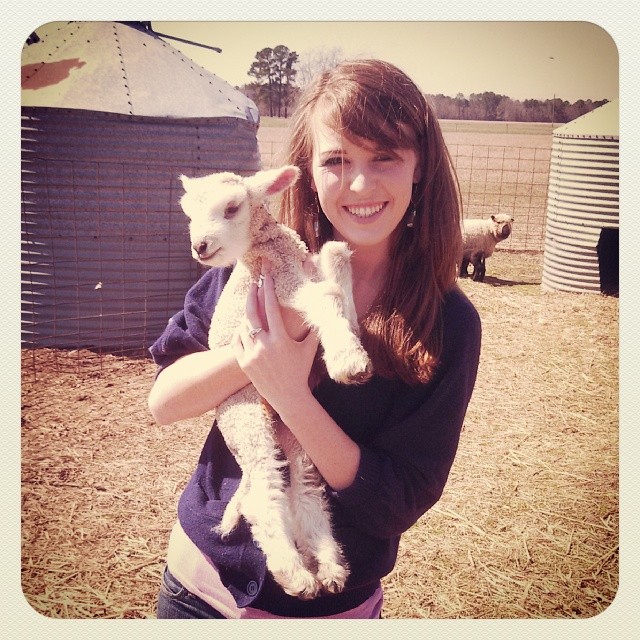
Even worse, is that it is a cycle. Adults are ag illiterate and do not understand it, and then go and pass that on to their children a lot of the time. I have helped with Farm Animal Days in the past and observed mothers tell their kids to look at the puppy I was holding. In reality, I was holding a baby goat. The sad truth was they didn’t know the difference even with a college degree. Potentially more heartbreaking, was watching parents snatch their children’s hands from touching some animals or even dirt, to prevent germs. Animals can get pretty gross sometimes, but they aren’t toxic. I have had an individual in a restaurant ask what I had in the trailer in the parking lot. When we told her it was a pig, she wanted to know if it was big or small. We said it was a smaller pig, weighing around 230 pounds or so. This was a shock to her. People don’t realize pigs get twice that size.

My point in all this is that our society is generally illiterate. I’m not talking about the kind where you can’t read. I’m talking about the kind where you can’t read an anti-farming article and be able to pick out some of the discrepancies. I’m talking about the kind of illiterate that cannot distinguish a goat from a puppy or know how big a pig can get. An illiteracy that does not realize what contributions agriculture makes on the economy and the job market, and that there are opportunities besides being a farmer that are available in the agriculture industry. Beyond even that, many kids are missing out on valuable character building that farming provides such as responsibility, hard work, and ethics. This isn’t to say they don’t receive these character building traits from other places, but farming provides another avenue for it.

Because of this illiteracy, we are forced to hold Ag Awareness Week and recognize Ag Day that promotes more ag literacy. Guys, we shouldn’t have to have these special weeks and days to create awareness. It should already be there. Education should recognize agriculture as a subject that holds equal importance to art, math, science, and English. After all, everyone needs food. Until that happens, though, I say rock on to Ag Awareness Week. Keep up the good fight in educating, and maybe one day, we will live in an ag literate society.


ag literacy

My Agriculture (Throwback to Ag Day 2013)

This is a post from my old blog I wrote 2 years ago. I hope you celebrate agriculture today and everyday.

Today is National Agriculture Day. It is a time to celebrate agriculture all over the nation and bring attention to its many great qualities. Agriculture benefits all of us and is such an important entity in our country and world. Here are a few quick facts that show how beneficial it is and how astounding the industry is:

  • On average, every hour, 24 hours a day, 365 days a year, around $6 million in U.S. agricultural products–grains, oilseeds, cotton, meats, vegetables, snack foods, etc., will be consigned for shipment for export to foreign markets.
  • It all means more jobs and higher wages across the nation. U.S. agricultural exports generate more than $100 billion annually in business activity throughout the U.S. economy and provide jobs for nearly 1 million workers.
  • Twenty two million American workers produce, process, sell and trade the nation’s food and fiber. But only 4.6 million of those people live on the farms– slightly less than 2 percent of the total U.S. Population.
  • Consumers spend $547 billion for food originating on U.S. farms and ranches. Of each dollar spent on food, the farmer’s share is approximately 23 cents. The rest are for costs beyond the farm gate: wages and materials for production, processing, marketing, transportation and distribution.

These are astounding facts. Most of us have seen the Super Bowl commercial “And God Made a Farmer”, which gives insight into the world of those who work in the industry. For me, though, agriculture is much more personal than having food on my table. It has been a part of my entire life and has instilled in me so many qualities. You see, for me, it is not just about the product and the benefits for the country, but about how agriculture has shaped my life.

I can say that agriculture has been in the family for generations. My grandpa and great grandpa were crop farmers, and we now live on the same land they farmed. Mom helped with tobacco and had livestock growing up, and Daddy worked on a turkey farm. When I was little, I can remember Daddy bringing home an orphan calf for a day just so I could see it. I would go to work with him and bottle feed a calf or slide down the piles of cotton. Poor him didn’t know what to do with a 3 year old little girl who needed to use the bathroom on the dirt roads of the middle of no where, though. Anyways, this was images of my early years; however, we lived in city limits and couldn’t have any livestock and only had a vegetable garden and dogs. In my 4th grade year, though, my life would change for the amazing.

We moved out to the family land that was across the road from my grandparents. Within the first year, we had gotten 4 goats and started showing them. That was a start of a passion and journey. Those 4 goats grew into a herd of 30 that I learned to manage myself, eventually. I learned how to trim hooves, give shots, birth babies, feed, recognize disease, and so much more. At 9 years old, I learned what it was to get my hands dirty and developed a passion for agriculture. I was always trying to increase my knowledge and animal count (let’s be honest).  Goats were not the only thing I got into. I was soon showing pigs, turkeys, and horses from local to state. It was always a family affair going to fairs and shows. Agriculture has created a closer bond with my family. There have been countless dinner conversations about when to wean goats, how much weight the pigs can gain, and if we need more feed (we are always needing feed). My little brothers have started an egg business, now, and I have gotten into sheep and using their fiber. Make It With Wool allowed me to travel nationally and share my love of part of the agriculture world– sheep and wool.

It wasn’t just good things on the farm. Having livestock is hard. Goats getting out, fixing fences, mucking stalls, and feeding in the rain and mud were the less glamorous part of it all. It was also, though, seeing animals get sick, babies not make it till morning, and the disappointment in all your efforts, still not being enough. It isn’t all glitz and glam. It can be hard, but it so worth it. Walking into the show ring, seeing babies being born, or watching the animals get frisky in good weather makes you smile.

Agriculture has gone beyond the farm for me, though; it is also been in contests such as livestock judging, skillathon, and quiz bowl. Doing these contests through 4-H has increased my knowledge, allowed me to meet people, travel, become a good sport, and public speak.

That all being said, and there is so much more that could be said, agriculture has been a huge part of my life. It has taught me hard work, responsibility, public speaking skills, good sportsmanship, and so very much more. I have become closer to my family and met some wonderful friends. Agriculture puts food on the table, helps the economy, and provides jobs, but it has also benefited me in more ways than I can count. It is a part of me and will be in the future. Hopefully I will be able to find a career in agriculture, promoting it and being a communication person for it. So, here is to agriculture. Let’s celebrate this unique and amazing industry.

This slideshow requires JavaScript.


Facts retrieved from NCSU College of Agriculture and Life Sciences

I Have a Passion for Agriculture, but I Didn’t Go to College for Ag

Although I love agriculture, I chose not to get an agricultural specific degree in college. I chose to go to a college for my undergraduate degree that didn’t even have an agriculture program on campus, but that didn’t mean I left agriculture behind me. I brought it with me to school.

For as long as I can remember, I wanted to be a vet. It made sense to me. I loved animals, and loved working with all the livestock on my farm. Despite passing out at the sight of blood, I still was determined to go to vet school. I had it all planned out. I would attend North Carolina State University and double major in animal and poultry science. I’d graduate and then head to vet school to specialize in large animals. In high school, I was in preparation mode. I went to any animal and poultry science camps I could go to. I was taking advanced chemistry, but one day, my fast track came to a screeching halt.

I couldn’t tell you the exact day, but I came to the realization that I hated science and math. I got queasy at blood, and I didn’t want my passion of animals to become something that I viewed as just work. So, I did something incredibly scary–I changed my entire future plans. I didn’t even keep the same college I had planned on. I went out on a limb, and it ended up being the best thing of my life.

My new chosen major was communication at a small rural liberal arts college–Campbell University. I fell in love with both the campus and the major. I chose to concentrate in public relations and health communications. Although I was not in an agriculture degree, I brought the ag with me. I wrote as many papers as I could on communication in agriculture. My honors thesis was about creating transparency in the ag industry. I was even able to go New Orleans to present that paper where  many in the audience asked me about agriculture. They were inquisitive, and I was in a position to answer those questions which was super exciting!

M_G_0018

After graduating from my undergrad, I decided to go on to get my masters in communication. Although, I looked at degrees that were specifically agriculture communication, I chose to go to North Carolina State University (this time I was not looking at animal science). I am currently in my second semester there, and have written every research paper on agriculture communication.

While I love communication, it has been a bit bumpy at times incorporating agriculture into my studies. Typically, I am the only one with my interests. Often times I have to explain things, that to me are common knowledge. My papers often turn into a bloody mess from comments asking for elaboration on a term and to cite more. I also get a lot of comments that I sound like I am a public relations person for agriculture. I suppose, in a sense, I am. My passion just comes through. Thankfully, all of my professors have been open minded and really supported my interests!

Marisa_Grad_State4

While it can be frustrating to explain a lot of what I write and really work hard to explain my concepts, it has also meant I have been able to share my knowledge and passion with others. In both undergrad and grad school, I have had professors make an effort to visit me at the fair to watch me show animals and learn more about what I do. I have been able to stand in front of audiences and be a”public relation” person for ag, and answer questions. I have had the chance to hear what other people think about agriculture and try to understand that point of view. That has been an amazing aspect of majoring in a non-agriculture major–the discussions that have developed.

So, no, I didn’t major in agriculture. As much as I love it, that was not the path for me.  I chose to bring the ag with me to college, but that has been the best decision of my life. Sure, it has been a bit bumpy, but I have been able to share my passion with more than my fellow farmers. I brought agriculture to the classroom, and I hope to bring more communication to agriculture.

1511005_813228272024317_193577865_n


Bridging the Gap from Farmer to Consumer

Only 2% of the population live on farms. That means that 98% of people do not know the ins and outs of farming and what all it entails. This happened thanks to the Industrial Revolution that drew people to urban areas. Around the same time that people were migrating to the cities and away from the farm, the media greatly diminished their coverage of farming and agriculture. Not only was the public physically removed from the farm, but they were mentally removed. An “out of sight, out of mind” situation became prevalent.As far as the population was concerned, farms still looked like grandpa’s red barn often seen in literature. In fact, though, farms look vastly different and have modernized just as the rest of the world has.

These major factors have created a huge gap between the consumer and farmer. With this gap comes questions from consumers. They want to know how their food is being grown and what is being put in their bodies. They want to know why farms don’t look like what they thought, and often times ask hard questions about farm practices. Answers are desired, and rightfully so. They deserve to know what they are consuming. There is a gap that needs to be bridged; however, this is easier said than done. An attempt must be made though.

bridging the gap

Bridging the gap is not achieved by throwing information out there. That is not good enough. A conversation must be started. This is not any one group’s responsibility. Both consumers and farmers alike, must do their part. Consumers have a responsibility to ask questions. It is completely ok, to ask what is going on behind the food being eaten. Likewise, farmers should also be asking questions. Questions like “Where are you getting your information? What concerns do you have? How can I help you feel better about this?” can be helpful in situating exactly where the consumer is and what they are thinking. Sometimes they may not know what to ask or how to ask it. From questions, a conversation can ensue.

Conversations are of no use if they are done in a negative way that only widens the gap. The goal is to bridge it. It is important for both sides to approach the dialogue in a positive manner. The public should have an open mind. There are a lot of voices out there and a lot of opposing information. Researching issues and gathering information from reputable sources on both ends of the spectrum is crucial. The beauty of our society here is we have the freedom to make a choice. So when engaging in these conversations, it is crucial to come in with an open mind and an open heart. By heart, I mean a sense of compassion and respect. Aggressive behavior is not going to move the conversation forward, rather it is going to stop it in its tracks. Consumers also need to realize that what they learn, may not be what they expected. Farming isn’t the same, and that’s ok. The important thing is to talk about those changes and gain understanding about the why behind those changes.

As farmers, it is important that we are also respectful and gentle with our dialogue. So many times I have seen conversations, especially online, go south because of the negativity of the language. “Get your facts straight!” and “Don’t be ignorant!” are not words that promote a conversation. They are just our emotions and frustrations shining through. I know that as farmers ,we are passionate about what we do. I know I am. A lot of information out there that bashes farmers is hurtful and feels like a personal attack on our way of life, and our knee-jerk reaction is to scream and rant. This will get us no where. We need to take that passion and show everyone that we care and are passionate about what we do. We need to remember that it isn’t the public’s fault that they may not understand. It is simply something that has happened with time. The simple truth, is they aren’t around it like we are. When posts that are anti-agriculture surface, ignore them. Don’t share those posts and say things like “How can people say such horrid things. It is all lies!” Not only are you providing more views for that negative article, but you are not enticing a positive conversation. Share positive posts that highlight what wonderful people farmers are or cover tough topics, but are well written and not filled with rants. Equally important is the process of listening. If we do not take the time to listen, then we are shooting blindly. It is not about a persuasive argument (although, there are persuasive tactics in it), it is a conversation, and conversations require just as much listening (for both parties) as it does talking.

Bridging the gap doesn’t always mean standing on the same side of the gap. It is perfectly alright to agree to disagree. In fact, the likelihood of completely agreeing is slim to none. We should all learn to be able to say, “you know, I don’t think we are going to agree on this subject. Thankfully, we have the freedom and choice to be unique.” The bridge is still there. The option to learn more and have a conversation is still there, we may just stand on opposite ends of the gap. So long as we don’t throw things at each other, it can be a healthy relationship. It is also important to note that it does no good to argue with activists. They are just as staunch in their beliefs as we are our’s. We aren’t going to change their minds. Agreeing to disagree is the only way to keep some sort of peace, despite how tense it may be. Even if the opposing side does not agree to disagree, we do not have to be pulled into the unwinnable fight.

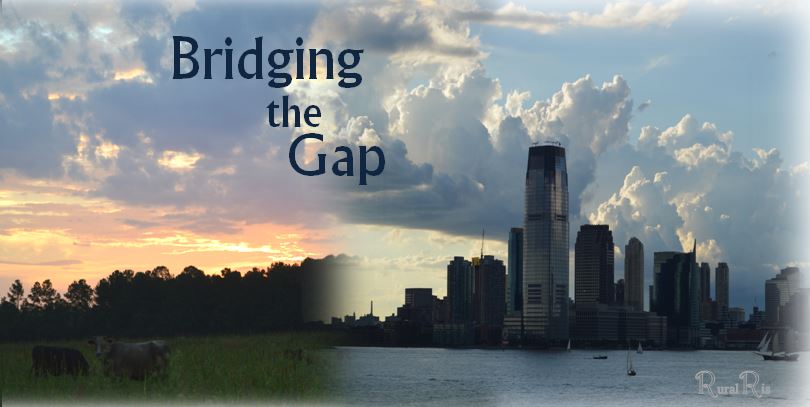
Between the worlds of urban and rural is a gap. This gap is filled with misunderstandings, confusion, and questions. Conversation is the bridge. Not everyone may come across the bridge, but at least it is there. All it takes is positive words…

“Hi, I heard you were a farmer. Can I ask you a few questions?”

“Absolutely! I’d love to share my passion with you. What would you like to know?”

Together we can bridge this gap. Will you join?

bridgeSource:

http://www.epa.gov/oecaagct/ag101/demographics.html


A huge thank you to The Center for Food Integrity for the Engage workshop they held that I was recently able to attend. They helped me to articulate these thoughts that were jumbled in my brain.

PETA says #WoolFreeWinter, but really it should be #WearMoreWool

With the start of cold weather, PETA and company have started a campaign against wool. The following photo and the hashtag #WoolFreeWinter has gone viral.

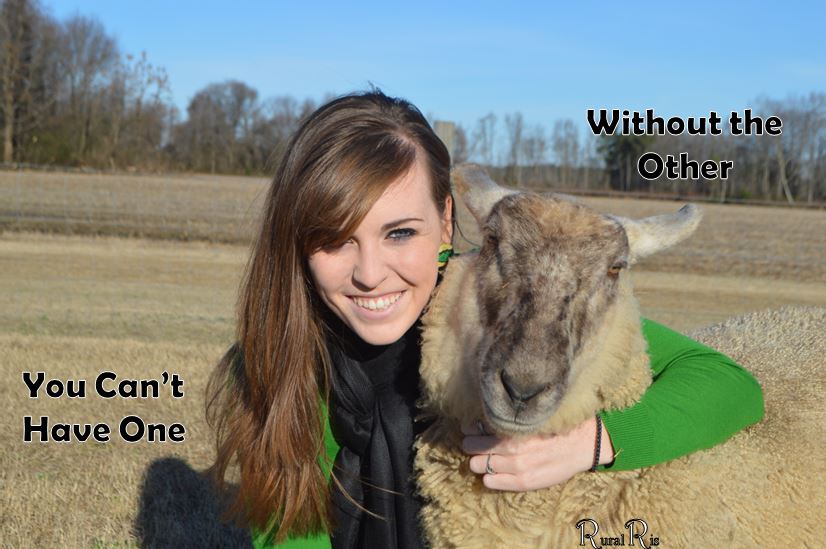
peta sheepThe photo is quite gruesome, I must say, BUT it isn’t really true. How can it not be true when it is staring you in the face? I cannot deny that the photo happened somewhere; however, the statement “you can’t have one without the other” is NOT true. It is plain and simple. That is not how wool is taken from sheep. If it was, I wouldn’t have many sheep left on my farm.

Wool is sheared from a sheep much the same as your hair can be buzzed from your head. The animal may yell a bit because they aren’t thrilled about being confined, but ultimately, the sheep runs away a few pounds lighter, much cooler, and very alive. I don’t know where this photo came from; however, it is more likely that what you are seeing is the beginnings of a pelt. Pelts include the wool and hide from a sheep, and no, sheep are not skinned alive. Pelting a sheep is all part of the process of utilizing as much of the sheep (meat, organs, pelts, bones, etc.) as possible once harvested.

Sheep need to be sheared on an annual basis. They do not naturally shed their wool and by shearing season, it can weigh around 15 pounds. When you use wool, you are not only helping the sheep out, but are utilizing natural resources.

“You can’t have one without the other” is so very true; however, these words are not properly paired with the correct photo. A proper portrayal can be seen in the following photo:cant have one without the other

I promise I have worn wool from my sheep, and they are still enjoying the life of a sheep at this very moment (In the above picture, I’m wearing a 100% wool sweater).  The entire wool industry does not need to be boycotted because of this misinformation. It is completely ethical and fine to wear wool. In fact, it would be greatly beneficial to have a little more wool in your closet. Wool is an amazing fiber that has some fantastic qualities.

Did you know?

  • Wool is flame retardant. If you set it on fire, it will extinguish itself.
  • It is comparatively stronger than steel.
  • Wool can absorb 30% of its weight in moisture and not feel wet or clammy.
  • It has great durability and can fold back on itself 20,000 times without breaking, while cotton can only be folded back 3,000 times and silk 2,000 times.
  • Wool fibers can be stretched 50% when wet and 30% when dry and still bounce back to its original form, giving it an A+ in the flexibility category.

If those qualities aren’t awesome enough, wool is also an extremely versatile fiber, making it wearable all year round. “Hold up!” I hear you say, “Wool is hot and itchy and not for summer.” That is stereotyping. Wool can be thin and lacy. It can be super soft and also itchy. It all depends on the type of wool (check back on Friday for an explanation of the different types). Think of wool like a cooler or thermos. Because of its makeup, wool keeps warmth in during the cold, and cool in during the heat. It isn’t just for winter; it is for everyday of the year.

PETA wants a #WoolFreeWinter, but I say #WearMoreWool. Post those pictures of you and your wooliness. Wool is too fantastic not to wear. It isn’t cruel. It helps sheep. Besides, mimicking is the highest form of flattery. So mimic the sheep and #WearMoreWool. See just what it is to be in sheep’s clothing.

wear more wool

Sources: American Sheep Industry Association

5 Reasons Why I Want to Tell Agriculture’s Story

“There is no greater agony than bearing an untold story inside you.”

~Maya Angelou

Once again, the new year is upon us. In a little over a week, I will be headed back to school, and 2014 will be a memory. A new year also means those dreaded resolutions. This year, though, I’m excited for my New Year’s resolution. It isn’t to start working out, although I probably should. This year, I’m launching this blog. My resolution is to use this blog to tell my story — not a story about the many papers in graduate school or life with three brothers, but my story about agriculture. It is something I am passionate about, but when I look around, I see the effects of a day and age where less than 2% of the population lives or works on a farm. It is more important than ever for agriculture’s story to be told. So, for five reasons, my New Year’s resolution is to share my passion for agriculture with the world:

1. Because I think it is beautiful:

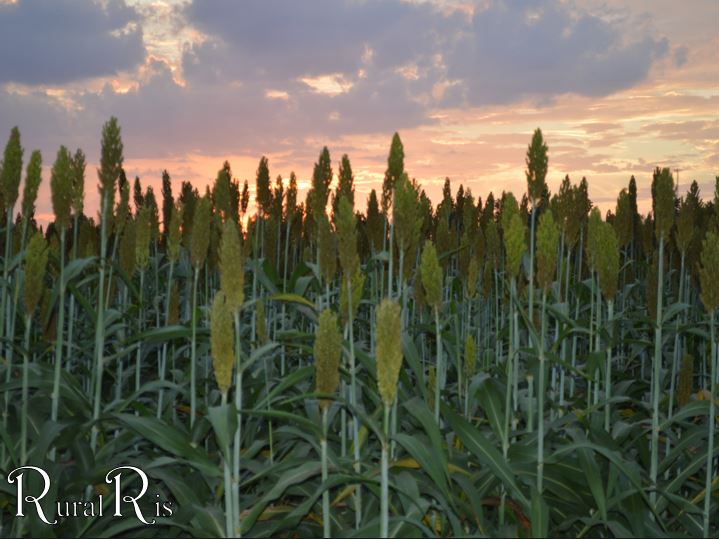
milo

There is nothing quite like the sunset on a field of cropland, or a wobbly lamb walking for the first time that makes me want to whip my camera out at lightning speed. Agriculture is truly beautiful. Sure, there are ugly parts, but that’s part of life. Agriculture is truly a beautiful thing, and for me,  that is worth showing off.

2. So others don’t tell it for me: So many times pictures and words get twisted, and the damage is hard to undo. Instead of assuming that someone else will tell the public accurately what agriculture is all about, it is important that I tell my perspective. If I allow others to tell it, then the chances of incorrect information being told increases. I don’t want others putting words in my mouth. I’m much too opinionated to let that happen.

3. Consumers are curious and have a right to know: Consumers eat, wear and rely on the products that we produce. They give it to their kids and trust it is not just a quality product, but that it has been grown ethically. They trust us (we certainly hope), and it is my duty to tell them what is going on. Consumers often have never had the opportunity to step foot on a farm in their lives. They are curious about how it works. If our agriculture’s story isn’t told, they just get more curious, and may look in the wrong place. I owe it to them to show them just what lies beyond those barn doors. So, I welcome questions, and would love to give you a farm tour.

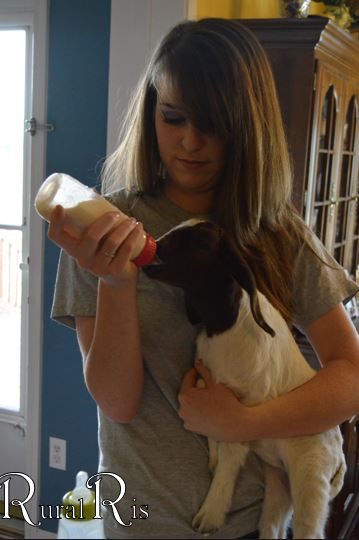
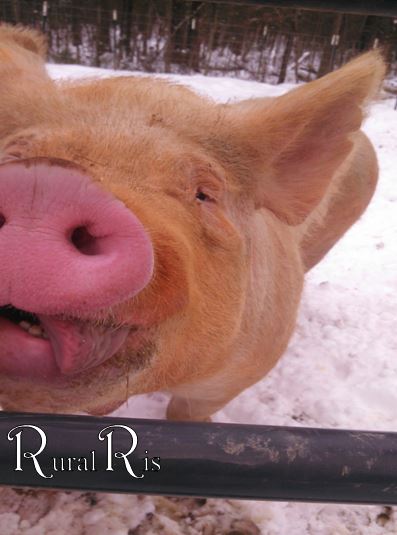
4. I’m passionate about ag: Farming is hard work. I’ve had mud and poop slung on me in places I really didn’t like. I’ve had countless blisters on my hands, a goat managed to give me a black eye, and there have been times I thought my fingers would fall off from the cold. Even still, I love it. I am passionate about the little lamb jumping around or the pigs that give me muddy kisses. I care about the impact agriculture has on the community and what it has to offer. If I didn’t find such joy in farm life, I wouldn’t do it.  Why else would I stay up till all hours of the night with an animal,

bottle

or brave all types of weather?

snow pig

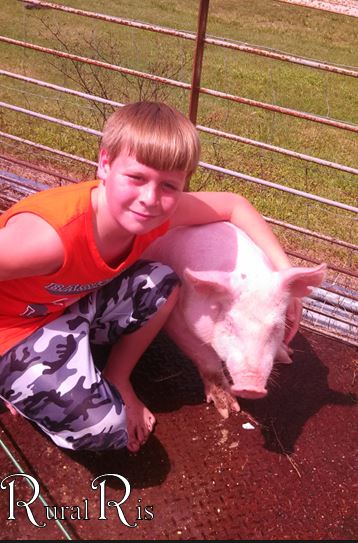
What are those smiles about? Because we, not just me, but others are passionate about agriculture. My passion is my drive to tell the world what gives me joy.isaac

5. I live it: Day in and day out, my family and I feed the animals and care for them. With so much interaction, I think it is safe to say, that I know the farm better than an outsider and can tell that story better. Biographies are nice, but autobiographies are better. I can make it come alive in ways that no one else can because my family and I live it. We stare at in the face everyday.

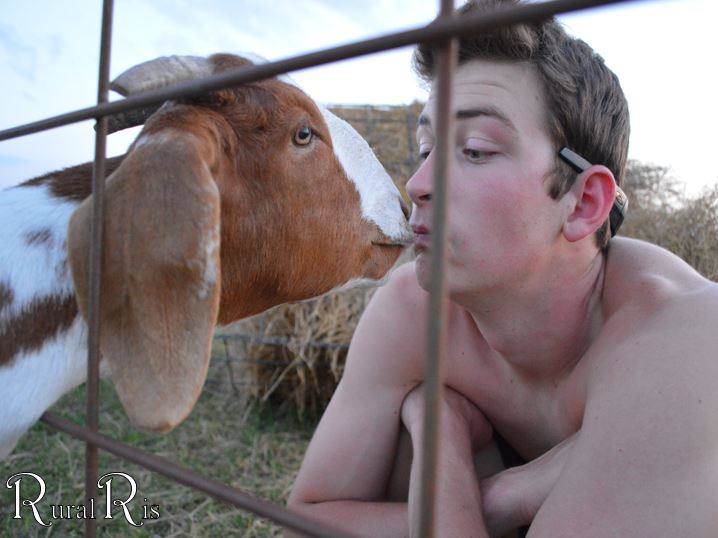
kiss

So, those are my reasons. It is why I’m starting this blog. I truly believe that agriculture is a story worth being told. It is my passion, and therefore, I want it told right. I want the emotions I have for it to bleed through. I want the public to reach a better understanding of what exactly it takes to get from farm to table. I hope to allow people to see what I see. I think the agriculture I know should not be kept to myself and remain untold, which lands me here, on this blog.  It is definitely the most exciting New Year’s resolution I’ve ever had.

Happy New Years!


Capture